


Learn Through Play
Letters, numbers, shapes and early science — through play, not worksheets. The learning is real; it just does not look like school.
Activities
-
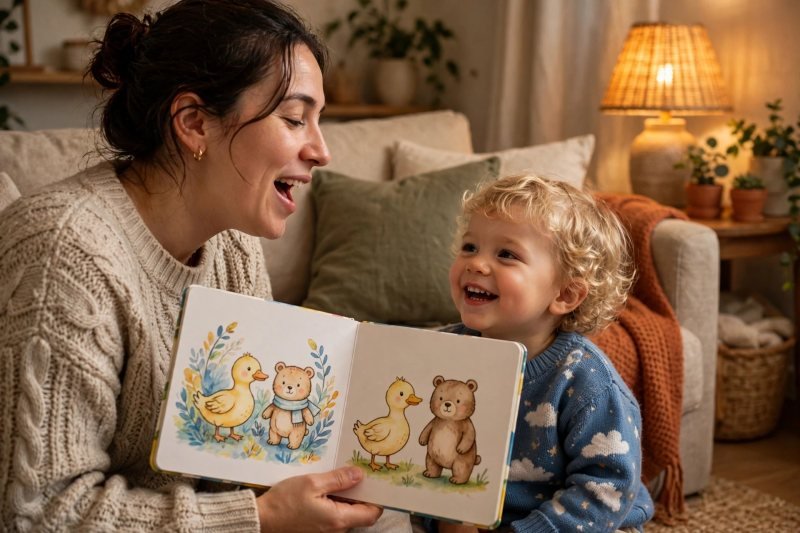
Nursery Rhymes for Toddlers: 20 Classics That Build Early Reading Skills
Twenty classic nursery rhymes for toddlers, each one quietly building early reading skills. Bouncy action rhymes, gentle bedtime songs, counting rhymes and silly favorites — every one trains the rhythm, rhyme and sound awareness your child needs before letters even make sense.
-
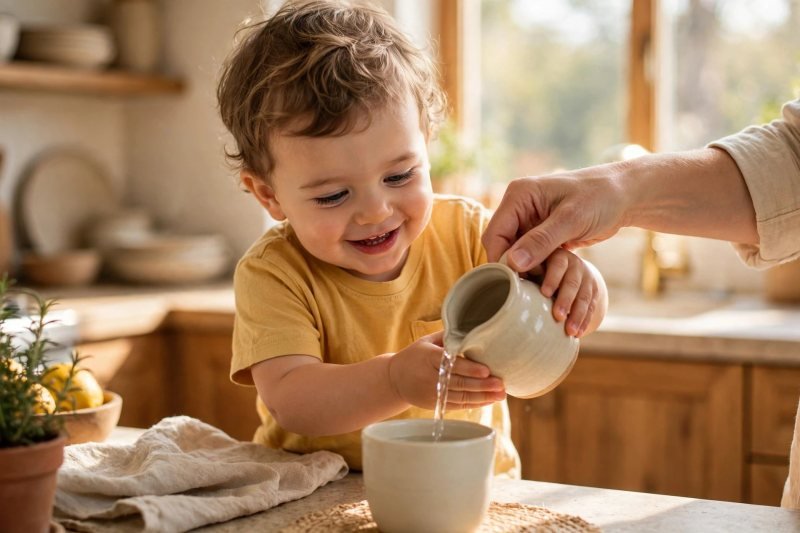
Easy Science Experiments for Toddlers: 10 Safe First Experiments (Ages 2–3)
10 safe, taste-friendly science experiments for toddlers ages 2–3 — sink or float, color mixing, fizzing colors, ice melting and more, all using things you already own.
-
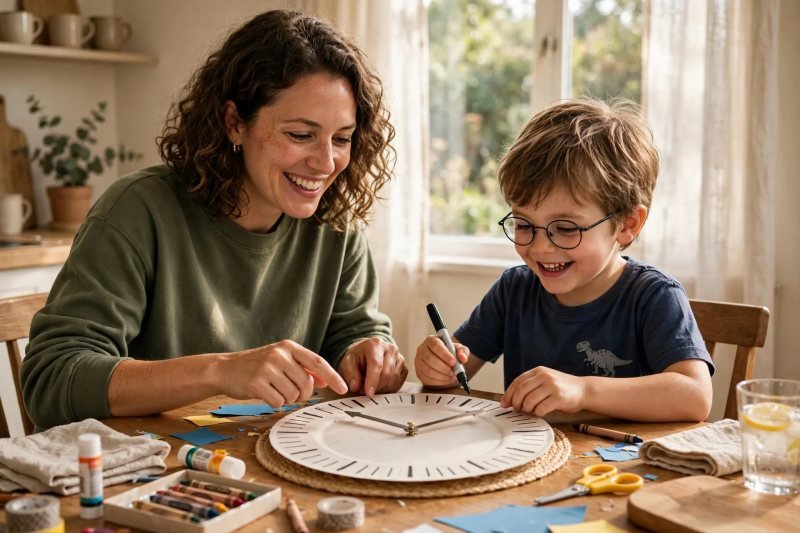
How to Teach a Child to Tell Time: A Step-by-Step Parent Guide
How to teach a child to tell time without tears: start with daily routines, then o'clock, half past, quarters and minutes — using a homemade clock and ten minutes of play a day.
-

Free Editable Name Tracing Worksheets (Type Any Name, Print Instantly)
Free editable name tracing worksheets — type any name and print instantly. Personalized name-writing practice for preschoolers ages 4–5, made easy.
-

How to Teach Your Child to Read at Home: The Complete Kindergarten Plan
A calm, step-by-step kindergarten reading plan for ages 5–6: phonemic awareness, letter sounds, blending and first books — in 15–20 gentle minutes a day.
-
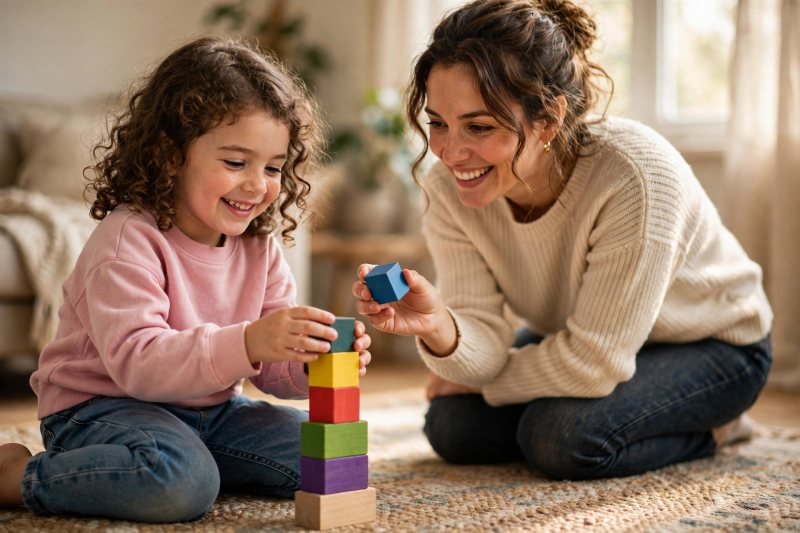
One More, One Less Games: The Easiest Bridge Into Addition
Nine one more one less games that turn counting into real addition and subtraction for 5- and 6-year-olds. Stack one more block, hop one square back, sneak one cookie away — every game teaches +1 and −1 with things you already own.
-

CVC Words for Kids: The First Words Your Child Can Sound Out
CVC words for kids are the first words children can truly sound out — like cat, bed, and sun. This guide gives parents the stretch-and-blend routine, first words by vowel, and six playful games.
-
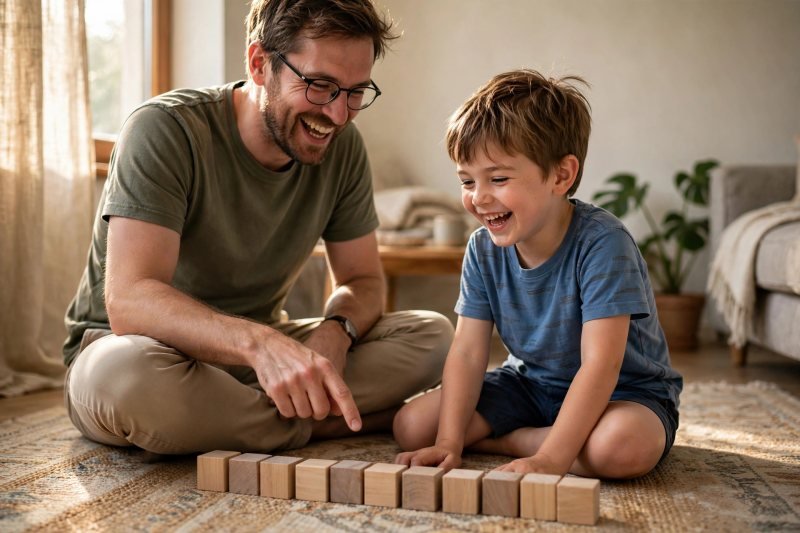
Counting to 100 Activities for Kindergarten (That Aren't Worksheets)
These counting to 100 activities for kindergarten turn the big milestone into play — no worksheets, no drill sheets. Ten hands-on ideas: hundreds-chart games, movement counting, 100-object collections, and estimation jars for ages 5–6.
-

Counting Backwards Activities: Build Number Fluency in Both Directions
These counting backwards activities turn the hardest counting skill into the funniest: the countdown. Ten playful games for ages 4–5 that build number fluency in both directions.
-
'CH' Words: 40 Digraph Words (Chip, Lunch, Watch)
40 ch words your 6- to 8-year-old can hear, spot, read, and sort by position — chip, lunch, watch — in a 10-step session with munch-and-crunch games and a tricky-ch detective round.
-
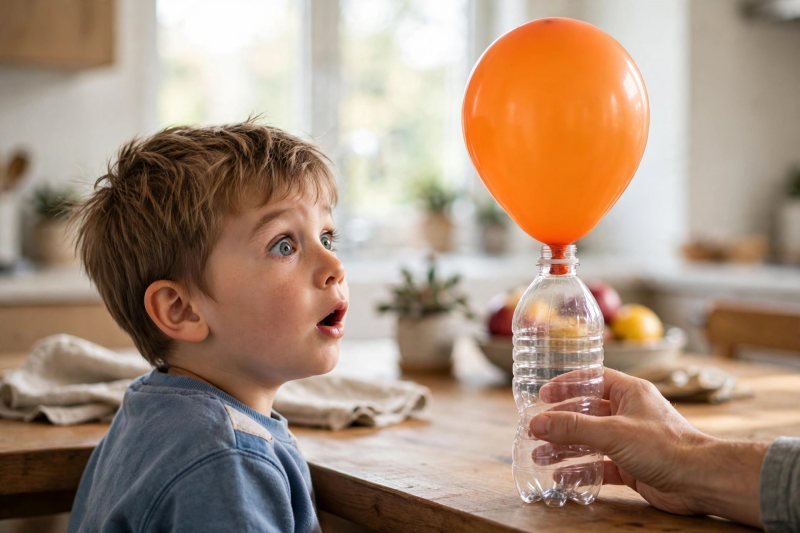
Blow Up a Balloon with Baking Soda and Vinegar
Drop baking soda from a balloon into a bottle of vinegar and watch the balloon inflate all by itself — a five-minute kitchen experiment that makes the invisible power of gas visible.
-
'At' Family Words: 20 Words That Rhyme With Cat (+ Free Word List)
20 -at family words — cat, hat, mat, sat, bat, rat, pat, flat, chat, that — one reading chunk, slider games, a word ladder, and a free printable word list.
-
'An' Family Words: 18 Words (Can, Fan, Man) for New Readers
18 real an family words — can, fan, man, pan, ran, tan, van, ban and more — taught as one reading chunk with the can-fan swap game and silly sentences.
-
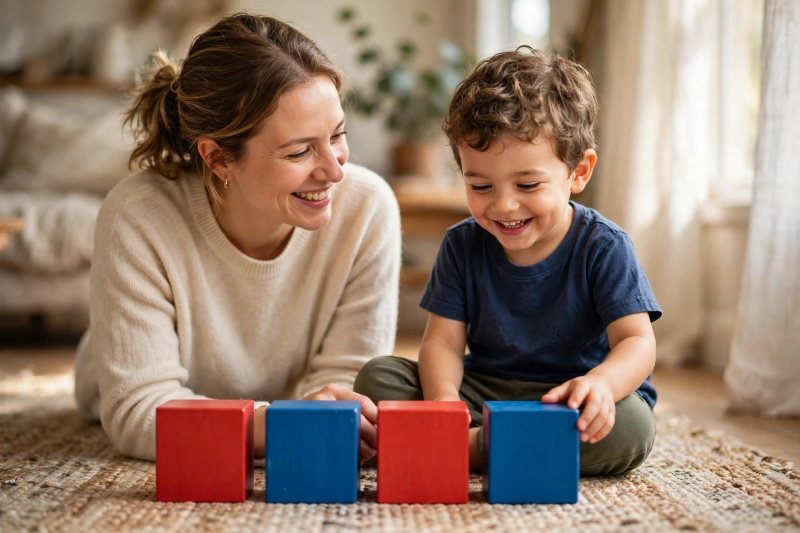
AB Patterns for Preschoolers: The First Pattern to Master
A step-by-step guide for parents on teaching AB patterns — the first pattern every preschooler should master. How to demonstrate, name, copy, extend, fix, and create repeating patterns with objects you already own, for ages 3–4.
-
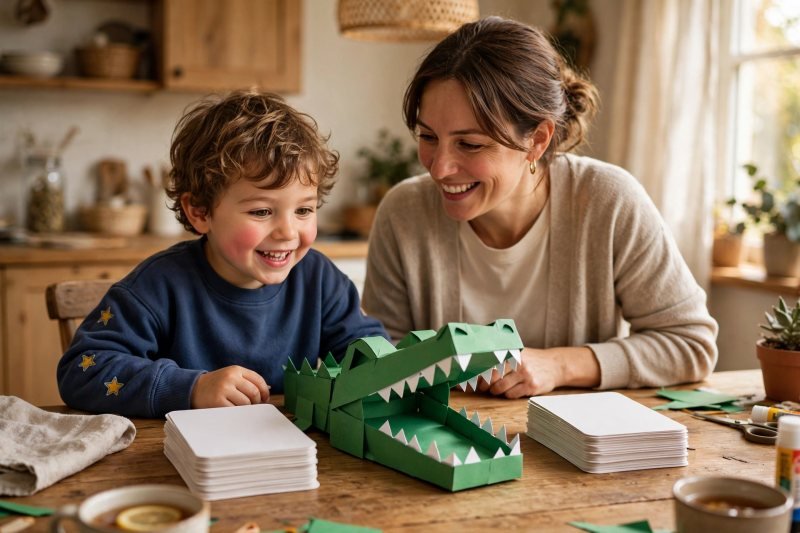
Comparing Numbers Games: Greater Than, Less Than, Equal To
Six comparing numbers games for ages 5–6 that make greater than, less than and equal to click: number cards, dice, block towers and one very hungry paper alligator. Five minutes of setup, real practice with the >, < and = symbols, numbers to 20, zero worksheets.
-
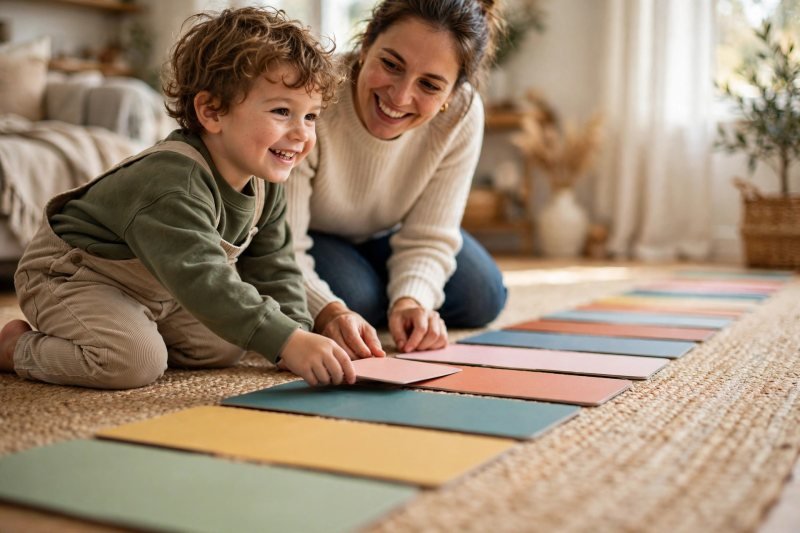
Number Order Activities: Before, After and What's Missing for Ages 4–5
Ten number order activities for ages 4–5 that teach what comes before, what comes after, and what's missing. Card games, number-line walks and snack math — no worksheets, no drilling.
-
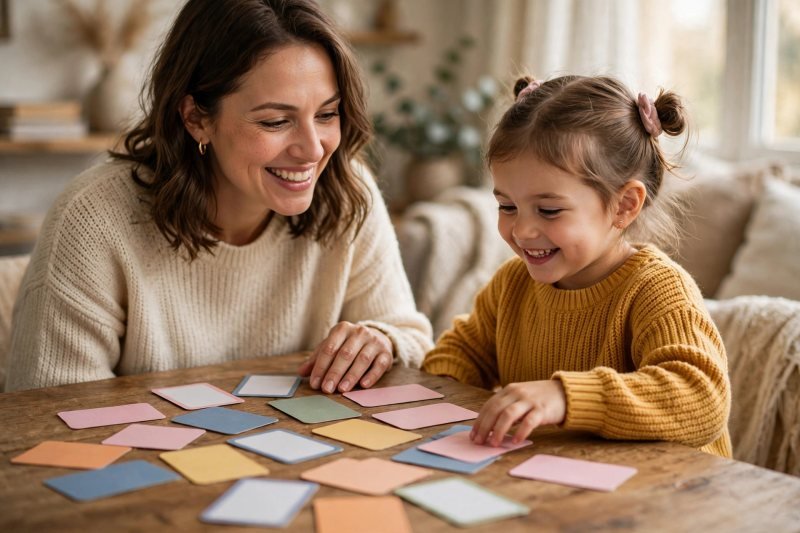
CVC Word Games: 12 Kindergarten Favorites (Roll and Read, I Spy, Bingo)
Twelve CVC word games — Roll and Read, I Spy, Bingo, fishing, hopscotch, and more. One set of word cards, zero worksheets.
-
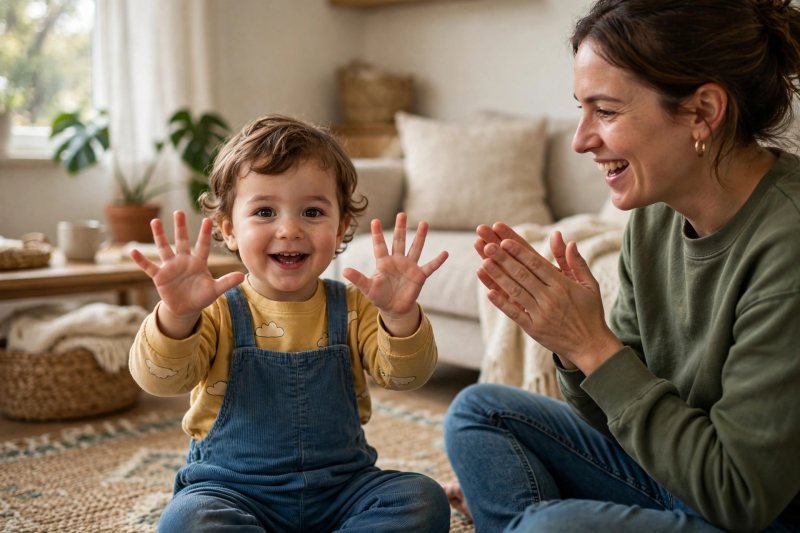
Counting to 10 Activities: Your Toddler's First Big Math Milestone
Counting to 10 activities for toddlers, built as a 10-step plan toward your child's first big math milestone. Take your 2-year-old from hearing numbers to counting ten real objects on their own — with signs of readiness, no worksheets, and zero pressure.
-
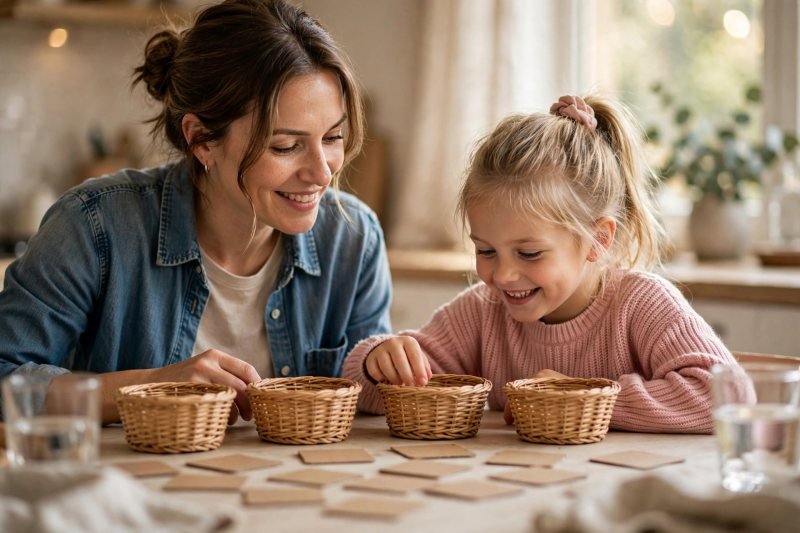
Consonant Blends List: 60+ BL, CL, ST, SM Words for 1st Grade
This consonant blends list gives first graders 65 verified bl, cl, st and sm words, organized by blend family so you can teach one blend at a time — plus a 10-step play routine: hear both sounds, stretch them together, sort the words, and read them in real sentences.
-
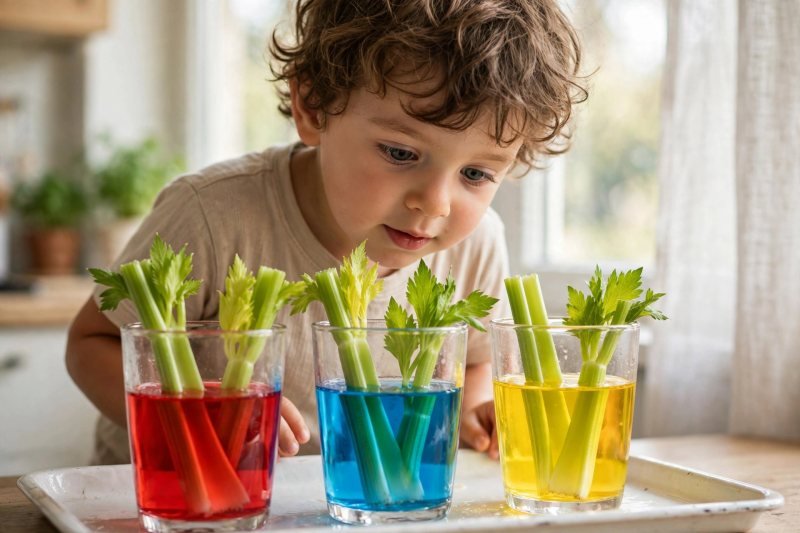
Celery Rainbow Experiment: How Plants Drink Water
This celery experiment for kids stands fresh celery in glasses of colored water and watches the color climb the stalks overnight — giving 3- and 4-year-olds a front-row seat to how plants drink.
-
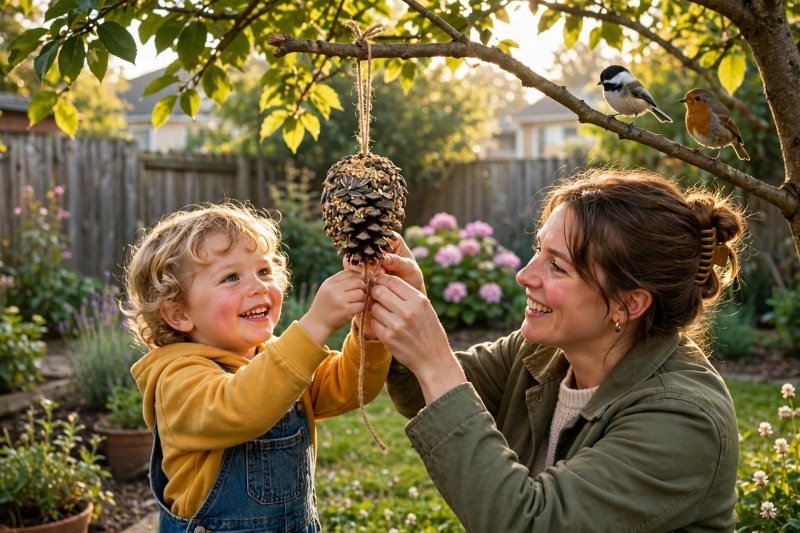
Bird Feeder Craft for Preschoolers
This bird feeder craft for kids uses a pine cone, seed butter and wild birdseed to make a feeder you can hang outside today — then your preschooler watches the window for the first hungry visitor.
-
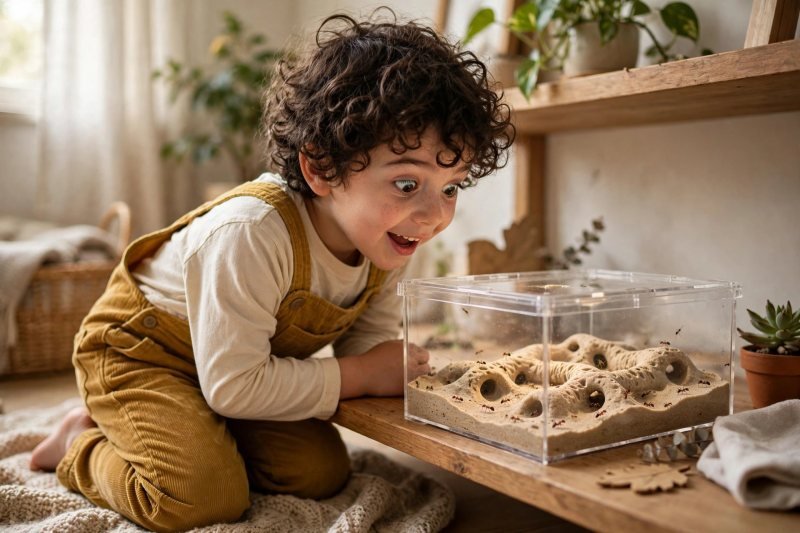
Ant Farm Observation for Kids
Set up an ant farm for kids and watch a real colony dig tunnels, carry crumbs, and work together behind glass — five-minute daily observations over two to three weeks.
-

Alien Words: 40 Nonsense Words to Practice for the Phonics Check (UK)
Alien words phonics practice for the Year 1 screening check: 40 invented nonsense words, a decode-together routine and games that make sounding out feel like a giggle, not a test.
-
A_E Words: 25 Long A Magic E Words (Cake, Name, Game)
Practice a_e words with 25 real long-A magic e words — cake, name, game and friends — plus three short games that make the a_e pattern stick for ages 5–6.


Browse learn through play
Young children learn by doing things with their hands and talking about them out loud. An alphabet hunt around the living room teaches letter recognition more durably than a page of tracing, because the child is moving, choosing and explaining while they do it.
So the activities in this section have a learning goal, and each one says plainly what it is practising — letter sounds, counting one-to-one, sorting by a rule, noticing what changed. That way you can pick what your child is interested in rather than what a curriculum says comes next.
What you'll find here
-
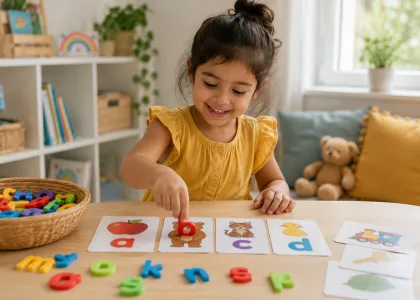
Letters and sounds
Recognising letters, hearing the sound at the start of a word, and eventually putting them together. Games and hunts rather than drills.
-
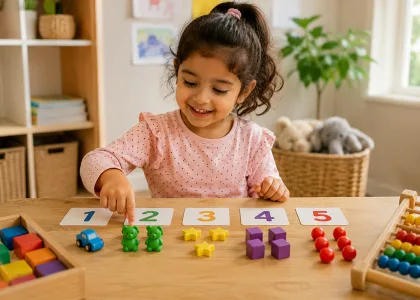
Numbers and counting
Counting things that are really there, matching a number to an amount, and spotting patterns — the groundwork that makes later maths make sense.
-
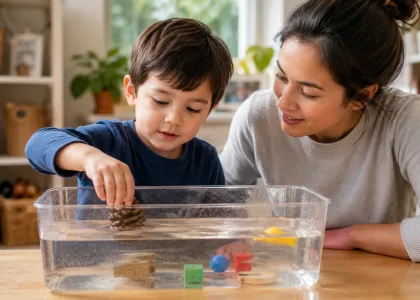
Science and noticing
Will it sink? What happens if we add more? Simple experiments with a question at the start and a conversation at the end.
None of this is a substitute for what your child does at nursery or school, and none of it is developmental advice. It is play that happens to teach something.