


Learn Through Play
Letters, numbers, shapes and early science — through play, not worksheets. The learning is real; it just does not look like school.
Activities
-
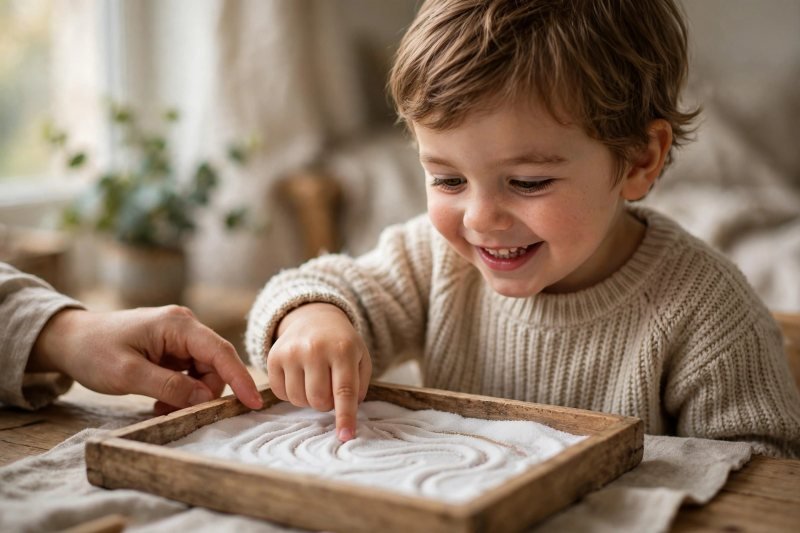
Pre Writing Strokes Worksheets: 13 Basic Strokes Every Preschooler Needs Before Letters
Before your preschooler traces a letter, they need 13 simple strokes. This playful printable pack teaches lines, circles, crosses, zigzags, and loops in learning order, with a gentle 4-week plan.
-
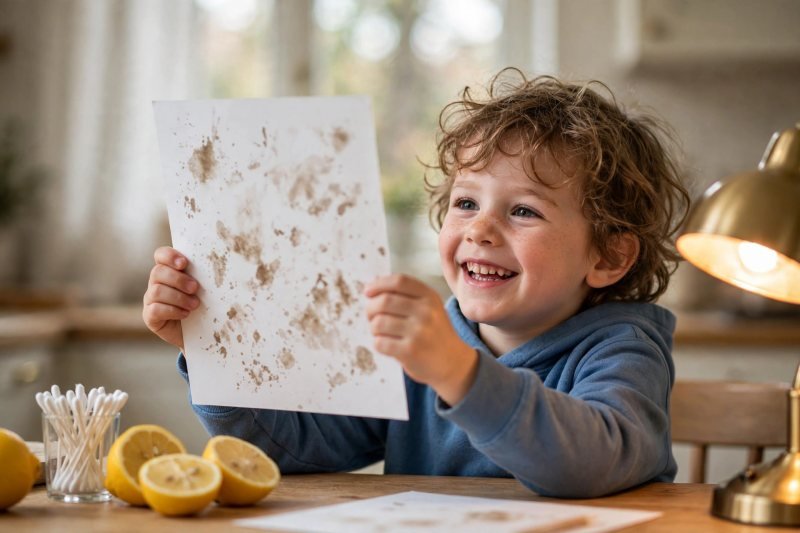
Invisible Ink Experiment: Lemon Juice Secret Messages
Kids 6–8 write secret messages in lemon juice that dry invisible, then reveal them with gentle heat. Easy steps, simple science, safety-first reveals.
-
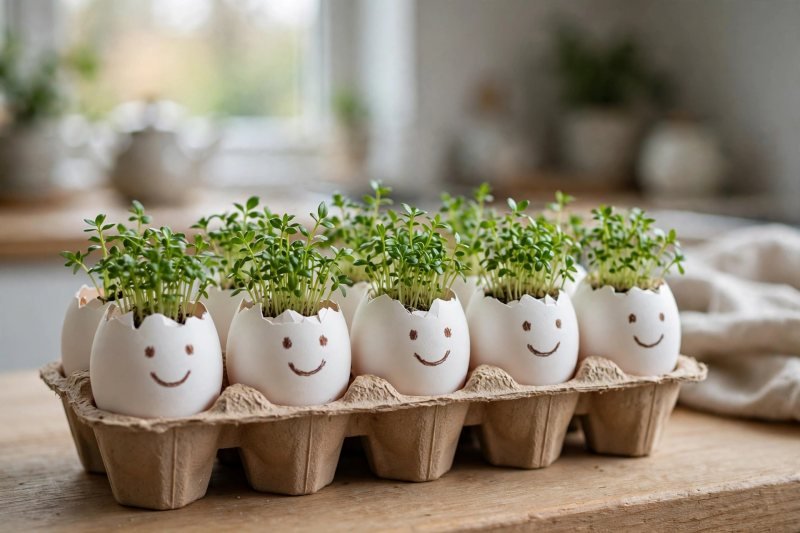
Cress Heads: Easy Growing Activity for Kids (UK)
Learning how to grow cress heads is a classic British childhood project: decorate eggshells, fill them with damp cotton wool, sprinkle on cress seeds, and snip the green "hair" into sandwiches in about a week.
-
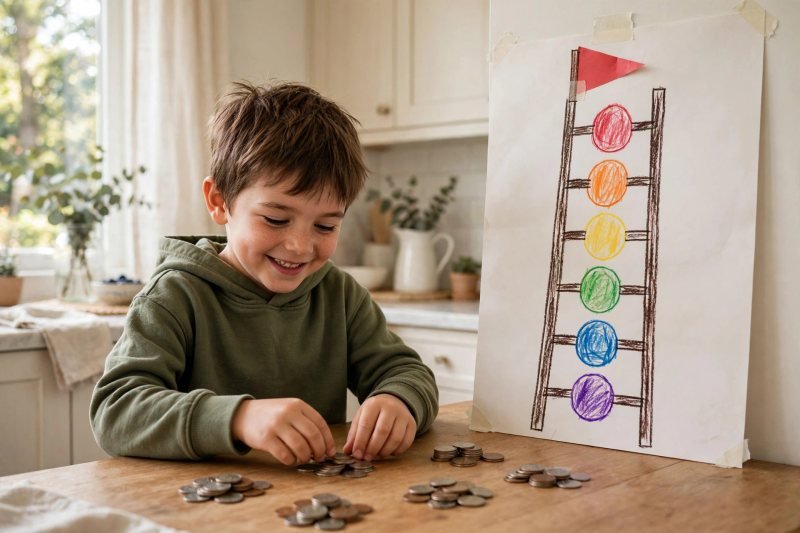
Counting Money to $1: Add Coins Up to a Dollar
Kids ages 6–8 climb a paper ladder from 0¢ to $1.00 with real coins, stopping at 25¢, 50¢, and 75¢ camps before planting the dollar flag — adding pennies, nickels, dimes, and quarters all the way up.
-
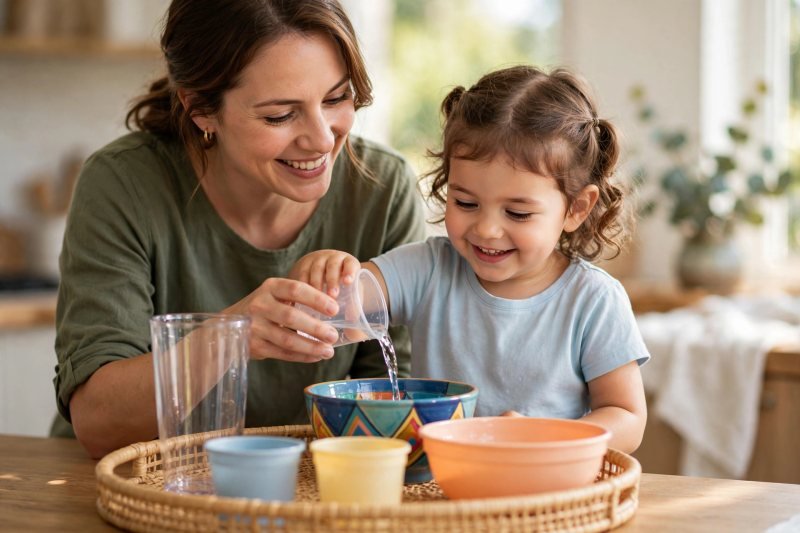
Capacity Activities for Kids: Pour, Fill and Compare
Pour, fill, and compare! These capacity activities for kids turn your kitchen into a water lab where 4- and 5-year-olds explore full versus empty, discover which container holds more, and learn why the tall glass and the wide bowl can hold the exact same amount.
-

Why Nursery Rhymes Matter for Reading: What the Research Says for Parents
The benefits of nursery rhymes go beyond cute songs: rhymes build the sound awareness, vocabulary, and memory toddlers need for reading. A parent guide.
-
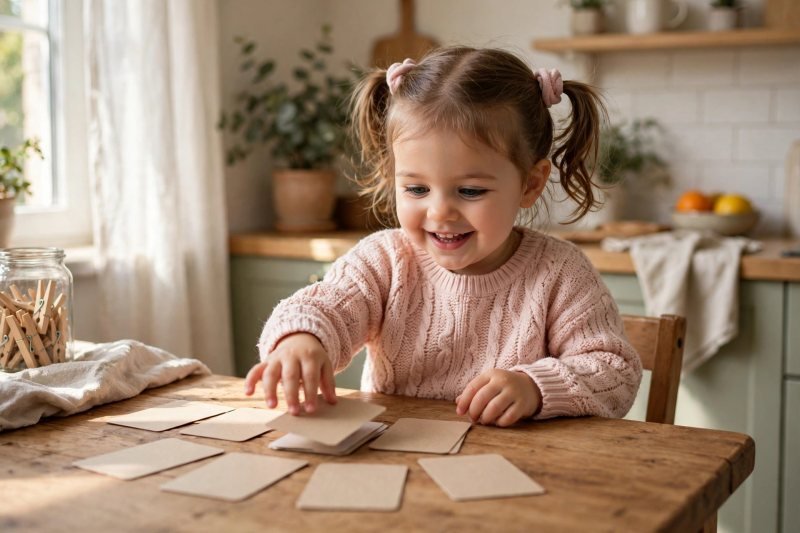
Animal Homes for Preschoolers: Make-and-Play Matching Game
Animal homes for preschoolers turn into a hands-on matching game: make 10 pairs of cards — bird and nest, bee and hive, rabbit and burrow — then flip two at a time to reunite each animal with its home. Card-making takes about 20 minutes, each round plays in 10–15, and every match sneaks in real science vocabulary.
-
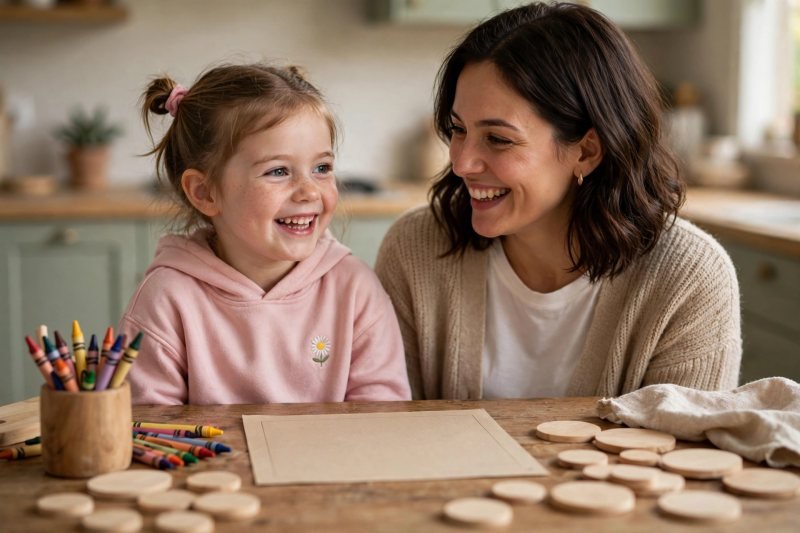
Addition Worksheets for Kindergarten: Printable Practice Within 10
Ten printable addition worksheets for kindergarten that build real adding skill within 10 — picture addition, ten-frames, dominoes, number lines, word problems and missing addends. Print once, work through them across the week with your 5–6-year-old.
-
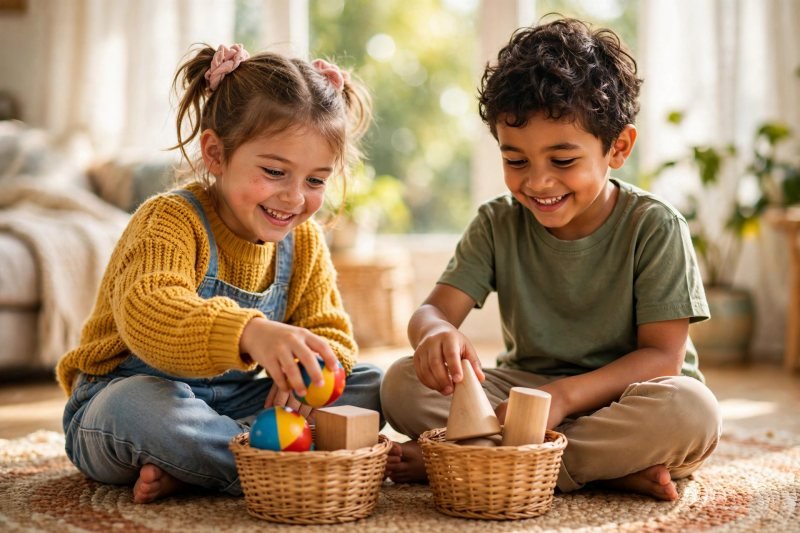
3D Shapes Activities: Spheres, Cubes and Cones in Real Life
These 3D shapes activities for ages 5–6 turn balls, boxes, dice and cones into a geometry hunt: ten playful steps with real-life objects, no worksheets needed.
-
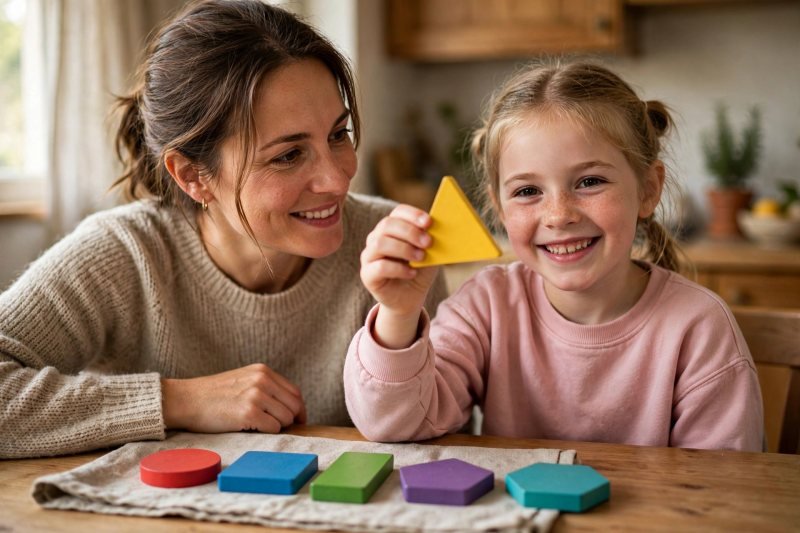
2D Shapes in Year 1: Sides, Corners and Sorting (UK Guide)
What Year 1 children learn about 2D shapes in England — recognising, naming, sides, corners and sorting — plus ten hands-on steps to practise at home.
-
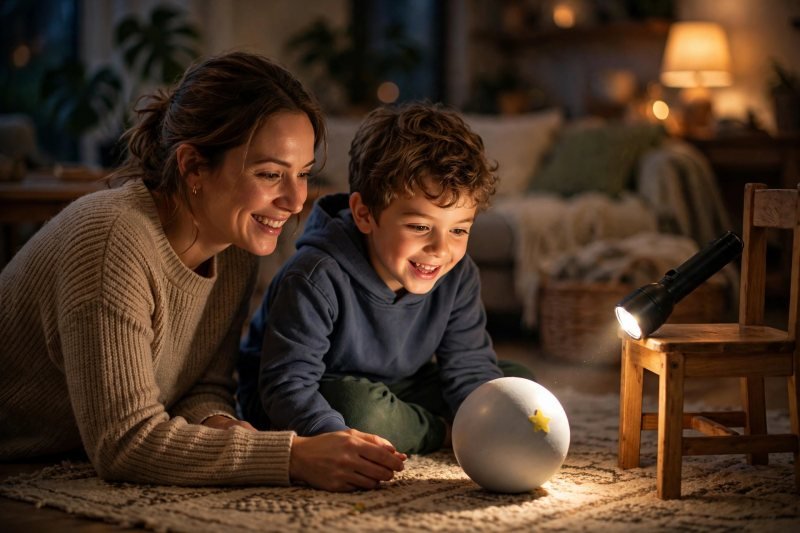
Day and Night for Kids: Simple Explanation + Activity
Day and night for kids: the Earth spins once every 24 hours, so the side facing the Sun has day and the side turned away has night — with a flashlight spin-the-Earth demo.
-
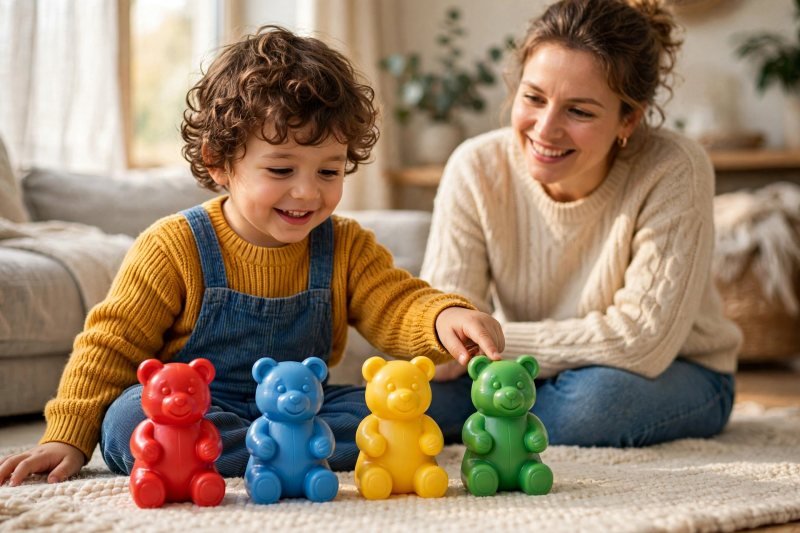
Counting Games for Preschoolers That Build Real Number Sense
Ten counting games for preschoolers that build real number sense — not just reciting numbers. Roll-and-count bears, sock toss, color number hunts, and kitchen counting games for ages 3–4, all using things you already own.
-
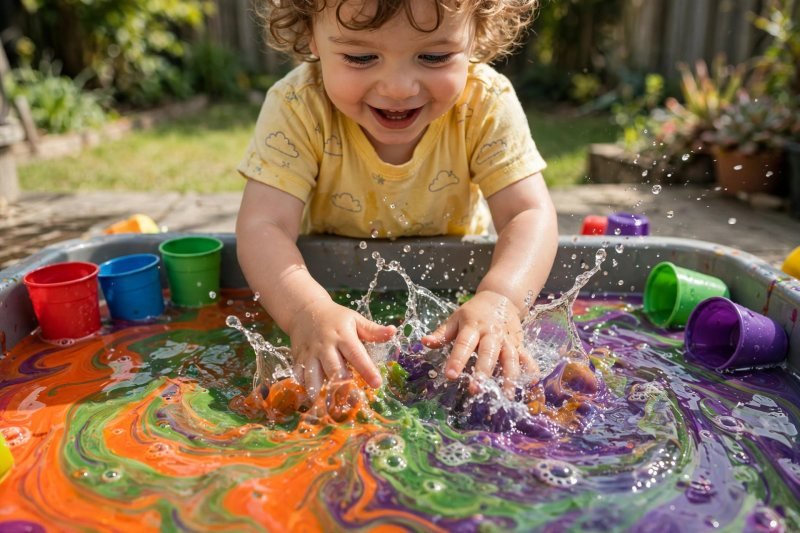
Color Mixing for Toddlers: Easy Water Play Science
Splash, pour, and squirt colored water to discover orange, green, and purple! Easy sensory color mixing for toddlers ages 2-3, run outdoors or in the bathtub with non-toxic washable materials.
-
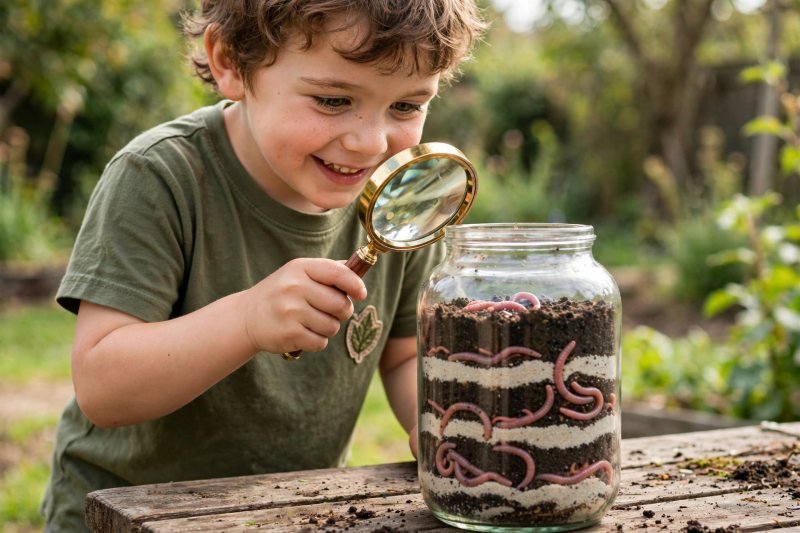
Build a Wormery: Worm Observation for Kids
How to make a wormery: kids layer sand and soil in stripes in a jar, add a few gentle earthworms, and watch them tunnel and eat dead leaves for a week or two.
-
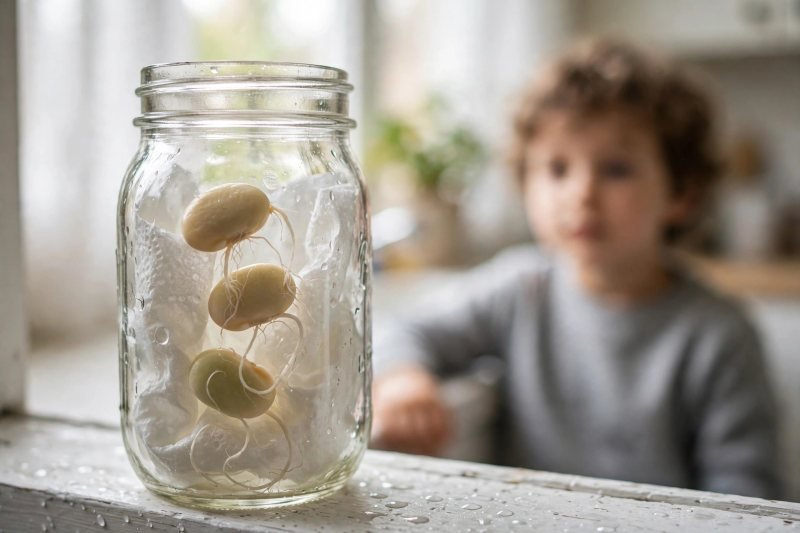
Parts of a Seed for Kids: The Bean Root Observation Jar
Press soaked beans against the glass of a damp-towel jar and watch roots grow — root hairs, the root cap, and roots that always find down.
-
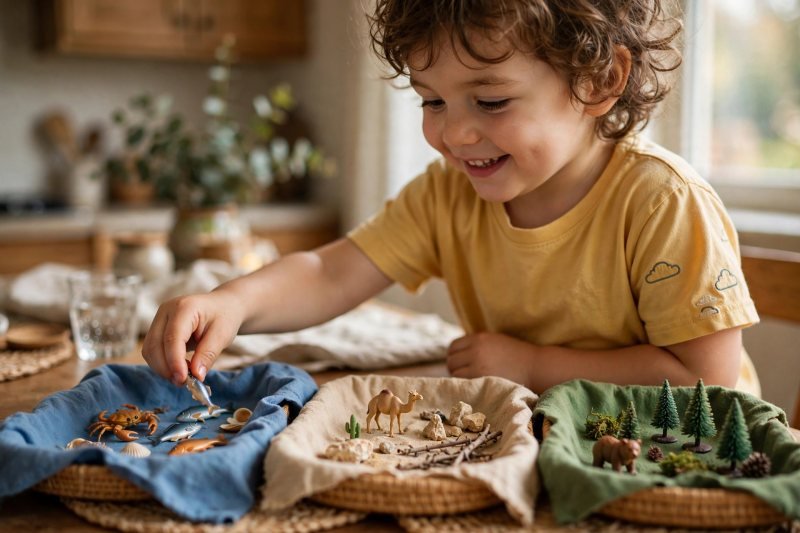
Animal Habitats for Kids: Ocean, Desert, Forest
Animal habitats for kids become a hands-on sorting game: build three simple trays — a blue ocean, a sandy desert, a leafy forest — then sort toy animals into the home where each one really lives. Fifteen minutes of setup, twenty to thirty of play, and real science vocabulary like habitat, saltwater, and nocturnal along the way.
-
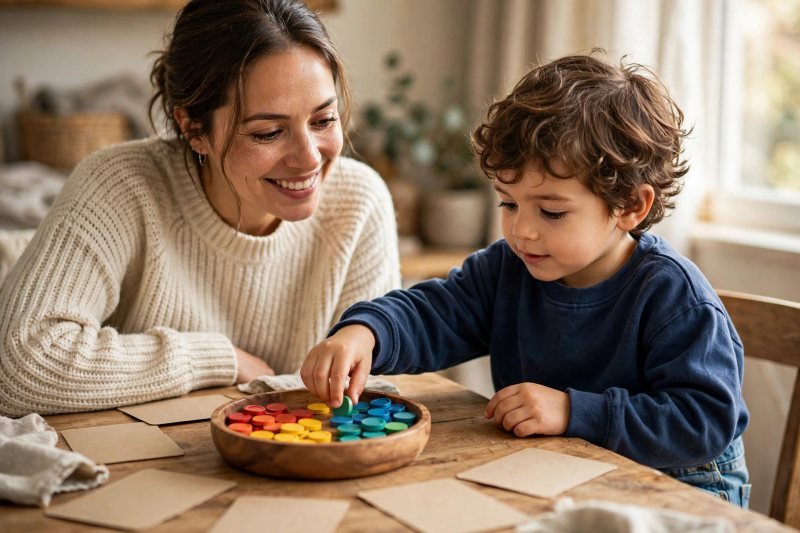
Addition Word Problems for Kindergarten: Picture Stories Within 10
Addition word problems for kindergarten, told as picture stories: your 5–6-year-old hears each story, acts it out with counters, draws it, and solves it. Ten ready-to-tell stories, every sum 10 or less.
-
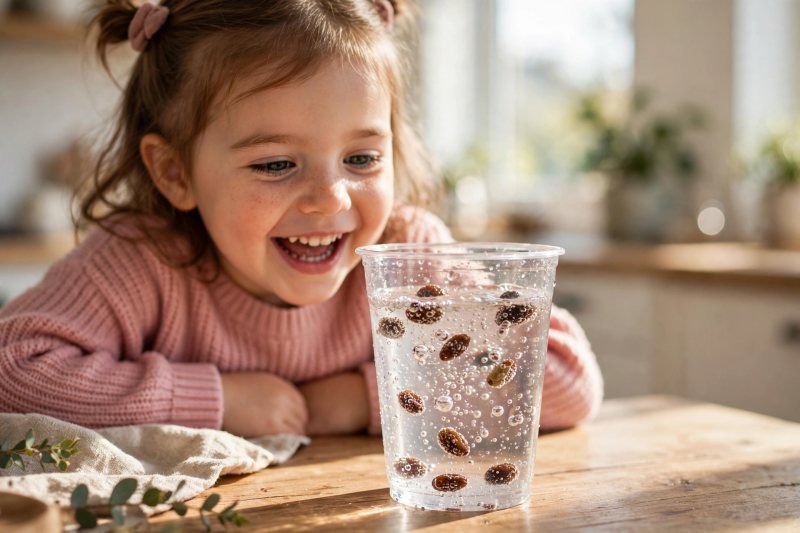
Dancing Raisins Experiment for Preschoolers
Drop raisins into fizzy water and watch them dance up and down. This easy preschool science experiment uses simple kitchen materials and delivers a big wow moment in under a minute.
-
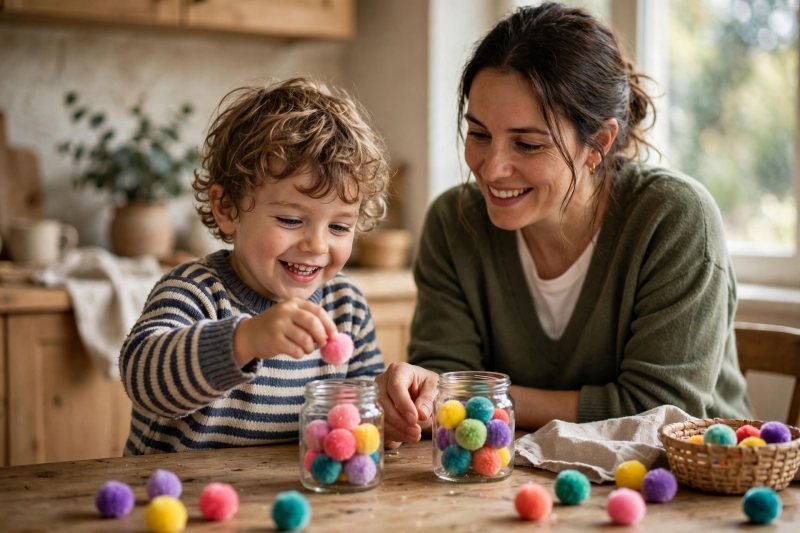
Counting to 20 Activities for Preschoolers: Hands-On Ideas That Work
Ten hands-on counting to 20 activities for preschoolers ages 4–5 that finally crack the tricky teen numbers (13–19). Real objects, movement and play — no worksheets, no flashcards, no pressure.
-
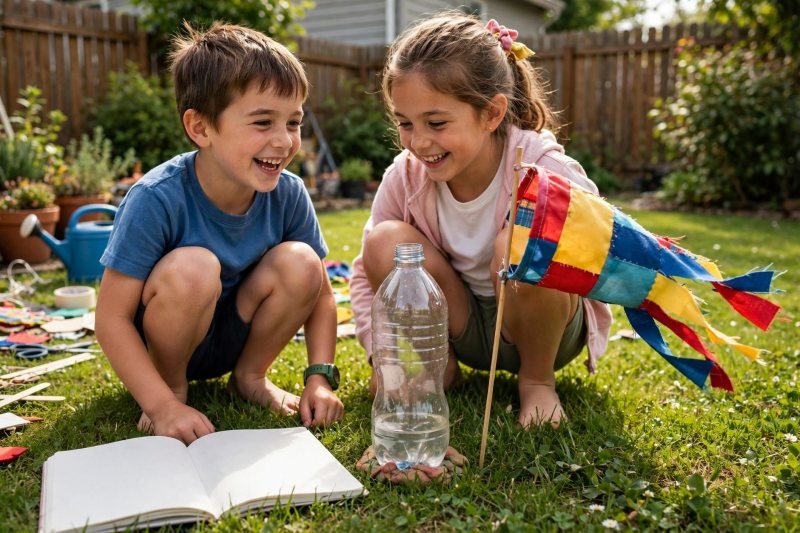
Build a Weather Station with Kids
A real weather station for kids is a backyard project worth a week of mornings: build a rain gauge, a wind sock, and a thermometer stand from household bits, then run the station together and record what the sky does.
-
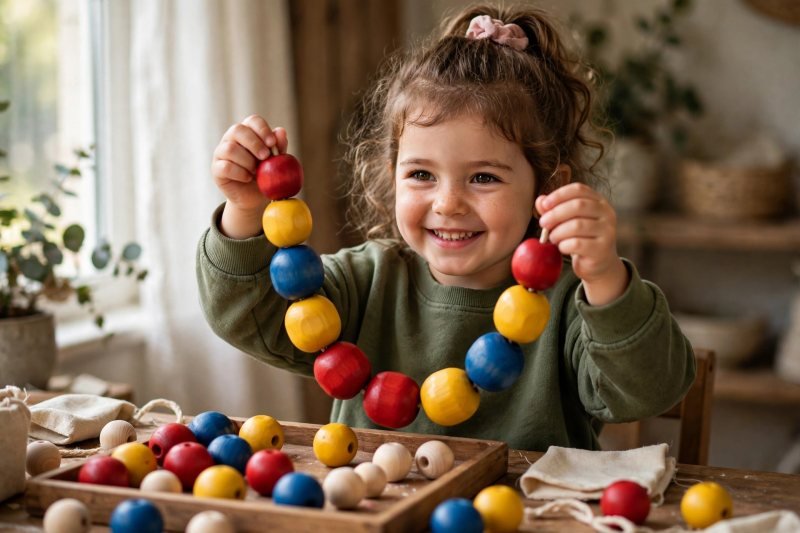
Bead Pattern Activities: String, Copy and Create Sequences
Bead pattern activities for ages 3–4: copy pattern cards onto a shoelace, continue a started necklace, invent your own bead sequences, and sort beads by pattern — all with big, safe wooden beads and an adult at the table.
-
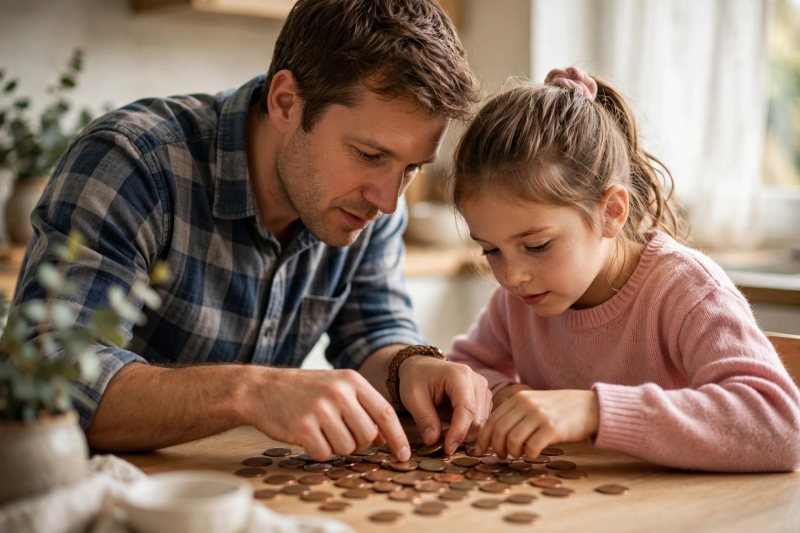
Counting Coins Activities: Pennies, Nickels, Dimes and Quarters
These counting coins activities turn spare change into real math practice. Kids 6–8 count pennies by ones, skip-count nickels and dimes, add mixed coins, and pay exact amounts — ten hands-on activities building real money sense.
-

Coin Recognition Activities: Meet the Penny, Nickel, Dime and Quarter
Before kids can count money, they must know the coins. These coin recognition activities teach ages 4–5 to spot the penny, nickel, dime, and quarter by sight and touch — sorting games, a size lineup, and a feel-in-the-bag challenge.
-
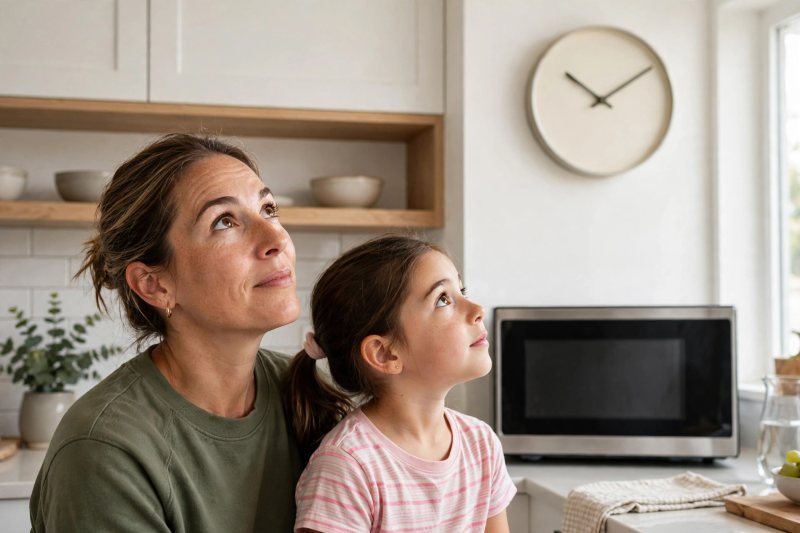
Analogue vs Digital Clocks: Help Kids Read Both
A 25-minute bridge lesson for ages 6–8: read both analogue and digital clocks — the colon rule, the five-minute table, and translating 3:30 both ways.


Browse learn through play
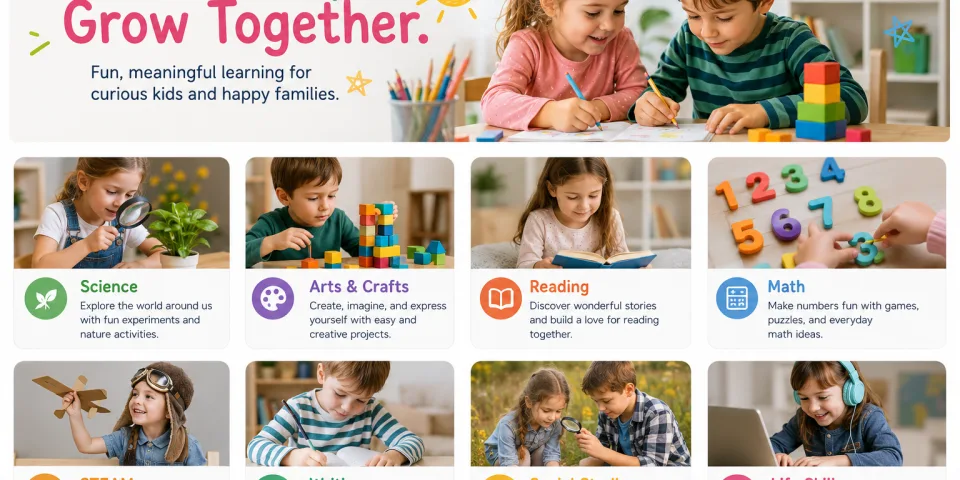
Young children learn by doing things with their hands and talking about them out loud. An alphabet hunt around the living room teaches letter recognition more durably than a page of tracing, because the child is moving, choosing and explaining while they do it.
So the activities in this section have a learning goal, and each one says plainly what it is practising — letter sounds, counting one-to-one, sorting by a rule, noticing what changed. That way you can pick what your child is interested in rather than what a curriculum says comes next.
What you'll find here
-
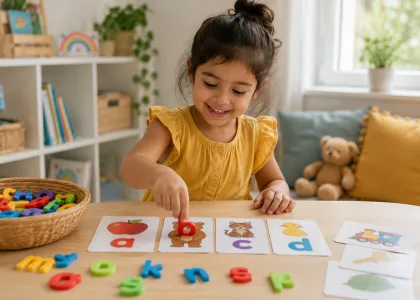
Letters and sounds
Recognising letters, hearing the sound at the start of a word, and eventually putting them together. Games and hunts rather than drills.
-
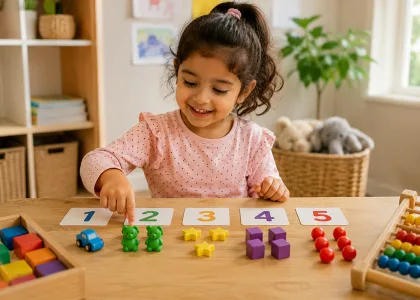
Numbers and counting
Counting things that are really there, matching a number to an amount, and spotting patterns — the groundwork that makes later maths make sense.
-
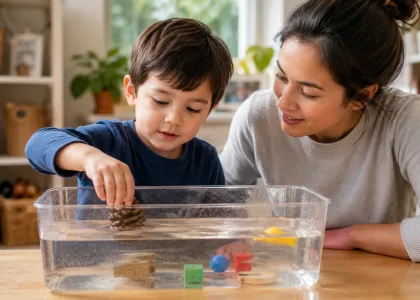
Science and noticing
Will it sink? What happens if we add more? Simple experiments with a question at the start and a conversation at the end.
None of this is a substitute for what your child does at nursery or school, and none of it is developmental advice. It is play that happens to teach something.