


How to Teach Your Child to Read at Home: The Complete Kindergarten Plan
A calm, step-by-step kindergarten reading plan for ages 5–6: phonemic awareness, letter sounds, blending and first books — in 15–20 gentle minutes a day.
Teaching a 5 or 6 year old to read at home works best in short, playful daily sessions of 15–20 minutes. Start with sound games (rhyming, clapping syllables), teach letter sounds a few at a time, then show your child how to blend those sounds into simple words. Read aloud every day, let them retell favorite stories, and celebrate every small win — most children move from first sounds to a first book within a few months of steady, pressure-free practice.

The short version
- Short beats long: 15–20 focused minutes a day beats an occasional hour.
- Teach letter sounds before letter names — sounds are what reading uses.
- Blending (stretching s-a-t into "sat") is the skill to practice most.
- Read aloud daily: it builds vocabulary and models fluent reading.
- Rereading favorites is how fluency grows — repetition is not failure.
- Keep every session warm and game-like; never make reading a test.
- Age
- Ages 5–6
- Prep
- 10 min
- Play time
- 18 min
- Mess
- Low
- Difficulty
- Easy
- Where
- Indoor
Why kids love this
How to teach a child to read: the complete at-home kindergarten plan
If you've ever wondered how to teach a child to read at home without turning your kitchen table into a classroom, you're in good company. The truth is kinder than most parents expect: a few playful minutes a day is genuinely enough. This plan is built for ages 5–6, takes 15–20 minutes a day, and the mess level is blissfully low — just paper, crayons and books you already own. No worksheets to buy, no apps required, and zero guilt about screens: audiobooks and story videos count as time with stories here.
Reading grows in a clear order. First children hear the sounds inside words, then they link those sounds to letters, then they blend sounds into words, and finally they read smoothly enough to enjoy a story. Each stage below feeds the next, so work through them in order and move on only when the current one feels easy and fun.
What should my child be able to do before learning to read?
Before letters matter, children need phonemic awareness — hearing and playing with the sounds inside spoken words. A child who knows "cat" and "hat" rhyme, or can clap the three beats in "el-e-phant", is already doing the most important pre-reading work there is. Build it with games, no materials needed: trade rhymes at the table (silly made-up ones count), clap syllables in names and animals, and play first-sound spotting — "I'm thinking of something starting with /mmm/… milk!" Spend one to two weeks here. If your child is under five, linger in this stage and enjoy these gentle phonics games for preschoolers first — there is no prize for rushing.
Should I teach letter names or letter sounds first?
Teach the sounds first. Knowing B is called "bee" doesn't help a child read "bat"; knowing it says /b/ does. Introduce two or three sounds a week, starting with the most useful: s, a, t, p, i, n. With just those six, a child can read real words like "sat", "pin" and "tap" — and reading real words early is enormously motivating. Make it multisensory: write the letter big, say the sound together, trace it with a finger while saying it. Then hunt the sound around the house — socks, soap, spoon for /s/. Five minutes, and it feels like a game because it is one. For the full reasoning behind sounds-first (and when to bring in letter names), see letter names or sounds first.
How do I teach my child to blend sounds into words?
Blending — pushing separate sounds together into a word — is the heart of early reading and deserves the most practice. Start with your voice only: stretch the sounds slowly, "ssss-aaaa-t", then a little faster, then ask, "What word did I say?" The first time your child shouts "sat!", you'll both grin.
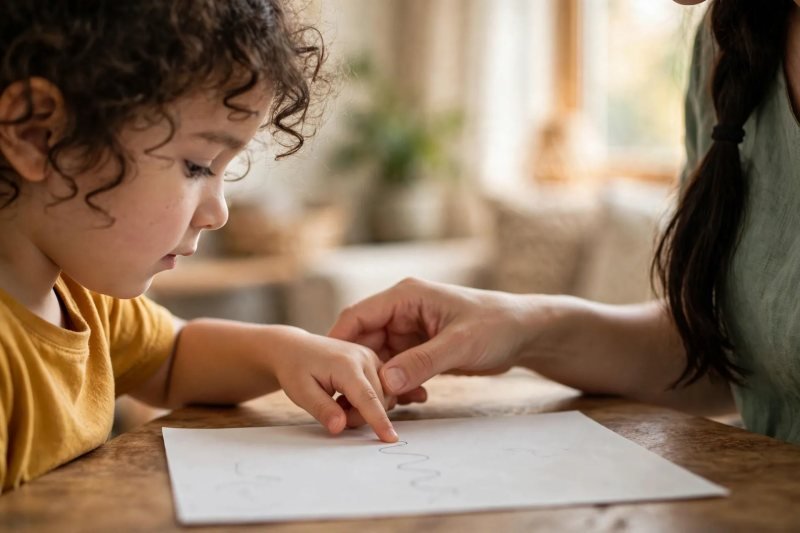
The finger-slide trick
Write a simple three-letter word on paper. Your child slides a finger slowly beneath it, saying each sound, then sweeps back quickly and says the whole word fast. Slow-then-fast, every time. Model it yourself first with an exaggerated stretch, then hand over the finger. Five or six words per session is plenty — quitting while it's still fun is a strategy, not a failure. More game ideas live in our blending sounds activities.
Which words should a beginner reader learn first?
Start with decodable words: simple three-letter words built only from sounds your child knows — sat, pin, mat, top, red. Every sound is familiar, so your child can genuinely sound them out instead of guessing. Then add a few sight words — rule-breakers like "the", "said" and "was" — five at a time. Write each on a sticky note, use it in a silly sentence, and stick it on the fridge; when all five are read without hesitating, collect five more. For ready-made lists and playful practice ideas, see our sight words for kindergarten.
How much reading practice does a 5-year-old need each day?
Fifteen to twenty minutes is the sweet spot, split into two parts: about ten minutes of your child practising (sound games, blending, simple words) and ten of you reading aloud. Read-aloud time isn't a bonus — it's core curriculum. It fills your child's head with vocabulary and story structure their own reading can't reach yet, and it keeps reading wrapped in warmth. On chaotic days, just do the story. A sample session: two minutes of a sound game, five of sounds or blending, three reading words together, five of you reading a favorite book while they turn pages and join in on repeated lines. Consistency beats any single session.
What should I do when my child gets stuck on a word?
Don't supply it immediately. Count silently to three — that pause is thinking time. Then prompt, don't tell: "What sound does it start with?" If they say the first sound, encourage them to slide through the rest; if truly stuck, say the sounds slowly together and let them do "the fast part". Always end on a success by rereading the sentence smoothly together, so the story flows as the last thing they feel. And if frustration builds, stop. A book closed happily today opens willingly tomorrow.
No desk, no worksheet, no test — just games, silly rhymes and the thrill of reading a real word alone. Children love doing "the fast part" when blending, collecting sight words like stickers, and bossing the grown-up during read-alouds ("do the voices!"). Sessions end before boredom arrives, so reading keeps feeling like a treat.
What you'll need
- Plain paper and crayons or markers
- Scissors (adult use)
- Bright sticky notes
- An envelope or small jar for the word collection
- A kitchen timer
- 3–4 favorite picture books you already own
- Everything here lives in most family drawers already. Nothing to buy, nothing to print.
Before you start
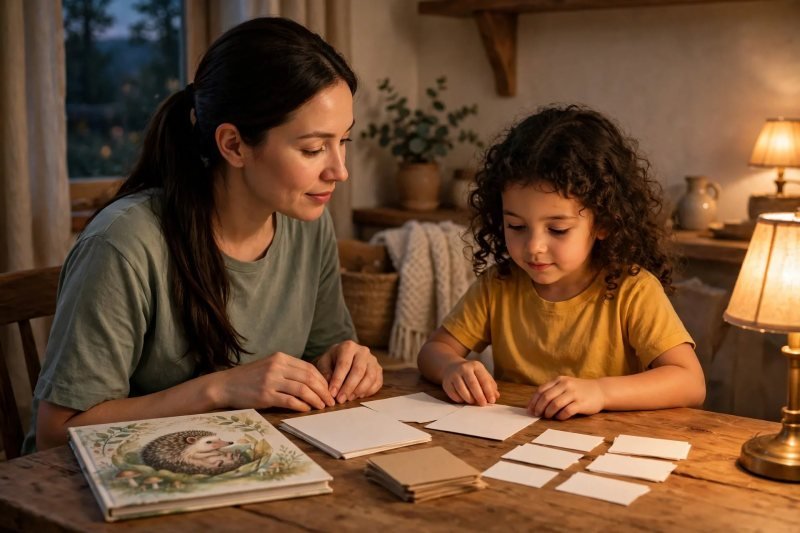
Make letter cards: cut paper into card-sized pieces, one lowercase letter each — start with s, a, t, p, i, n. Big and clear. Pick a calm, consistent time and spot — after breakfast or before bed suits most families. Choose one well-loved picture book for read-aloud time; familiarity makes joining in easier. Set expectations with yourself: week one's goal is fun with sounds, not reading words.
How to do it
-
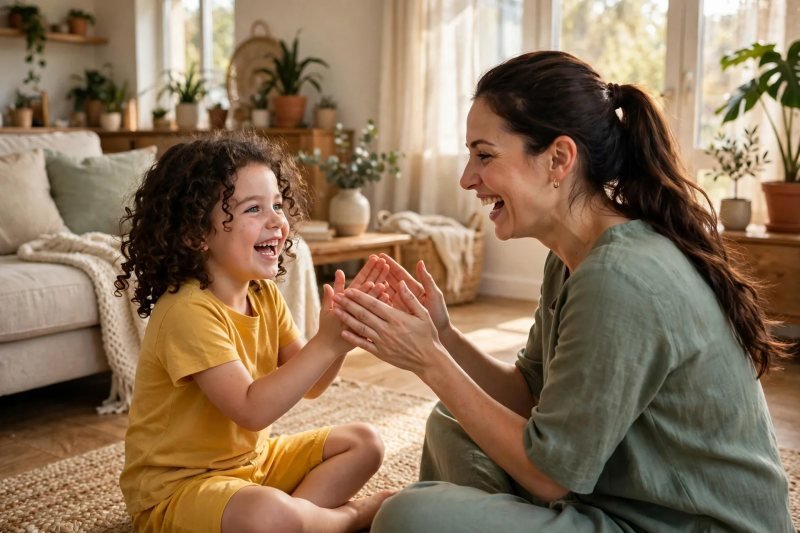
Play with sounds before letters. Spend a week or two on pure sound games with no letters: clap syllables in names and animals, trade rhymes, play first-sound guessing games around the house. You're training ears, and ears learn through laughter — keep it silly and stop while everyone's still giggling.
-
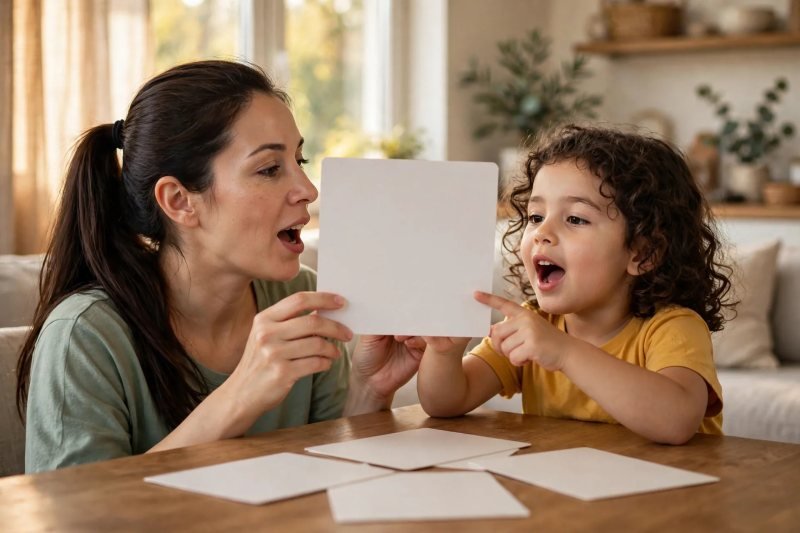
Introduce two or three letter sounds a week. Show the card, say the sound together, trace the letter with a finger while saying it. Then hunt the sound around the house: "Find three things starting with /mmm/!" Don't add more letters until these feel effortless.
-
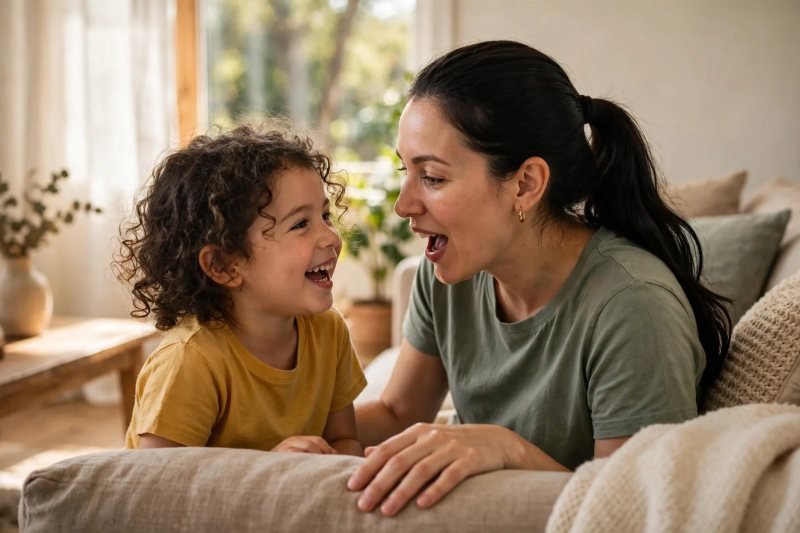
Play oral blending games. No letters in sight: stretch a word's sounds slowly — "ssss-aaaa-t" — and let your child shout the fast word. Take turns, they stretch, you guess. Voice-only blending is the safest place to practice because nothing on paper can go wrong, and most children find it hilarious.
-
Slide a finger under printed words. Write a simple word from known sounds; your child slides a finger slowly beneath, saying each sound, then sweeps back quickly and says the whole word fast. Model it first with a dramatic stretch, then hand over the finger. Five or six words is plenty.
-
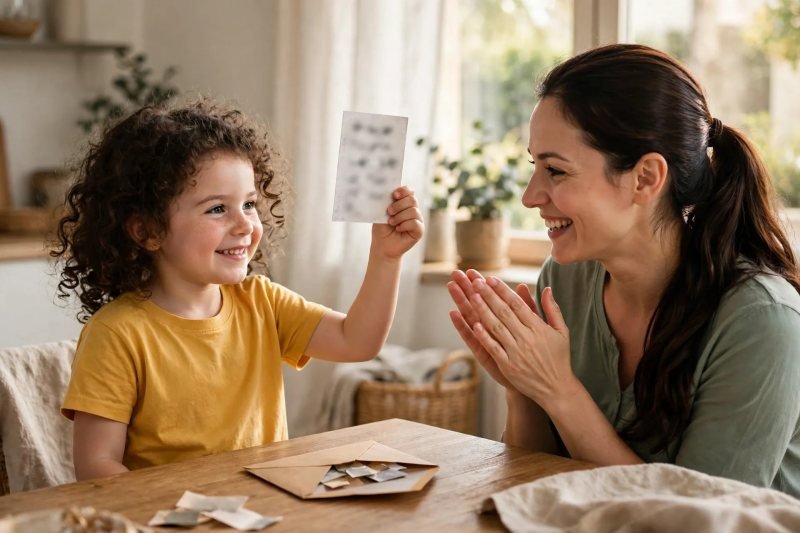
Read real three-letter words together. Using only known sounds, write little lists — sat, pin, mat, tap, red — and let your child sound through each. Reading genuine words this early is the click moment: "I am really reading!" Keep conquered words in the envelope to revisit.
-
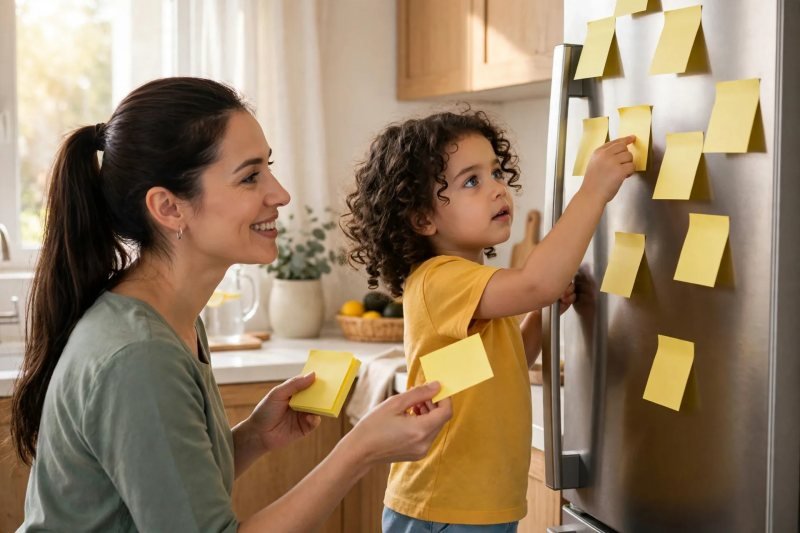
Collect five sight words. Some common words can't be sounded out, so learn them by heart, five at a time. Write each on a sticky note, say it, use it in a silly sentence, stick it on the fridge. When all five are read without hesitating, celebrate and collect five more.
-
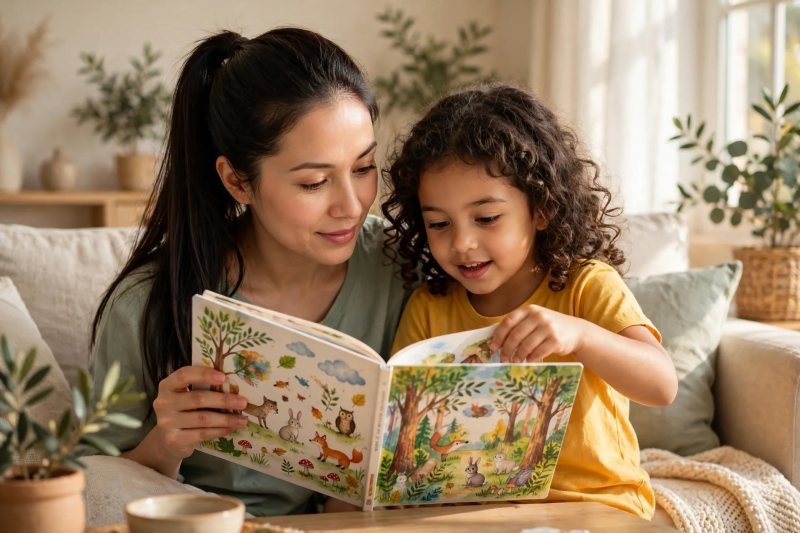
Read aloud every single day. Ten minutes of you reading a beloved picture book while your child turns pages, predicts what happens next and joins in on repeated lines. You're modelling fluent reading and feeding vocabulary far beyond what they can decode alone.
-
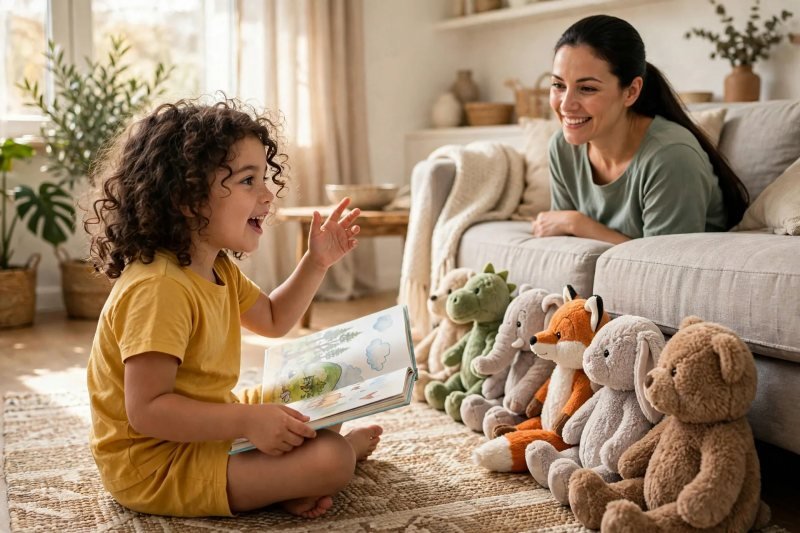
Let your child be the storyteller. Hand them a familiar book and ask them to "read" it to you, a sibling or a stuffed animal. They'll retell from pictures and memory — exactly the point. Storytelling builds narrative sense and confidence, and teaches that books belong to them too.
-
Build the daily 15-minute habit. Anchor reading to something that already happens: after teeth-brushing, before bed, right after breakfast. Two minutes of a sound game, five of sounds or blending, three of word reading, five of read-aloud — or on chaotic days, just the story. The routine matters more than any single session.
-
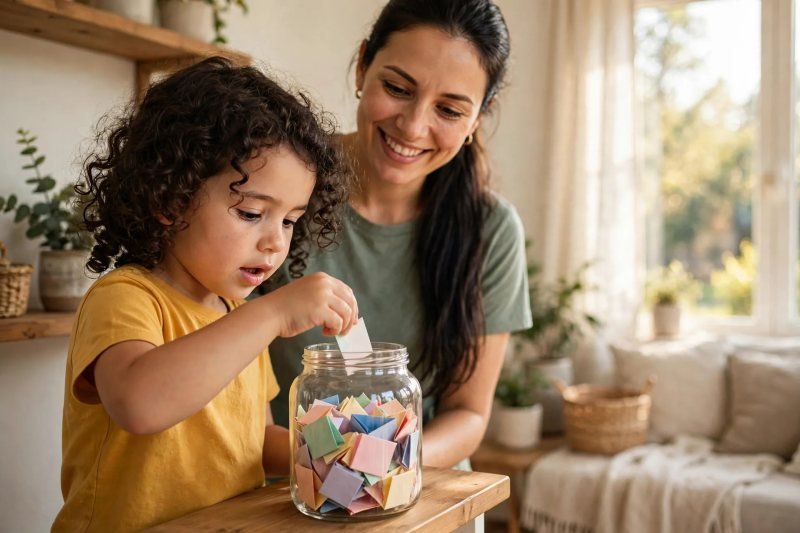
Keep a word jar and celebrate. Every conquered word, written on a slip, goes into a jar on the shelf. Once a week, tip it out and read them all together, marvelling at how many there are. Visible progress is rocket fuel for a young reader, and the jar costs nothing.


Make it easier
Linger in the sound-games stage; there is no deadline. Work with just two letter sounds until they're rock solid. Trace letters in the air with big arm movements instead of writing. Read the blending words yourself; let your child only do "the fast part".
Make it harder
Move to consonant blends (st, bl, tr) once three-letter words feel easy. Read and write two-word phrases: "red mat", "big pig". Let your child write the words they can read, however wobbly. Ask prediction questions during read-alouds: "What happens next?"
Other ways to play it
- Sound scavenger hunt: hide letter cards around one room; read each sound found.
- Reading restaurant: your child "reads" the menu (pictures plus known words) and takes your order.
- Stuffed-animal school: your child teaches toys the letter of the day — teaching is the deepest learning.
- Story walk: retell a familiar book on the way to the park, taking turns per page.
How it changes by age
- Built for ages 5–6, the kindergarten window when phonemic awareness is ripe and curiosity about print runs high. Eager 4 year olds can enjoy the sound games and a few letter sounds; older 6 year olds already blending can jump to steps 5–10. The Bright Playday reading hub has more play-based reading ideas for this window. If your child consistently resists, pause letter work and return to pure sound play for a few weeks — pushing never speeds reading up.
What they're learning
Phonemic awareness: hearing rhymes, syllables and individual sounds in speech Phonics: linking letter shapes to the sounds they represent Blending: pushing sounds together to read words — the core decoding skill Print concepts: reading left to right, turning pages, print carries meaning Fluency foundations: rereading familiar words smoothly, not letter by letter Vocabulary and comprehension: through daily read-alouds and storytelling
Clearing up
Two minutes. Letter cards live in their envelope on the bookshelf, sight-word sticky notes stay on the fridge until collected, and the word jar sits on a shelf where your child can watch it grow. Paper-based throughout: nothing to wash, nothing to charge.
Questions parents ask
At what age should a child start learning to read?
What are the best first books for a beginning reader?
How long does it take a child to learn to read?
What if my child can say the sounds but can't blend them into words?
My child has memorized their favorite book — is that cheating?
My child mixes up b and d — should I be worried?
Screens get zero guilt here: audiobooks, story videos and read-along apps all count as time with stories and language, especially on days you're too tired to read aloud. What screens can't replace is the back-and-forth — giggling over rhymes, the high-five after a blended word — so keep the 15-minute together-time sacred even on busy days. You are not behind, your child is not behind, and there is no "right" month for reading to click. For more gentle learning plans, browse the /learn/ reading hub — new ones are added regularly.

save it for later
Pin this for the next rainy afternoon
Keep it on a board so it is there when you need it, rather than when you happened to find it.
Save to Pinterest


