


Numbers
Learn Numbers through play.
There are two separate things here and children learn them separately: what the squiggle "5" looks like, and what five things feel like. Plenty of children can recite to twenty long before they can hand you exactly four spoons.
These activities do both. Number hunts and matching games work on recognising the symbol; posting the right number of pegs into a labelled cup, or laying out that many stones, connects it to an amount you can point at.
Small numbers, done properly, beat big ones counted fast. Getting five right and reliable is worth more than a wobbly race to a hundred.
Activities
-

Number Tracing Worksheets 1–10: A Preschool Practice Guide
Number tracing worksheets 1–10 give preschoolers a playful path to writing their first numerals. Start at the top of every number, keep sessions short, and bring each sheet to life with rainbow writing, dot markers and counting games.
-
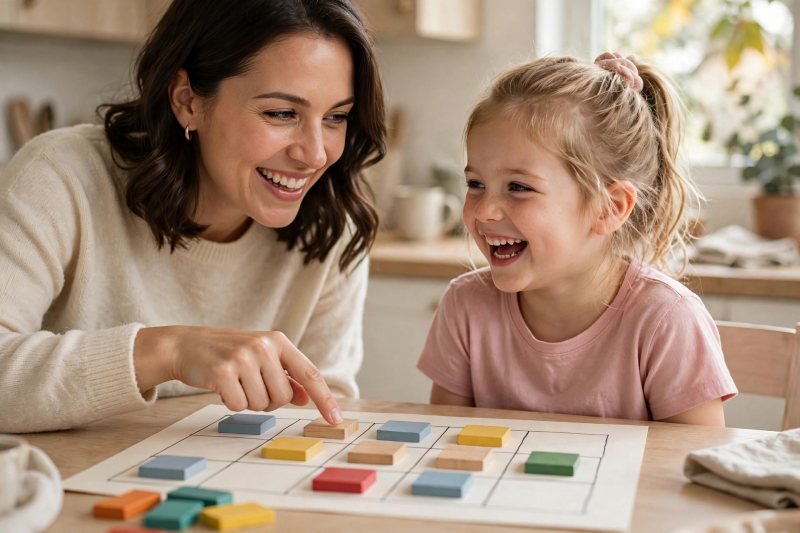
Ten Frame Activities: 12 Ways to Build Number Sense Fast
Twelve hands-on ten frame activities for ages 5–6 — roll-and-fill, flash cards, bingo, make-10 pairs and more.
-

Money Games for Kids: Play Shops, Coins and Counting
A handful of real coins and a play shop is all it takes. These money games for kids teach coin recognition, skip counting, and making change through hands-on play for ages 5–6.
-
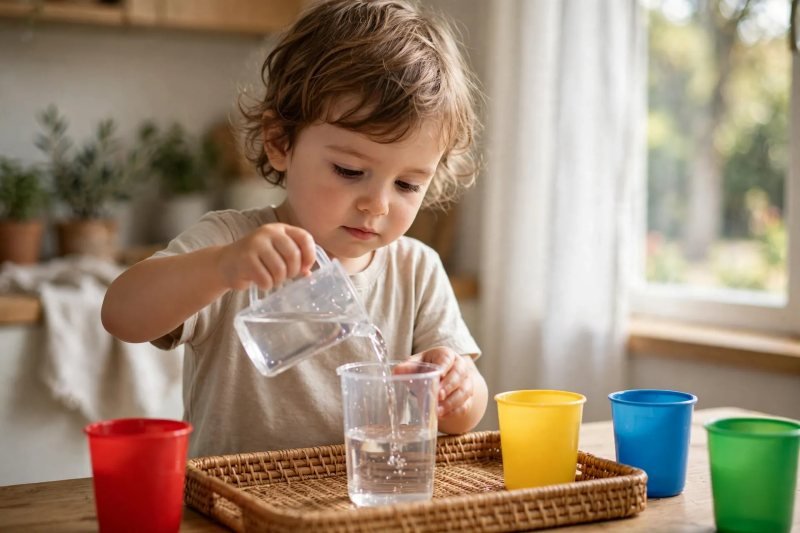
Measurement Activities for Preschoolers: Length, Weight and Capacity
Ten hands-on measurement activities for preschoolers: compare length with hand spans and block trains, explore weight with balance scales and hefting games, and play with capacity through pouring, cup-counting, and bath-time fun. No rulers needed — just everyday objects.
-

Subtraction Activities for Kindergarten: Taking Away Made Visual
Ten hands-on subtraction activities for kindergarten that make "taking away" visual: snack math, ten-frame take-away, backward number-line hops, bowling knock-down and toy story problems — all within 10, no worksheets.
-
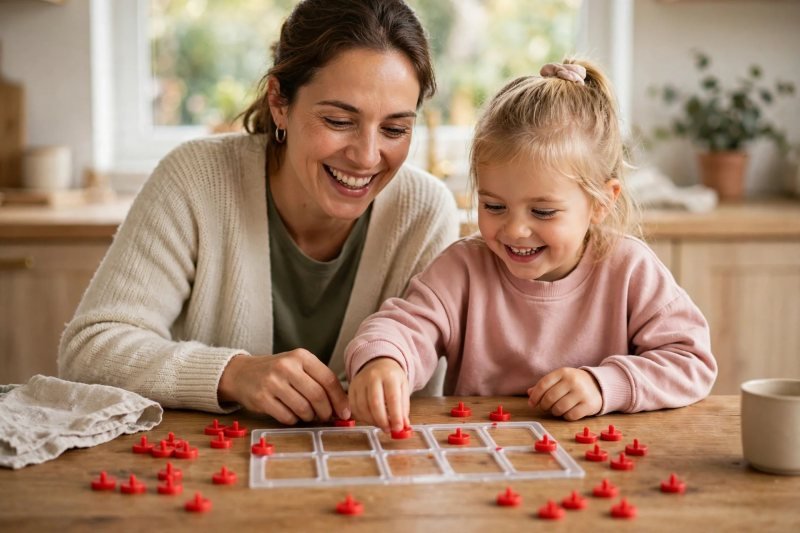
Number Bonds to 10 Activities: The UK Parent's Guide
Ten hands-on activities to help your 5–6-year-old master number bonds to 10 — pairs like 3 + 7. No worksheets, just games you play together.
-
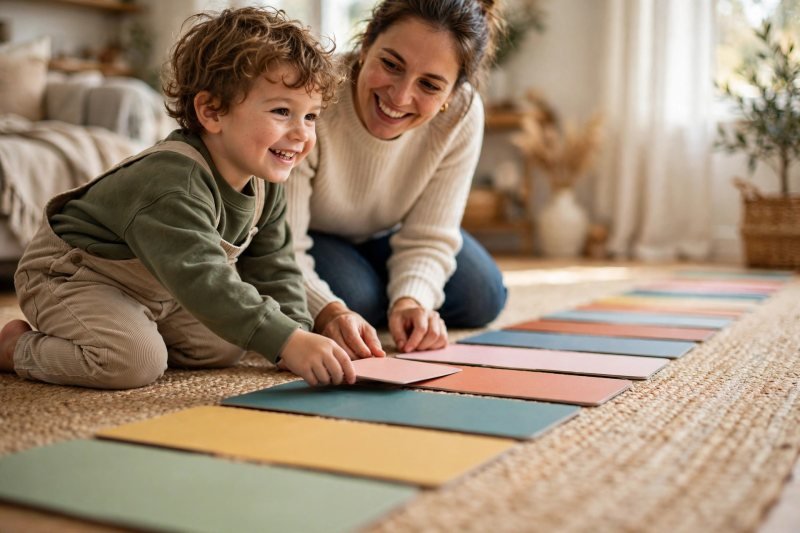
Number Order Activities: Before, After and What's Missing for Ages 4–5
Ten number order activities for ages 4–5 that teach what comes before, what comes after, and what's missing. Card games, number-line walks and snack math — no worksheets, no drilling.
-
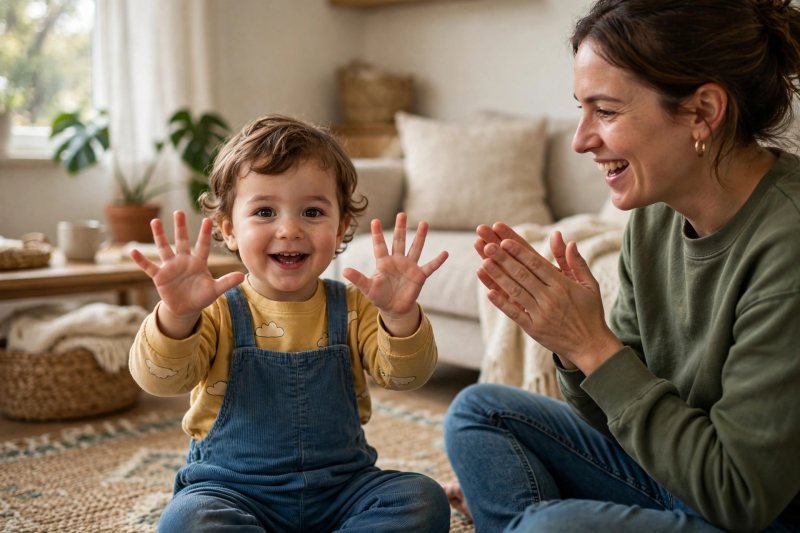
Counting to 10 Activities: Your Toddler's First Big Math Milestone
Counting to 10 activities for toddlers, built as a 10-step plan toward your child's first big math milestone. Take your 2-year-old from hearing numbers to counting ten real objects on their own — with signs of readiness, no worksheets, and zero pressure.
-
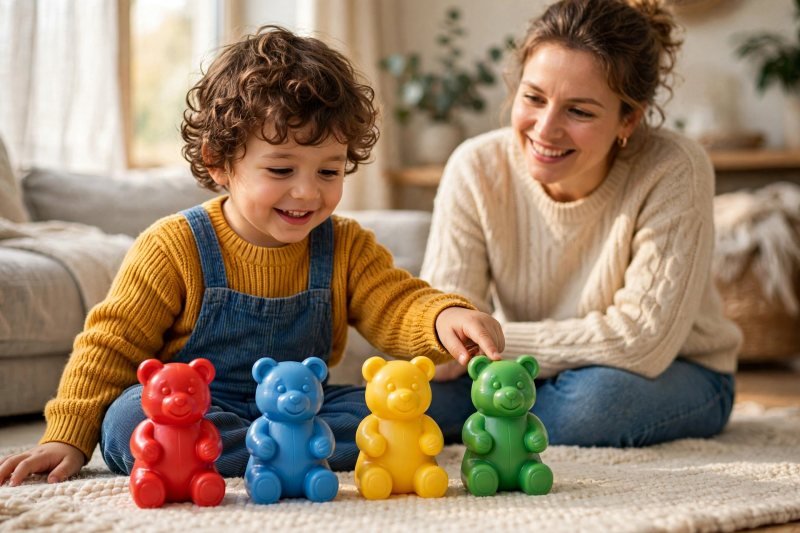
Counting Games for Preschoolers That Build Real Number Sense
Ten counting games for preschoolers that build real number sense — not just reciting numbers. Roll-and-count bears, sock toss, color number hunts, and kitchen counting games for ages 3–4, all using things you already own.
-
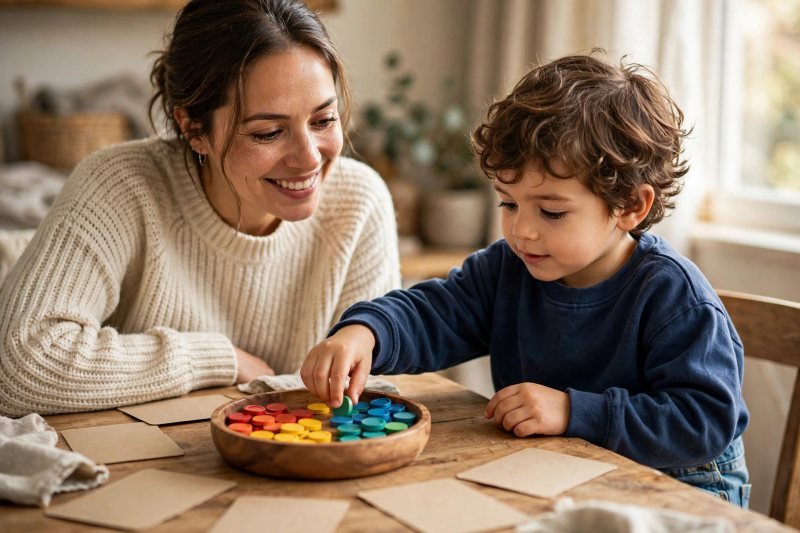
Addition Word Problems for Kindergarten: Picture Stories Within 10
Addition word problems for kindergarten, told as picture stories: your 5–6-year-old hears each story, acts it out with counters, draws it, and solves it. Ten ready-to-tell stories, every sum 10 or less.
-

Counting to 20 Activities for Preschoolers: Hands-On Ideas That Work
Ten hands-on counting to 20 activities for preschoolers ages 4–5 that finally crack the tricky teen numbers (13–19). Real objects, movement and play — no worksheets, no flashcards, no pressure.
-
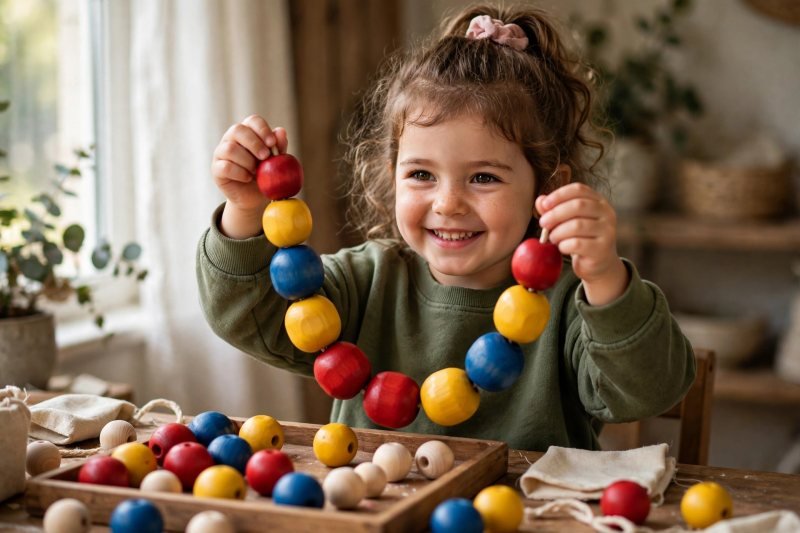
Bead Pattern Activities: String, Copy and Create Sequences
Bead pattern activities for ages 3–4: copy pattern cards onto a shoelace, continue a started necklace, invent your own bead sequences, and sort beads by pattern — all with big, safe wooden beads and an adult at the table.
-

Counting Coins Activities: Pennies, Nickels, Dimes and Quarters
These counting coins activities turn spare change into real math practice. Kids 6–8 count pennies by ones, skip-count nickels and dimes, add mixed coins, and pay exact amounts — ten hands-on activities building real money sense.
-

Coin Recognition Activities: Meet the Penny, Nickel, Dime and Quarter
Before kids can count money, they must know the coins. These coin recognition activities teach ages 4–5 to spot the penny, nickel, dime, and quarter by sight and touch — sorting games, a size lineup, and a feel-in-the-bag challenge.
-

Analogue vs Digital Clocks: Help Kids Read Both
A 25-minute bridge lesson for ages 6–8: read both analogue and digital clocks — the colon rule, the five-minute table, and translating 3:30 both ways.
-
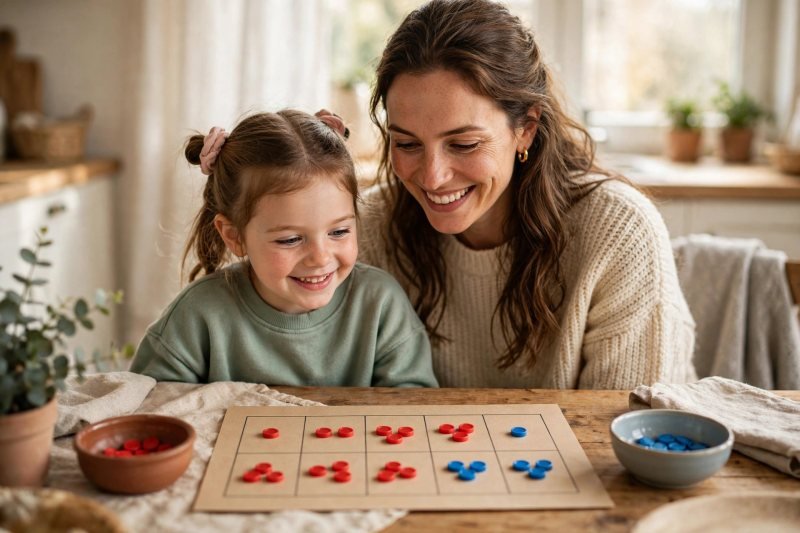
Addition With Ten Frames: A Visual Way to Add Within 10
Teach addition with ten frames step by step: build the first number, add the second in a new color, and read the answer.
-
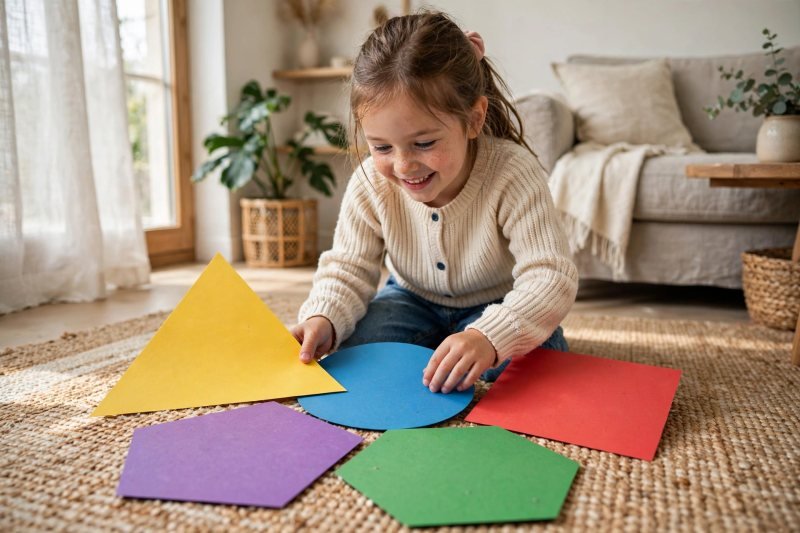
2D Shapes Activities: Names, Sides and Corners
These 2D shapes activities help kids ages 5–6 name shapes like pentagons and hexagons — and count every side and corner to prove it. Ten hands-on ideas, zero worksheets, all the geometry vocabulary a kindergartener needs.
-

Counting Activities for Toddlers: 25 Easy Ways to Start at Home
Twenty-five easy counting activities for toddlers that turn everyday moments into number play. Count stairs, snacks, splashes and socks — no worksheets, no flashcards, no pressure. Just simple, joyful ways to build early maths skills at home from age 2. Start counting today: twenty-five simple, no-prep counting activities for ages 2–3 — woven into meals, baths, walks and playtime.
-
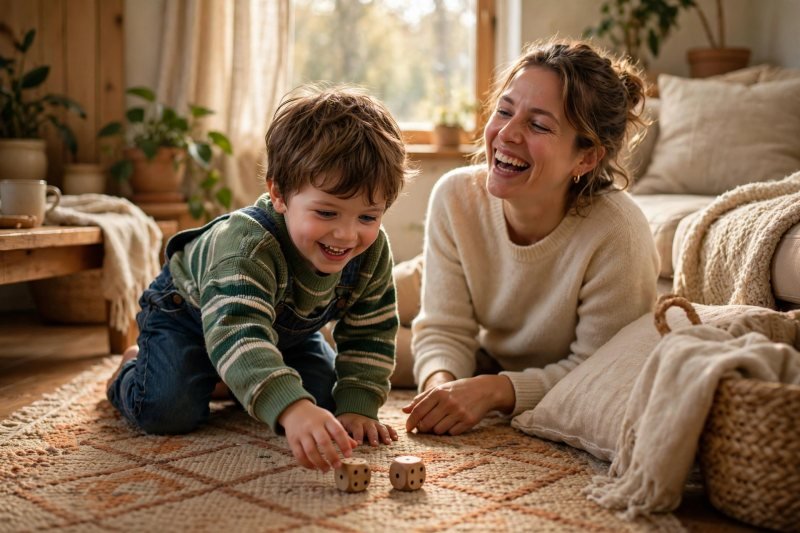
Addition Games for Kindergarten: 15 Hands-On Ways to Add to 10
Fifteen hands-on addition games for kindergarten that turn adding to 10 into play. Dice games, snack maths, hopping games and card battles — minutes to set up with things you own, building real number sense, not memorised answers. Play your way to adding to 10: fifteen simple, giggle-filled addition games for 5- and 6-year-olds — no worksheets, no pressure, just real number sense.
-
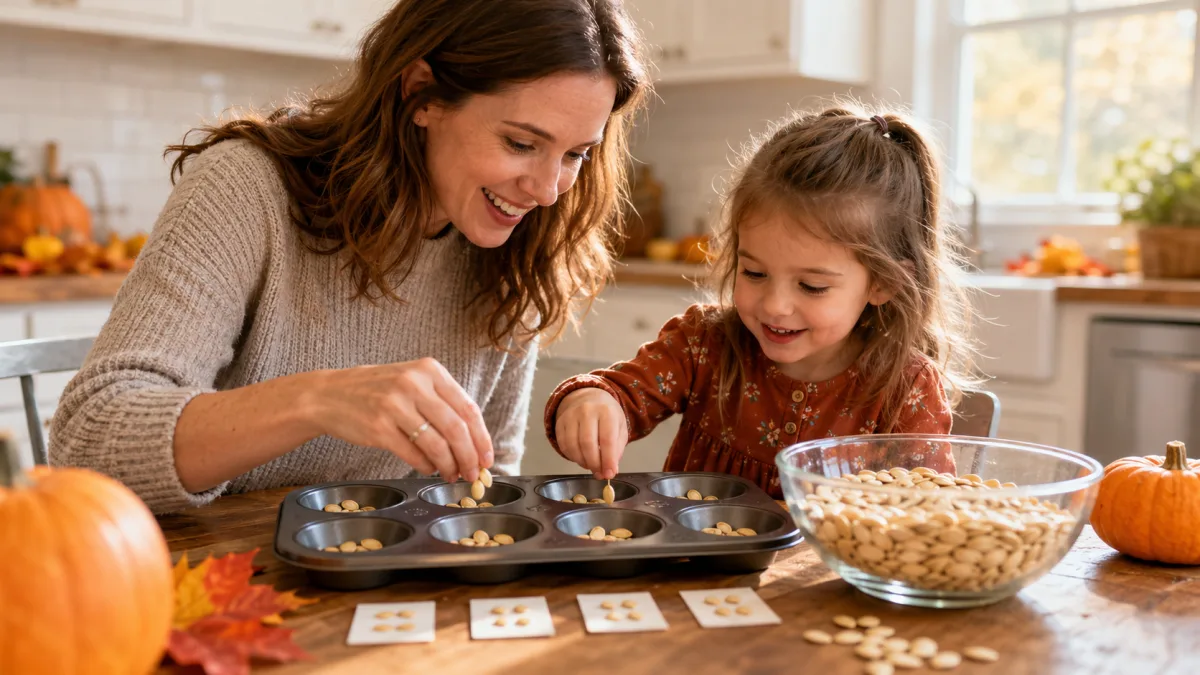
Count the Pumpkin Seeds
Wash and dry the seeds from your pumpkin, then turn them into a counting game that lasts all week.
-
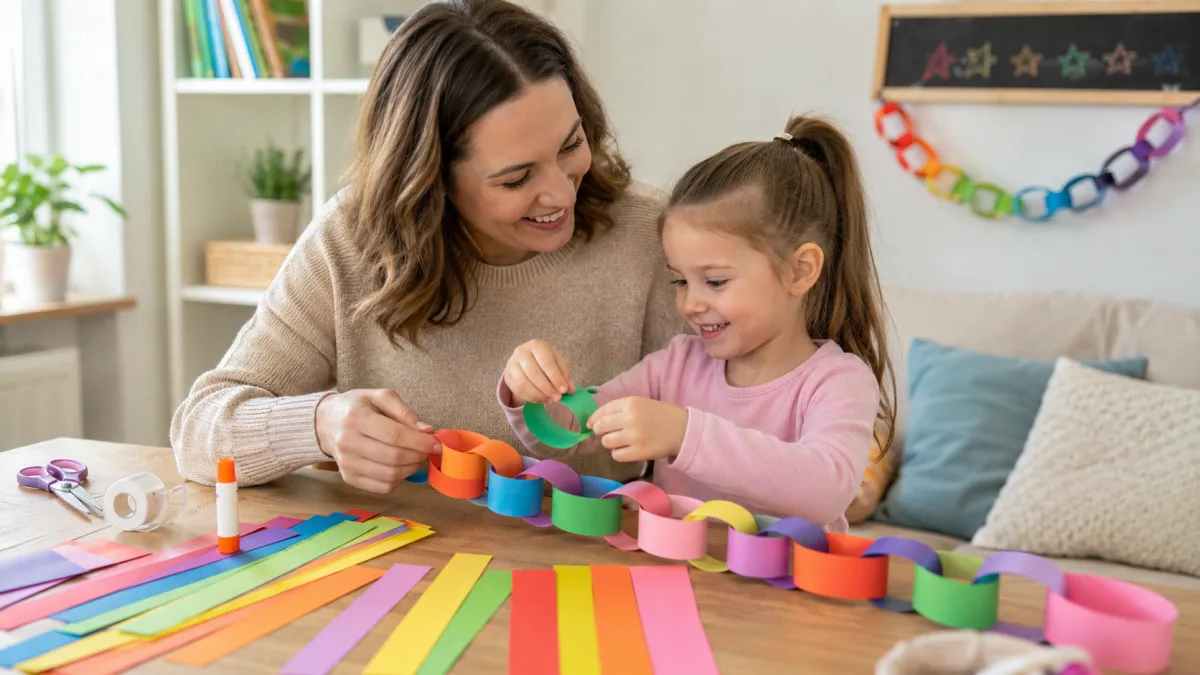
A Countdown Chain
One paper loop per day, torn off each morning. It makes waiting visible, which is what small children need.
-
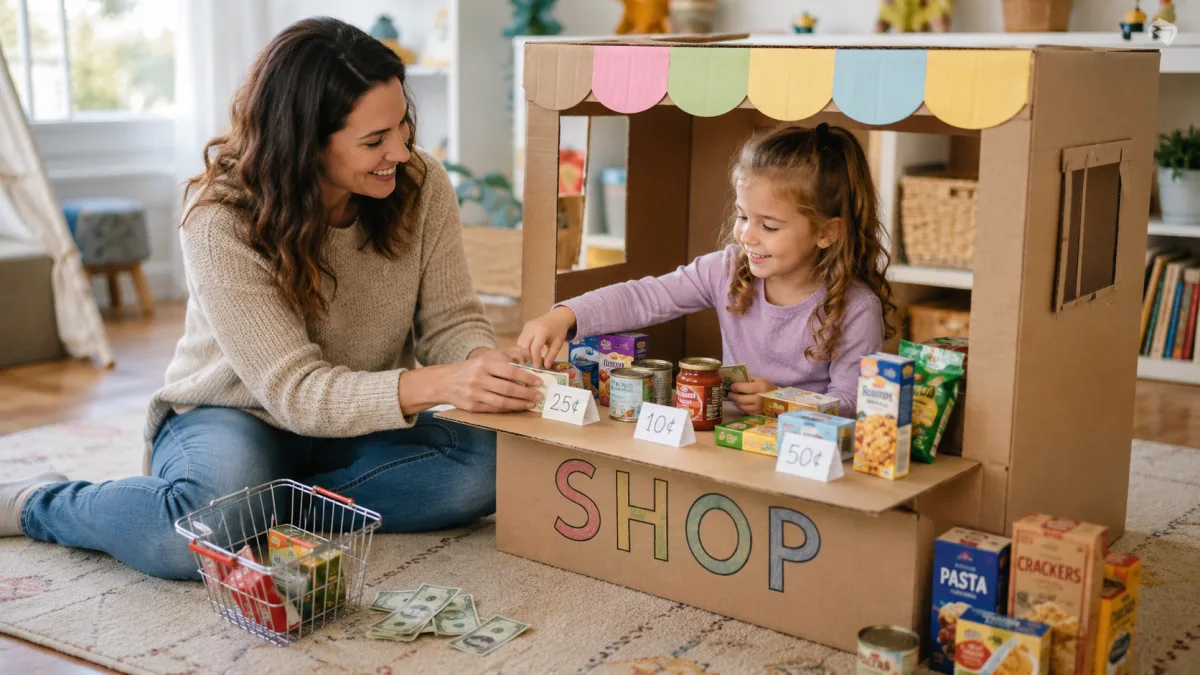
Turning a Box Into a Shop
A delivery box, a marker and whatever is in the cupboard. Then step back, because the play runs itself.
-

Counting the Stairs (and Everything Else)
Not really an activity — a habit. Counting things out loud all day does more for early maths than any worksheet.


