


Learn Through Play
Letters, numbers, shapes and early science — through play, not worksheets. The learning is real; it just does not look like school.
Activities
-
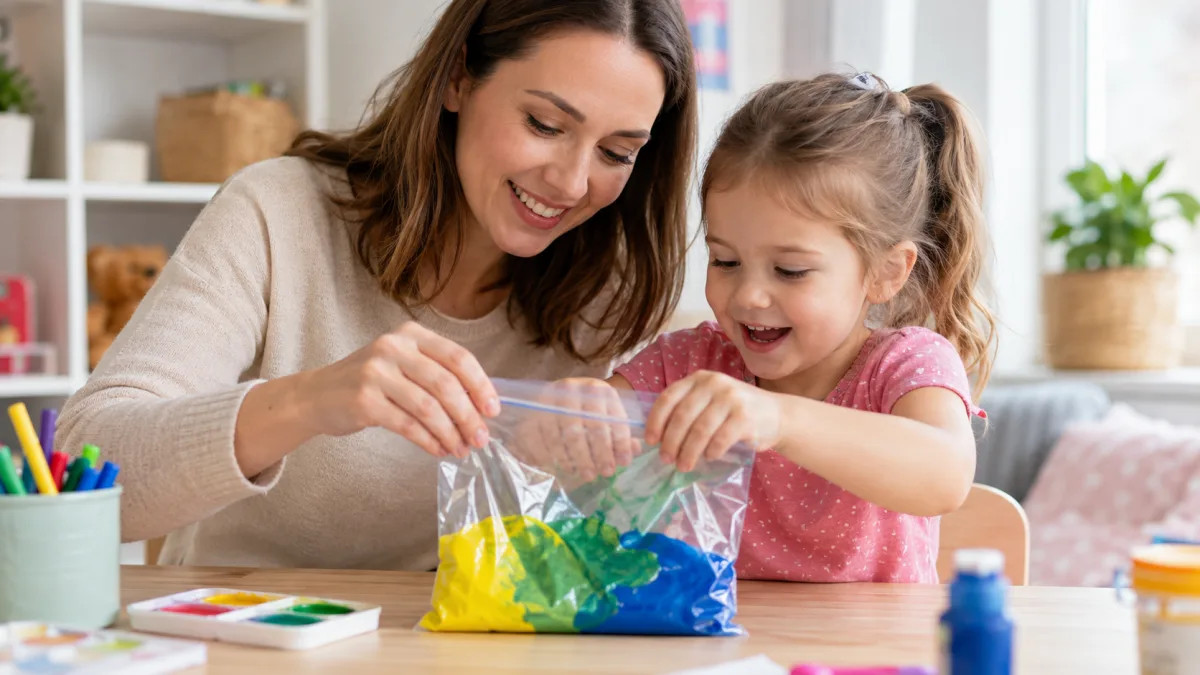
Mixing Colours Without the Mess
Two blobs of paint sealed in a freezer bag. They squash it, the colour changes, and nothing gets on anything.
-
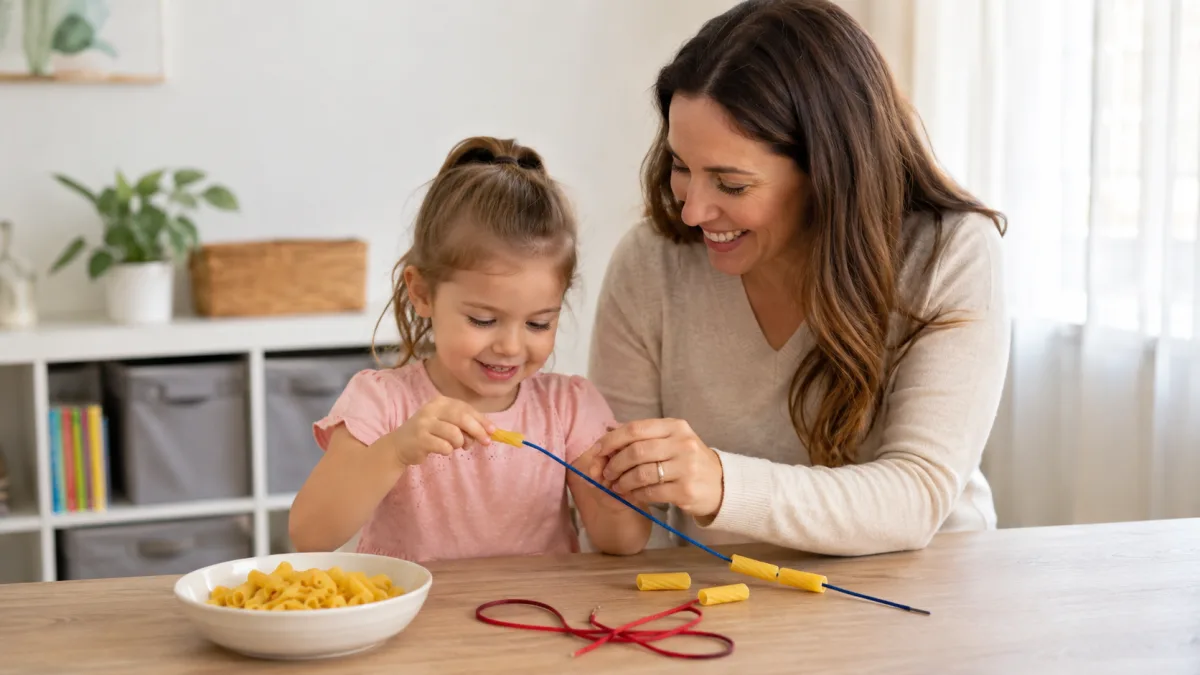
Threading Pasta Necklaces
Dry pasta tubes and a shoelace. Quiet, absorbing, and one of the best things you can do for a small hand.
-
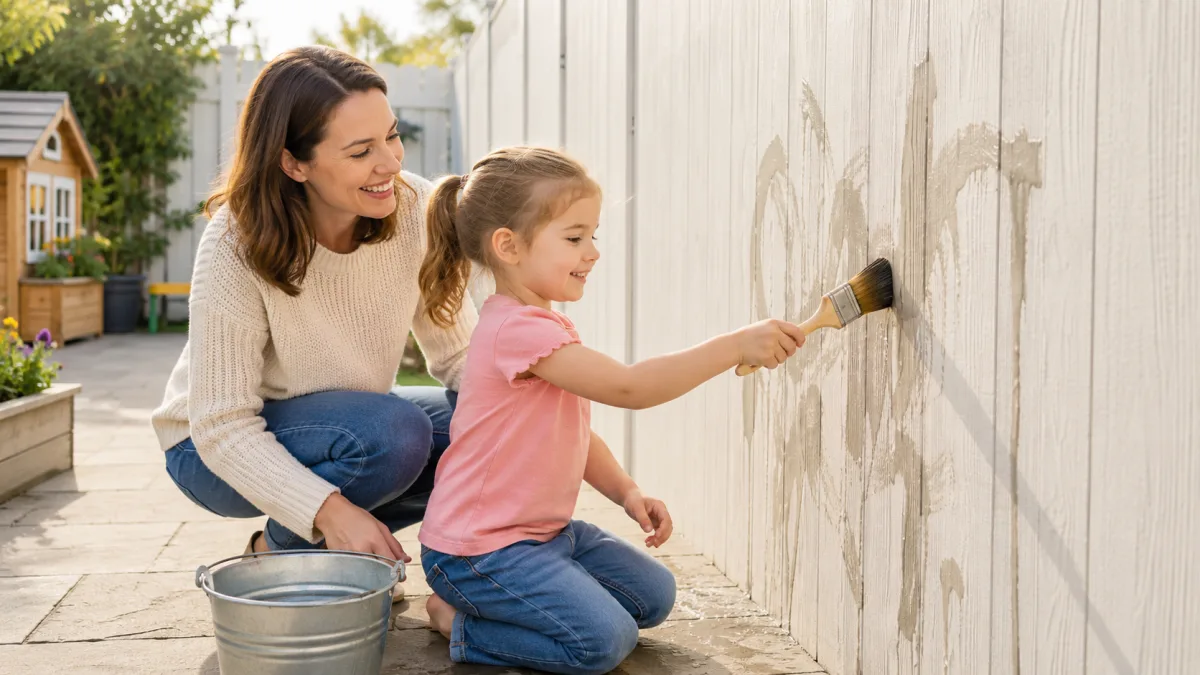
Painting With Water
A bucket of water and a big brush. They paint the wall, the fence and the path, it dries, and they do it again. No mess at all.
-
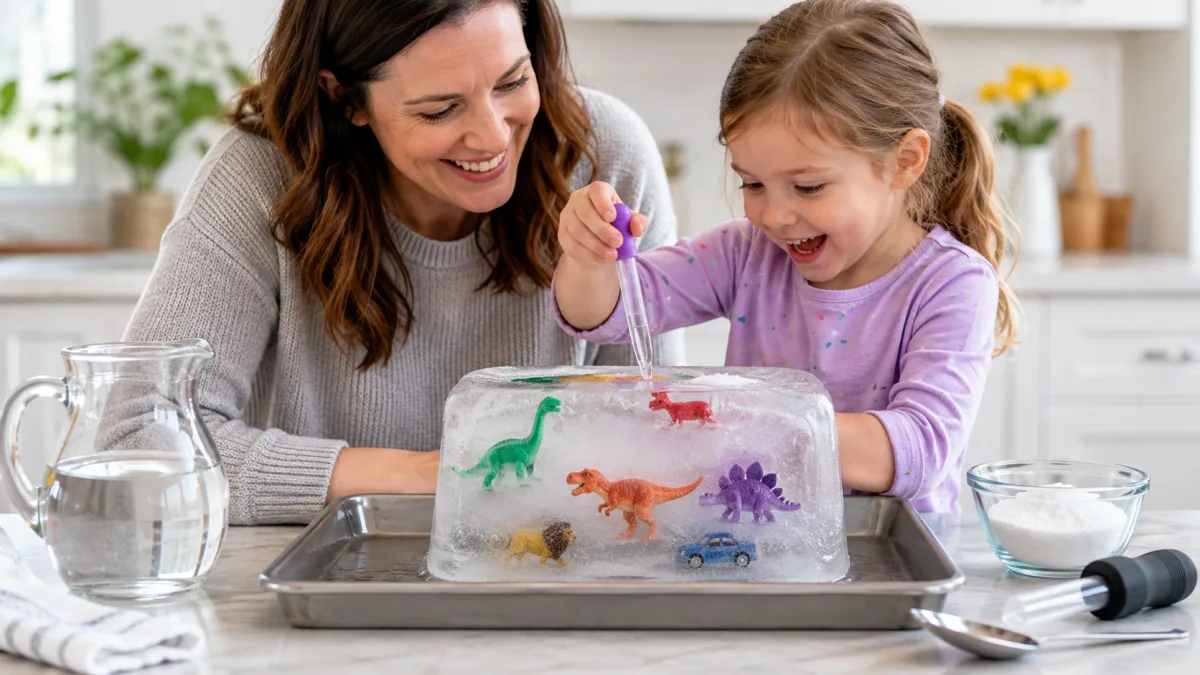
Rescue the Frozen Toys
Freeze small toys in a tub of water overnight, then hand over warm water, salt and a spoon. It buys a genuinely quiet hour.
-
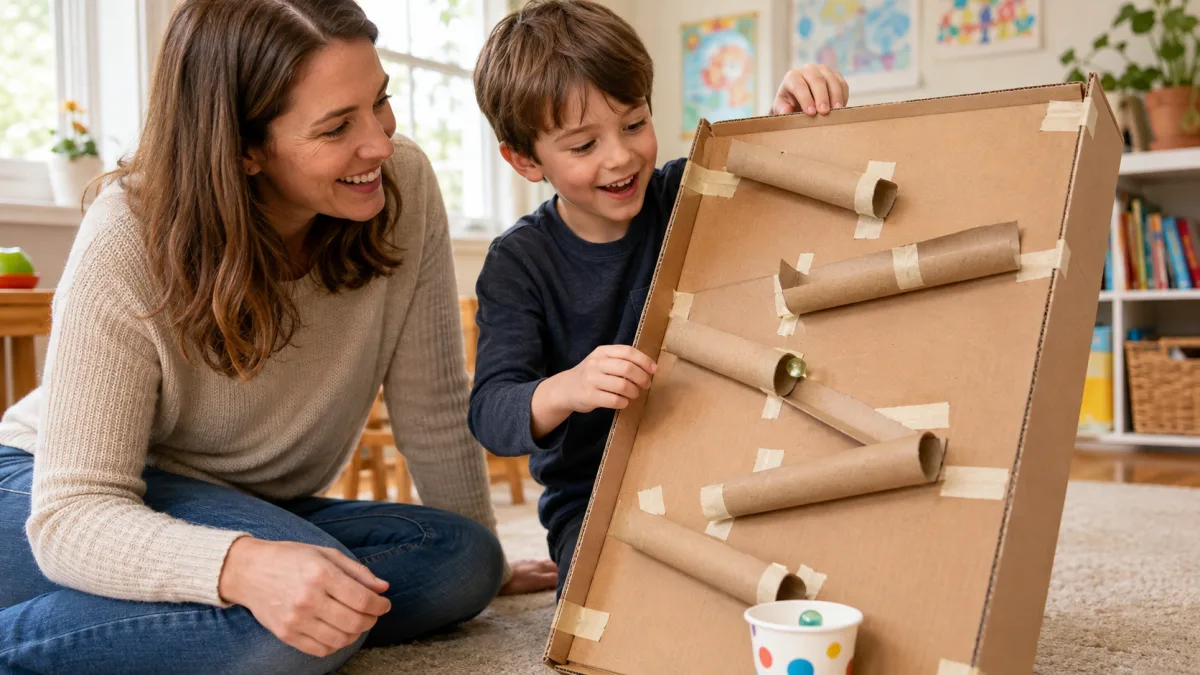
Cardboard Box Marble Run
Cut a delivery box into ramps and tape them inside the lid. It never works first time, and that is the entire point of it.
-
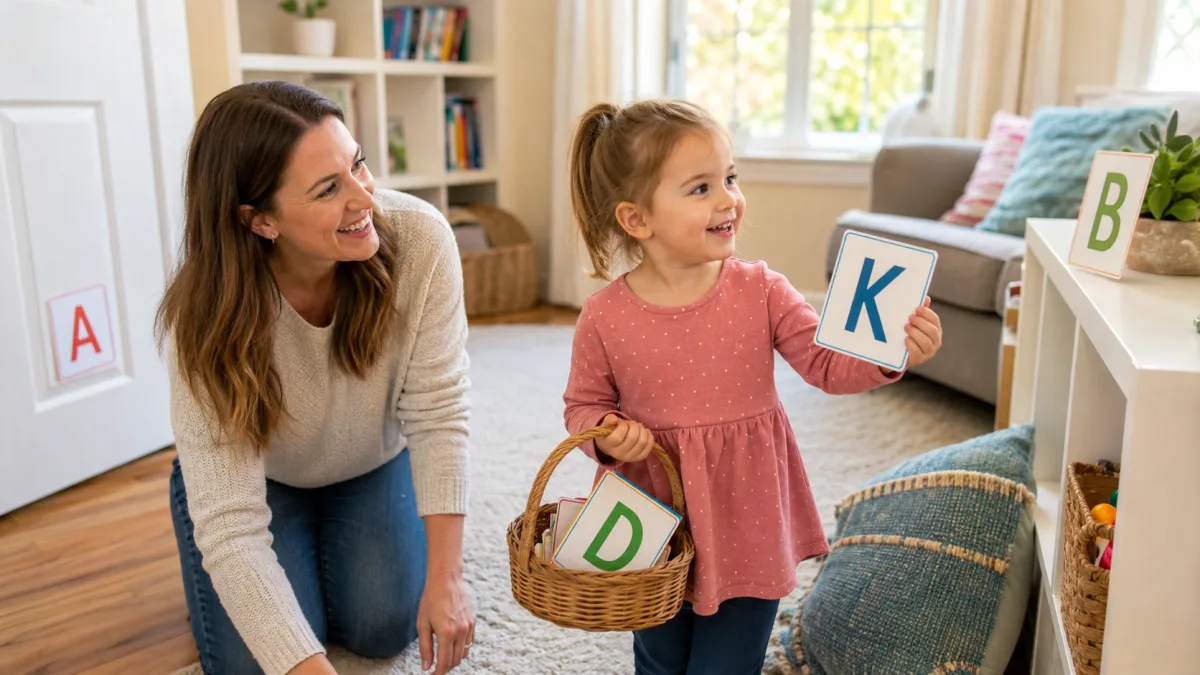
Alphabet Hunt Around the House
Hide letters around one room and send your child to find them. No preparation beyond writing on some paper, and it teaches letter recognition better than a worksheet.
Browse learn through play
Young children learn by doing things with their hands and talking about them out loud. An alphabet hunt around the living room teaches letter recognition more durably than a page of tracing, because the child is moving, choosing and explaining while they do it.
So the activities in this section have a learning goal, and each one says plainly what it is practising — letter sounds, counting one-to-one, sorting by a rule, noticing what changed. That way you can pick what your child is interested in rather than what a curriculum says comes next.
What you'll find here
-
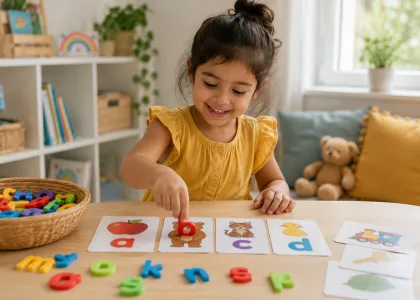
Letters and sounds
Recognising letters, hearing the sound at the start of a word, and eventually putting them together. Games and hunts rather than drills.
-
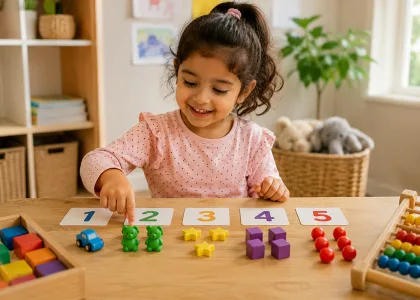
Numbers and counting
Counting things that are really there, matching a number to an amount, and spotting patterns — the groundwork that makes later maths make sense.
-
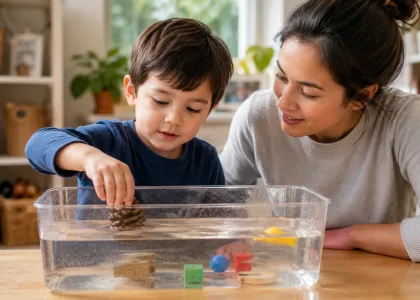
Science and noticing
Will it sink? What happens if we add more? Simple experiments with a question at the start and a conversation at the end.
None of this is a substitute for what your child does at nursery or school, and none of it is developmental advice. It is play that happens to teach something.