


Alphabet & Letters
Learn Alphabet & Letters through play.
Most children meet letters long before they can read: the first letter of their name, the M on a familiar sign, the shapes on a fridge magnet. These activities build on that rather than starting from A.
Nearly all of them involve moving — hunting letters hidden round a room, fishing magnetic letters out of water, stamping them into dough, building them from sticks. A letter a child crawled under a table to find is a letter they remember, and it takes far less persuading than a worksheet.
Two things are worth knowing. Start with the letters in your child's name, because they already care about those. And say the sound the letter makes rather than its name — "sss" rather than "ess" — because the sound is what will eventually help them read the word snake.
Activities
-

First Words to Teach Your Toddler to Recognize: Start With These 10
Ten first words to help your toddler notice print — their name, Mom, Dad, ball, dog, and more — plus labels for your home and quick games that make words feel like play.
-

Fingerplays for Toddlers: 12 Rhymes With Hand Motions That Teach Sounds
Twelve classic fingerplays for toddlers with every hand motion described. Each rhyme builds syllables, rhyming, and word-stress skills for ages 2–3.
-

Phonemic Awareness Activities for Toddlers: 10 No-Prep Sound Games
Ten no-prep phonemic awareness activities for toddlers — clapping games, listening walks and rhyme play that build the sound skills reading grows from.
-
Reading Readiness in Toddlers: 12 Signs Your 2-Year-Old Is Ready for Words
Twelve reading readiness signs your 2-year-old may show — and exactly what to do for each one. No pressure, no deadlines: just warm invitations to play with words.
-

Uppercase Letter Tracing Worksheets A–Z: Teaching Order, Formation Tips and Reuse Games
Uppercase letter tracing worksheets A–Z for ages 4–5 — a pack organized by teaching order (name letters first, then straight-line, curved, and tricky letters), with per-letter formation tips, troubleshooting for reversals and heavy pressure, and 10 playful games that reuse every page.
-

How to Teach Rhyming to Preschoolers: A Simple 4-Step Method
Rhyming is one of the first building blocks of reading, and most preschoolers learn it through play, not lessons. This 4-step method goes from hearing rhymes to making your own — with 10–15 minute games you can play anywhere.
-
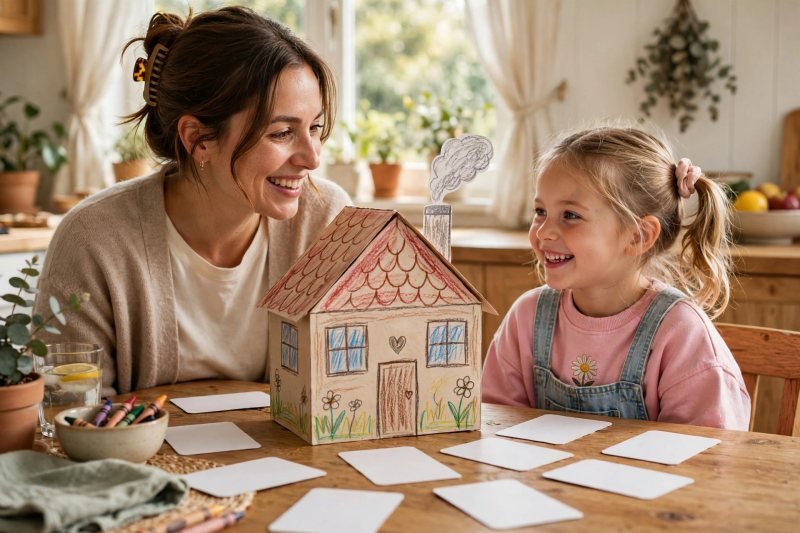
Word Families for Kindergarten: at, an, ap and More
Nine kid-friendly word family lists (-at, -an, -ap and more) plus a 10-step, parent-led session with hands-on games: onset-rime sliders, word family houses, flip books and word fishing.
-

Digraphs for Kids: sh, ch, th, wh Explained With Activities
What are digraphs for kids? Two letters teaming up to make one sound — sh, ch, th and wh explained in plain English, with a complete 10-step play session that turns tricky spelling patterns into games your 5- or 6-year-old will actually enjoy.
-
How to Prepare Your Child for Kindergarten This Summer: An 8-Week Plan
A week-by-week summer plan for how to prepare your child for kindergarten: gentle 10–15-minute daily activities covering letters, numbers, fine motor skills, independence, and confidence.
-

Free Homeschool Preschool Curriculum: A Complete 36-Week Plan
A complete free homeschool preschool curriculum: a real 36-week plan for ages 3–4 with a weekly rhythm, nine monthly themes, letter and number sequences, and a free-materials list — no purchases required.
-

How to Teach Letter Sounds to Preschoolers in 5 Minutes a Day
A five-minute daily routine for how to teach letter sounds to preschoolers: a teaching order to introduce sounds (not A to Z), one sound a day with multisensory play, quick reviews, and gentle fixes for b/d mix-ups. Ages 3–4.
-
Kindergarten Sight Words List: All 52 Dolch Words (+ Practice Plan)
The complete 52-word Dolch kindergarten sight words list, grouped into six small practice sets, with a four-week practice plan and screen-free games. Ten minutes a day, no worksheets, no drilling — just playful repetition that makes every word stick.
-
Jolly Phonics Sounds in Order: A Parent's Guide With Actions (UK)
The complete jolly phonics sounds in order for UK parents — all 7 groups of 42 letter sounds, why this clever order helps children blend words sooner, and easy at-home games with simple actions for ages 4–5.
-

Free Editable Name Tracing Worksheets (Type Any Name, Print Instantly)
Free editable name tracing worksheets — type any name and print instantly. Personalized name-writing practice for preschoolers ages 4–5, made easy.
-

How to Teach Your Child to Read at Home: The Complete Kindergarten Plan
A calm, step-by-step kindergarten reading plan for ages 5–6: phonemic awareness, letter sounds, blending and first books — in 15–20 gentle minutes a day.
-

CVC Words for Kids: The First Words Your Child Can Sound Out
CVC words for kids are the first words children can truly sound out — like cat, bed, and sun. This guide gives parents the stretch-and-blend routine, first words by vowel, and six playful games.
-
'CH' Words: 40 Digraph Words (Chip, Lunch, Watch)
40 ch words your 6- to 8-year-old can hear, spot, read, and sort by position — chip, lunch, watch — in a 10-step session with munch-and-crunch games and a tricky-ch detective round.
-

'At' Family Words: 20 Words That Rhyme With Cat (+ Free Word List)
20 -at family words — cat, hat, mat, sat, bat, rat, pat, flat, chat, that — one reading chunk, slider games, a word ladder, and a free printable word list.
-
'An' Family Words: 18 Words (Can, Fan, Man) for New Readers
18 real an family words — can, fan, man, pan, ran, tan, van, ban and more — taught as one reading chunk with the can-fan swap game and silly sentences.
-

Alphabet Worksheets for Preschool: What Actually Works at Age 3–4
A practical, honest parent guide to alphabet worksheets for preschool: the worksheet styles that genuinely work at ages 3–4, the ones to skip for now, and how to run calm, happy five-minute sessions — no pressure, no guilt.
-
Letter of the Week Activities for Preschool: A Complete 10-Step System for 3–4-Year-Olds
A complete letter-of-the-week system for preschool at home: how to order your letters, a full sample week of sound games, hunts, sensory play, crafts, snacks, songs and review games, plus a reusable weekly template and progress tracker. Don't try to plan 26 weeks at once — learn one repeatable weekly rhythm and run it for every letter, all year.
-

Alphabet Recognition Activities for Preschool: 10 No-Worksheet Games for Ages 3–4
Ten no-worksheet alphabet recognition activities for preschool: one continuous movement-and-sensory game session — letter hunts, stomping, sensory bins, chalk play and a calm-down finish — for 3–4-year-olds. One continuous 10-game session that teaches letter recognition through movement and touch — no worksheets, no flashcards, no sitting still.
-

Letter Matching Games for Preschoolers You Can Make in Minutes
DIY letter matching games for preschoolers ages 3–4 — make card pairs, memory flip, clothespin clips and puzzle pieces in minutes, then play ten teaching rounds from first match to letter sounds. Ten teaching steps take you from blank cards to confident matching — card pairs, a memory flip, clothespin clips, puzzle pieces and a room-wide scavenger hunt.
-

Name Tracing Worksheets for Preschool: A Free Printable Approach for Ages 3–4
How to make and use name tracing worksheets for preschoolers (ages 3–4): build the sheets freehand, follow the finger to crayon to pencil progression, and add practice games that make name writing joyful. Your child's own name is the most motivating word they'll ever write — make simple name tracing worksheets at home and guide your preschooler finger-to-crayon-to-pencil.


