


Learn Through Play
Letters, numbers, shapes and early science — through play, not worksheets. The learning is real; it just does not look like school.
Activities
-
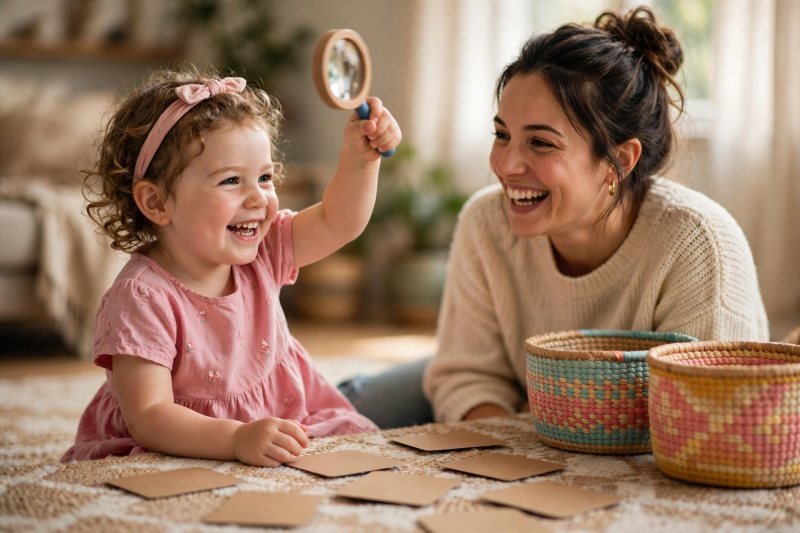
Rhyming Words for Preschoolers: 60 Simple Pairs With Pictures to Practice
60 rhyming words for preschoolers in 10 word families — bat–sat, cake–bake, sheep–sleep — plus rhyme-detective sorting and odd-one-out games for ages 3–4.
-
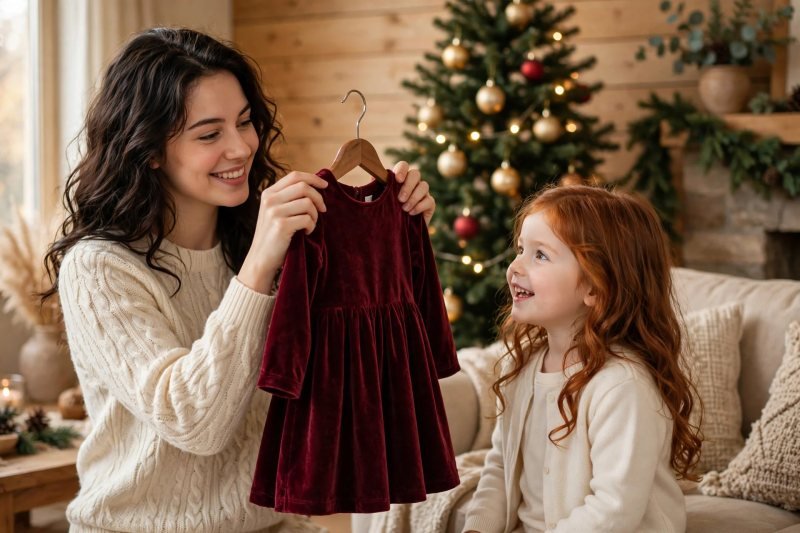
Kids Winter Photo Outfits: Holiday Card Looks That Photograph Well
Kids winter photo outfits photograph well when they coordinate instead of match: pick a palette of three colors, dress Mom first, lean on velvet, knits, and corduroy, skip logos, and test the whole look at home in daylight before photo day.
-

Row Row Row Your Boat Lyrics + Rowing Game for Toddlers
The complete row row row your boat lyrics and the classic lap rowing game for ages 2–3: step-by-step moves, 8 fun variations, skills it builds, and gentle safety tips.
-
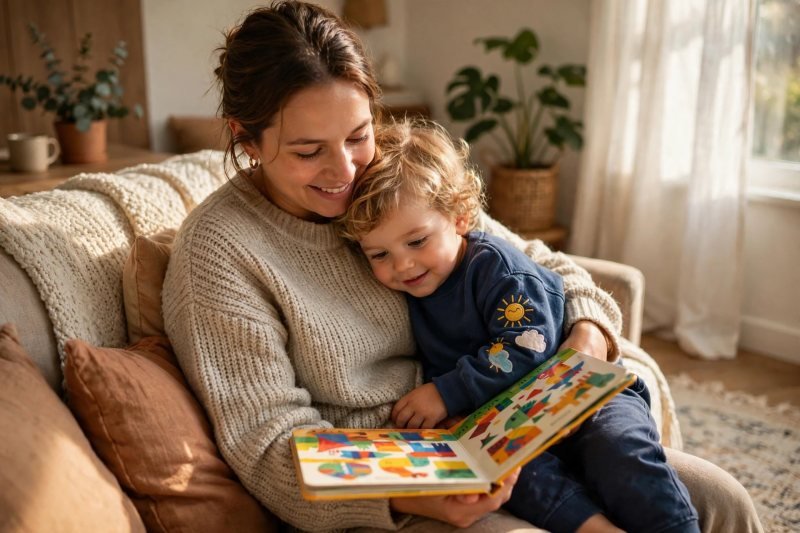
Reading Readiness in Toddlers: 12 Signs Your 2-Year-Old Is Ready for Words
Twelve reading readiness signs your 2-year-old may show — and exactly what to do for each one. No pressure, no deadlines: just warm invitations to play with words.
-
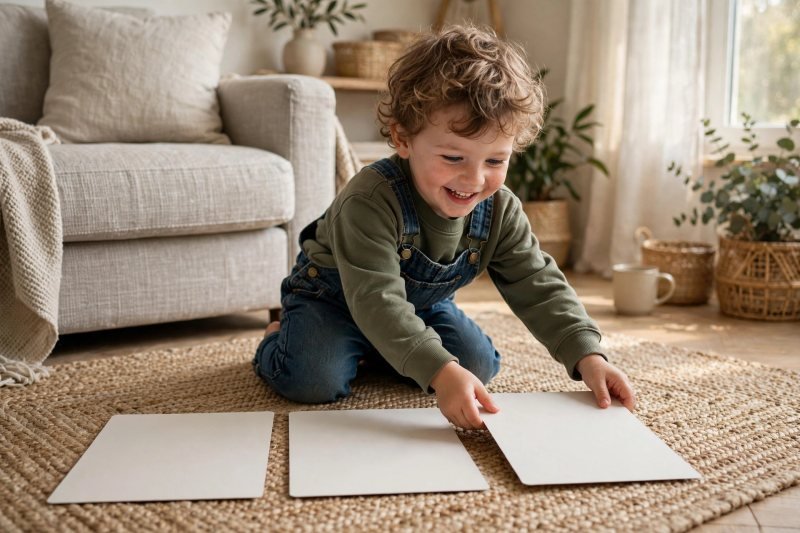
Sequencing Activities for Preschoolers: 15 First-Next-Last Games
15 simple first-next-last sequencing activities for preschoolers ages 3–4 — picture card stories, recipe steps, daily routine games, and order words your child can practice all day.
-
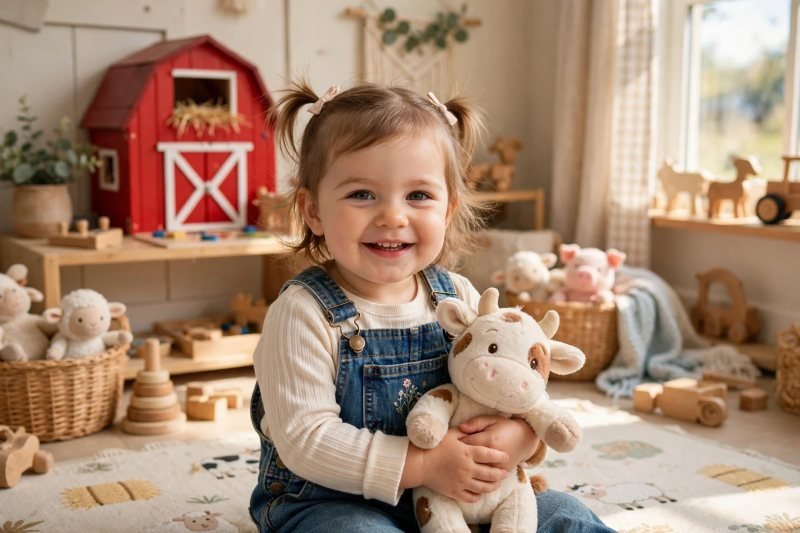
Old MacDonald Had a Farm Lyrics: Animal Sounds That Teach Rhyming
A parent's guide to the Old MacDonald had a farm lyrics for ages 2–3: each animal verse with its sound and a movement, how the E-I-E-I-O chorus builds rhythm and vowel sounds, and playful ways to extend the song.
-

Rhyming Words for Toddlers: 50 Easy Pairs to Say Together (Cat–Hat, Dog–Frog)
Fifty easy rhyming words for toddlers — cat–hat, dog–frog, moon–spoon — sorted into five playful groups, with simple say-sing-clap games that build listening skills and early reading readiness.
-
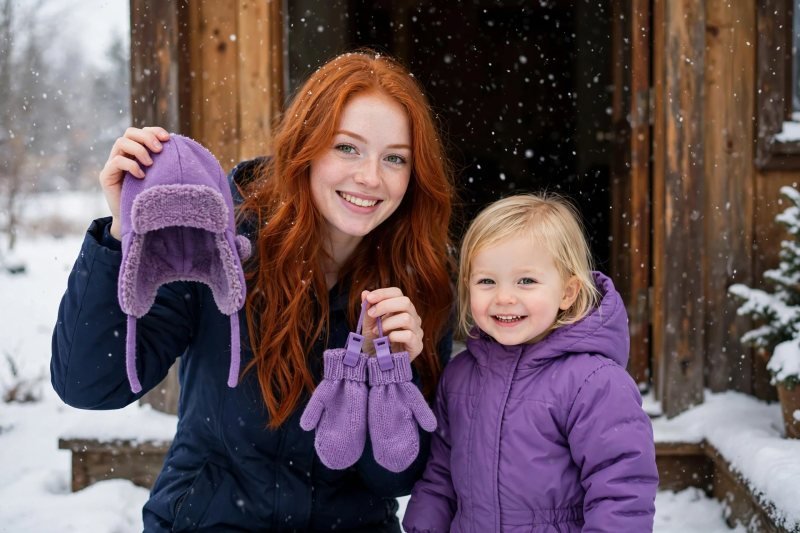
Toddler Winter Accessories: Hats, Gloves, and Scarves That Stay On
The toddler winter accessories that earn their keep are the ones that stay on: earflap hats with straps, mittens on clips instead of gloves, and a neck gaiter instead of a loose scarf. Choose by fit and fastening, dress in order, dry in one spot.
-

Best Body Wash for Toddlers: Gentle Picks for Sensitive Skin
Finding the best body wash for toddlers is really about criteria, not brands: fragrance-free, gentle cleansers, short ingredient lists — plus a lukewarm, short bath and moisturizer after. Here is how to choose and how to use it.
-
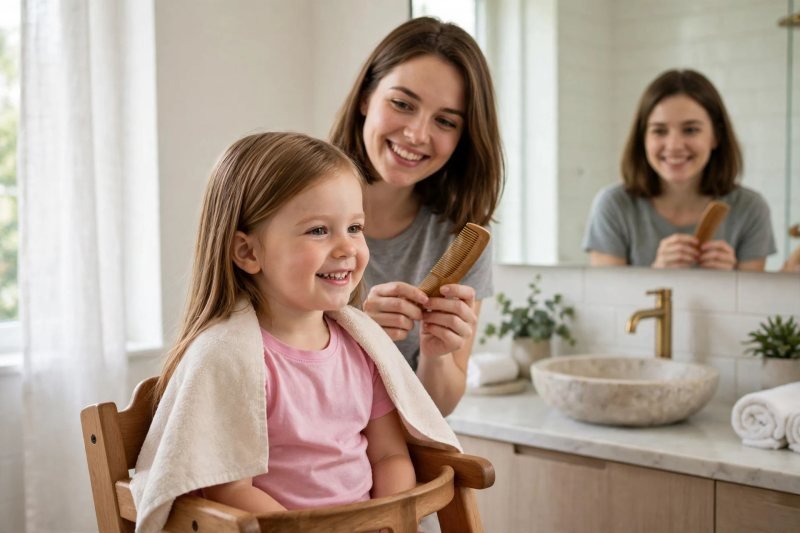
Trimming a Toddler Girl's Hair at Home: Bangs, Ends, and Layers
Learning to trim toddler girl hair at home saves the salon for big changes: damp ends, dry bangs, blunt-tip haircutting shears, quarter-inch snips — ends first, sides matched, bangs cut long, and layers kept soft and optional.
-
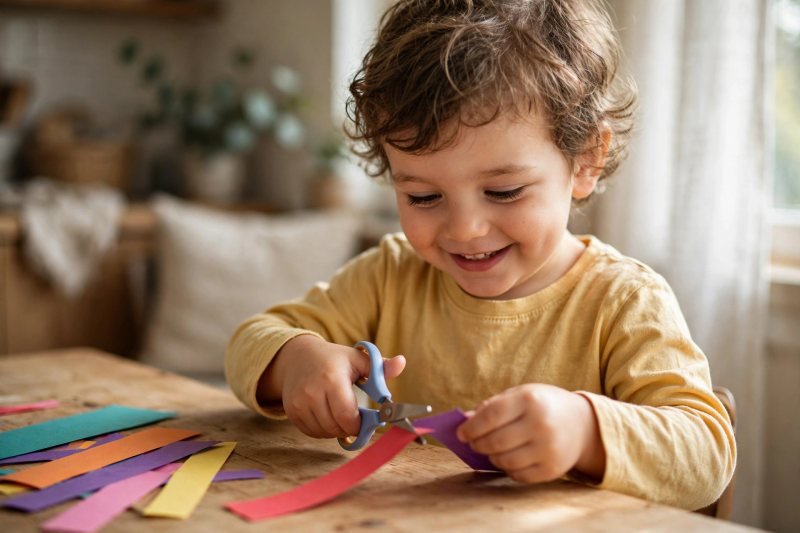
Scissor Skills Activities for Preschoolers: 20 Fun Cutting Ideas
These scissor skills activities for preschoolers follow the real cutting progression for ages 3–4: snipping playdough, fringing paper, then straight lines, curves and shapes. Includes the thumbs-up grip, left-handed tips, safety rules and 20 cutting ideas from supplies you already own.
-
Uppercase Letter Tracing Worksheets A–Z: Teaching Order, Formation Tips and Reuse Games
Uppercase letter tracing worksheets A–Z for ages 4–5 — a pack organized by teaching order (name letters first, then straight-line, curved, and tricky letters), with per-letter formation tips, troubleshooting for reversals and heavy pressure, and 10 playful games that reuse every page.
-
Number Tracing Worksheets 1–10: A Preschool Practice Guide
Number tracing worksheets 1–10 give preschoolers a playful path to writing their first numerals. Start at the top of every number, keep sessions short, and bring each sheet to life with rainbow writing, dot markers and counting games.
-
High Frequency Words for Reception: The First 45 Words (UK List)
A UK guide to high frequency words for Reception: the first 45 words in five sets of nine, with playful games for ages 4–5.
-
Phonics Screening Check Practice: Year 1 Word Lists (UK)
Calm, stress-free phonics screening check practice for Year 1 (ages 5–6): our own practice word lists of real words and invented alien words, plus a gentle 10-step home session and low-pressure games.
-
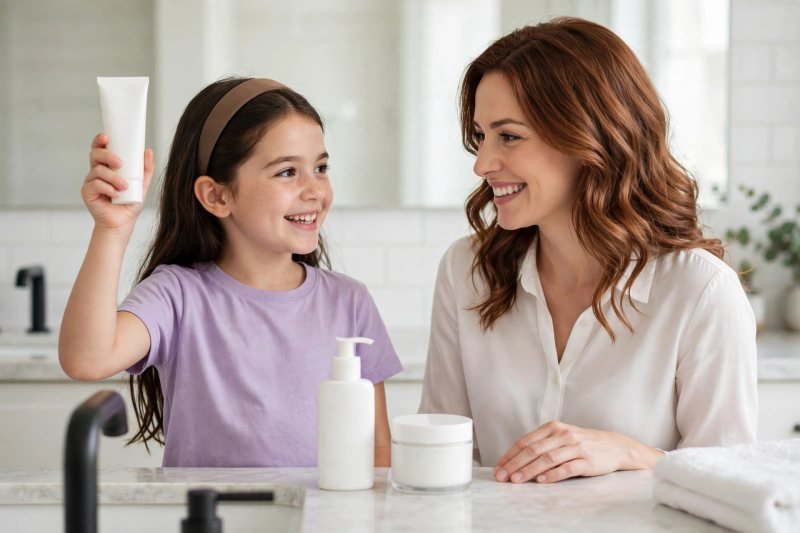
When Should Kids Start a Skincare Routine?
Most kids don't need a skincare routine until around age 6–8, and even then it stays simple: gentle cleanser, moisturizer, and sunscreen before outdoor play. Here's the age-by-age guide to starting — and the products to skip.
-
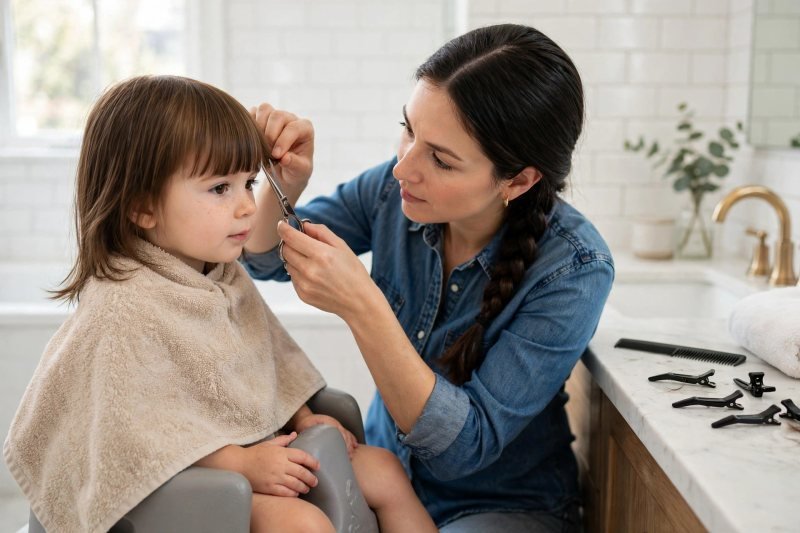
How to Trim Toddler Bangs at Home (Without the Crooked Fringe)
Learning to trim toddler bangs at home comes down to three rules: cut dry, cut long, and finish with point cuts that forgive wobbles. This step-by-step walks you from the right scissors and setup to the final daylight cross-check — a tidy fringe in about ten minutes.
-
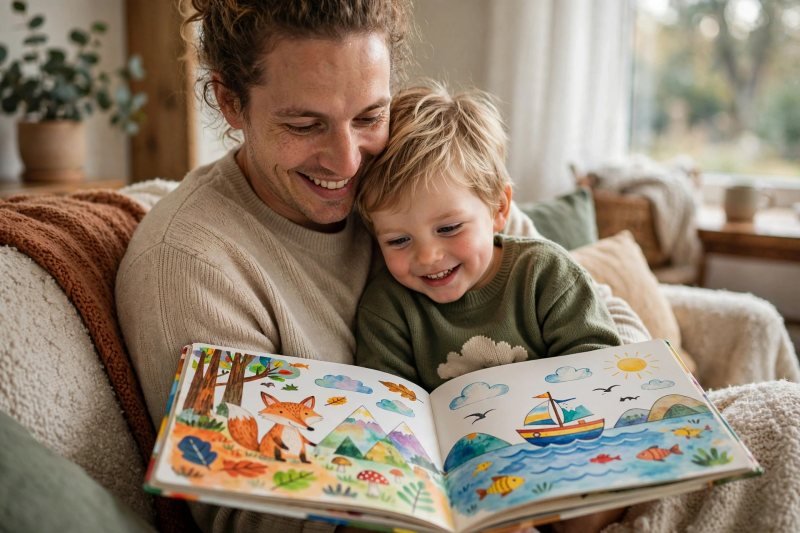
How to Teach Rhyming to Preschoolers: A Simple 4-Step Method
Rhyming is one of the first building blocks of reading, and most preschoolers learn it through play, not lessons. This 4-step method goes from hearing rhymes to making your own — with 10–15 minute games you can play anywhere.
-

Twinkle Twinkle Little Star Lyrics, Actions and Why Toddlers Love It
Teach your toddler the words to Twinkle Twinkle Little Star with easy hand actions, fun singing games, and simple ways to make this classic lullaby part of your day.
-
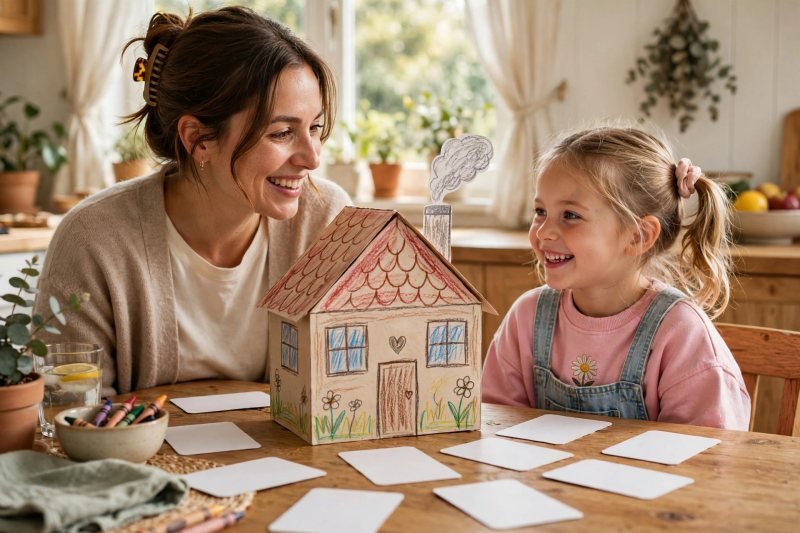
Word Families for Kindergarten: at, an, ap and More
Nine kid-friendly word family lists (-at, -an, -ap and more) plus a 10-step, parent-led session with hands-on games: onset-rime sliders, word family houses, flip books and word fishing.
-
Digraphs for Kids: sh, ch, th, wh Explained With Activities
What are digraphs for kids? Two letters teaming up to make one sound — sh, ch, th and wh explained in plain English, with a complete 10-step play session that turns tricky spelling patterns into games your 5- or 6-year-old will actually enjoy.
-
Ten Frame Activities: 12 Ways to Build Number Sense Fast
Twelve hands-on ten frame activities for ages 5–6 — roll-and-fill, flash cards, bingo, make-10 pairs and more.
-

Money Games for Kids: Play Shops, Coins and Counting
A handful of real coins and a play shop is all it takes. These money games for kids teach coin recognition, skip counting, and making change through hands-on play for ages 5–6.
-
Sensitive Skin in Children: A Gentle Care Guide
Sensitive skin in children calms down when life around it gets simpler: fragrance-free products, short lukewarm baths, moisturizer within three minutes, and soft cotton clothes. This gentle care guide walks through the daily routine step by step, plus the signs that mean a pediatrician should weigh in.


Browse learn through play
Young children learn by doing things with their hands and talking about them out loud. An alphabet hunt around the living room teaches letter recognition more durably than a page of tracing, because the child is moving, choosing and explaining while they do it.
So the activities in this section have a learning goal, and each one says plainly what it is practising — letter sounds, counting one-to-one, sorting by a rule, noticing what changed. That way you can pick what your child is interested in rather than what a curriculum says comes next.
What you'll find here
-
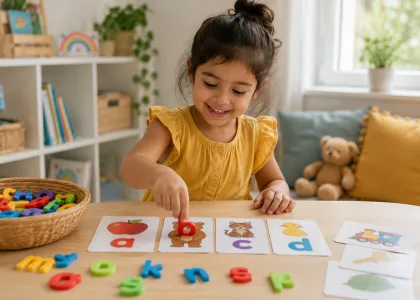
Letters and sounds
Recognising letters, hearing the sound at the start of a word, and eventually putting them together. Games and hunts rather than drills.
-
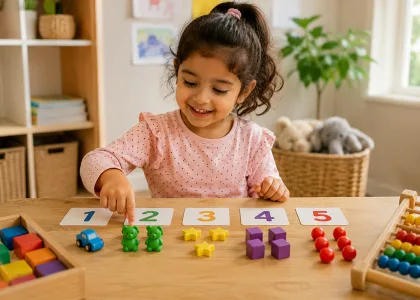
Numbers and counting
Counting things that are really there, matching a number to an amount, and spotting patterns — the groundwork that makes later maths make sense.
-
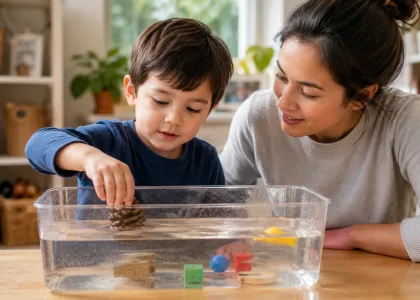
Science and noticing
Will it sink? What happens if we add more? Simple experiments with a question at the start and a conversation at the end.
None of this is a substitute for what your child does at nursery or school, and none of it is developmental advice. It is play that happens to teach something.