


4-Year-Olds
Activities for 4-year-olds.
Four is where activities can genuinely hold up for half an hour. Children this age will plan what they are making, tell you about it at length, and be extremely invested in the outcome.
Rules start to be interesting rather than an obstruction, so simple games with turns begin to work — as does losing them, badly, for a while.
Letters and numbers usually turn up here through play rather than instruction. Following that interest works far better than starting it.
Activities
-
Jolly Phonics Sounds in Order: A Parent's Guide With Actions (UK)
The complete jolly phonics sounds in order for UK parents — all 7 groups of 42 letter sounds, why this clever order helps children blend words sooner, and easy at-home games with simple actions for ages 4–5.
-

Child Scared of Haircuts? 12 Ways to Ease Haircut Anxiety
Is your child scared of haircuts? These 12 gentle ways ease haircut anxiety for ages 3–4 — pretend salon play, watching a parent's trim, choosing a cape, and a tiny first trim — with no forcing, ever.
-
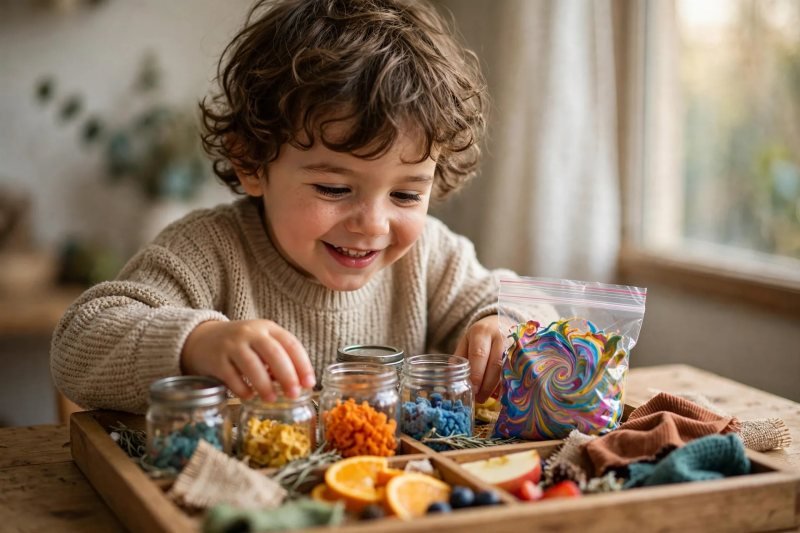
Five Senses Activities for Preschoolers
Looking for five senses activities for preschool that actually teach your child something? These 10 steps pack 16 hands-on sensory play ideas for ages 3–4 — sight, hearing, smell, taste and touch games — use everyday items from your kitchen and take minutes to set up.
-
3rd Birthday Party Ideas: Themes, Games and Easy Plans
These 3rd birthday party ideas keep it simple: pick one easy theme, plan games in a calm order, serve allergy-aware finger foods, and run a two-hour party that ends before anyone melts down — including you.
-
Sight Word Games: 15 Favorites (BANG!, Bingo, Treasure Hunts)
Fifteen tried-and-tested sight word games that make reading practice feel like play — BANG!, bingo, treasure hunts, swat-the-word and more, with full setup and rules for ages 4–5 using things you already own.
-

What Should My Child Know Before Kindergarten? The Honest Answer
What children really need before kindergarten: independence, confidence, and play-based foundations. An honest, reassuring Q&A for parents of four- and five-year-olds.
-
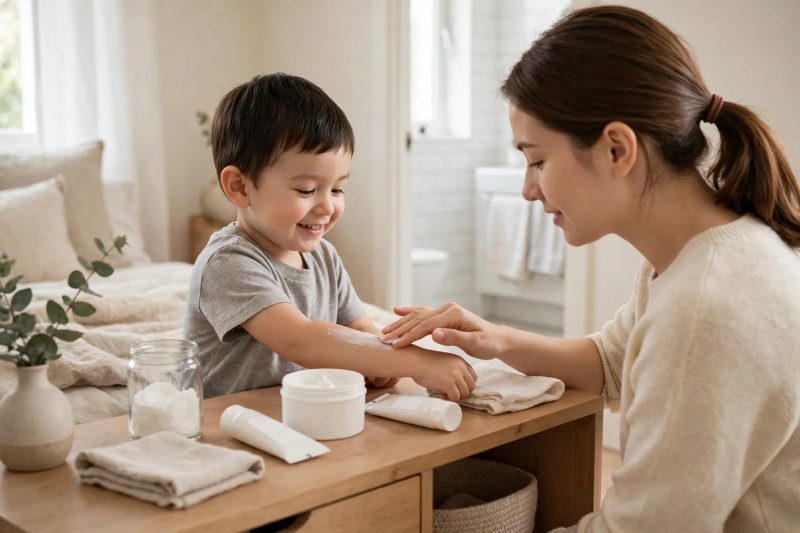
Best Moisturizer for Kids with Dry Skin
Finding the best moisturizer for kids comes down to three things: a fragrance-free cream or ointment, a patch test first, and the soak-and-seal habit — moisturizing within minutes of a lukewarm bath.
-

Free Editable Name Tracing Worksheets (Type Any Name, Print Instantly)
Free editable name tracing worksheets — type any name and print instantly. Personalized name-writing practice for preschoolers ages 4–5, made easy.
-
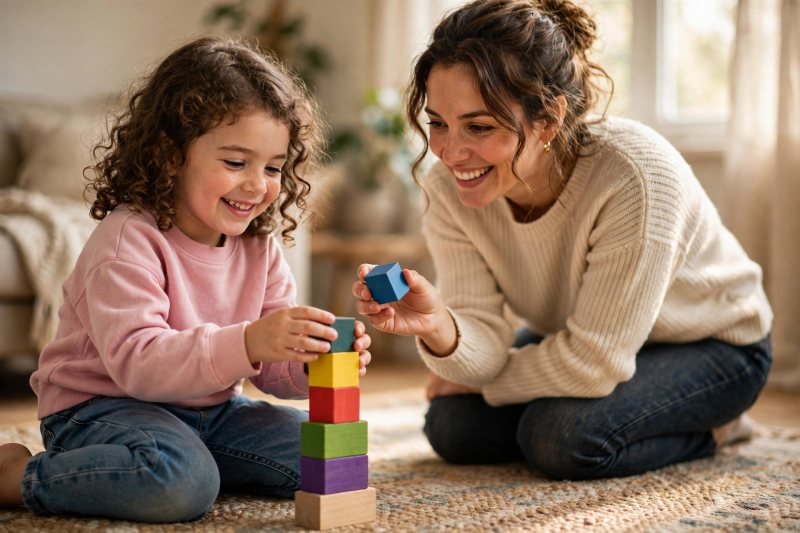
One More, One Less Games: The Easiest Bridge Into Addition
Nine one more one less games that turn counting into real addition and subtraction for 5- and 6-year-olds. Stack one more block, hop one square back, sneak one cookie away — every game teaches +1 and −1 with things you already own.
-
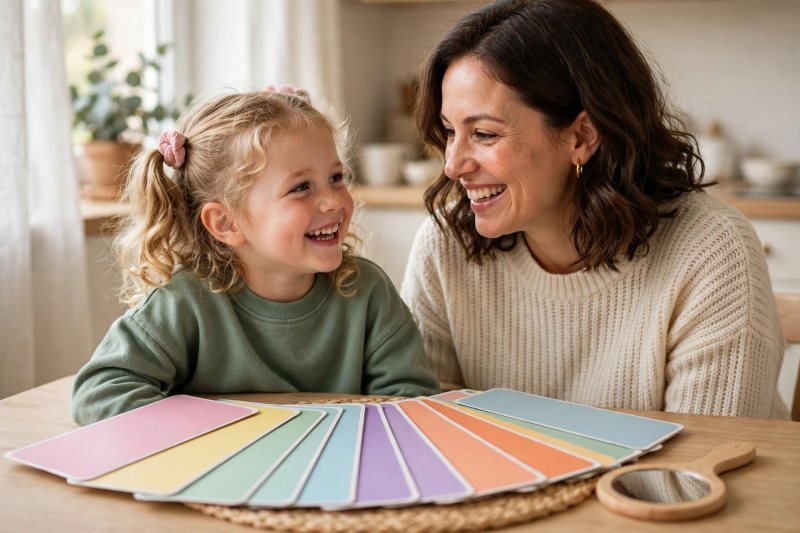
CVC Words for Kids: The First Words Your Child Can Sound Out
CVC words for kids are the first words children can truly sound out — like cat, bed, and sun. This guide gives parents the stretch-and-blend routine, first words by vowel, and six playful games.
-

Counting Backwards Activities: Build Number Fluency in Both Directions
These counting backwards activities turn the hardest counting skill into the funniest: the countdown. Ten playful games for ages 4–5 that build number fluency in both directions.
-
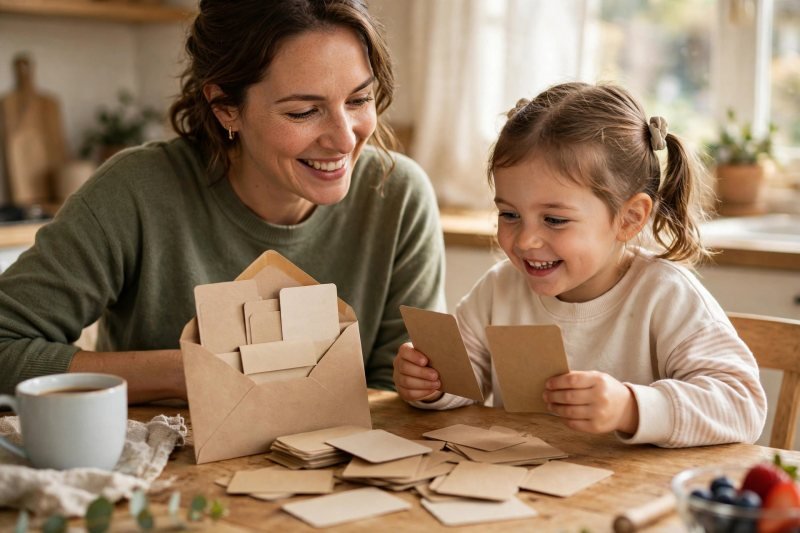
'At' Family Words: 20 Words That Rhyme With Cat (+ Free Word List)
20 -at family words — cat, hat, mat, sat, bat, rat, pat, flat, chat, that — one reading chunk, slider games, a word ladder, and a free printable word list.
-
'An' Family Words: 18 Words (Can, Fan, Man) for New Readers
18 real an family words — can, fan, man, pan, ran, tan, van, ban and more — taught as one reading chunk with the can-fan swap game and silly sentences.
-
AB Patterns for Preschoolers: The First Pattern to Master
A step-by-step guide for parents on teaching AB patterns — the first pattern every preschooler should master. How to demonstrate, name, copy, extend, fix, and create repeating patterns with objects you already own, for ages 3–4.
-
Number Order Activities: Before, After and What's Missing for Ages 4–5
Ten number order activities for ages 4–5 that teach what comes before, what comes after, and what's missing. Card games, number-line walks and snack math — no worksheets, no drilling.
-
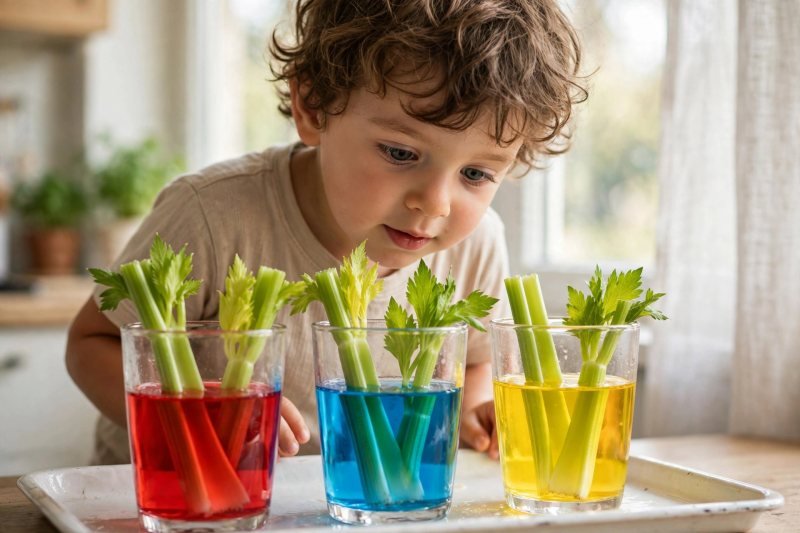
Celery Rainbow Experiment: How Plants Drink Water
This celery experiment for kids stands fresh celery in glasses of colored water and watches the color climb the stalks overnight — giving 3- and 4-year-olds a front-row seat to how plants drink.
-
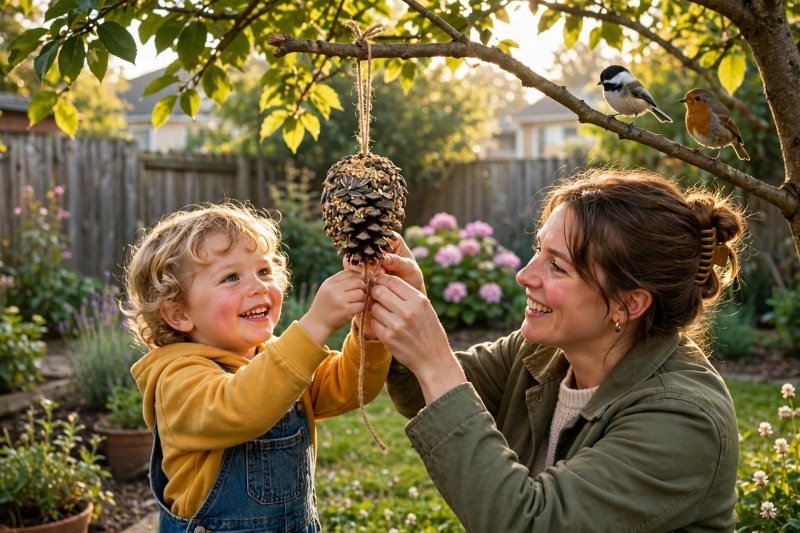
Bird Feeder Craft for Preschoolers
This bird feeder craft for kids uses a pine cone, seed butter and wild birdseed to make a feeder you can hang outside today — then your preschooler watches the window for the first hungry visitor.
-
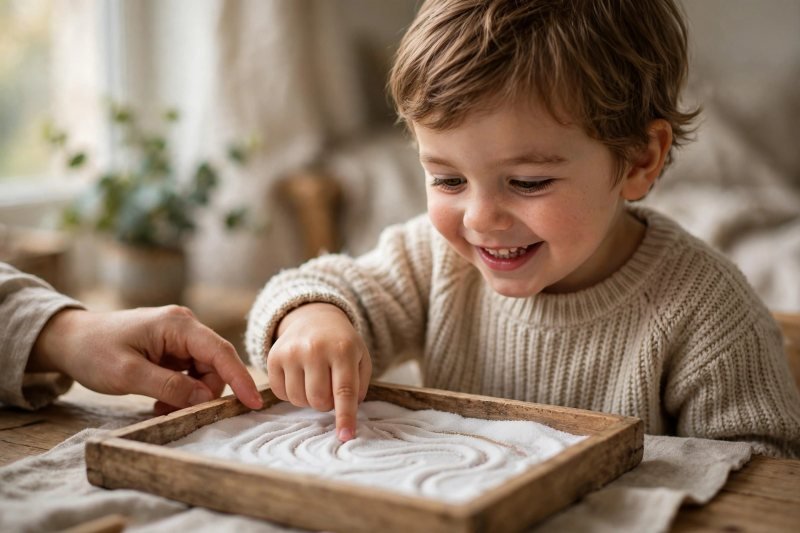
Pre Writing Strokes Worksheets: 13 Basic Strokes Every Preschooler Needs Before Letters
Before your preschooler traces a letter, they need 13 simple strokes. This playful printable pack teaches lines, circles, crosses, zigzags, and loops in learning order, with a gentle 4-week plan.
-
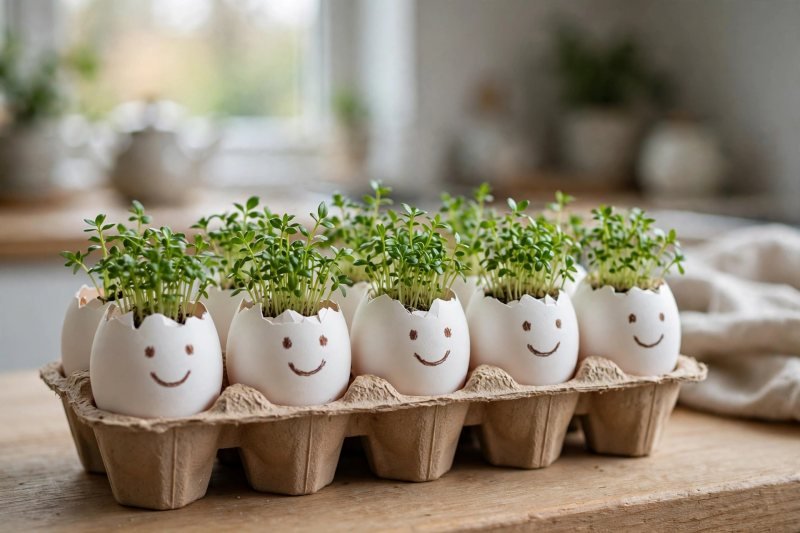
Cress Heads: Easy Growing Activity for Kids (UK)
Learning how to grow cress heads is a classic British childhood project: decorate eggshells, fill them with damp cotton wool, sprinkle on cress seeds, and snip the green "hair" into sandwiches in about a week.
-
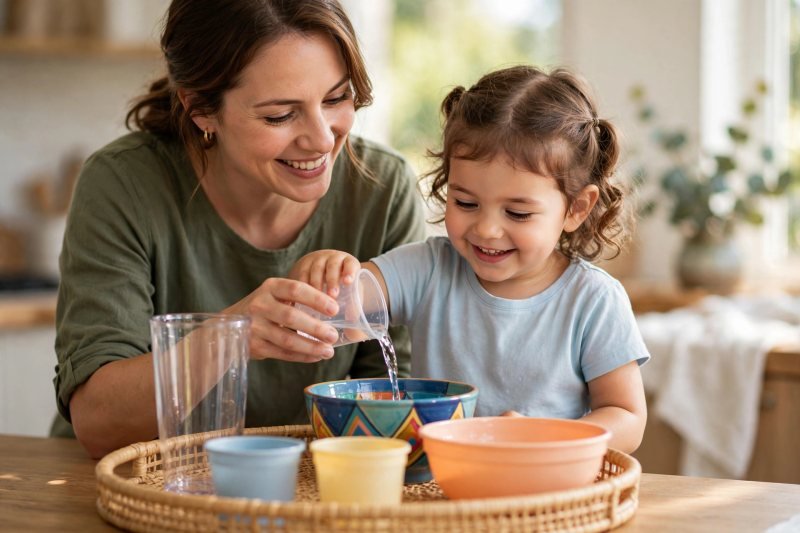
Capacity Activities for Kids: Pour, Fill and Compare
Pour, fill, and compare! These capacity activities for kids turn your kitchen into a water lab where 4- and 5-year-olds explore full versus empty, discover which container holds more, and learn why the tall glass and the wide bowl can hold the exact same amount.
-
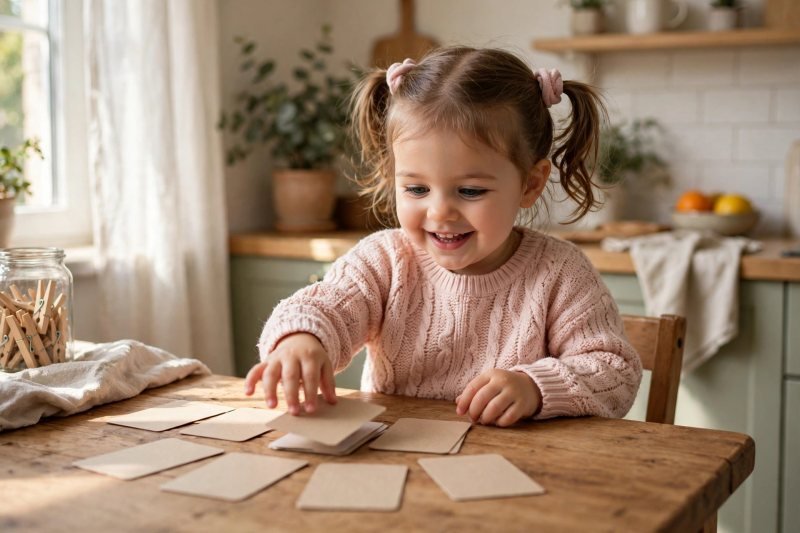
Animal Homes for Preschoolers: Make-and-Play Matching Game
Animal homes for preschoolers turn into a hands-on matching game: make 10 pairs of cards — bird and nest, bee and hive, rabbit and burrow — then flip two at a time to reunite each animal with its home. Card-making takes about 20 minutes, each round plays in 10–15, and every match sneaks in real science vocabulary.
-
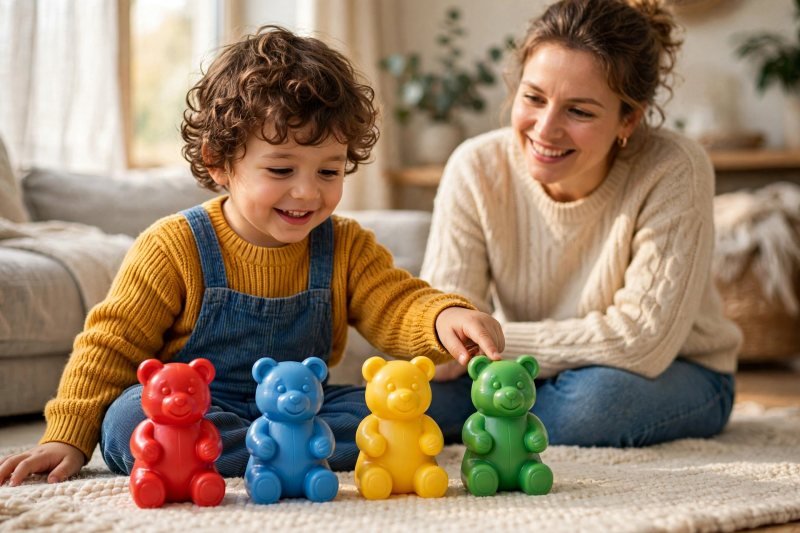
Counting Games for Preschoolers That Build Real Number Sense
Ten counting games for preschoolers that build real number sense — not just reciting numbers. Roll-and-count bears, sock toss, color number hunts, and kitchen counting games for ages 3–4, all using things you already own.
-
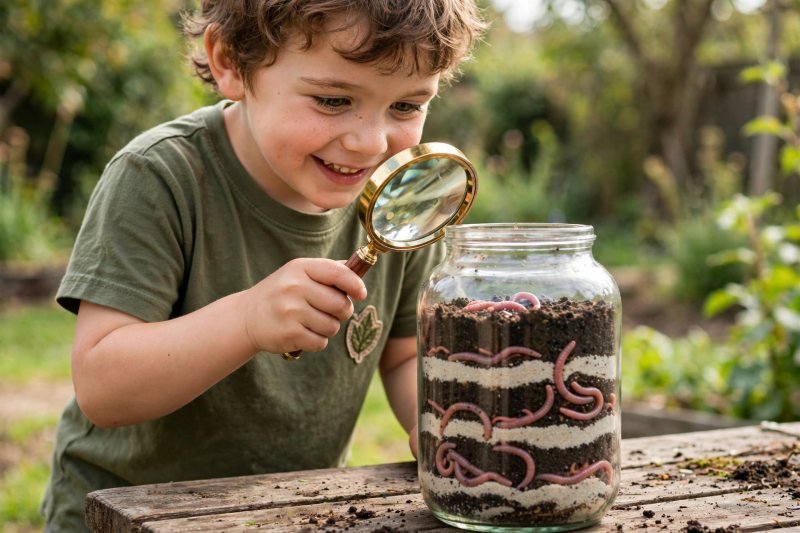
Build a Wormery: Worm Observation for Kids
How to make a wormery: kids layer sand and soil in stripes in a jar, add a few gentle earthworms, and watch them tunnel and eat dead leaves for a week or two.
-
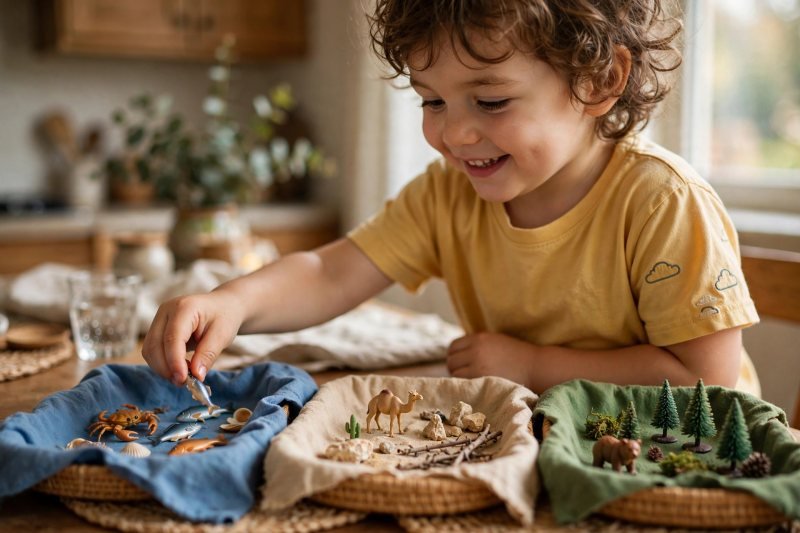
Animal Habitats for Kids: Ocean, Desert, Forest
Animal habitats for kids become a hands-on sorting game: build three simple trays — a blue ocean, a sandy desert, a leafy forest — then sort toy animals into the home where each one really lives. Fifteen minutes of setup, twenty to thirty of play, and real science vocabulary like habitat, saltwater, and nocturnal along the way.


