


What Should My Child Know Before Kindergarten? The Honest Answer
What children really need before kindergarten: independence, confidence, and play-based foundations. An honest, reassuring Q&A for parents of four- and five-year-olds.
What should my child know before kindergarten? Kindergarten readiness starts with independence, not academics: using the toilet alone, washing hands, managing their coat and lunchbox, following two-step instructions, and taking turns. Daily stories and being read to matter far more for a smooth start than early reading.

The short version
- Self-care and independence rank above every academic skill for kindergarten readiness.
- Children do not need to read, write, or do sums before school starts.
- Listening skills, vocabulary from daily stories, and recognizing their own name are the key literacy foundations.
- Turn-taking, asking for help, and coping with mild frustration signal social readiness.
- Counting, sorting, and comparing through play build the early maths foundations kindergarten builds on.
- Shyness is completely normal; short confident goodbyes and practice separations ease the transition.
- Age
- Ages 4–5
- Prep
- 5 min
- Mess
- None
- Difficulty
- Easy
- Where
- Both
Why kids love this
This isn't a test — it's a "look what I can do!" summer. Children love showing off grown-up skills: pouring their own drink, zipping their own coat, winning a turn-taking game. Framed as growing-up adventures, readiness practice feels like play — and every small win builds real confidence for day one.
Does my child really need to read before kindergarten?
No — and here's the reassuring truth. The school teaches reading from scratch, and it does it expertly. What predicts a smooth start is listening: can your child sit through a story, follow the plot, and join in with a repeated line? Being read to every day builds vocabulary, attention span, and a genuine love of books — foundations that matter far more than decoding words a year early.
The literacy foundations that matter most are modest: recognizing their own name in print, spotting a few familiar letters (especially the ones in their name), and joining in with rhymes and songs. If your child can do those, the school will happily and expertly teach the actual reading. Bedtime stories are doing more for school readiness than any phonics app.
What self-care skills matter most on day one?
On every kindergarten-readiness list, academics don't top the priorities — independence does: using the toilet alone (including wiping and re-dressing), washing and drying hands properly, and getting their own coat and shoes on and off. Add one more that surprises parents — opening their own lunchbox and containers. A child who can't open their yoghurt pot needs a teacher's hands at the busiest moment of the day.
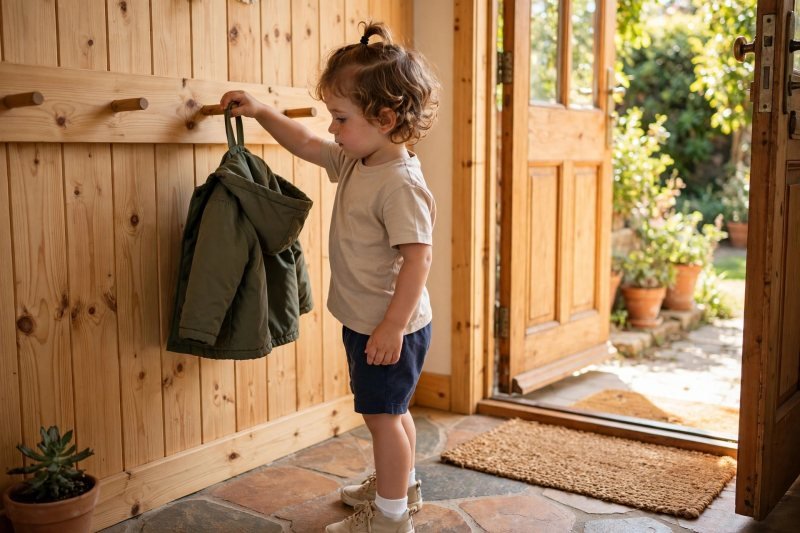
These skills matter because they affect the whole class's day, not just one child's. Practice them inside ordinary life: let them pour their own water from a small jug, zip their coat before the school run, and manage their shoes at the door every single time. Velcro fastenings are completely fine — almost nobody expects laces at four or five.
How can you tell if your child is socially ready for school?
Social readiness shows up in small, everyday moments — never in tests. Can your child take turns with a toy without a meltdown most of the time? Ask an adult for help when they're stuck instead of suffering in silence? Follow a simple two-step instruction, like "put your shoes on, then bring your bag"? Play alongside other children without needing constant refereeing?
These are the behaviors that keep a classroom of thirty running smoothly, and none of them needs to be perfect. Four-year-olds are still learning all of this — completely normal. What builds it fastest is real life: playdates, the playground, family board games with actual rules, and ordinary moments like waiting your turn at the till. A child who can cope with mild frustration and bounce back with a bit of support is socially on track.
What early maths actually helps before kindergarten?
Nobody expects worksheets, workbooks, or recited times tables. They value number sense picked up through play: counting the stairs as you climb, sharing out snacks ("one for you, one for me"), noticing which block tower is taller, spotting numbers on front doors and buses. Counting to 20, recognizing numerals 1–10, and understanding that "three" means three actual things are all genuinely useful — and every one of them is learned best through cooking, building, and games rather than flashcards.
Comparing, sorting, and pattern-spotting — red bead, blue bead, red bead, blue bead — are the quiet foundations of all later maths. If number play happens a few times a week in the kitchen or on the rug, that is honestly plenty.
My child is very shy — will they cope at kindergarten?
Shyness is not a readiness problem; it's a temperament, and every teacher has a classroom full of experience with it. What matters is whether your child can separate from you and recover — and most children cry at drop-off for the first week or two, then settle. Schools see it every September and know exactly how to handle it.
What genuinely helps: short, warm, confident goodbyes (long, tearful ones make separation harder), a consistent drop-off routine, and practice separations beforehand — an hour with a grandparent, a morning at a friend's house. Tell the teacher honestly about the shyness on day one; it's useful information, not a confession. The quiet children usually find their people within a few weeks, often faster than the loud ones.
What should we practice in the final summer before school starts?
Keep it light and woven into life — not scheduled like lessons. Think of it as a "summer of independence": dressing themselves fully, carrying their own bag, opening everything in their lunchbox, walking rather than being carried on outings, and using the toilet in unfamiliar places. Add one social ingredient — regular play with other children — and one language ingredient — a story every single day. That is the entire programme.
The summer before school should feel like childhood, not boot camp. A confident, well-rested child starts school far better than a drilled one. If you'd like gentle structure for the holidays, our kindergarten curriculum at home guide has week-by-week ideas that never feel like schoolwork, and the Bright Playday learning hub has play-based activities for every age.
What you'll need
- Nothing to buy — everything here uses things your family already owns: a zip-up coat, shoes they can manage themselves, their lunchbox, picture books, wooden blocks, crayons, a ball, playdough, and everyday moments like mealtimes and the school run.
Before you start
Read the Q&A yourself first. Notice which answers make you exhale — those worries can go. Then pick two or three skills your child is "getting there" with and weave them into this week's routines. Keep it invisible: never announce "school practice".
How to do it
-
Hang up the coat on arrival. Make the front door your practice ground: a low peg your child can reach, and the same order every time — shoes off, coat off, coat on the peg. Say, "Shoes, coat, peg — you run the door," and let them wrestle the zip themselves while you stay hands-off. A little, often, zero pressure: this two-minute routine rehearses dressing, undressing and responsibility all at once. Pair it with our 30-skill kindergarten readiness checklist for a tick-box tracker of everything below.
-
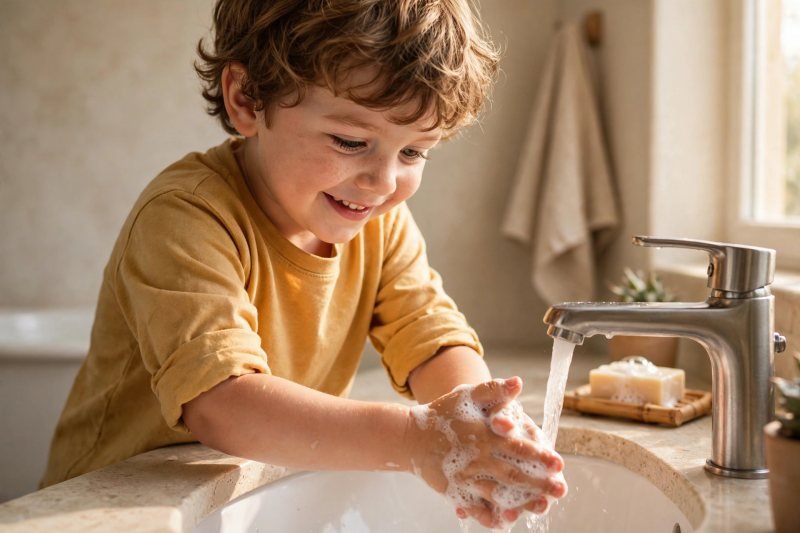
Wash hands properly. Before every meal and after every outing, send them to the sink alone: soap, rub for a slow count of twenty, rinse, dry properly. Say, "Soap, scrub, rinse, dry — show me the whole show," and resist redoing it for them. A whole class of children doing this badly slows everyone's day; a child who can do it solo is genuinely ready.
-
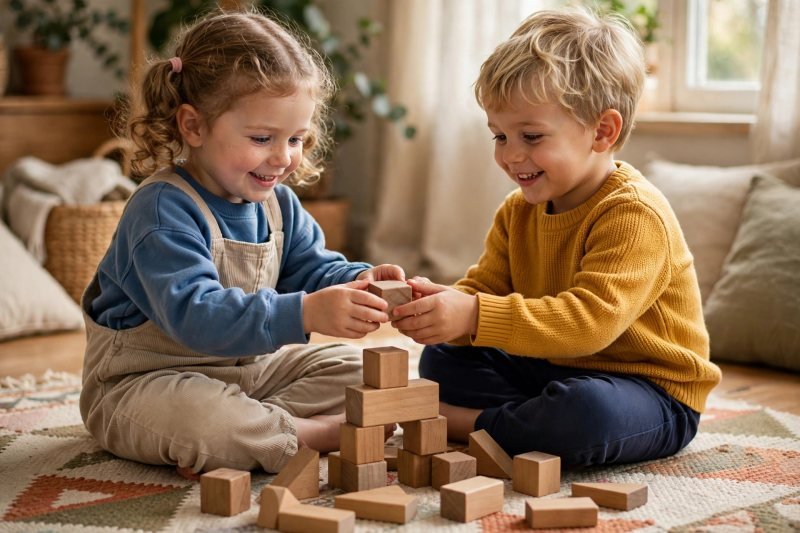
Take turns in a game. Pull out a simple board game or a set of blocks and play properly — no letting them win every round. Say, "My turn, your turn — waiting is part of the game," and coach the hard moments: losing a turn, wanting the piece someone else has. Real games with real rules build turn-taking, patience and coping with mild frustration faster than any worksheet.
-
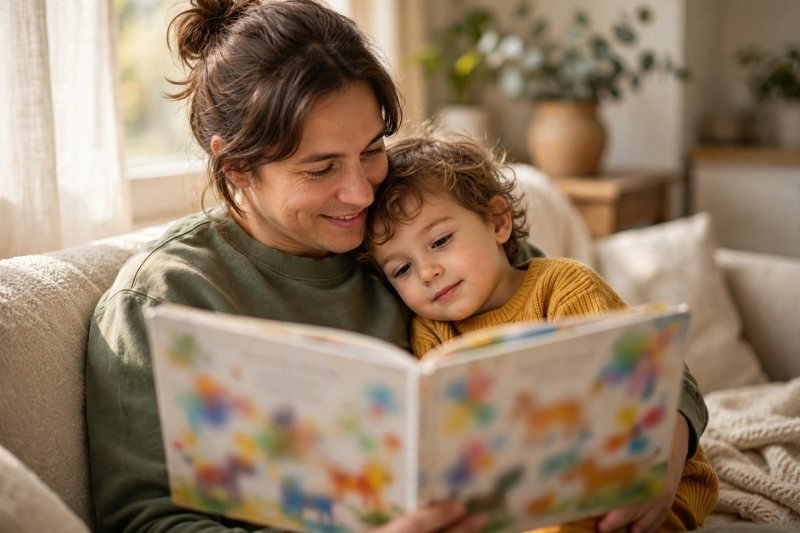
Read a story every single day. Snuggle up with a picture book and read it like it matters, because it does: pause for them to join in with repeated lines, ask what happens next, let them "read" a familiar page from memory. Say, "You tell me this bit — you've heard it a hundred times." Daily stories build vocabulary, listening stamina and a love of books — the literacy foundations that matter far more than early decoding.
-
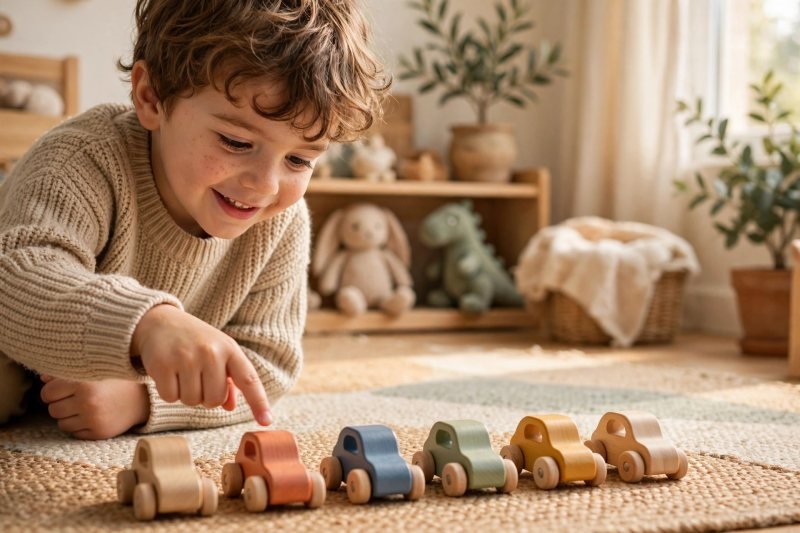
Count through play. Count the stairs as you climb, share out snacks one-for-you-one-for-me, line up toy cars and count the row together. Say, "How many cars? Let's count and check," and let them touch each one as they count. Counting to 20, recognizing numerals 1–10 and understanding that "three" means three actual things all grow out of kitchen and rug play, never flashcards.
-
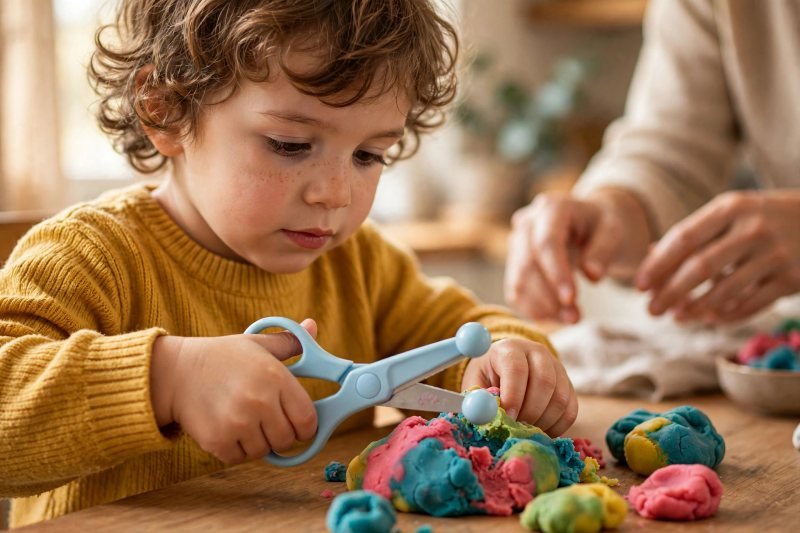
Snip and cut safely. Hand them round-tipped child-safe scissors and playdough or strips of paper: snip, snip, snip. Say, "Thumb up, snip slow — you steer," and supervise without taking over. Cutting builds the hand strength and control behind pencil grip, and every snipped strip is fine-motor practice disguised as fun.
-
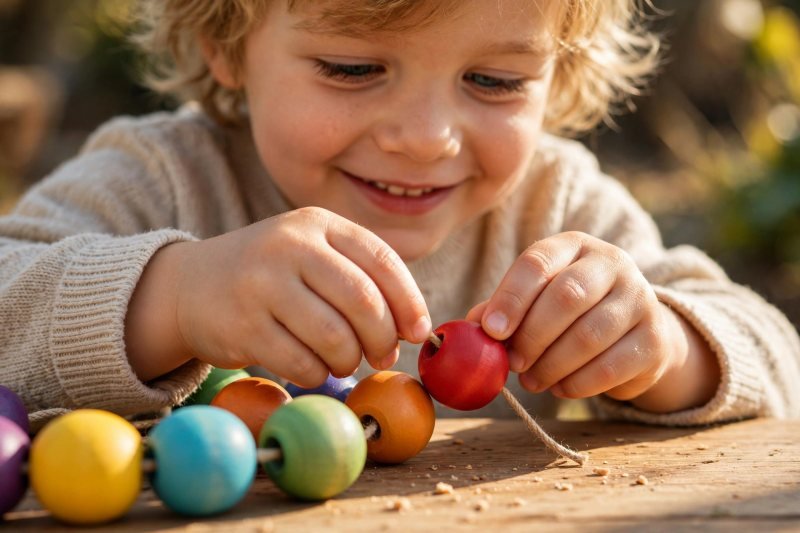
Thread, sort and build. Thread large wooden beads onto string, sort them by color, spot the pattern: red bead, blue bead, red bead, blue bead. Say, "What comes next in the pattern?" Sorting, comparing and pattern-spotting are the quiet foundations of later maths — and threading builds the hand-eye coordination classroom tasks need.
-
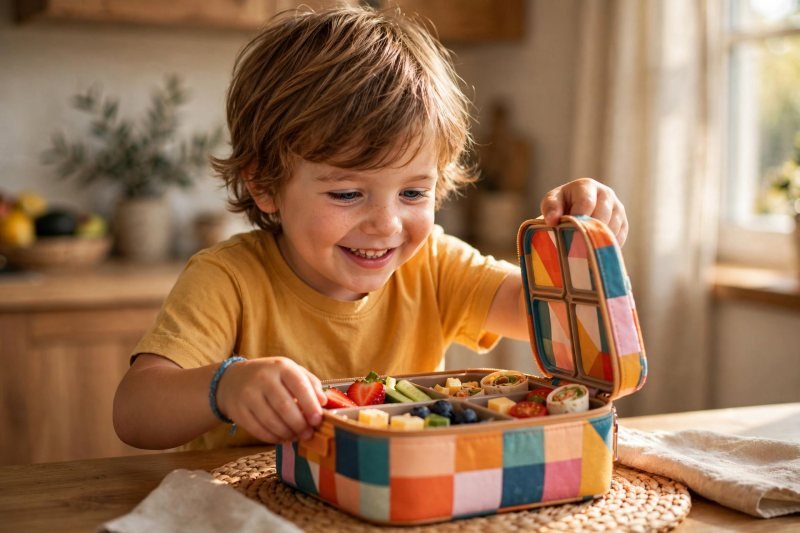
Open the lunchbox alone. Pack the actual lunchbox and have them open every single container, pot and wrapper at the kitchen table. Say, "Lunch test — open everything without help," and swap anything that defeats them for easy-open versions now, not in September. A child who can't open their yoghurt pot needs a teacher's hands at the busiest moment of the day — this one rehearsal fixes it.
-
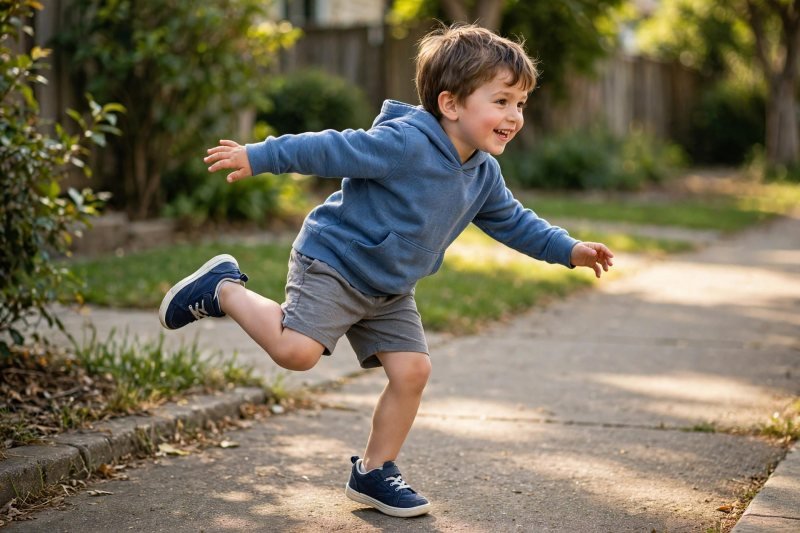
Move big outside. Hop on one foot, balance along a curb, throw and catch a soft ball — and follow two-step instructions inside a game, like "hop to the tree, then hop back." Say, "Hop to the tree, then hop back — go!" Big-body play builds coordination and the listening muscles for following classroom instructions, and it burns off the wiggles that make sitting still harder.
-
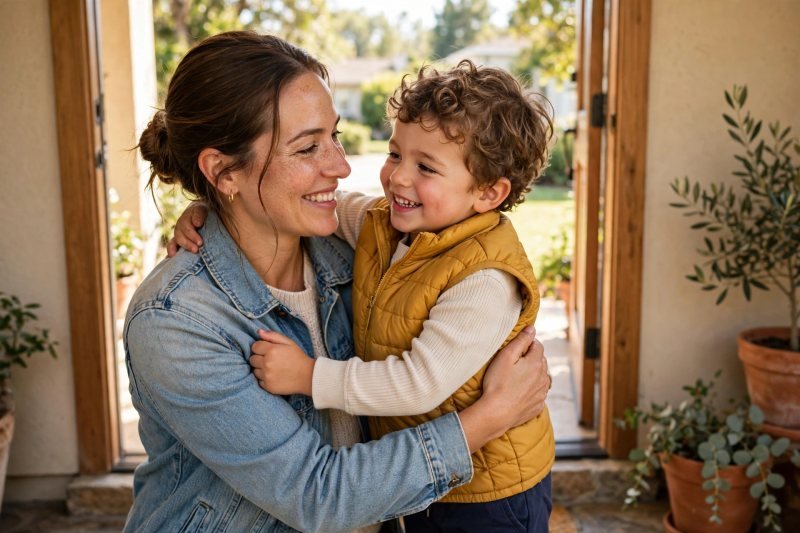
Practice a confident goodbye. Rehearse the separation itself: a short, warm, confident goodbye at the front door, then an hour with a grandparent or a morning at a friend's house. Say, "Quick hug, big wave, I'll be right here after," and keep it bright even if they're wobbly. Most children cry at drop-off for the first week or two, then settle — practice separations now make September dramatically easier.


Make it easier
If the full picture feels like a lot, focus on self-care alone for a fortnight: toileting, hand-washing, coat, shoes, lunchbox. Most readiness guidance puts these first, so one calm area of focus genuinely moves the needle — and our preschool learning activities at home collection has more gentle ideas in the same spirit.
Make it harder
For children who've mastered the basics: writing their full name (a bonus, not a requirement) — our name-tracing worksheets for preschoolers make that a fun challenge; retelling a story in the right order, counting to 30, and managing all their belongings on a day out. Extend sideways into confidence and responsibility, not forward into formal academics.
Other ways to play it
- School mornings role-play: set a real alarm, dress against the clock, walk the route to the school gate.
- Pretend school picnic: pack the actual lunchbox and practice opening every container.
- Library story sessions: weekly story time builds listening stamina better than anything at home.
How it changes by age
- For ages 4–5, the year before kindergarten — our kindergarten age hub collects ideas for exactly this stage. Every child develops at their own pace — this is what's typical, not a pass/fail bar. Younger fours are often still shaky on fine-motor items like buttons; completely normal. Genuine developmental concerns belong with your pediatrician, not a checklist.
What they're learning
Independence and self-care; turn-taking, patience, and emotional regulation; listening comprehension and vocabulary from daily stories; early number sense through playful counting; fine-motor control for classroom tasks like cutting and drawing — our fine-motor activities for preschoolers build exactly those hands.
Clearing up
Tidy away the myths: early reading is not required, laces are not expected, shyness is not a problem, and "behind" at four is not a meaningful concept.
Questions parents ask
What is the single most important thing for kindergarten readiness?
Do teachers expect children to write their name before kindergarten?
How can I help my child cope with being away from me?
What if my child doesn't know their letters yet?
How can I practice readiness without turning home into a classroom?
Should I delay my child's start if they seem unready?
Pair with the printable 30-skill kindergarten readiness checklist for a tick-box tracker. Revisit these answers a month before term starts — you'll be surprised how much changes. A confident, well-rested four-year-old starts school far better than a drilled one.

save it for later
Pin this for the next rainy afternoon
Keep it on a board so it is there when you need it, rather than when you happened to find it.
Save to Pinterest


