


Sight Word Games: 15 Favorites (BANG!, Bingo, Treasure Hunts)
Fifteen tried-and-tested sight word games that make reading practice feel like play — BANG!, bingo, treasure hunts, swat-the-word and more, with full setup and rules for ages 4–5 using things you already own.
The best sight word games for ages 4–5 are short, physical, and use household materials: BANG! (pull sticks from a cup and read the word), sight word bingo, treasure hunts, swat-the-word, sticky-note slap, memory match, roll-and-read, tic-tac-toe words, feed-the-monster, flashlight find, beanbag toss, word hopscotch, hide-and-seek words, word fishing, and I spy. Play one or two games for about ten minutes a day alongside phonics practice.

The short version
- Sight word games work because children choose to play — the reading practice happens sideways, without drilling.
- Every game on this list uses household materials and takes 5–10 minutes to set up.
- Short daily sessions (about ten minutes) build recognition far better than occasional long ones.
- Let children repeat their favorite game — repetition is how memory forms at this age.
- Games give playful repetition with words children are learning to decode; they work alongside phonics, not instead of it.
- Most games scale up easily for ages 6+ by adding longer or trickier word lists.
- Age
- Ages 4–5
- Prep
- 5 min
- Play time
- 10 min
- Mess
- Low
- Where
- Both
Why kids love this
Children love these games because none of them feel like lessons. Pulling sticks from a cup, slapping sticky notes on the wall, hunting for treasure with a torch — every game on this list wraps reading practice inside something a four-year-old already wants to do. The reading sneaks in sideways: by the time a child has read a word ten times to win a round of BANG!, they know it. And because the games are short, children usually ask for "one more go" — which is exactly how words become automatic.
If your four-year-old groans at the sight of word cards, the cards are not the problem — the format is. Sight word games turn the same practice into something children choose: pulling sticks from a cup, slapping words on the wall, hunting treasure with a torch. The reading happens ten times over in a single round, and nobody had to be persuaded.
These fifteen games all use materials you already own, take five to ten minutes to set up, and suit ages 4–5. If you need the words themselves first, our guide to the first 40 sight words for kindergarten has the list most children learn first — grab ten or so and come back.
What are the best sight word games to start with?
Start with the classics — they are classics because they work. Each needs only your word cards and a few household bits.
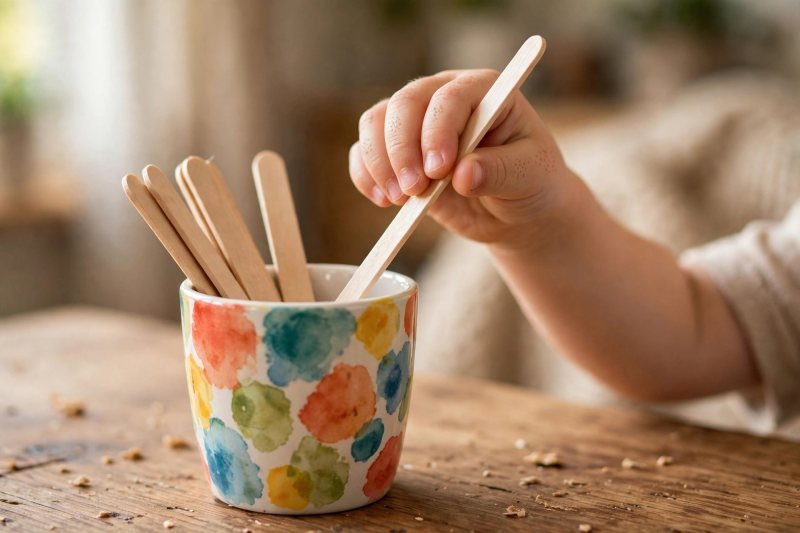
BANG!: One of the best-known classroom sight word games, and it takes two minutes to set up. Write one sight word on each of 15–20 wooden craft sticks (paper strips work too) and drop them in a cup. Mark three sticks with a star or the word "BANG!" — if you would rather avoid the bang idea, draw a rain cloud instead. Children take turns pulling a stick and reading the word aloud; a correct read means they keep the stick. Pull a BANG! stick and all their sticks go back in the cup. The child holding the most sticks when the cup is empty wins. The groans when someone draws BANG! are half the fun.
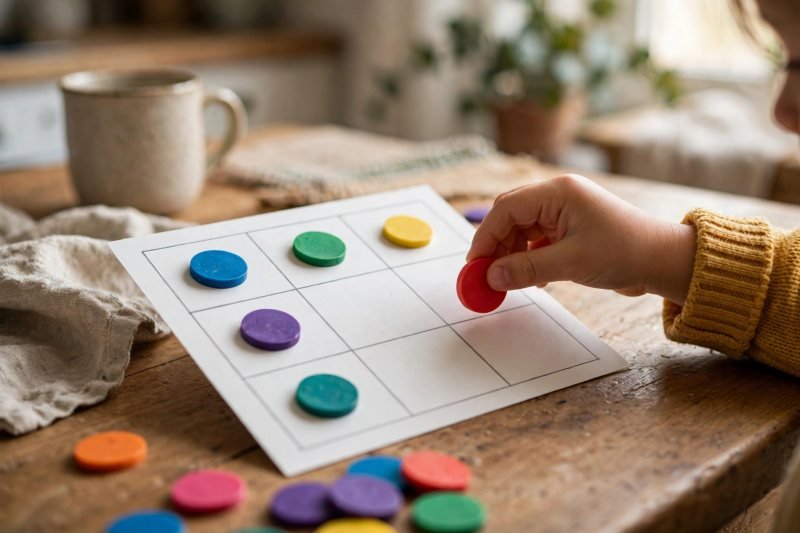
Sight Word Bingo: Make simple 3×3 bingo cards by drawing grids on paper and writing a different sight word in each square (each card uses the same nine words in a different order). You call out words — showing the card so children can match what they hear to what they see — and players cover the matching square with a bean, button, or bottle cap. First to cover a full row shouts "Bingo!" Let your child take a turn as the caller; matching the words they say to the words on their card is excellent practice in disguise.
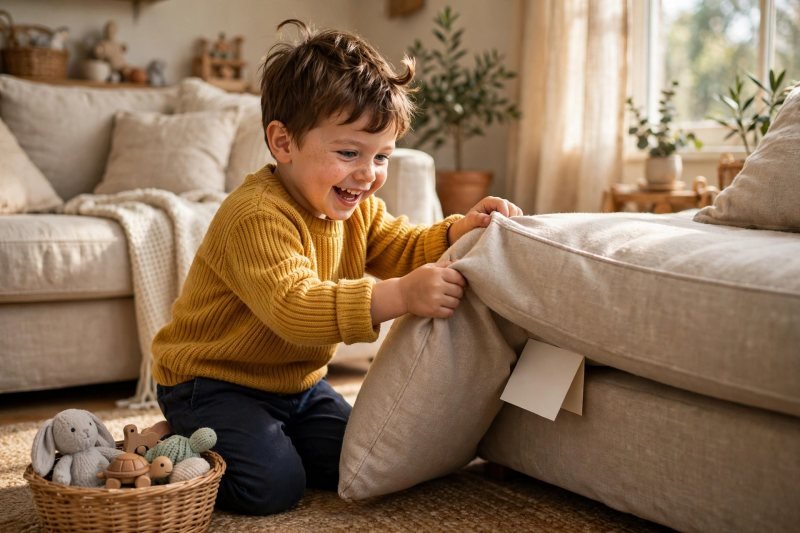
Treasure Hunt: Hide ten word cards around one room (behind cushions, under the table, taped low on a wall). Give your child a basket and a simple mission: find every card, read it aloud, and drop it in the basket. Read-together rules apply for tricky ones — you can read it first and have them echo. For a longer game, hide the cards across two rooms, or leave rhyming clues ("I'm hiding where the socks get clean").
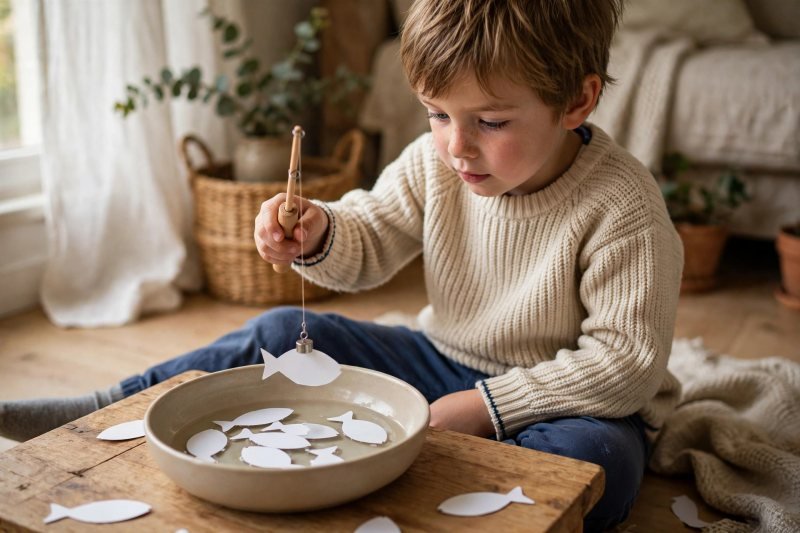
Word Fishing: Attach a paperclip to each word card and scatter them face up in a shallow bowl or on a blanket — the "pond". Tie a toy magnet to a string on a stick to make a fishing rod. Your child "catches" a card, reads the word, and keeps the fish. No magnet? A wooden spoon with a loop of sticky tape on the end works surprisingly well.
Which sight word games get kids moving?
Some children learn best on their feet. These five burn energy and build reading at the same time.
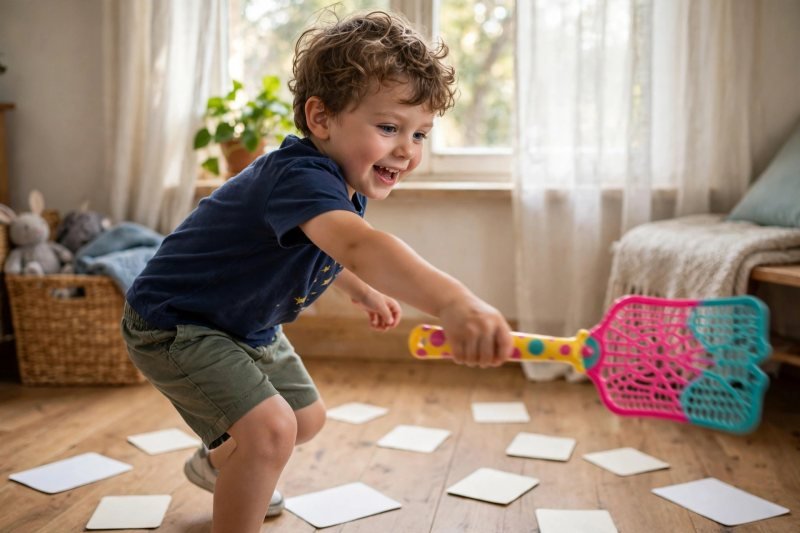
Swat the Word: Spread word cards on the floor, well spaced out. Call out a word; your child swats it with a fly swatter. Swap roles and let them call words for you to swat — deliberately swatting the wrong one occasionally gets huge laughs and sharpens their attention. Best played in a hallway or garden where there is room to lunge.
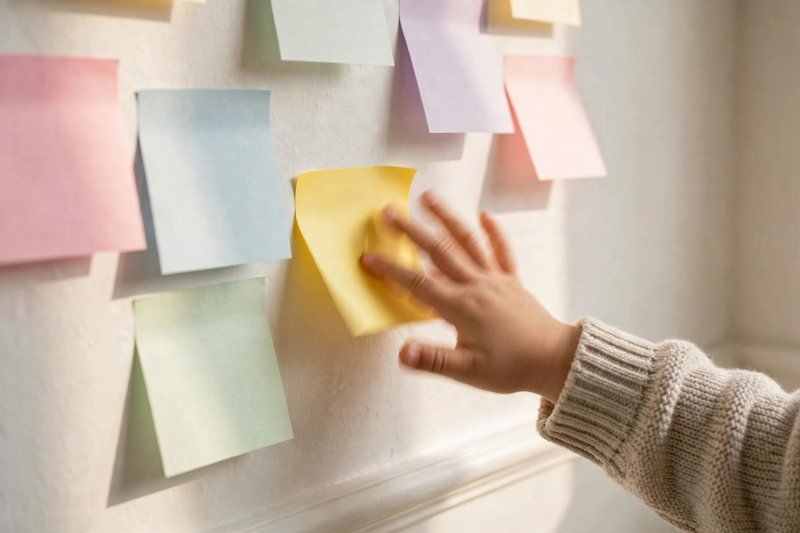
Sticky-Note Slap: Write one sight word on each of eight to ten sticky notes and stick them on a wall or door at your child's height. Call out a word and they run up and slap it. For solo play, they slap each word as they read it, going faster each round. This one is endlessly repeatable and takes about ninety seconds to set up.
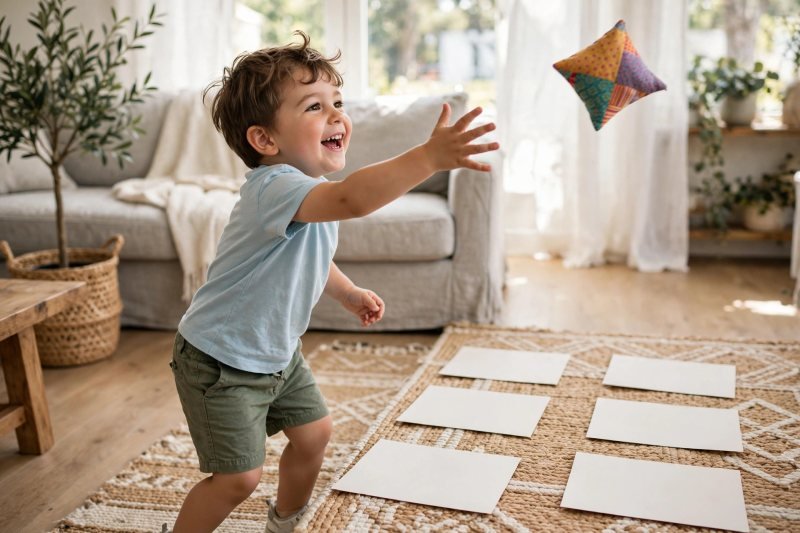
Beanbag Toss: Lay five or six word cards on the floor a few feet away. Your child tosses a beanbag (a rolled-up pair of socks works) onto a card, then reads the word it landed on. Move the cards further back as they get confident. Two children can play as a gentle competition — most words read correctly wins.
Word Hopscotch: Draw a hopscotch grid in chalk on the pavement and write a sight word in each square. Your child reads the word in each square before hopping onto it. Miss a word? They get a hint and try again — no penalties, just another go. Rainy-day version: tape paper squares to the hallway floor.
Hide-and-Seek Words: You hide somewhere in the house holding the word cards. Your child finds you, draws a card, and reads it to "release" you. Then they hide with the cards and you come looking. The reading is almost incidental — which is precisely why it works so well.
What are the best quiet sight word games for home?
For calm afternoons, waiting rooms, and winding down before bed.
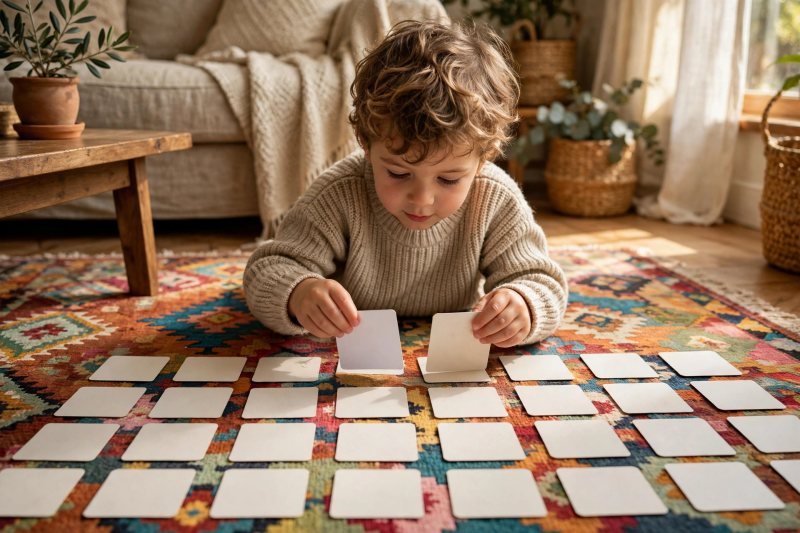
Memory Match: Make pairs of each word card (two cards per word, six to eight words). Lay them face down in rows. Players turn over two cards, reading each word aloud as they flip it; a matching pair is kept. Reading every flipped card — even the misses — means each word gets read many times per game.
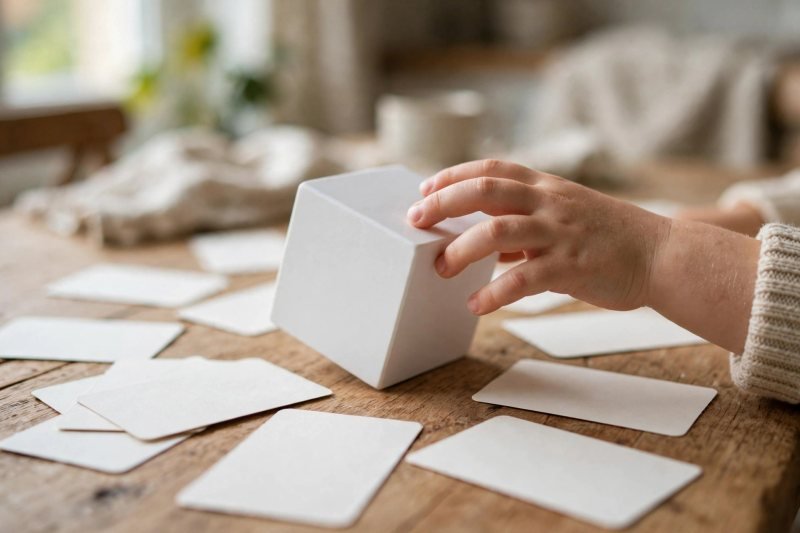
Roll and Read: Write six sight words on sticky dots and stick one on each face of a die (or write numbers 1–6 and keep a numbered word list beside it). Roll the die, read the word that comes up. Keep a tally of how many times each word was read — children love watching one word pull ahead. A lovely two-minute filler while dinner cooks.
Tic-Tac-Toe Words: Draw a noughts-and-crosses grid and write a sight word in each of the nine squares. To place your X or O in a square, you must read its word first. Three in a row wins. Using the same nine words across several rounds gives serious repetition without a hint of drilling.
Feed the Monster: Cut a big mouth in an old cardboard box and draw a silly monster face around it (eyes, teeth — the sillier the better). Your child reads a word card, then "feeds" it to the monster by posting it through the mouth. Hungry monsters need lots of feeding. At the end, tip the cards out and count the monster's meal together.
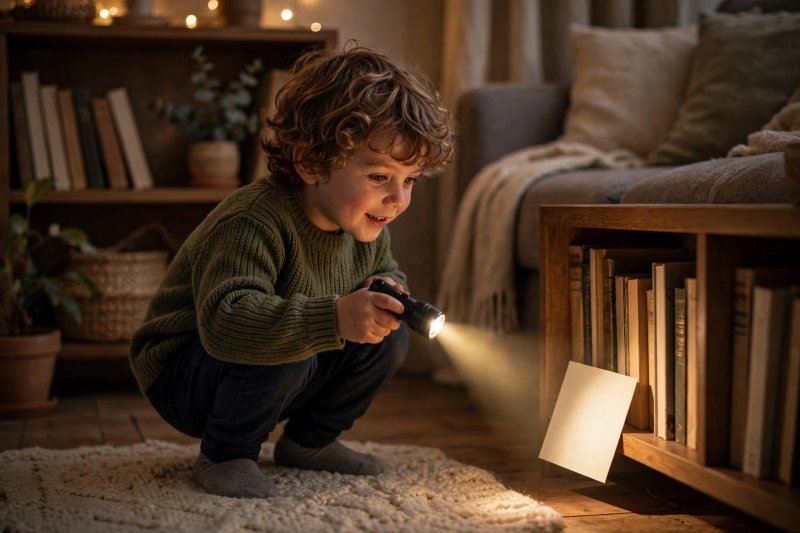
Flashlight Find: Dim the lights, hide word cards around one room, and hand your child a torch. Each card they find must be read aloud before the hunt continues. The torch makes an ordinary word hunt feel like a night-time expedition — this is many children's favorite on the whole list.
I Spy Sight Words: Stick ten word cards on a wall to make a "word wall". "I spy with my little eye… something that says go!" Your child scans the wall, finds it, and reads it to claim the point. Then they spy for you. Scanning a wall of words to find one is genuinely useful reading practice — it is what fluent readers do on every page.
How often should you play sight word games?
Short and often beats long and occasional. Ten minutes a day — one or two games — builds recognition far faster than a single half-hour weekend session, because young memories are refreshed by frequent, brief encounters. Keep a small box with your word cards and the bits for two or three favorite games near the table, so playing is as easy as reaching for it. And rotate the games: a new game with the same words feels fresh, while the same game with new words stretches learning. If you would like the bigger picture on building reading step by step, the reading hub lays out the next steps on the path these games fit into.
What if my child only wants to play one game?
Let them. Repetition is how four-year-olds learn — playing BANG! every day for a fortnight is not a rut, it is practice. You can quietly vary the challenge inside their favorite: add new words, play faster rounds, or let them teach the game to a grandparent (teaching is the deepest form of learning). When they eventually tire of it, fourteen more are waiting. Once the words in these games feel instant, a CVC words list gives your child the next blending step — short words built from sounds they already know. For more ideas on the reading journey beyond games, browse the learn hub — and if your child is still building letter sounds first, the phonics activities collection is the right starting point.
What you'll need
- Word cards: index cards, cut-up card, or folded scrap paper with a marker pen (10–20 sight words)
- A cup or bowl and wooden craft sticks or paper strips (for BANG!)
- Fly swatter (for swat the word)
- Sticky notes and a pen (for sticky-note slap)
- Counters: dried beans, buttons, or bottle caps (for bingo)
- A die, plus stickers or a marker (for roll and read)
- A torch (for flashlight find)
- A beanbag or soft ball (for beanbag toss)
- Chalk (for word hopscotch)
- A toy magnet on a string, or a stick with sticky tape (for word fishing)
- Paperclips, a shallow bowl, cushions and blankets for the treasure and hiding games
Before you start
1. Write your sight word cards — 10 to 20 words your child is currently learning. Our guide to the first 40 sight words for kindergarten is a good source if you need a list. 2. Pick one game from the list below and gather its materials — five minutes is usually plenty. 3. Clear a small play space: a table for the card games, a hallway or garden for the active ones. 4. Keep the first session short — one or two rounds is a perfect start.
How to do it
-
Choose the words and play BANG! first. Lay out 5–10 sight word cards your child is beginning to recognize, write one word on each of 15–20 craft sticks or paper strips, drop them in a cup, and mark three sticks with a star or a rain cloud. Say, "Pull a stick, read the word, keep the stick — but watch out for the star!" Children take turns pulling and reading aloud; a correct read keeps the stick, and a star stick sends all of that player's sticks back into the cup. The player holding the most sticks when the cup is empty wins, and the groans when a star appears are half the fun — play two quick rounds to warm up, then move on while energy is high.
-
Play sight word bingo together. Draw a simple 3×3 grid on paper for each player and write a different sight word in each square, using the same nine words in a different order on every card. Say, "Listen for the word, find it on your card, cover it!" Call out words while showing the card so children match what they hear to what they see, and players cover each match with a bean, button, or bottle cap. First to cover a full row shouts "Bingo!" Let your child take a turn as the caller next round; saying each word aloud while checking their own card is practice in disguise.
-
Hide a treasure hunt around one room. Hide ten word cards around a single room — behind cushions, under the table, taped low on a wall — and hand your child a basket. Say, "Find every card, read it out loud, and drop it in the basket!" Read tricky words together first and let your child echo them; for a longer game, hide cards across two rooms or leave rhyming clues such as "I'm hiding where the socks get clean." When the basket is full, tip the cards out and read the whole haul together once more before the next game.
-
Go word fishing in the pond. Attach a paperclip to each word card, scatter the cards face up on a blanket or in a shallow bowl, and tie a toy magnet on a string to a stick to make a fishing rod. Say, "Catch a fish, read its word, keep your catch!" Your child dips the magnet, lifts a card, reads the word aloud, and keeps the fish. No magnet handy? A wooden spoon with a loop of sticky tape on the end works surprisingly well. When the pond is empty, count the catch together and play again with the words that needed a second look.
-
Swat the word on the floor. Spread word cards well spaced out on the floor in a hallway or garden, and hand your child a fly swatter. Say, "Swat the word you hear — ready, go!" Call out a word and watch them lunge for the right card, then swap roles and let them call words for you to swat, deliberately swatting the wrong one now and then for huge laughs and sharper attention. Keep the swatter for cards on the floor only, never for people or pets, and move on before legs get tired.
-
Slap sticky-note words on the wall. Write one sight word on each of eight to ten sticky notes and stick them on a wall or door at your child's height. Say, "Run up and slap the word I call!" Call out a word, they race over and slap it, then return for the next call. For solo play, they slap each word as they read it, going faster each round. This one takes about ninety seconds to set up and is endlessly repeatable — finish with a speed round where your child calls the words and you do the running.
-
Roll and read with a die. Write six sight words on sticky dots and stick one on each face of a die, or write the numbers 1–6 and keep a numbered word list beside it. Say, "Roll the die, read the word that comes up!" Roll, read, and keep a tally of how many times each word was read — children love watching one word pull ahead. This is a lovely two-minute filler while dinner cooks, and it works just as well in a waiting room with a pocket die and a folded word list.
-
Play memory match, reading every flip. Make pairs of each word card — two cards per word, six to eight words — and lay them face down in rows. Say, "Flip two, read both out loud, keep the pair if they match!" Players turn over two cards, reading each word aloud as they flip it; a matching pair is kept, and the misses go back face down. Reading every flipped card, even the misses, means each word gets read many times per game. For more matching games beyond word cards, our memory games for preschoolers collection uses the same flip-and-recall format.
-
Hunt with a flashlight after dimming the lights. Dim the lights, hide word cards around one room, and hand your child a small LED torch. Say, "Shine the light, find a card, read it before the hunt goes on!" Each card they find must be read aloud before the hunt continues. The torch beam makes an ordinary word hunt feel like a nighttime expedition, and it is many children's favorite on the whole list. Keep the play area free of trip hazards, and end with the lights back up and the cards gathered for the final game.
-
Finish with a beanbag toss and pack the game box. Lay five or six word cards on the floor a few feet away and hand your child a beanbag or a rolled-up pair of socks. Say, "Toss the beanbag, read the word it lands on!" Move the cards further back as confidence grows, and two children can play as a gentle competition — most words read correctly wins. When the last card is read, pack the cards, sticks, and counters into one small box by the table together, ready for tomorrow's ten minutes; short daily play beats one long session every time.


Make it easier
Use only 5–6 words your child already half-knows. Play as a team: you read together, so there is no solo pressure. Let your child run the game — being the bingo "caller" or the treasure "hider" builds the same word familiarity. Accept pointing or echoing: if reading solo is too much, they point to the word when you say it.
Make it harder
Add more words, or mix in trickier ones. Time the treasure hunt and let them beat their own record. Have your child use each word they read in a spoken sentence. Play two games back to back with the same word set — repetition across contexts cements memory.
Other ways to play it
- Outdoor edition: take swat-the-word, hopscotch, and the treasure hunt into the garden with chalk.
- Sibling edition: older children can be the game leader — caller, hider, or banker.
- Travel edition: sticky-note slap works on any wall; memory match fits in a zip bag.
- Seasonal edition: hide treasure-hunt cards inside plastic eggs in spring or a stocking in December.
How it changes by age
- Written for ages 4–5. A keen three-year-old who knows some letter sounds can join the simpler games (feed the monster, treasure hunt) with a grown-up reading alongside. Six-year-olds who still need sight word practice can play the full set with longer word lists — the games scale up easily.
What they're learning
Instant word recognition: repeated, playful encounters turn effortful decoding into automatic recognition. Print awareness: handling cards, tracking words left to right, and understanding that print carries meaning. Turn-taking and rule-following: most of these games are gentle first experiences of structured rules. Confidence and fluency: reading words successfully inside games builds the willingness to attempt them in books.
Clearing up
Games are not a replacement for phonics. These games give playful repetition with words children are learning to decode; they work best alongside sounding-out practice, not instead of it. Repetition is the point. Playing the same game with the same words five days running is not boring to a four-year-old — it is how memory forms. Losing gracefully takes practice. Take turns winning, and model cheerful losing yourself. If a game flops, drop it. With fifteen to choose from, there is no reason to push one your child does not enjoy.
Questions parents ask
What are the best sight word games for 4-year-olds?
How do you play the BANG! sight word game?
How can I make sight word practice fun without worksheets?
How many sight words should my child practice at a time?
Do sight word games replace phonics?
What if my child loses interest in sight word games?

save it for later
Pin this for the next rainy afternoon
Keep it on a board so it is there when you need it, rather than when you happened to find it.
Save to Pinterest


