


4-Year-Olds
Activities for 4-year-olds.
Four is where activities can genuinely hold up for half an hour. Children this age will plan what they are making, tell you about it at length, and be extremely invested in the outcome.
Rules start to be interesting rather than an obstruction, so simple games with turns begin to work — as does losing them, badly, for a while.
Letters and numbers usually turn up here through play rather than instruction. Following that interest works far better than starting it.
Activities
-
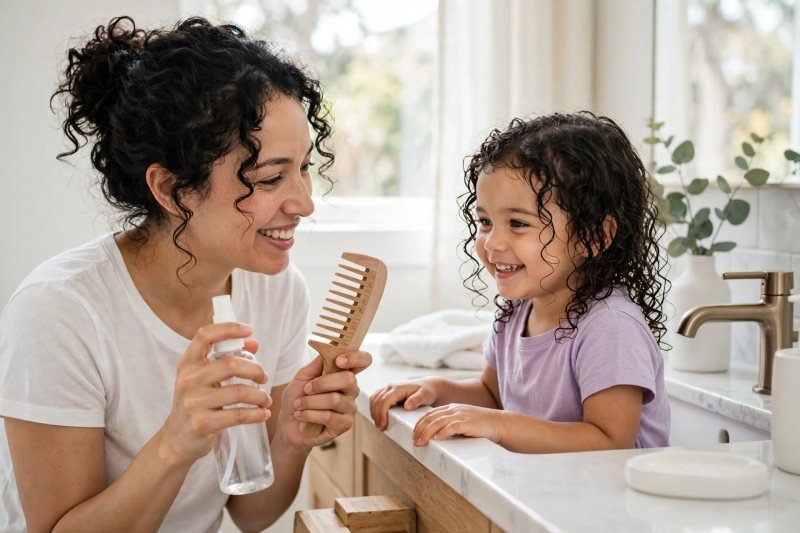
Leave-In Conditioner for Kids: When and How to Use It
Leave-in conditioner for kids is a light, no-rinse moisturizer that makes detangling gentler and keeps hair soft between washes. Here's when it helps, how much to use, and the gentle step-by-step.
-
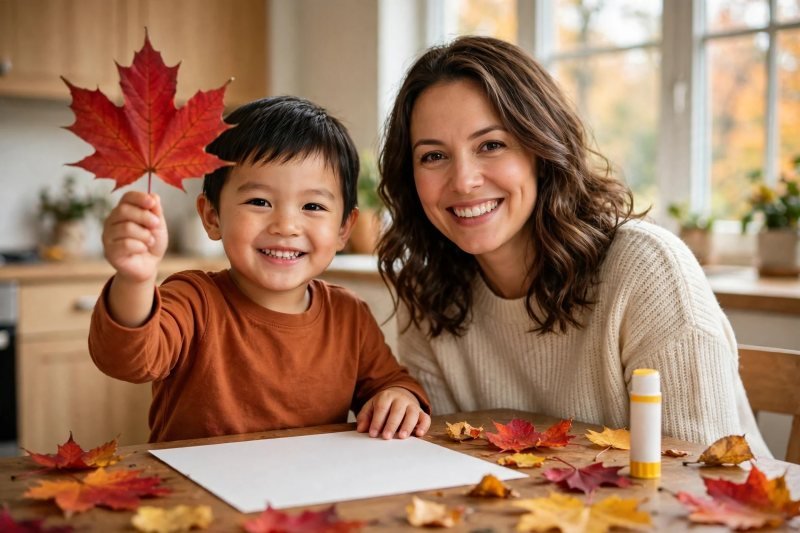
Fall Leaf Crafts for Kids: 5 Easy Preschool Makes With Real Leaves
Fall leaf crafts for kids start with a leaf hunt and end with a gallery. Five easy preschool makes — collage, leaf people, a wreath, a suncatcher, and leaf prints — using real leaves, glue, and washable paint.
-
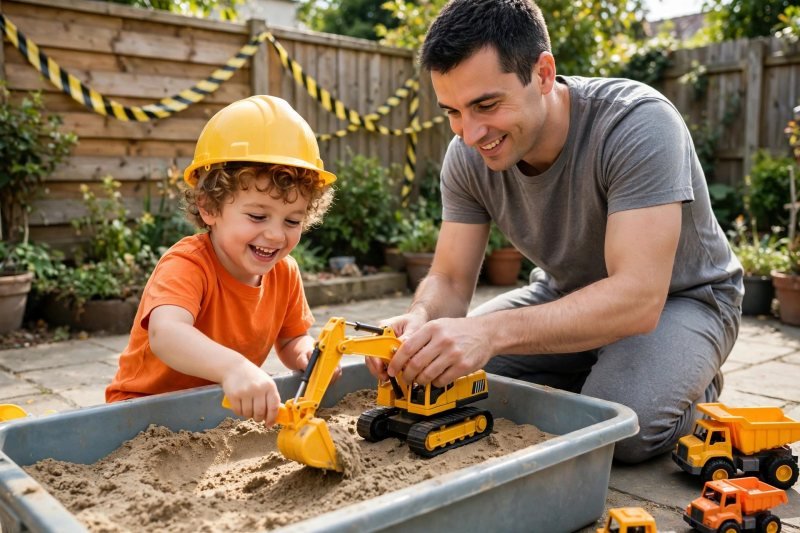
Construction Birthday Party Ideas for Little Builders
A construction birthday party gives little builders a day of digging, hauling, and stacking. This full guide covers a dig site, a dump-truck relay, and simple caution-stripe decor for a happy 4-year-old's party.
-
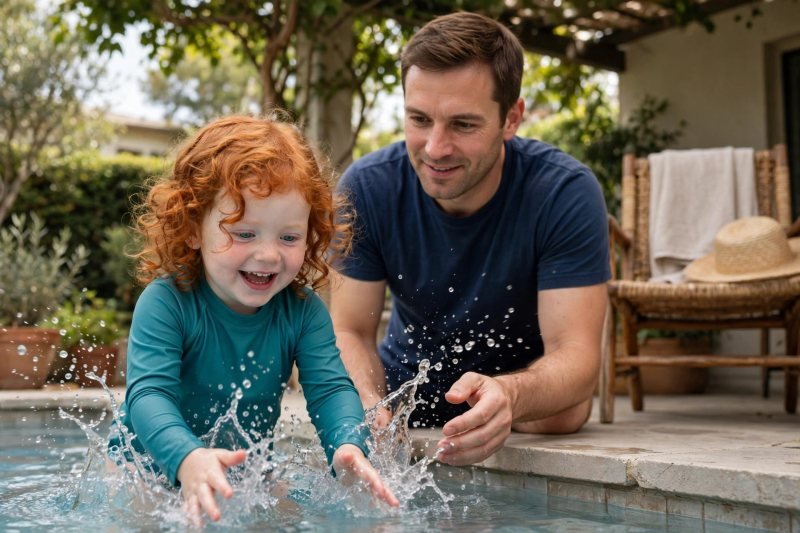
Kids Rash Guards: UPF 50+ Sun Protection Guide
Kids rash guards cover more skin than sunscreen alone, and the best ones carry the highest sun-protection rating, commonly labeled UPF 50+. This buying guide shows how to check the rating, fit, seams, and closures before swim day.
-

Itchy Skin in Kids: Common Causes and Relief
Itchy skin in kids is common and usually tied to dryness, heat, fabrics, or everyday irritants. This guide walks through gentle relief steps — lukewarm baths, moisturizer on damp skin, soft fabrics — plus clear signs to call your pediatrician.
-
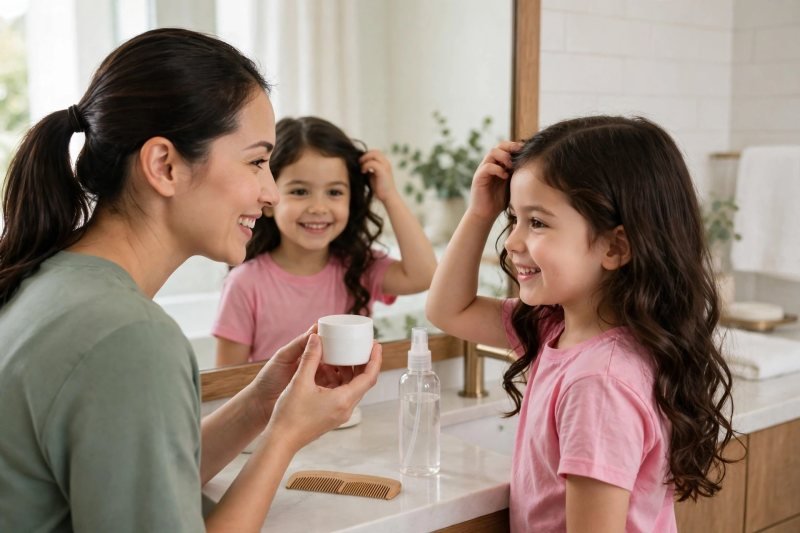
Kids' Hair Gel and Styling Products: What's Actually Safe?
Is hair gel for kids actually safe? For most 4- and 5-year-olds, a small amount of a simple, fragrance-free kids' product, used now and then and washed out the same day, is the careful approach. Here is how to choose and use it well.
-
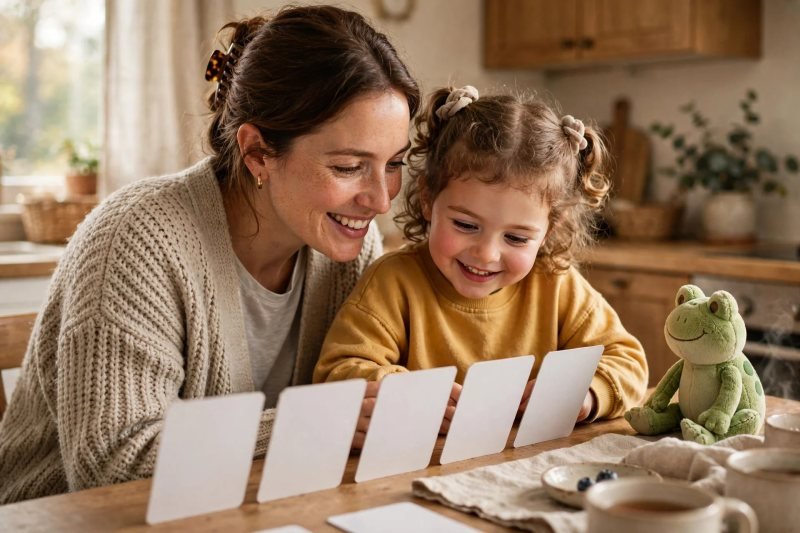
Read Write Inc Sounds for Parents: Set 1 Speed Sounds at Home (UK)
A UK parent guide to the Read Write Inc Set 1 sounds: the official sound order, pure-sound technique and Fred Talk blending, with a simple one-week plan to practise at home.
-

Fry First 100 Sight Words: Free List by Frequency
The full Fry sight words list, first 100 in frequency order, grouped in four sets of 25 — plus the games and 5-minute routine that make all 100 stick for ages 4–5.
-
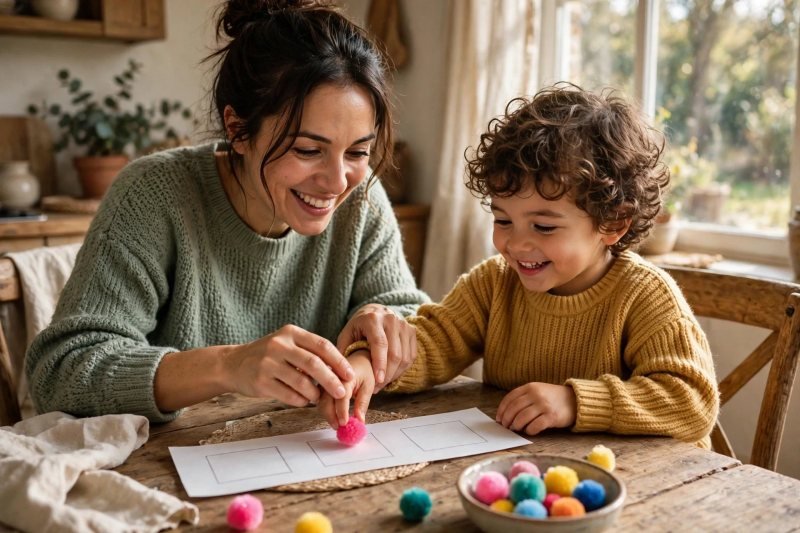
Elkonin Boxes: The Sound-Box Method That Teaches CVC Spelling
Elkonin boxes make speech sounds visible: draw one box per sound, slide a token in for each sound, then blend into a word. A 10-step parent guide for ages 4–5.
-
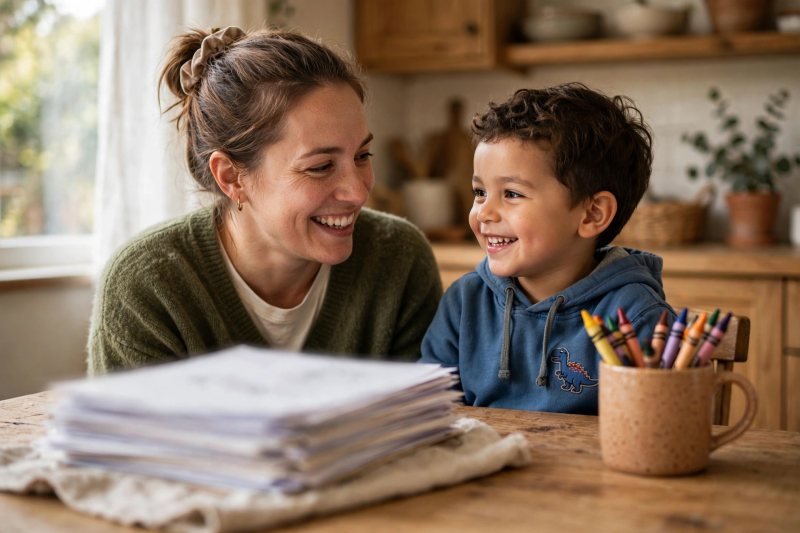
Rhyming Words Worksheet Pack: 10 Printables for Ages 4–5
A rhyming words worksheet pack with ten no-prep printables for ages 4–5: match-a-rhyme, odd one out, color-by-rhyme, bingo, and cut-and-sort.
-
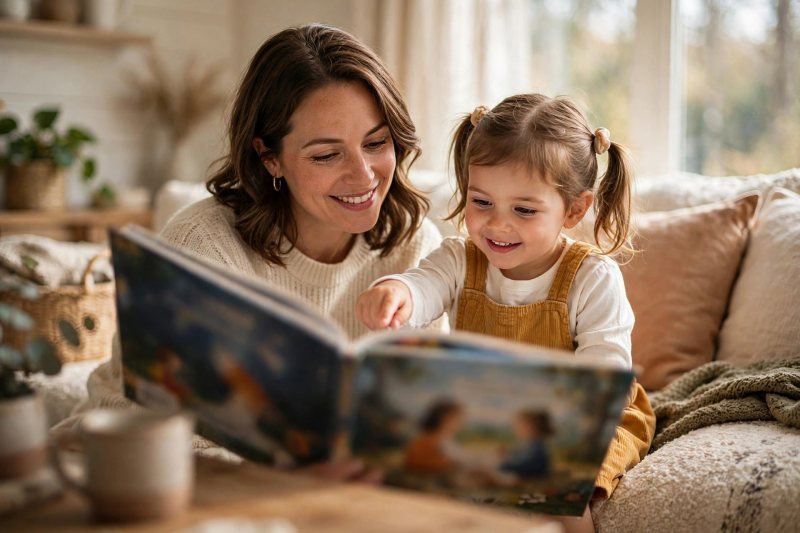
Sight Words vs Phonics: What's the Difference and What Comes First?
Sight words vs phonics: what's the difference, and what comes first for your 4-year-old? The honest answer — plus a simple weekly rhythm that uses both.
-
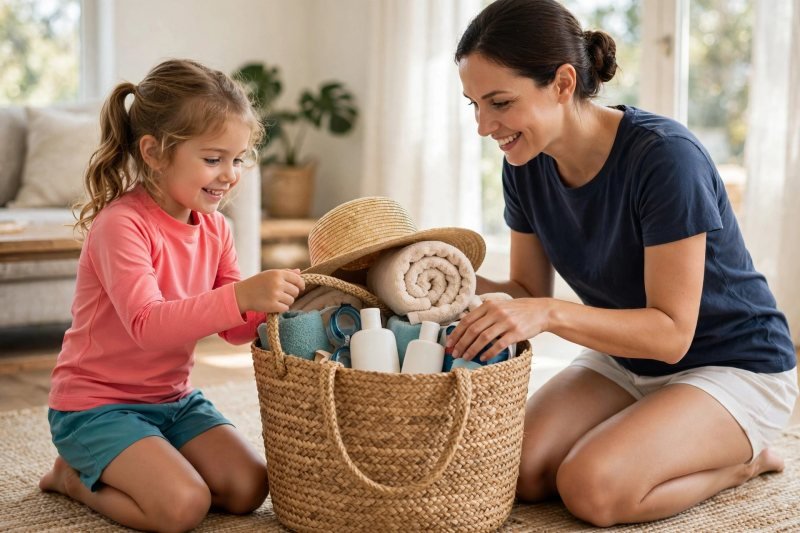
Kids Beach Outfits: What to Pack for a Day at the Shore
Kids beach outfits work best in layers: a swim outfit for the water, sun-protective cover for breaks, and a full dry change for the ride home. This packing guide shows you exactly what to pack, in what order, so nothing soggy or sandy ruins the day.
-
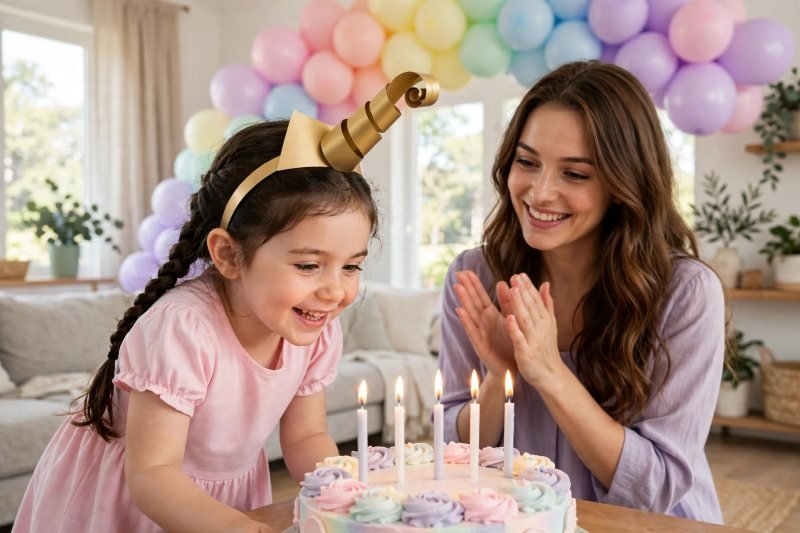
Unicorn Birthday Party Ideas: A Pastel Party for a 5-Year-Old
A unicorn birthday party that looks magical and runs calmly: a pastel palette, horn headbands the kids decorate themselves, rainbow food, beading and pin-the-horn stations, freeze dance, a treasure hunt, and a five-candle cake. Full plan inside.
-

When Do Kids Learn to Blend Sounds? Reading Milestones Ages 4–5
When do kids start blending sounds? Most begin around 4–5. The typical timeline, readiness signs, and gentle ways to practice.
-
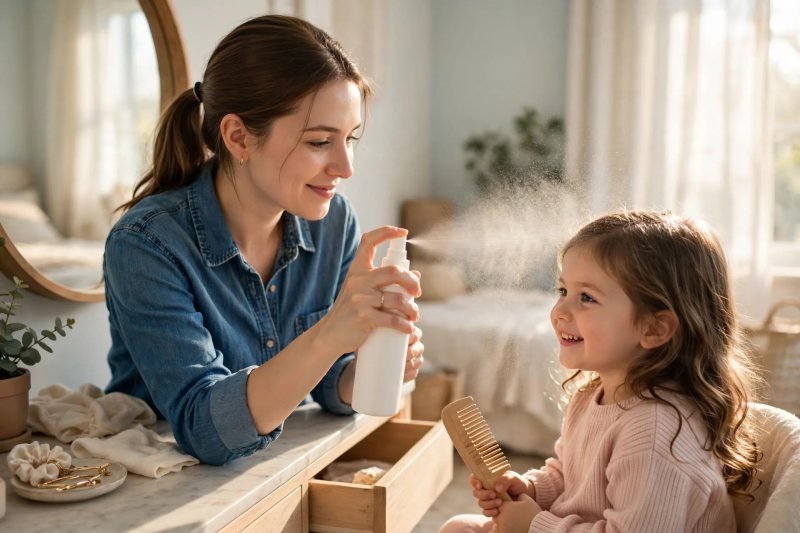
Best Detangling Spray for Kids: How to Choose and Use It
Finding the best detangling spray for kids is really two jobs: choosing well (made for kids, gentle, light) and using it right. This guide covers the label checks, the format choice, and a calm ten-step routine that ends the morning comb battle.
-
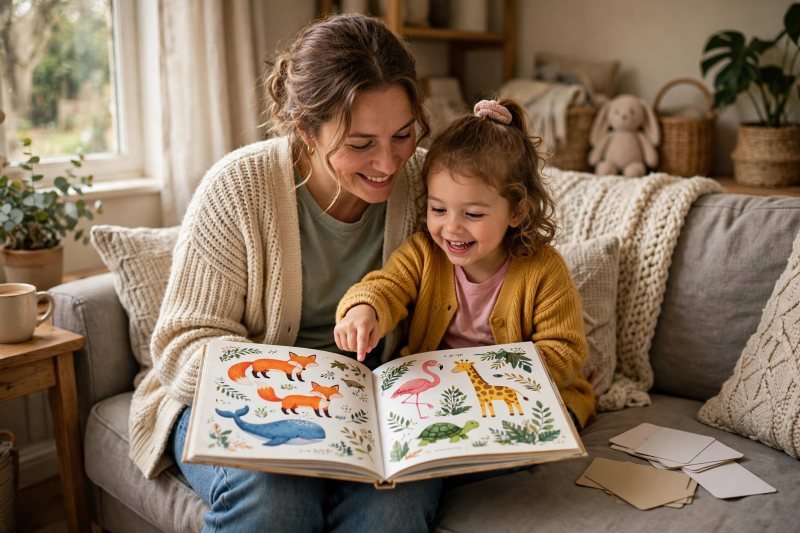
Tricky Words Reception: Phase 2 Words Explained for Parents (UK)
A UK parent's guide to the six phase 2 tricky words: what makes them tricky, the full list in teaching order, and four playful practice games.
-

'Ot' Family Words: 14 Words (Hot, Pot, Dot) + Rhyming Game
Teach 14 ot family words — hot, pot, dot, cot, spot — with kid-friendly clues, stretch words, and the -ot Pot Toss game for ages 4–5.
-
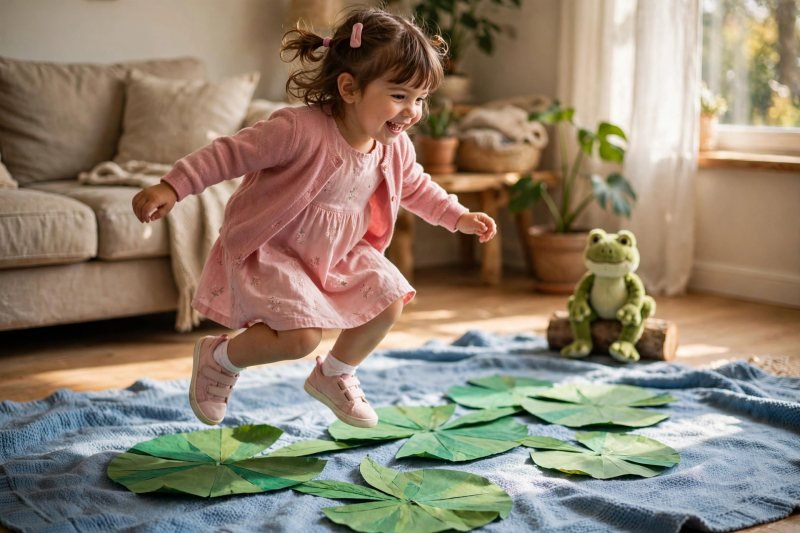
'Og' Family Words: 15 Words (Dog, Frog, Log) Kids Love to Read
Teach the -og word family with 15 real words — dog, frog, log and more — through a frog-log pond hop, a word ladder, and silly sentences for early readers.
-
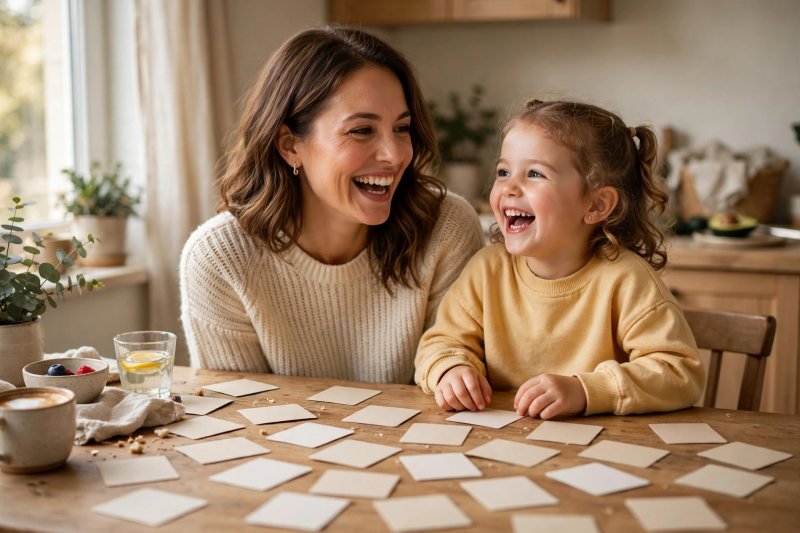
Short A CVC Words: 40 Words (Cat, Hat, Map) + Blending Tips
40 real short a CVC words (cat, hat, map) grouped by word family, with a three-step blending routine: oral blending, finger blending, read it.
-
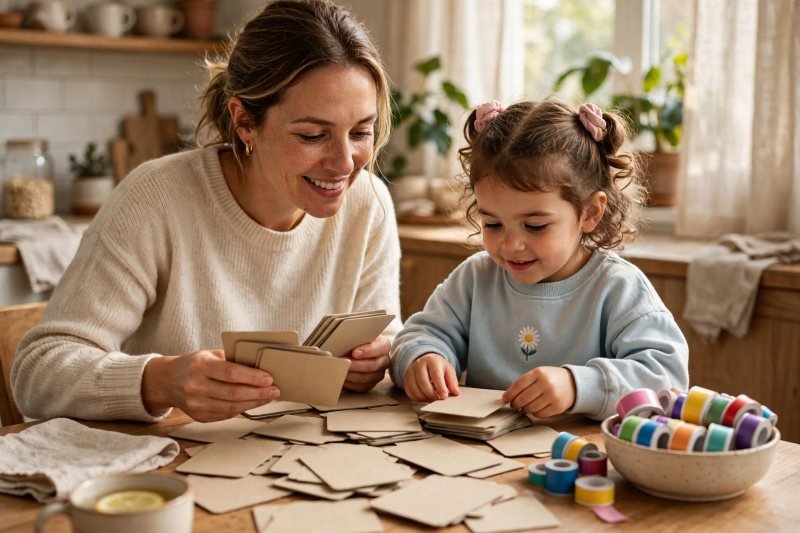
Free Printable Sight Word Flashcards: Pre-K and Kindergarten Sets
Two free printable sight word flashcard sets — a pre-K starter and kindergarten deck, sorted into color difficulty bands, plus five fun games for ages 4–5.
-
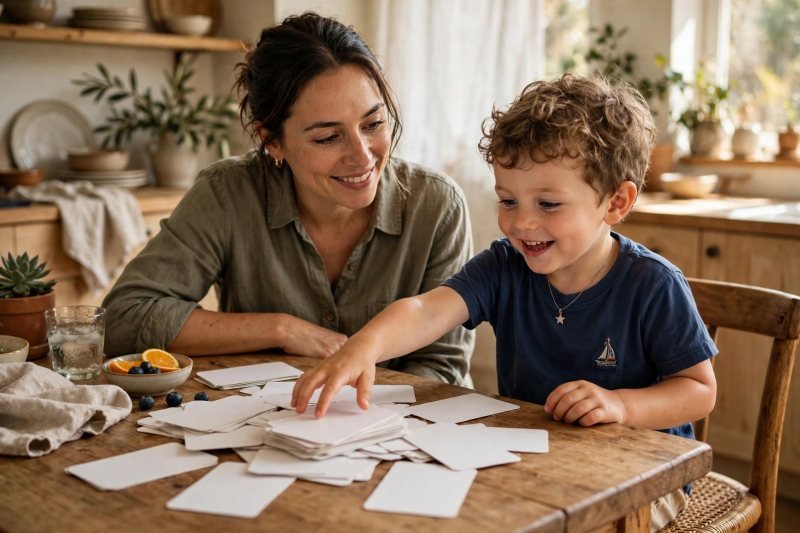
How to Teach Sight Words to a 4-Year-Old: 7 Methods That Actually Work
How to teach sight words to a 4-year-old without tears? Seven playful methods that work — hunts, salt tracing, chants — in ten-minute sessions.
-
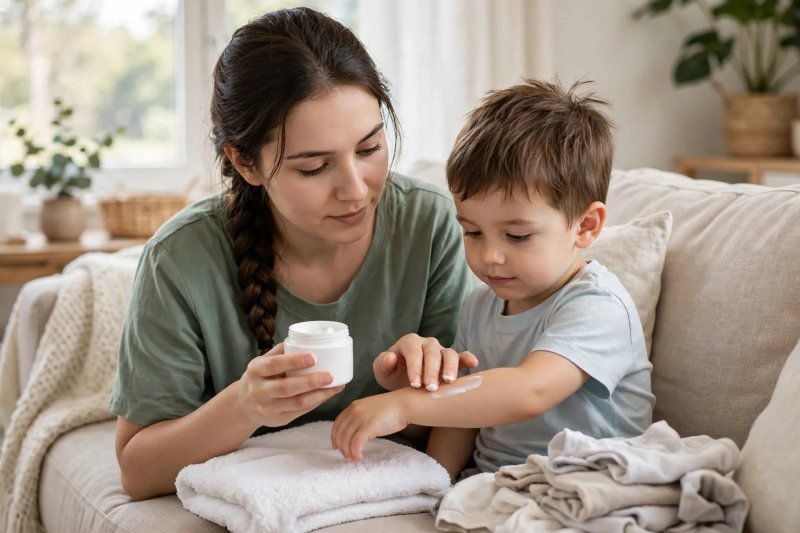
Dry Patches on Kids' Skin: A Calm Parent's Guide to What Helps
Dry patches on kids' skin are common and usually harmless — but they deserve a proper look. This guide walks through where to look, what to note, gentle bath and moisturizer habits that help dryness, and the clear signs for seeing a doctor.
-

Syllable Clapping Games: 10 Ways Preschoolers Can Feel the Beats in Words
Ten hands-on syllable activities for preschool that turn the beats in words into whole-body play. Clap names, stomp animal words, drum food words and march syllables — no worksheets, no flashcards, no prep. Just joyful phonics games for ages 3–4 that build the listening skills behind learning to read.
-
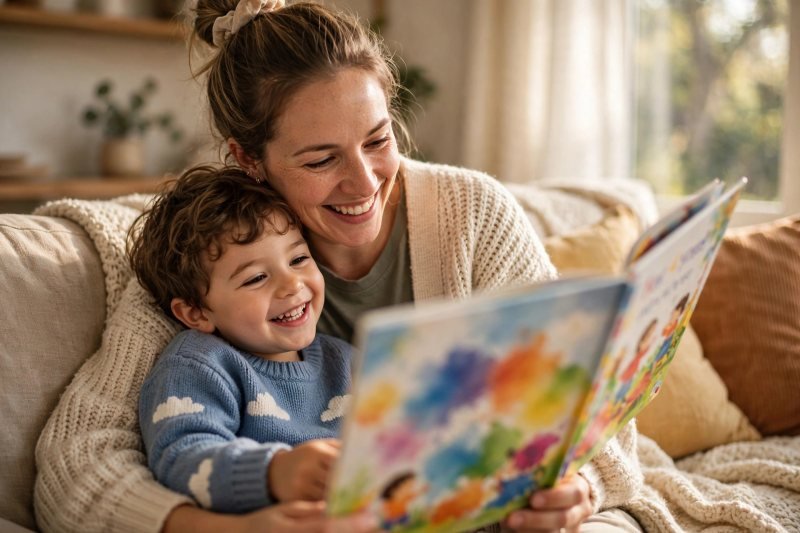
Rhyming Books for Preschoolers: 15 Read-Alouds That Make Rhymes Stick
Fifteen beloved rhyming books for preschoolers, plus the simple pause-and-fill read-aloud trick that turns every rhyme into real learning for ages 3–4.


