


3-Year-Olds
Activities for 3-year-olds.
Three brings a noticeable jump: activities can have two or three steps, pretend play gets going properly, and a child will sit with something for ten or fifteen minutes if it is the right something.
It also brings firm views about doing it their own way. Activities with a fixed right answer tend to go badly; open ones with no wrong version go well.
Cutting, gluing, threading and sorting all become possible around now, usually messily. Child scissors and a low table are the two things that make the biggest difference.
Activities
-
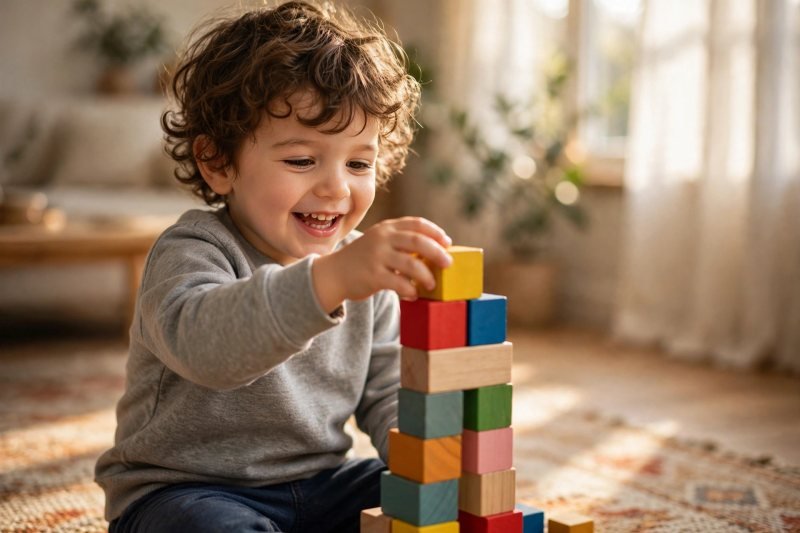
What Should a 3-Year-Old Know? Academic Milestones Without the Pressure
Wondering what should a 3 year old know? A reassuring, pressure-free guide to the language, number, motor, and social milestones many 3-year-olds reach.
-
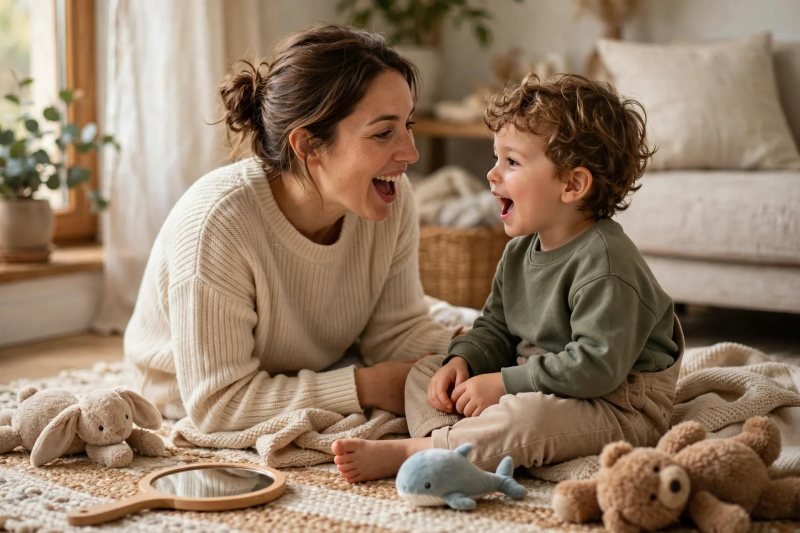
How to Teach Letter Sounds to Preschoolers in 5 Minutes a Day
A five-minute daily routine for how to teach letter sounds to preschoolers: a teaching order to introduce sounds (not A to Z), one sound a day with multisensory play, quick reviews, and gentle fixes for b/d mix-ups. Ages 3–4.
-
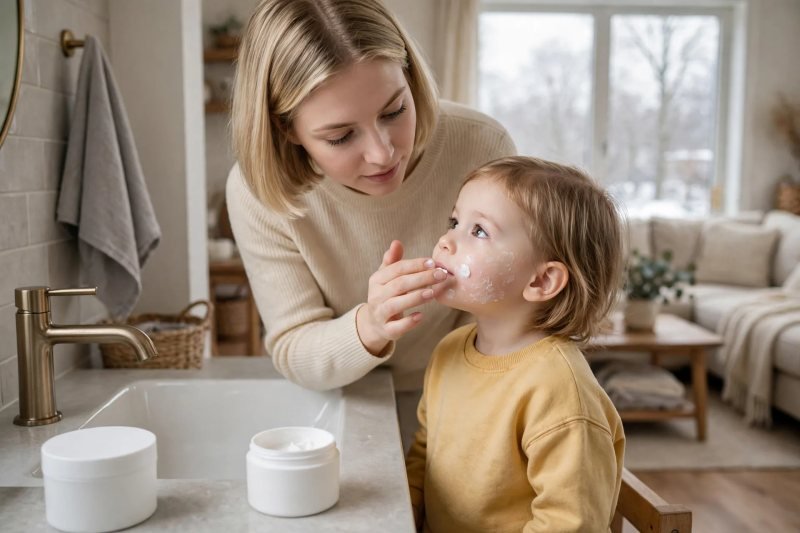
Dry Skin on Kids' Faces: Causes and Gentle Fixes
Dry skin on kids' faces is usually winter air, drool, and over-washing at work. These gentle fixes — lukewarm water, soak-and-seal moisturizing, and a barrier layer before going outside — calm winter cheeks fast.
-
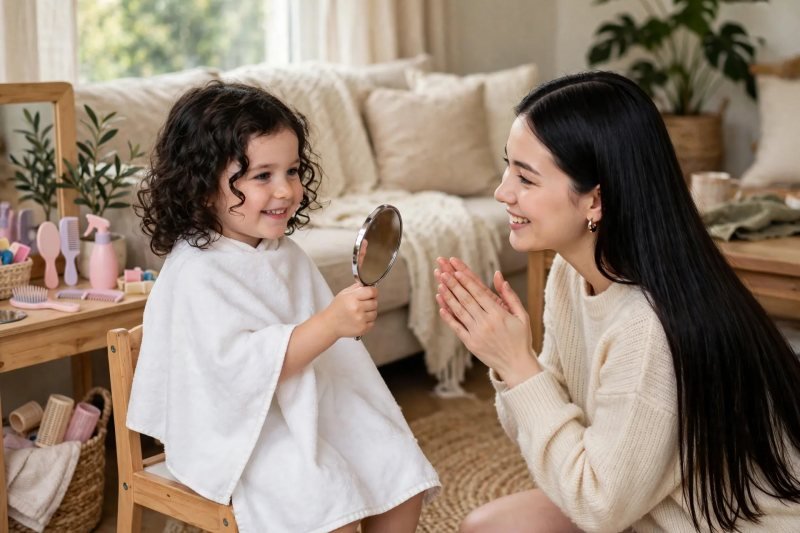
Child Scared of Haircuts? 12 Ways to Ease Haircut Anxiety
Is your child scared of haircuts? These 12 gentle ways ease haircut anxiety for ages 3–4 — pretend salon play, watching a parent's trim, choosing a cape, and a tiny first trim — with no forcing, ever.
-
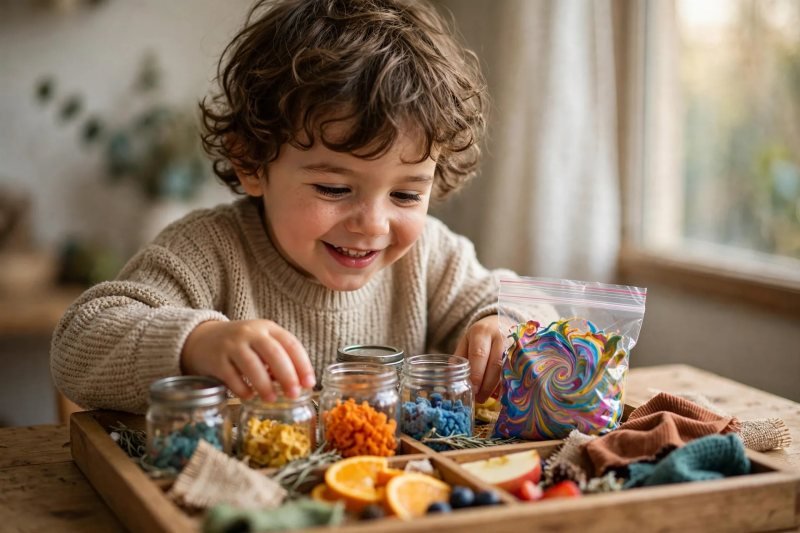
Five Senses Activities for Preschoolers
Looking for five senses activities for preschool that actually teach your child something? These 10 steps pack 16 hands-on sensory play ideas for ages 3–4 — sight, hearing, smell, taste and touch games — use everyday items from your kitchen and take minutes to set up.
-
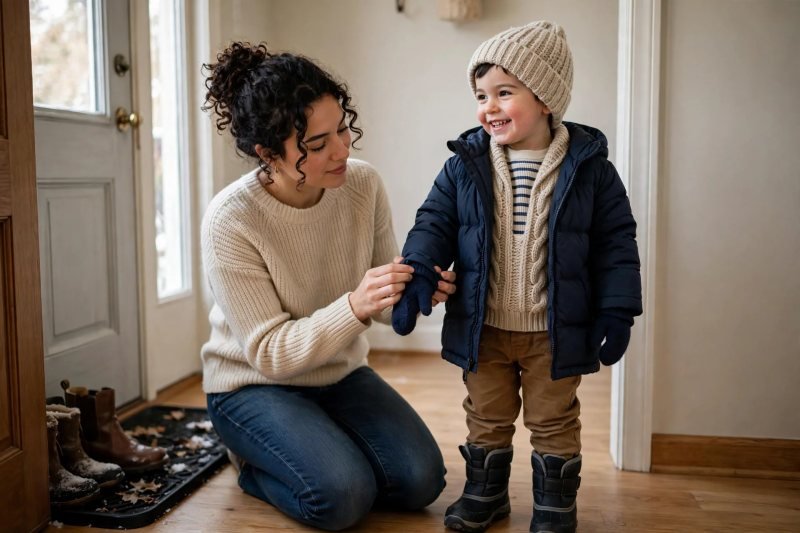
Toddler Boy Winter Outfits: 20 Warm Looks for Cold Days
Toddler boy winter outfits made easy: 20 warm looks for ages 2–3 built on a base, a cozy middle and a winter coat — with a dressing routine toddlers can help run.
-
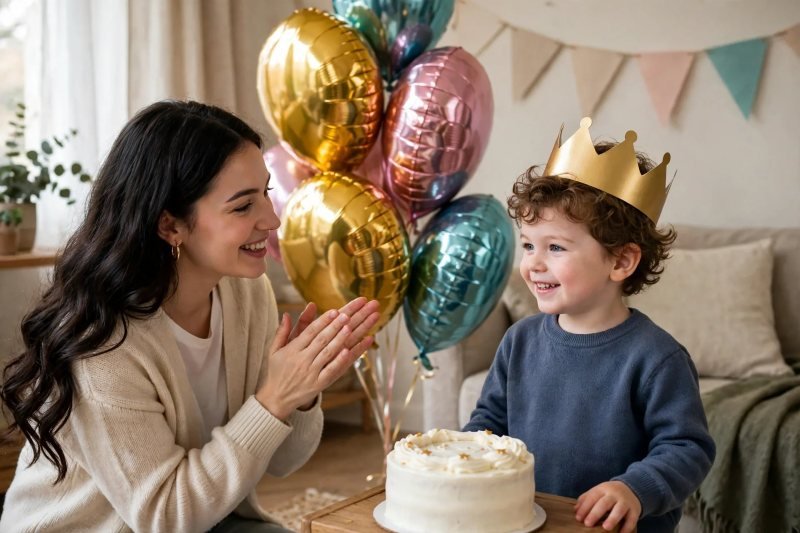
3rd Birthday Party Ideas: Themes, Games and Easy Plans
These 3rd birthday party ideas keep it simple: pick one easy theme, plan games in a calm order, serve allergy-aware finger foods, and run a two-hour party that ends before anyone melts down — including you.
-
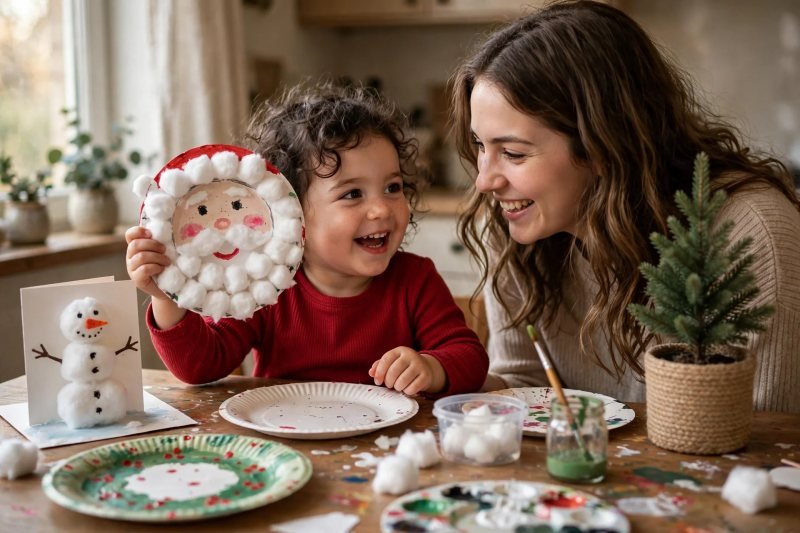
Easy Christmas Crafts for Toddlers
Easy Christmas crafts for toddlers ages 2–3: ten simple makes — a paper plate Santa, handprint reindeer, cotton snowman and more — with washable supplies and a tidy-up routine.
-
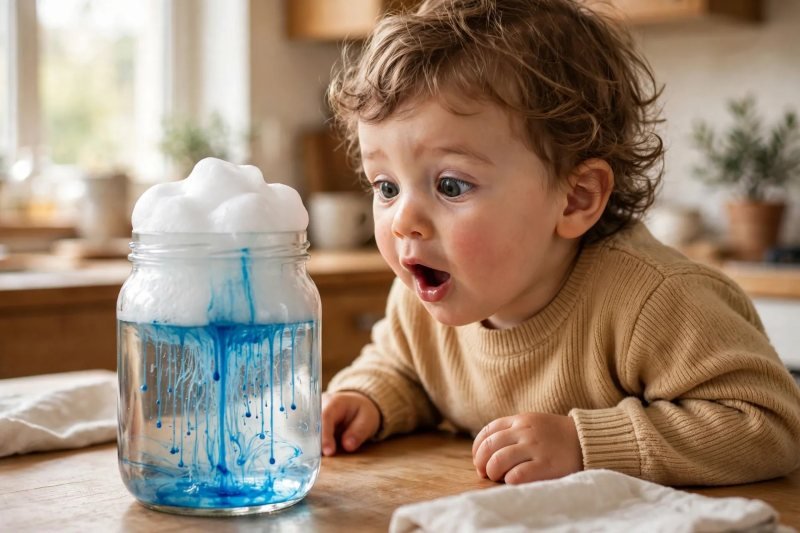
Rain Cloud in a Jar Experiment for Toddlers
Make it rain inside a jar with this gentle rain cloud in a jar experiment for toddlers — shaving-foam clouds, blue food-coloring rain, and real weather learning in ten minutes, with full safety notes for ages 2–3.
-
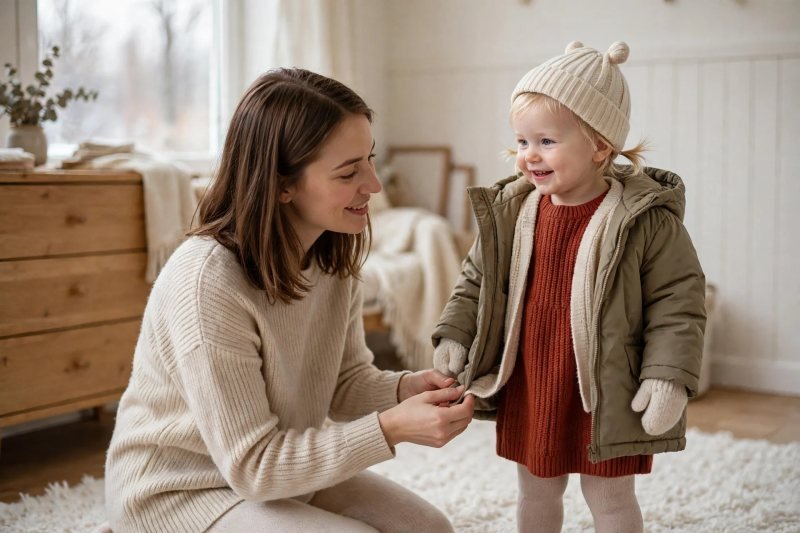
Toddler Girl Winter Outfits: Cozy Dresses and Warm Layers
Toddler girl winter outfits that actually stay warm: a soft base, a cozy dress, fleece tights and a warm coat — plus a step-by-step dressing routine for ages 2–3.
-
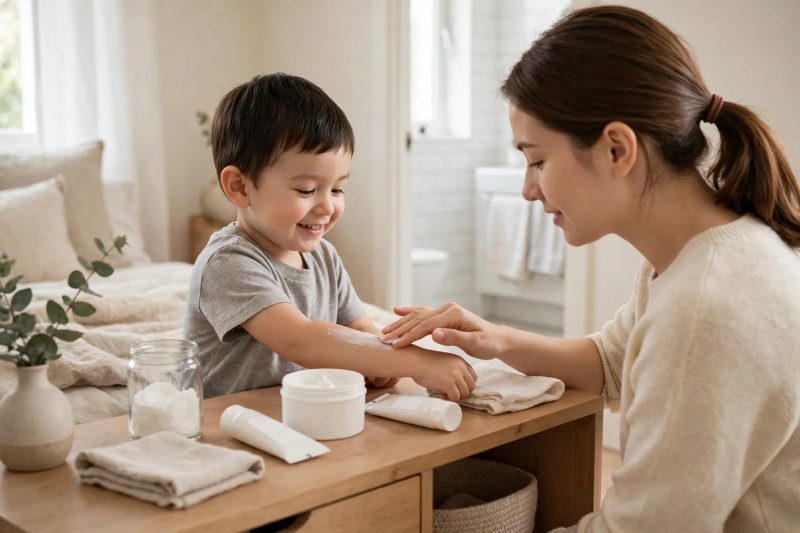
Best Moisturizer for Kids with Dry Skin
Finding the best moisturizer for kids comes down to three things: a fragrance-free cream or ointment, a patch test first, and the soak-and-seal habit — moisturizing within minutes of a lukewarm bath.
-
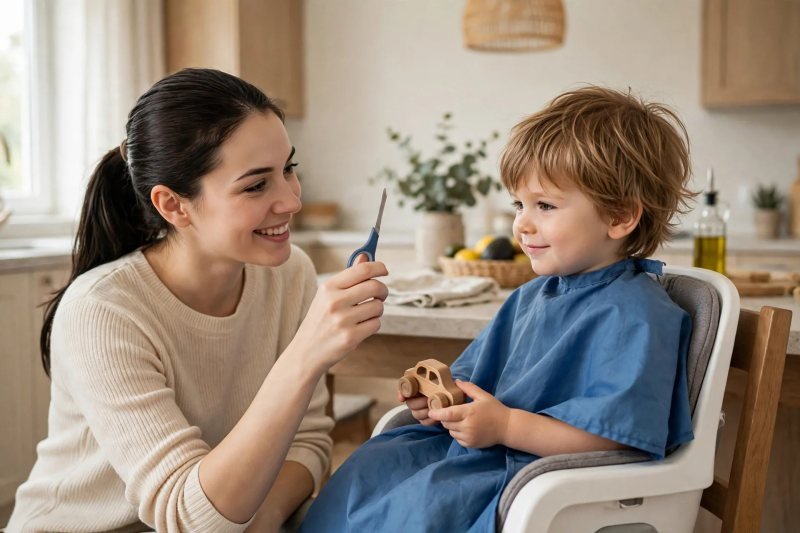
Cutting Toddler Hair at Home: A Safe Step-by-Step Guide
Learn how to cut toddler hair at home safely: blunt-tip scissors, small sections, guarded ears, and a calm step-by-step trim for ages 2–3 — plus when to stop and book a salon instead.
-
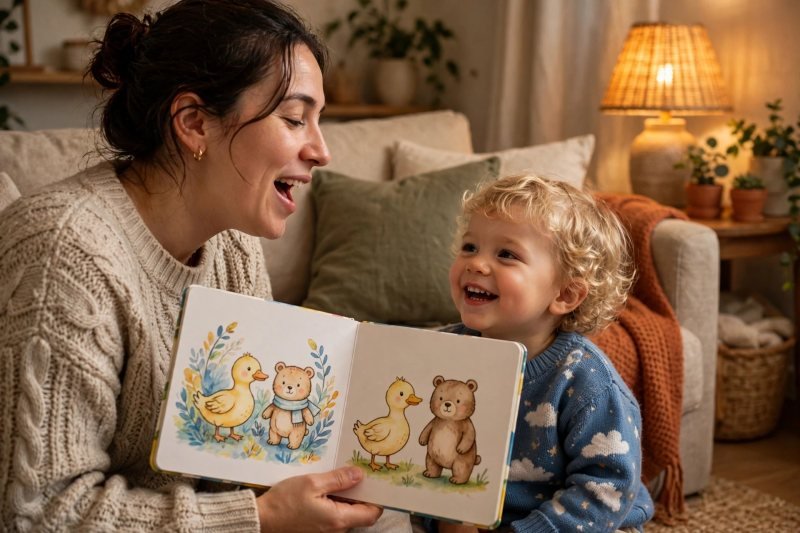
Nursery Rhymes for Toddlers: 20 Classics That Build Early Reading Skills
Twenty classic nursery rhymes for toddlers, each one quietly building early reading skills. Bouncy action rhymes, gentle bedtime songs, counting rhymes and silly favorites — every one trains the rhythm, rhyme and sound awareness your child needs before letters even make sense.
-
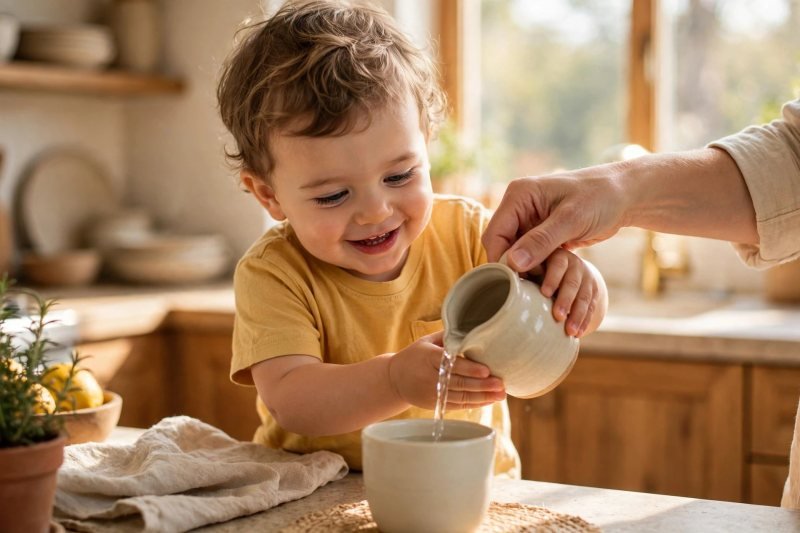
Easy Science Experiments for Toddlers: 10 Safe First Experiments (Ages 2–3)
10 safe, taste-friendly science experiments for toddlers ages 2–3 — sink or float, color mixing, fizzing colors, ice melting and more, all using things you already own.
-
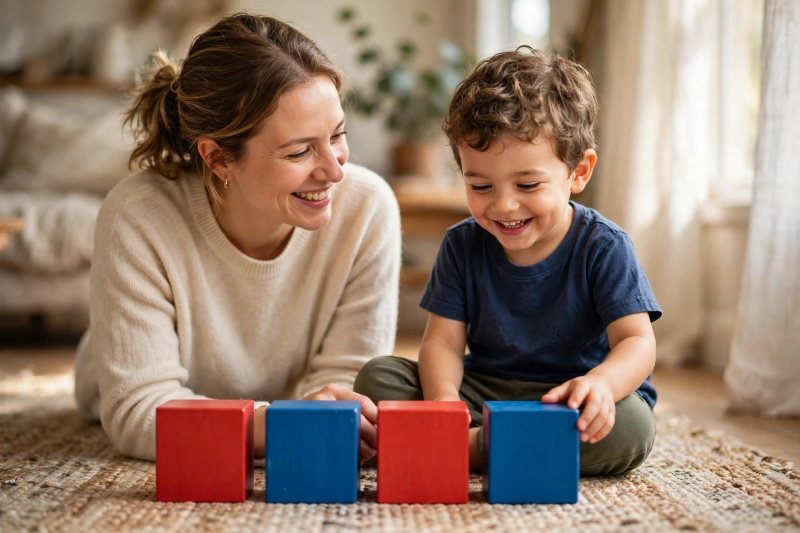
AB Patterns for Preschoolers: The First Pattern to Master
A step-by-step guide for parents on teaching AB patterns — the first pattern every preschooler should master. How to demonstrate, name, copy, extend, fix, and create repeating patterns with objects you already own, for ages 3–4.
-
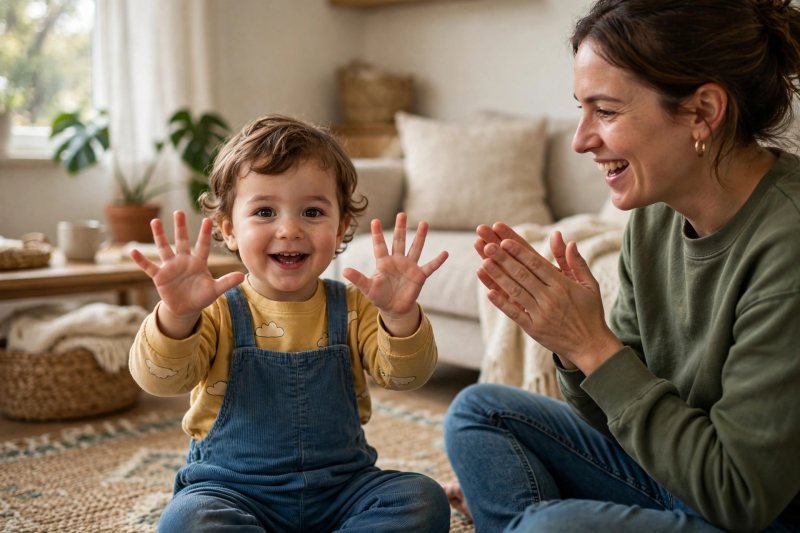
Counting to 10 Activities: Your Toddler's First Big Math Milestone
Counting to 10 activities for toddlers, built as a 10-step plan toward your child's first big math milestone. Take your 2-year-old from hearing numbers to counting ten real objects on their own — with signs of readiness, no worksheets, and zero pressure.
-
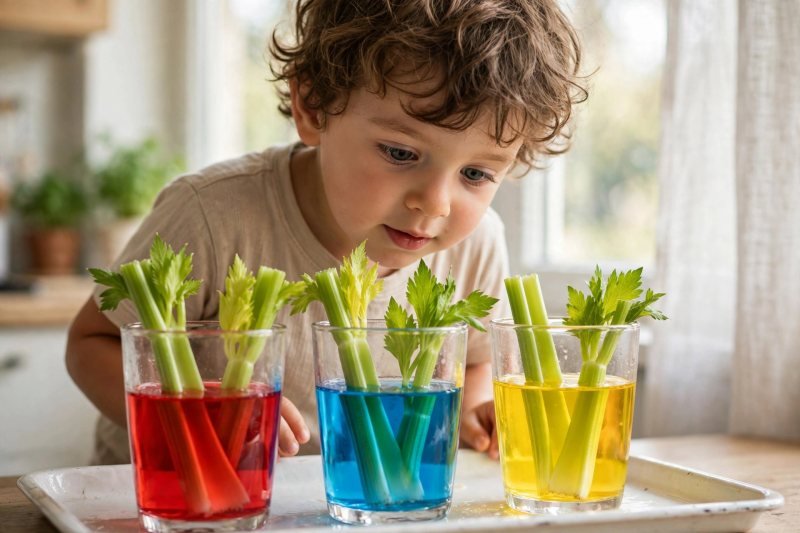
Celery Rainbow Experiment: How Plants Drink Water
This celery experiment for kids stands fresh celery in glasses of colored water and watches the color climb the stalks overnight — giving 3- and 4-year-olds a front-row seat to how plants drink.
-
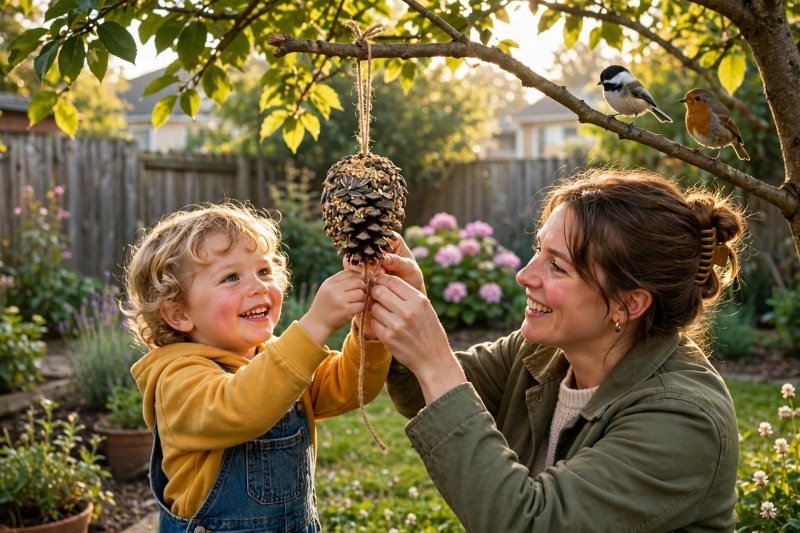
Bird Feeder Craft for Preschoolers
This bird feeder craft for kids uses a pine cone, seed butter and wild birdseed to make a feeder you can hang outside today — then your preschooler watches the window for the first hungry visitor.
-
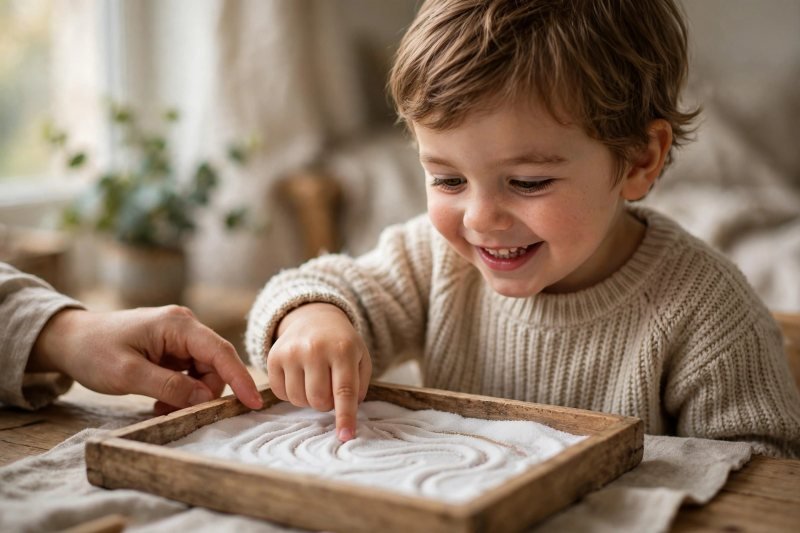
Pre Writing Strokes Worksheets: 13 Basic Strokes Every Preschooler Needs Before Letters
Before your preschooler traces a letter, they need 13 simple strokes. This playful printable pack teaches lines, circles, crosses, zigzags, and loops in learning order, with a gentle 4-week plan.
-
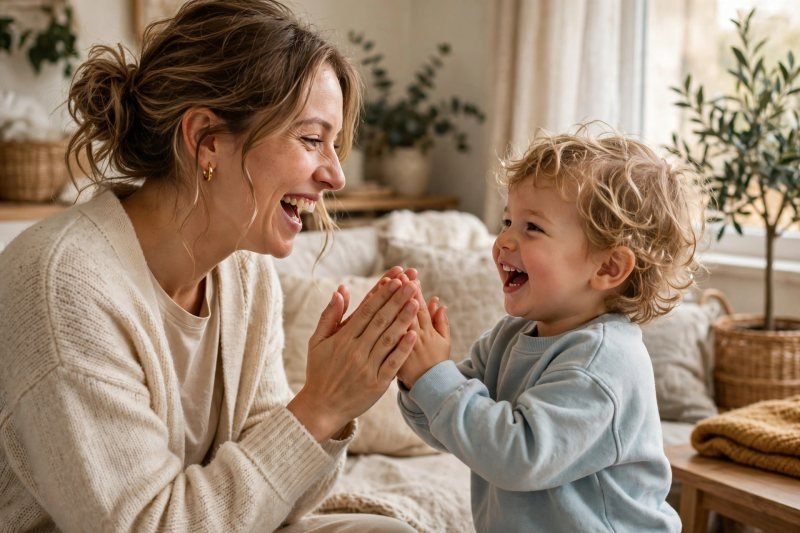
Why Nursery Rhymes Matter for Reading: What the Research Says for Parents
The benefits of nursery rhymes go beyond cute songs: rhymes build the sound awareness, vocabulary, and memory toddlers need for reading. A parent guide.
-
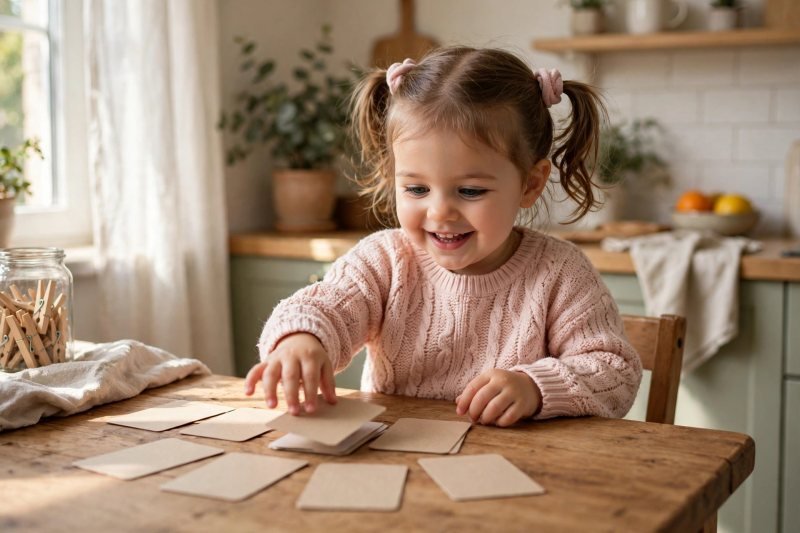
Animal Homes for Preschoolers: Make-and-Play Matching Game
Animal homes for preschoolers turn into a hands-on matching game: make 10 pairs of cards — bird and nest, bee and hive, rabbit and burrow — then flip two at a time to reunite each animal with its home. Card-making takes about 20 minutes, each round plays in 10–15, and every match sneaks in real science vocabulary.
-
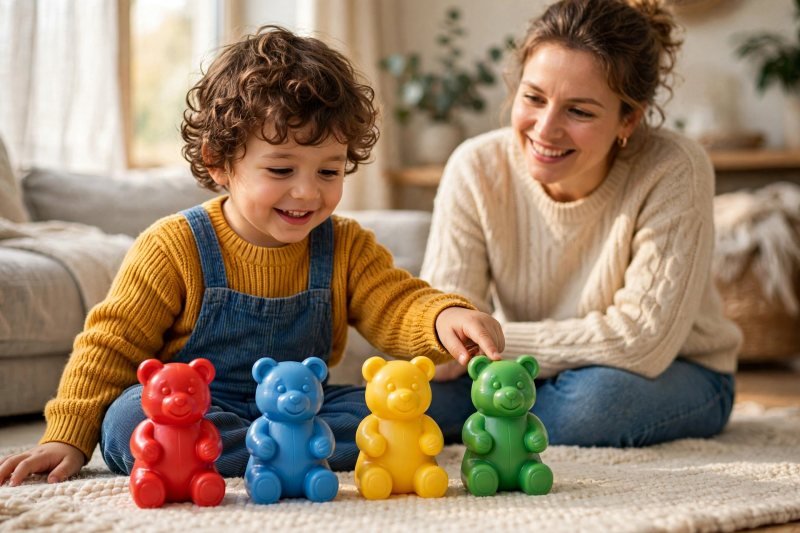
Counting Games for Preschoolers That Build Real Number Sense
Ten counting games for preschoolers that build real number sense — not just reciting numbers. Roll-and-count bears, sock toss, color number hunts, and kitchen counting games for ages 3–4, all using things you already own.
-
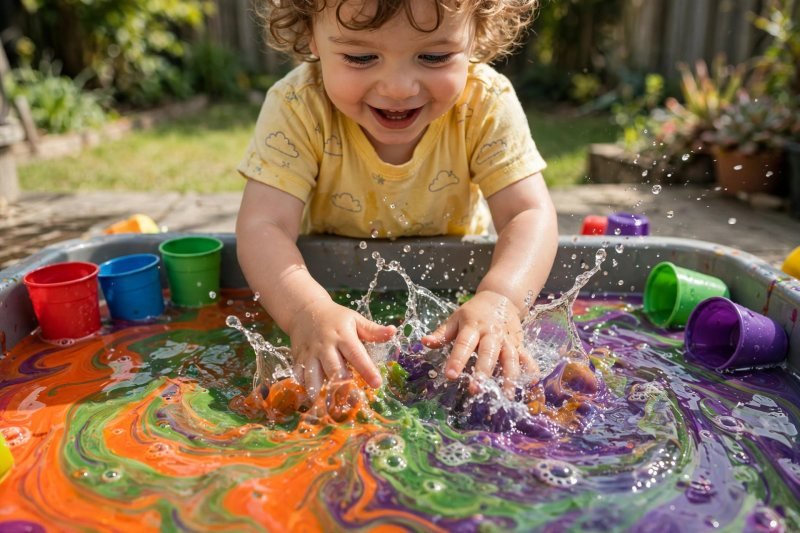
Color Mixing for Toddlers: Easy Water Play Science
Splash, pour, and squirt colored water to discover orange, green, and purple! Easy sensory color mixing for toddlers ages 2-3, run outdoors or in the bathtub with non-toxic washable materials.
-
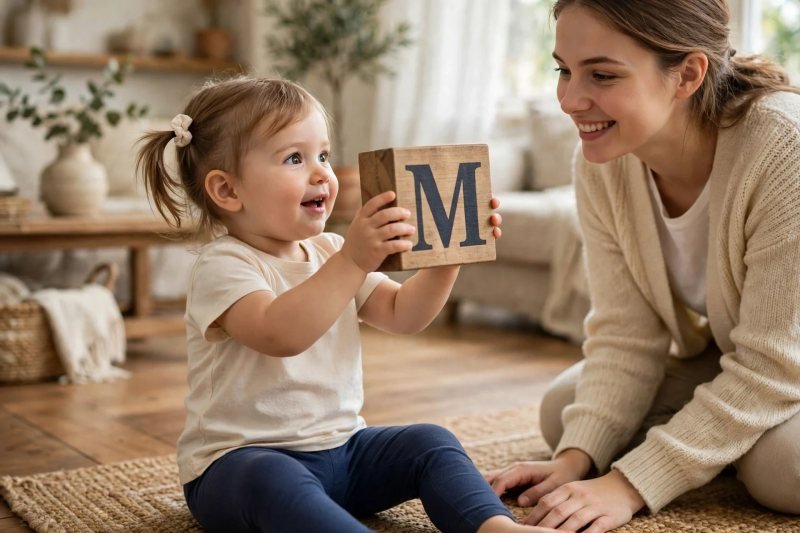
When Can Toddlers Recognize Letters? Milestones at Ages 2 and 3
When can toddlers recognize letters? Most start between ages 3 and 4, beginning with the letters in their own name. This calm guide maps the typical path from age 2 to 3.


