


3-Year-Olds
Activities for 3-year-olds.
Three brings a noticeable jump: activities can have two or three steps, pretend play gets going properly, and a child will sit with something for ten or fifteen minutes if it is the right something.
It also brings firm views about doing it their own way. Activities with a fixed right answer tend to go badly; open ones with no wrong version go well.
Cutting, gluing, threading and sorting all become possible around now, usually messily. Child scissors and a low table are the two things that make the biggest difference.
Activities
-

Dancing Raisins Experiment for Preschoolers
Drop raisins into fizzy water and watch them dance up and down. This easy preschool science experiment uses simple kitchen materials and delivers a big wow moment in under a minute.
-

Bead Pattern Activities: String, Copy and Create Sequences
Bead pattern activities for ages 3–4: copy pattern cards onto a shoelace, continue a started necklace, invent your own bead sequences, and sort beads by pattern — all with big, safe wooden beads and an adult at the table.
-
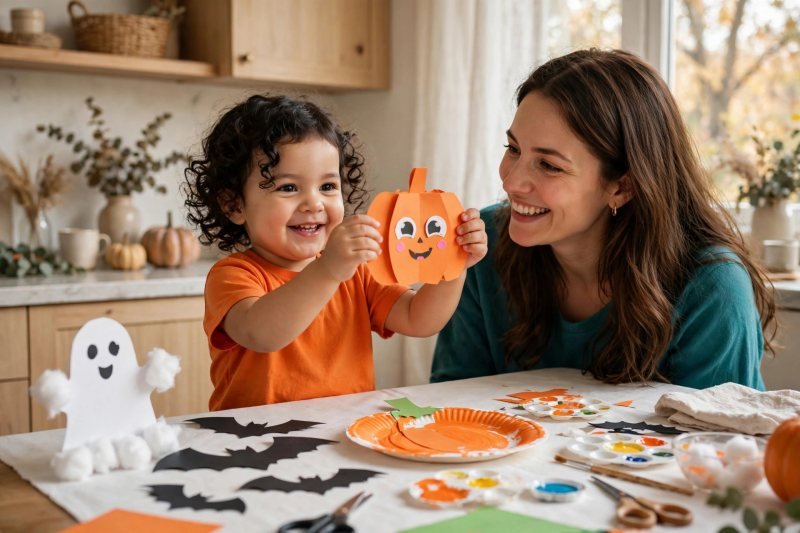
Halloween Crafts for Toddlers: 10 Easy Low-Mess Ideas
Ten gentle, low-mess Halloween crafts for toddlers — sticker pumpkins, handprint ghosts, and cotton-ball collages — planned as one happy craft session for ages 2–3.
-
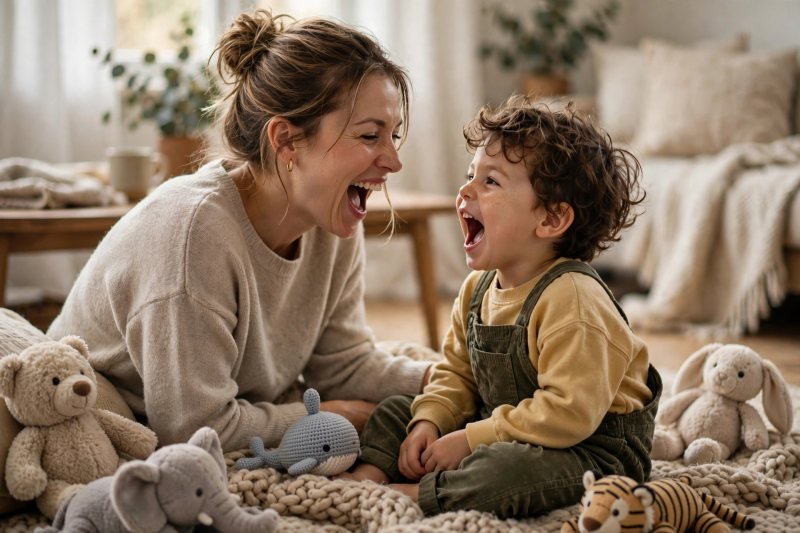
Alliteration Activities for Preschoolers: Silly Sound Games That Teach Listening
Ten laugh-out-loud alliteration games for preschoolers — silly sound play with names, toys, and tongue twisters that trains little ears to hear beginning sounds.
-
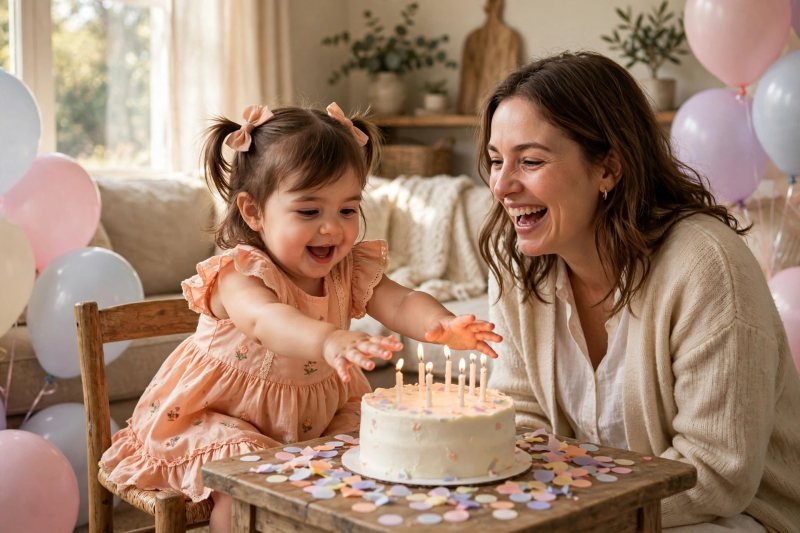
2nd Birthday Party Ideas: 30+ Fun Themes for Toddlers
A step-by-step planning guide for a nap-friendly second birthday: 30+ toddler party themes, a calm 45-minute party flow, toddler-proof food, and the smash-cake moment — low-key by design.
-
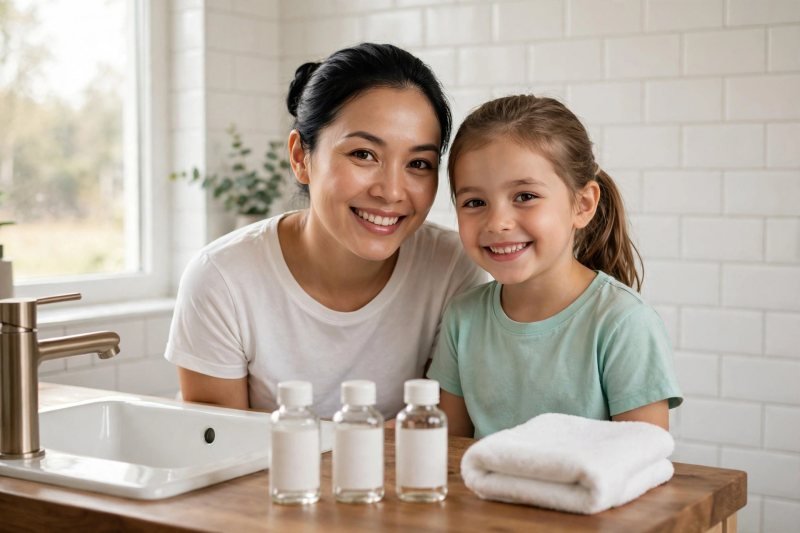
Kids' Skincare Routine: Simple Steps for Ages 2–8
A kids' skincare routine doesn't need a shelf of products — just gentle cleansing, moisturizing, and sunscreen. Here is a simple less-is-more daily routine for ages 2–8 that builds healthy habits without the fuss.
-

Itsy Bitsy Spider Lyrics and Fingerplay: A Toddler Rhyming Favorite
Learn the itsy bitsy spider lyrics and the simple fingerplay moves step by step. A sweet rhyming song for ages 2–3 that builds finger control, sequencing, and weather words — no props needed, just hands.
-
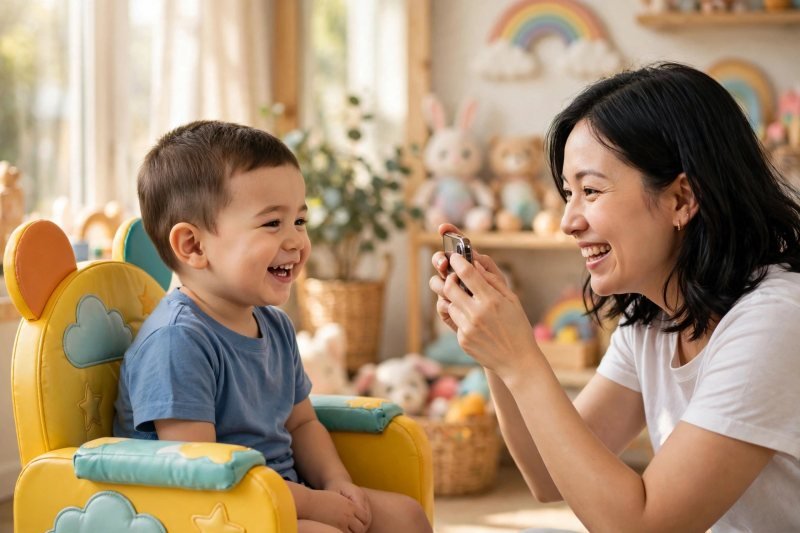
Toddler First Haircut: When to Go and How to Make It Tear-Free
Wondering about your toddler's first haircut? Most toddlers need one between 12 and 24 months — and the right timing signs, a kid-friendly salon, and a little at-home practice turn a potentially tearful milestone into a happy one.
-
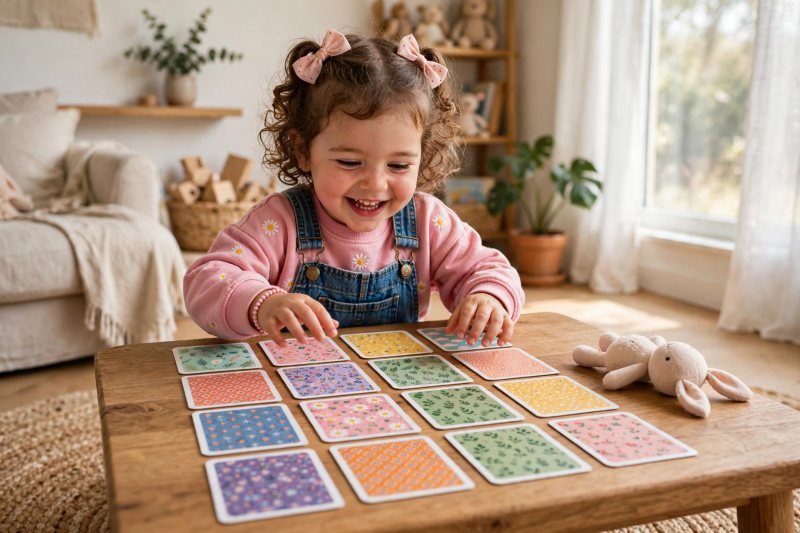
Memory Games for Preschoolers: 16 Classic & DIY Games
Sixteen memory games for preschoolers: 8 classics for ages 3–4 plus 8 no-prep DIY games from things you already own. Build working memory, attention, and turn-taking — start with just two pairs.
-

Preschool Winter Outfits: Cozy Looks for Ages 3–5
Cold mornings run smoother with a plan. These cozy preschool winter outfits for ages 3–5 pair real warmth with growing independence — parent-approved choices, easy layers, and a coat trick kids love.
-
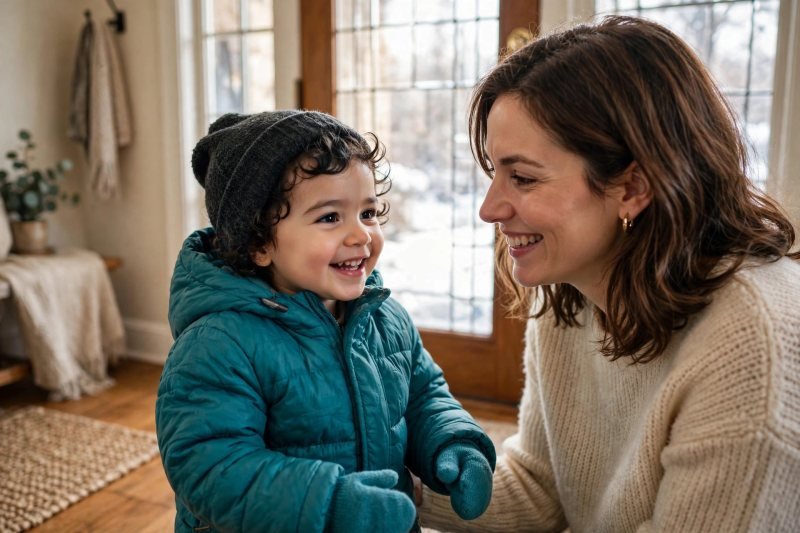
Toddler Winter Outfits: 20 Warm Looks for Ages 2-3
How to dress a toddler for a cold winter day: three warm layers, boots, hat and mittens — plus 20 toddler winter outfits for ages 2–3 built from what's already in the drawer.
-
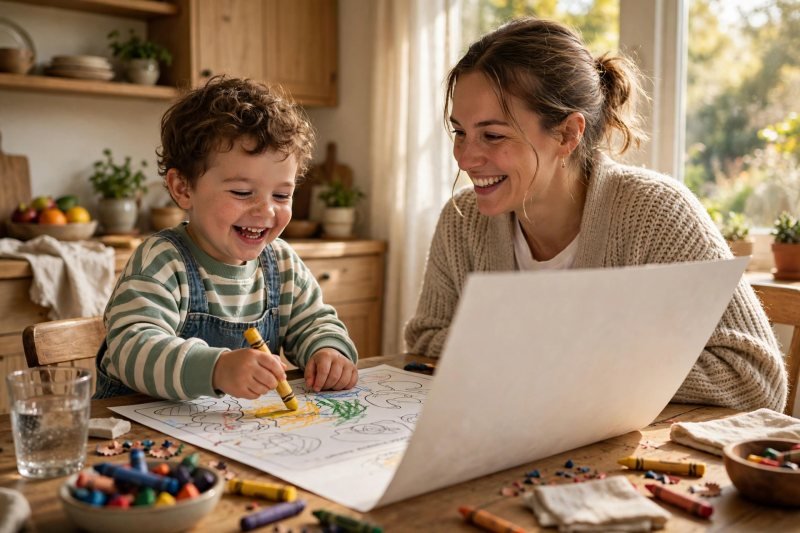
Alphabet Worksheets for Preschool: What Actually Works at Age 3–4
A practical, honest parent guide to alphabet worksheets for preschool: the worksheet styles that genuinely work at ages 3–4, the ones to skip for now, and how to run calm, happy five-minute sessions — no pressure, no guilt.
-
Letter of the Week Activities for Preschool: A Complete 10-Step System for 3–4-Year-Olds
A complete letter-of-the-week system for preschool at home: how to order your letters, a full sample week of sound games, hunts, sensory play, crafts, snacks, songs and review games, plus a reusable weekly template and progress tracker. Don't try to plan 26 weeks at once — learn one repeatable weekly rhythm and run it for every letter, all year.
-

What Order to Teach Letters and Sounds: Sounds First, Here's Why
Wondering what order to teach letters and sounds in? Sounds come first — they unlock blending and reading. Get the research-backed order plus a 10-step sounds-first session for 3–4-year-olds. Sounds unlock reading — letter names don't. Here's the order that works, and a guided session that teaches it to you and your child in one sitting.
-
Alphabet Recognition Activities for Preschool: 10 No-Worksheet Games for Ages 3–4
Ten no-worksheet alphabet recognition activities for preschool: one continuous movement-and-sensory game session — letter hunts, stomping, sensory bins, chalk play and a calm-down finish — for 3–4-year-olds. One continuous 10-game session that teaches letter recognition through movement and touch — no worksheets, no flashcards, no sitting still.
-
20 Letter Sounds Games in 10 Steps for Preschool
Twenty playful letter sounds games for preschoolers ages 3–4 — listening games, sound hunts, movement play and silly sound fun that build real phonics skills, one joyful step at a time. Twenty joyful games that teach letter SOUNDS — not letter names — through listening, moving, sorting and giggling. No flashcards, no worksheets, no pressure.
-
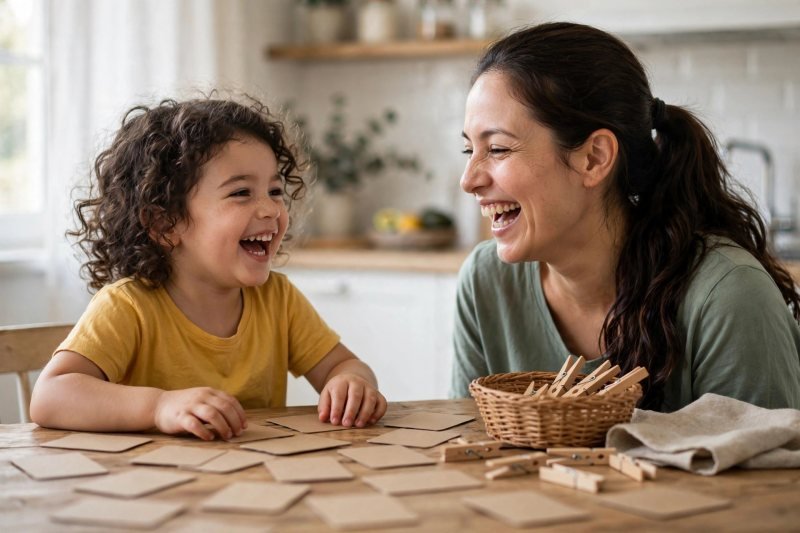
Letter Matching Games for Preschoolers You Can Make in Minutes
DIY letter matching games for preschoolers ages 3–4 — make card pairs, memory flip, clothespin clips and puzzle pieces in minutes, then play ten teaching rounds from first match to letter sounds. Ten teaching steps take you from blank cards to confident matching — card pairs, a memory flip, clothespin clips, puzzle pieces and a room-wide scavenger hunt.
-
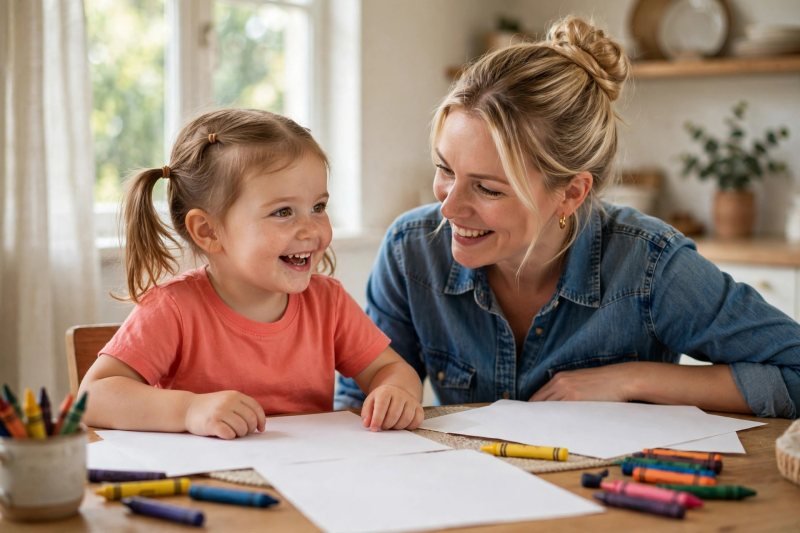
Name Tracing Worksheets for Preschool: A Free Printable Approach for Ages 3–4
How to make and use name tracing worksheets for preschoolers (ages 3–4): build the sheets freehand, follow the finger to crayon to pencil progression, and add practice games that make name writing joyful. Your child's own name is the most motivating word they'll ever write — make simple name tracing worksheets at home and guide your preschooler finger-to-crayon-to-pencil.
-
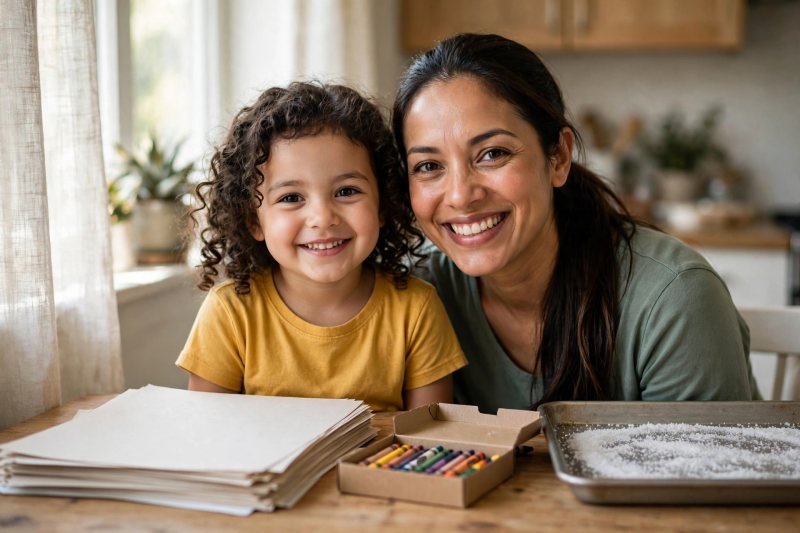
Letter Tracing Worksheets for Preschoolers: Big Letters, Little Hands
One guided letter-tracing session for 3–4-year-olds: warm up with big arm movements and finger tracing, find a comfortable crayon grip, then work a five-page worksheet pack from giant letters to independent writing. From wavy arm-writing in the air to tracing real letters — with a five-page worksheet pack you can make yourself in minutes.
-
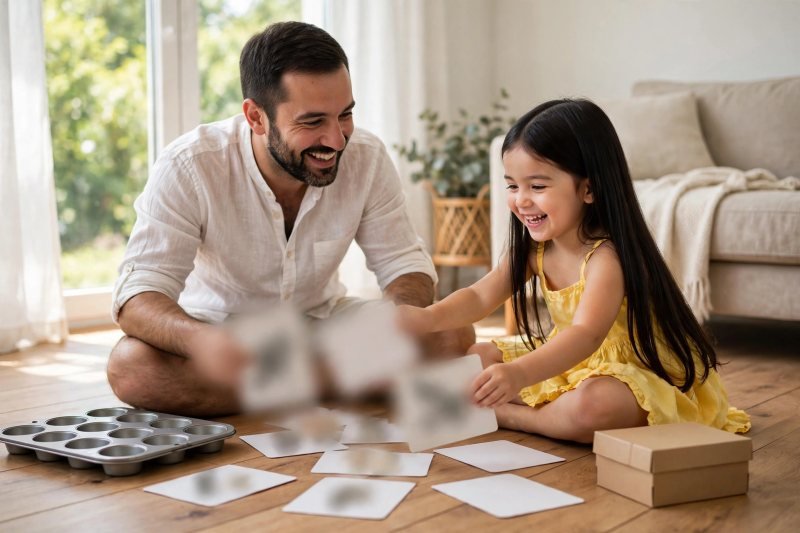
Matching Uppercase and Lowercase Letters: 10 Fun Games for Preschool
Matching uppercase and lowercase letters starts with your child's name letters, then sorting trays, memory games and movement play. Ten guided steps for ages 3–4. Ten guided matching games that turn "big A" and "little a" into the same letter in your child's eyes — starting with the letters in their name.
-
Beginning Sounds Activities for Preschool: Listen First, Letters Later
Beginning sounds activities for preschool ages 3–4: one guided 20–30 minute listening session that teaches children to hear first sounds in spoken words — before they ever see a letter. A gentle, joyful listening session for 3–4-year-olds — stretching, sorting, spying and giggling with the first sounds of words. No letters, no flashcards, no pressure.
-
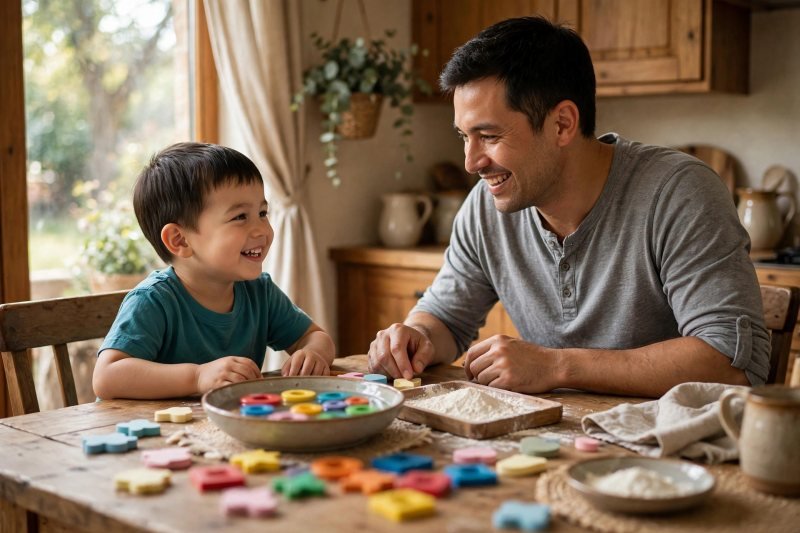
30 Hands-On Letter Recognition Ideas in 10 Steps for Preschoolers
Thirty playful activities for letter recognition for preschoolers: your child learns to identify and name letters through water play, letter hunts, playdough, songs and sorting — no worksheets needed. Thirty playful ideas in 10 guided steps: water play, name games, sensory drawing, letter hunts, sorting, playdough and movement — no worksheets.
-
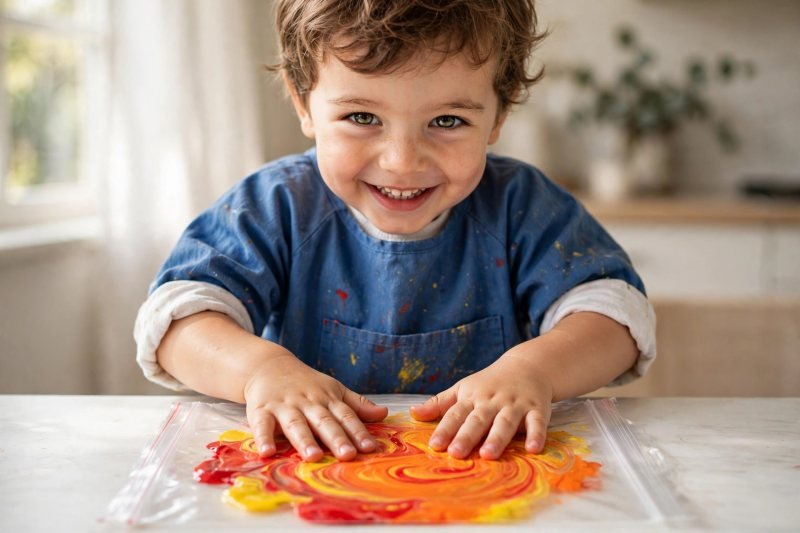
Color Mixing Activities for Preschoolers: 14 Mess-Free Ideas (Ages 3-4)
14 genuinely mess-free color mixing activities for preschoolers ages 3-4: sealed paint bags, dropper trays, milk swirls, bath mixing and more — plus a simple mixing chart, the brown fix, and a 3-minute cleanup promise. Fourteen ways to mix red, yellow, and blue into brand-new colors — with the mess locked inside bags, trays, and tubs
-
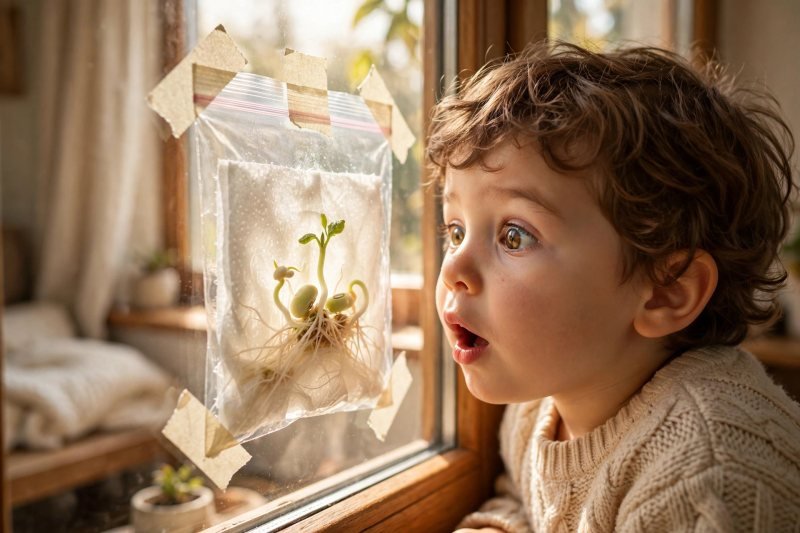
Bean in a Bag: Watch Seeds Sprout for Preschoolers
A no-mess seed-germination experiment: sprout dried beans in a zip bag taped to a sunny window and watch roots and shoots appear day by day. Tape a damp bag of beans to a sunny window and watch the whole life cycle unfold — no soil, no pots, no waiting weeks.


