


What Should a 3-Year-Old Know? Academic Milestones Without the Pressure
Wondering what should a 3 year old know? A reassuring, pressure-free guide to the language, number, motor, and social milestones many 3-year-olds reach.
What should a 3 year old know? Many 3-year-olds speak in short sentences, ask endless questions, count small groups of objects, name a few colors and shapes, run, jump, and pedal a tricycle. The normal range is wide — no letters, reading, or writing are needed at three. Conversation, stories, and play build everything that matters.

The short version
- Many 3-year-olds use 3–4 word sentences and can tell you about something that happened.
- "Academics" at three means play: counting real objects, naming colors, spotting shapes.
- No three-year-old needs to know letters, read, or write — schools teach that later.
- Pouring, snipping, and drawing circles are the fine-motor foundations school builds on.
- Social life at three is mostly parallel play; sharing is still a work in progress.
- The normal range is very wide; genuine worries belong with your pediatrician, not a chart.
- Age
- Ages 3–4
- Prep
- 5 min
- Mess
- None
- Difficulty
- Easy
- Where
- Both
Why kids love this
Three-year-olds are hungry to show you what they can do — they just don't want it to feel like a quiz. This check-in happens inside ordinary life: chatting at breakfast, counting stairs, pouring water. You notice; they simply feel seen.
What can most 3-year-olds actually do with language? More than parents expect, and less uniformly than the charts imply. Many 3-year-olds speak in three-to-four-word sentences, use "I," "you," and "we," and can tell you about something that happened — at the park, at lunch. Strangers can usually understand most of it, though some sounds are still charmingly approximate. Receptive language races ahead: a child who talks in short bursts may still follow long, complicated instructions perfectly well.
What predicts strong language later isn't correctness now — it's conversation volume. Children who are talked with (not talked at) through the day build the vocabulary everything else rests on. Listening games like beginning sounds activities for preschool build the ear for first sounds without any quizzing. A child might say "excavator" perfectly and still say "I goed to the shops." That's how language is supposed to be built: rule first, exceptions later.
What should a 3-year-old know academically — letters, numbers, shapes? Less than the toy packaging suggests. Many 3-year-olds can name a few colors, tell a circle from a square, count a small handful of objects, and recite some numbers — often with creative variations after ten. Some know a few letters, usually from their name. None of it needs teaching; it arrives through stories, songs, block towers, and kitchen counting.
Hold this lightly: recognizing letters at three is a party trick, not a foundation. The real foundations are a big vocabulary, an ear for rhyme, listening to a story all the way through, and curiosity about counting. These grow from being read to daily and overhearing you count the socks. A three-year-old who knows no letters at all has lost nothing.
How do 3-year-olds show they're learning with their bodies? Constantly — often while you're trying to get them to sit still. The three-year-old body is a learning machine: running without falling, jumping with both feet, kicking a ball, pedaling a tricycle, climbing stairs one foot per step holding the rail. Hands are busy too — turning pages one at a time, pouring from a small jug, snipping playdough, threading big beads, drawing circles meant to be people.
A child who pours without spilling (mostly) is practicing focus; a child who climbs the slide ladder is practicing planning and courage. The most useful "learning activities" for three-year-olds are a ball, a climbing frame, and a box of crayons: the body is the curriculum at three, and movement is how it's studied.
What does social development look like at age 3? Like parallel play with occasional glorious collisions. Many 3-year-olds still play happily alongside other children rather than with them — two kids building separate towers six inches apart are doing exactly the right thing. Sharing remains aspirational: expect your child to need help taking turns, with big feelings when turns feel unfair. Empathy is switching on — patchy, but real.
The social milestones that matter at three are small and human: noticing how others feel, managing short separations from you, playing near other children without constant conflict, accepting help when a toy dispute goes wrong. The social-emotional hub has more on feelings, turns, and friendship at this age. Park trips, playdates, siblings, cousins — ordinary company, kindly supervised, is the whole curriculum.
Should I worry if my 3-year-old seems behind? Probably not — but let's be honest about two situations. Most of the time, "behind" at three means your child is developing in their own order, not the chart's order. Talkers are often late walkers; early movers are often late talkers. The range of normal at three is enormous, and many of the worries parents bring to a checkup at this age turn out to be normal variation.
The other situation deserves a straight answer: if your child has lost skills they had, isn't responding to their name, or something in your gut won't settle — don't search the internet for another month. Call your pediatrician and describe exactly what you've noticed. Early conversations beat late ones, and most end with reassurance.
How can I support my 3-year-old's development without pushing? Build the environment and get out of the way. Talk all day — narrate what you're doing, ask what they think, actually wait for the answer. Read aloud daily, the same book twenty times if that's what they want. Let them pour, climb, dig, and mix. Give them other children and a bit of boredom. Say yes to the park, the puddle, and the hundredth reading of the dinosaur book.
What not to do matters as much: don't quiz ("what color is this?"), don't drill, don't compare, and skip the "learning system" with the subscription. Pressure rarely helps — and pushing is the surest way to make books and counting feel like chores. The reading hub gathers read-aloud and story ideas for this age. Confident, curious four-year-olds got there through play, conversation, stories, and adults who delight in them. That's not a program — it's childhood, done properly.
What you'll need
- Nothing to buy: paper and a pen or your phone's notes app, picture books, wooden blocks or toy cars, chunky crayons, a ball, playdough, and a shape sorter or nesting cups if you have them.
Before you start
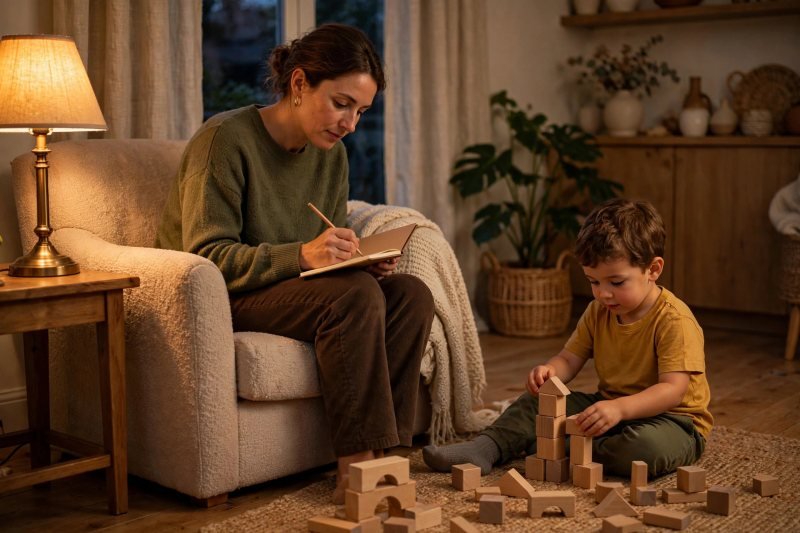
Read the whole guide yourself first, ideally after bedtime. Resist mentally scoring your child as you read — noticing comes before writing. Pick a relaxed, ordinary week and keep one page or phone note for the moments that make you smile. The check-in runs one gentle observation a day over a normal week — you watch what's already there, like a kindly scientist, not an examiner. Zero quizzes.
How to do it
-
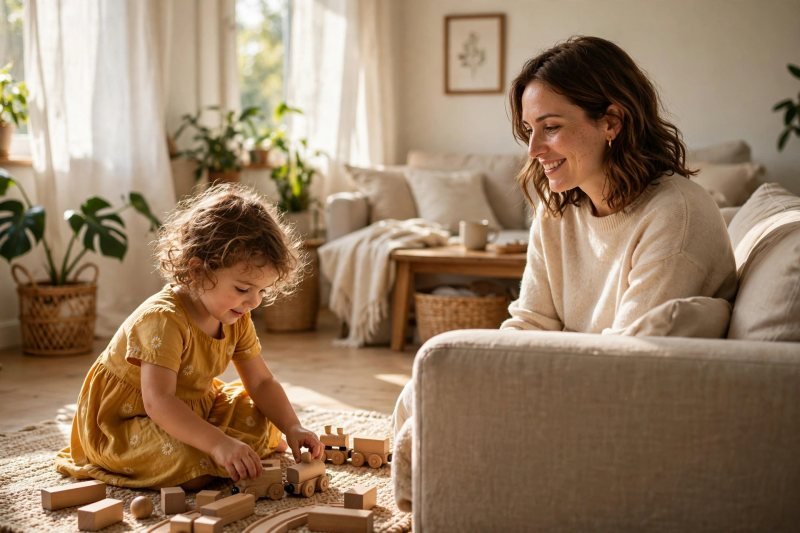
Watch before you write. Day one: simply watch. Follow your three-year-old through an ordinary afternoon — the talking, the climbing, the pouring. Write nothing yet; pay attention the way a grandparent does.
-
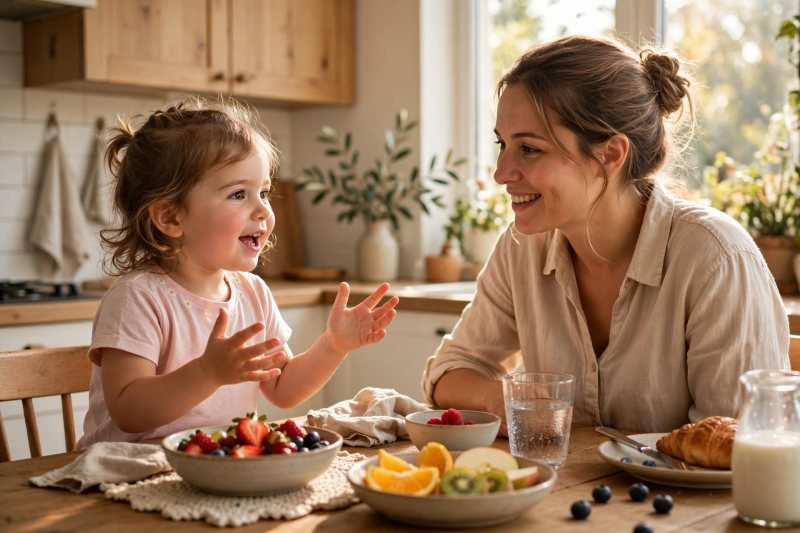
Notice how they talk, not what they know. Listen for sentences, not words. Many 3-year-olds are stitching words into short sentences — "I want the red one." Notice whether they can tell you something that happened at the park.
-
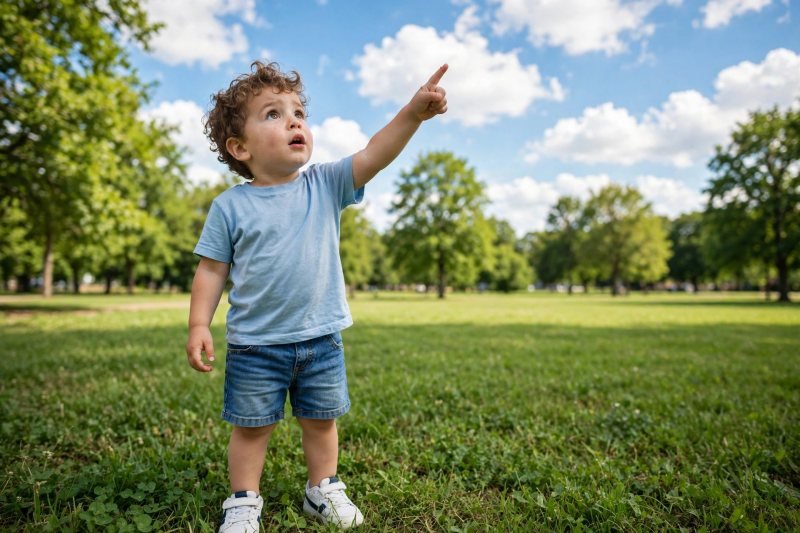
Count the questions, not the answers. Three is the great "why" year. A child asking a stream of questions is pulling language out of the adults around them — exactly as they should.
-
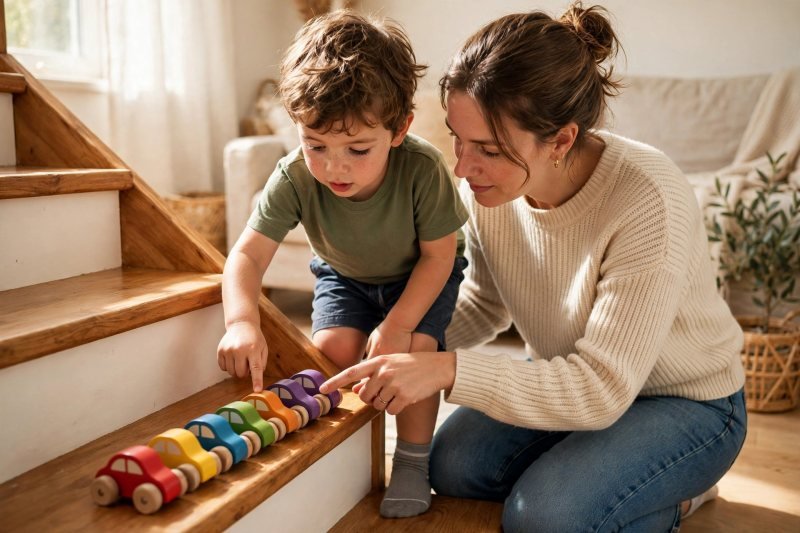
Count in real life, never as a drill. Count the stairs together. Hand out snacks one by one and count them out. Many 3-year-olds can count a small group of objects by pointing; many still muddle the order after five. Both are normal.
-
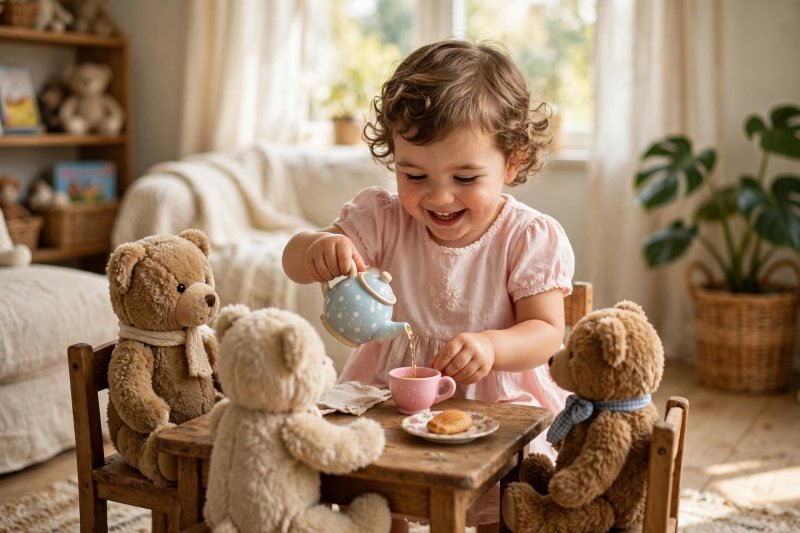
Watch their pretend play. An imaginary cup of tea, a roaring dinosaur, a teddy's check-up. Rich pretend play is the three-year-old's laboratory — language, memory, sequencing, and imagination all working at once, worth more than any flashcard.
-
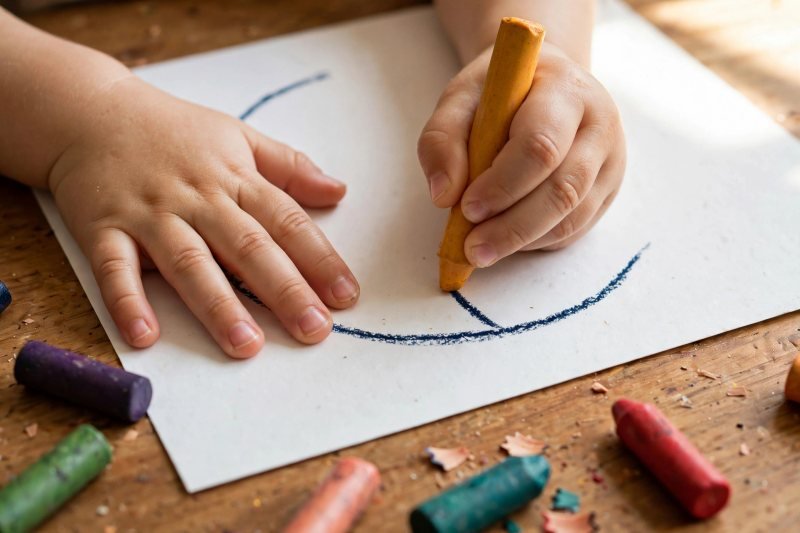
Look at their hands. The crayon grip (a fist grip is still fine at three), snipping playdough with child-safe scissors, pouring from a small jug, threading large beads. These are the fine-motor foundations school builds on later.
-
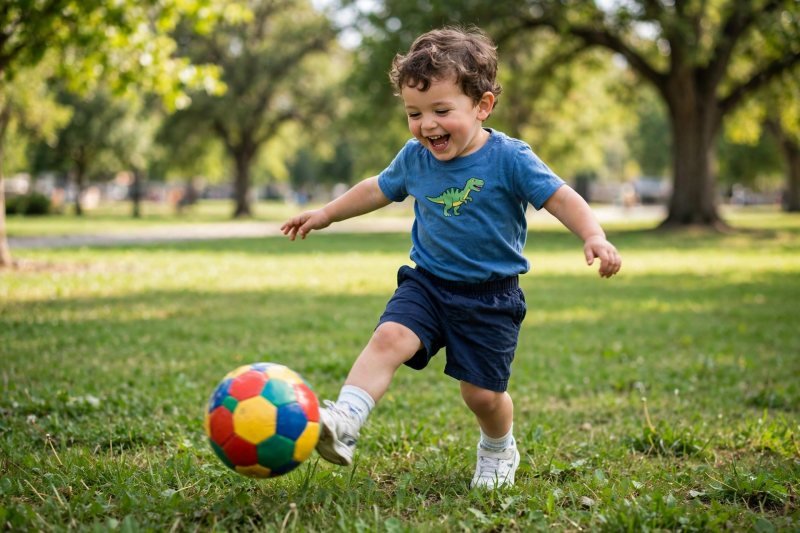
Look at their feet. Running, jumping with both feet, kicking a ball, pedaling a tricycle, walking upstairs one foot per step holding the rail. Gross-motor confidence feeds every other kind of learning — a child who moves freely explores freely.
-
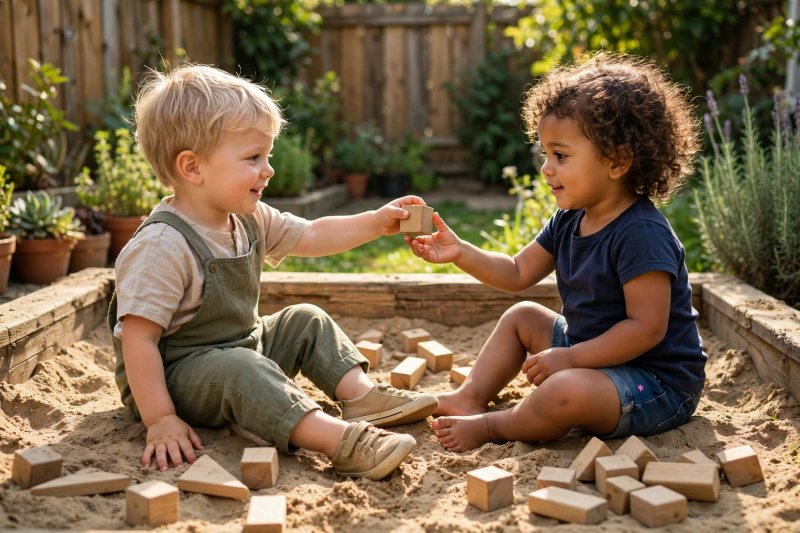
Watch them with other children. Many 3-year-olds still play side by side rather than truly together, and sharing is a wobbly skill — textbook three. What matters is the beginning of empathy: noticing others' feelings and taking brief turns with a little support.
-
Check in with yourself. Midweek, notice your own pressure level. If you've started steering your child toward "milestone moments," breathe and step back. The scorecard mindset is the only thing in this routine that can do harm.
-
Look back and smile. At week's end, read your notes over tea. You'll find a longer "look what they can do" list than you expected. Tuck the notes away and repeat in three months — the growth will astonish you.


Make it easier
One page, one week: each evening, write a single sentence about something your child did that day. Seven sentences is the entire program.
Make it harder
For detail lovers: add a monthly photo to your notes — the same block tower, the same drawing. Over a year you'll build a quiet time-lapse of development no chart can give you.
Other ways to play it
- The story version: end each day with "tell me one thing you learned today" — a ritual your child will eventually lead.
- The grandparent version: ask a grandparent to do their own week of noticing and swap notes — two sets of warm eyes see more than one.
- The playground version: do your watching at the park — motor and social milestones show up far more clearly outdoors.
How it changes by age
- For ages 3–4. The 3-year-olds age hub has more check-ins and activities for this year. Development at three runs on a famously wide track: a child speaking in full paragraphs and one still using three-word sentences can both be perfectly typical. Milestones are averages, not deadlines. Genuine worries belong with your pediatrician — this guide is for reassurance, not diagnosis.
What they're learning
Expressive and receptive language; early number sense from counting real objects; fine-motor control from drawing, pouring, and snipping; gross-motor confidence from running, jumping, and climbing; social beginnings from side-by-side play and turn-taking; and the deepest lesson — that learning happens with the people they love.
Clearing up
Tidy away the myths: no three-year-old needs to know their letters, write their name, or sit still for "lessons." And "behind" is not a meaningful word at three — there's nowhere to be behind yet.
Questions parents ask
What should a 3-year-old know academically?
How many words should a 3-year-old say?
Is it normal for a 3-year-old not to know the alphabet?
What motor skills should a 3-year-old have?
How do I know if my 3-year-old is developing normally?
Should I teach my 3-year-old to read?
Revisit this check-in when your child turns four — the change will be dramatic. For what comes next, the kindergarten readiness checklist picks up where this one leaves off, and our toddler learning activities offer gentle ideas for the months ahead.

save it for later
Pin this for the next rainy afternoon
Keep it on a board so it is there when you need it, rather than when you happened to find it.
Save to Pinterest