


Reading
Learn Reading through play.
Reading with a young child is less about the words on the page than about what happens around them: stopping to look, guessing what comes next, going back to a favourite page for the fortieth time, and being allowed to say the last word of the rhyme.
These activities are ways of doing that on purpose — book-based games, picture hunts, retelling with props, reading the same story in a different voice. Some are for children who cannot read a word yet. Others are for early readers who need a reason to keep going when it is still hard work.
Rereading is not a waste. A child asking for the same book every night is doing the thing that actually builds fluency, however tired of it you are.
Activities
-
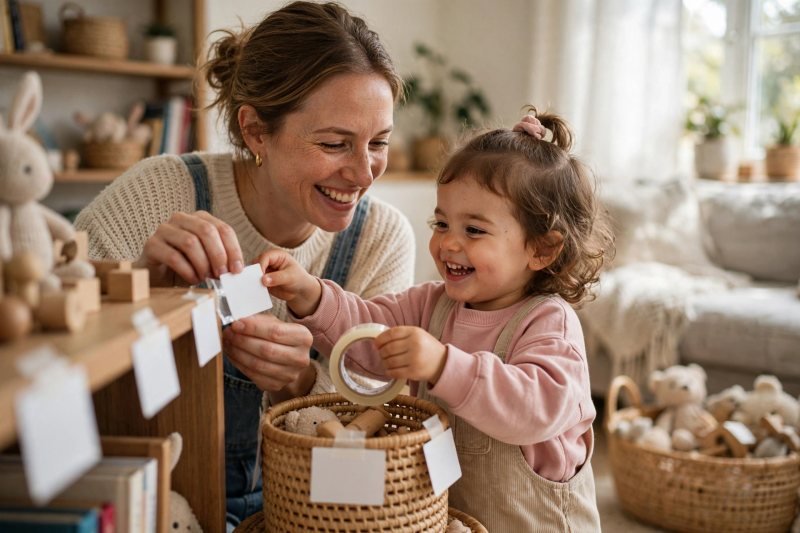
First Words to Teach Your Toddler to Recognize: Start With These 10
Ten first words to help your toddler notice print — their name, Mom, Dad, ball, dog, and more — plus labels for your home and quick games that make words feel like play.
-

Fingerplays for Toddlers: 12 Rhymes With Hand Motions That Teach Sounds
Twelve classic fingerplays for toddlers with every hand motion described. Each rhyme builds syllables, rhyming, and word-stress skills for ages 2–3.
-

Phonemic Awareness Activities for Toddlers: 10 No-Prep Sound Games
Ten no-prep phonemic awareness activities for toddlers — clapping games, listening walks and rhyme play that build the sound skills reading grows from.
-
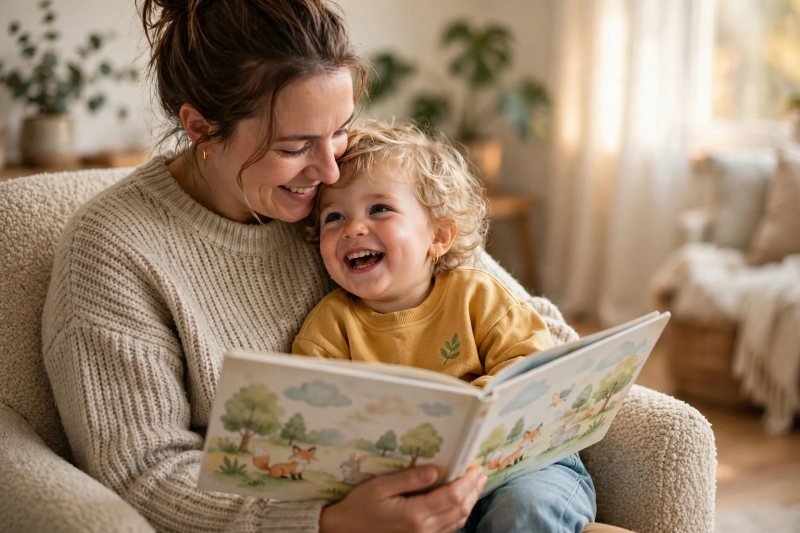
How to Read Aloud to a 2-Year-Old: 9 Tricks That Build Future Readers
Nine read-aloud tricks for 2-year-olds: short cozy sessions, playful voices, child-led page-turning — any reading together counts toward a future reader.
-
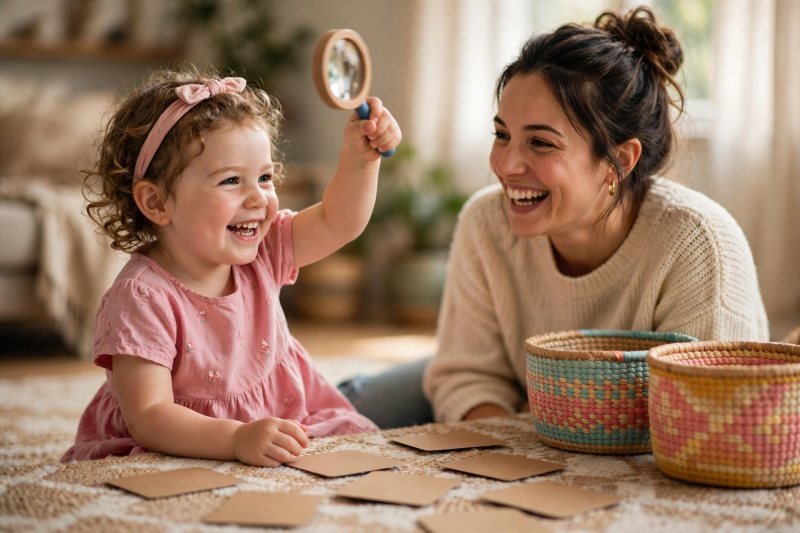
Rhyming Words for Preschoolers: 60 Simple Pairs With Pictures to Practice
60 rhyming words for preschoolers in 10 word families — bat–sat, cake–bake, sheep–sleep — plus rhyme-detective sorting and odd-one-out games for ages 3–4.
-
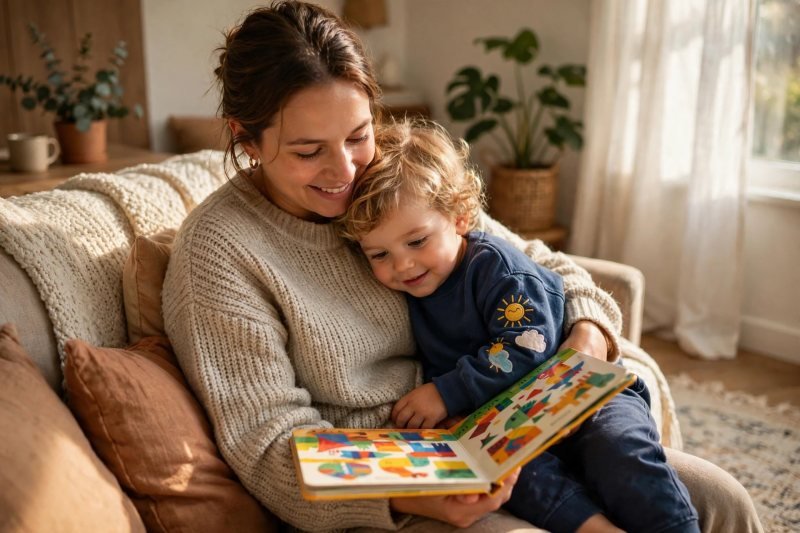
Reading Readiness in Toddlers: 12 Signs Your 2-Year-Old Is Ready for Words
Twelve reading readiness signs your 2-year-old may show — and exactly what to do for each one. No pressure, no deadlines: just warm invitations to play with words.
-
Sequencing Activities for Preschoolers: 15 First-Next-Last Games
15 simple first-next-last sequencing activities for preschoolers ages 3–4 — picture card stories, recipe steps, daily routine games, and order words your child can practice all day.
-

Rhyming Words for Toddlers: 50 Easy Pairs to Say Together (Cat–Hat, Dog–Frog)
Fifty easy rhyming words for toddlers — cat–hat, dog–frog, moon–spoon — sorted into five playful groups, with simple say-sing-clap games that build listening skills and early reading readiness.
-
High Frequency Words for Reception: The First 45 Words (UK List)
A UK guide to high frequency words for Reception: the first 45 words in five sets of nine, with playful games for ages 4–5.
-
Phonics Screening Check Practice: Year 1 Word Lists (UK)
Calm, stress-free phonics screening check practice for Year 1 (ages 5–6): our own practice word lists of real words and invented alien words, plus a gentle 10-step home session and low-pressure games.
-

How to Teach Rhyming to Preschoolers: A Simple 4-Step Method
Rhyming is one of the first building blocks of reading, and most preschoolers learn it through play, not lessons. This 4-step method goes from hearing rhymes to making your own — with 10–15 minute games you can play anywhere.
-

Twinkle Twinkle Little Star Lyrics, Actions and Why Toddlers Love It
Teach your toddler the words to Twinkle Twinkle Little Star with easy hand actions, fun singing games, and simple ways to make this classic lullaby part of your day.
-
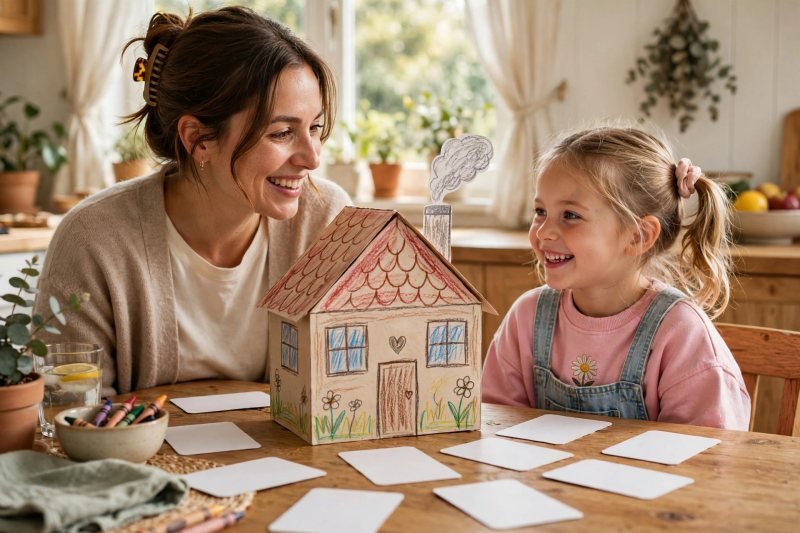
Word Families for Kindergarten: at, an, ap and More
Nine kid-friendly word family lists (-at, -an, -ap and more) plus a 10-step, parent-led session with hands-on games: onset-rime sliders, word family houses, flip books and word fishing.
-
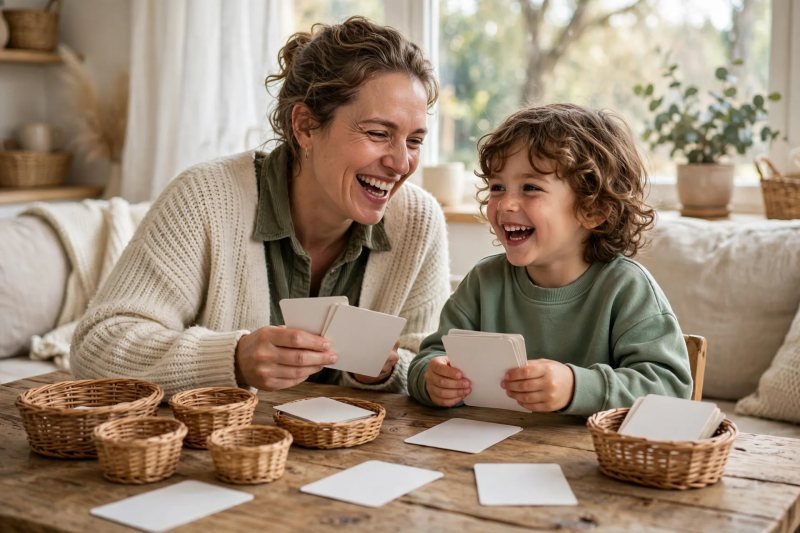
Digraphs for Kids: sh, ch, th, wh Explained With Activities
What are digraphs for kids? Two letters teaming up to make one sound — sh, ch, th and wh explained in plain English, with a complete 10-step play session that turns tricky spelling patterns into games your 5- or 6-year-old will actually enjoy.
-
Homeschool Kindergarten Curriculum: The 12 Best Programs Compared
A parent-to-parent comparison of 12 homeschool kindergarten curriculum programs for ages 5–6 — phonics, math, handwriting, and full-year options — with honest trade-offs for each and a five-step choosing process.
-

How to Teach Letter Sounds to Preschoolers in 5 Minutes a Day
A five-minute daily routine for how to teach letter sounds to preschoolers: a teaching order to introduce sounds (not A to Z), one sound a day with multisensory play, quick reviews, and gentle fixes for b/d mix-ups. Ages 3–4.
-

School Readiness Checklist UK: Is Your Child Ready for Reception?
A UK school readiness checklist for Reception starters aged 4–5: uniform skills, lunch-hall confidence, lining up and the EYFS foundations teachers look for — plus a tick-box checklist to track progress together.
-
Kindergarten Sight Words List: All 52 Dolch Words (+ Practice Plan)
The complete 52-word Dolch kindergarten sight words list, grouped into six small practice sets, with a four-week practice plan and screen-free games. Ten minutes a day, no worksheets, no drilling — just playful repetition that makes every word stick.
-
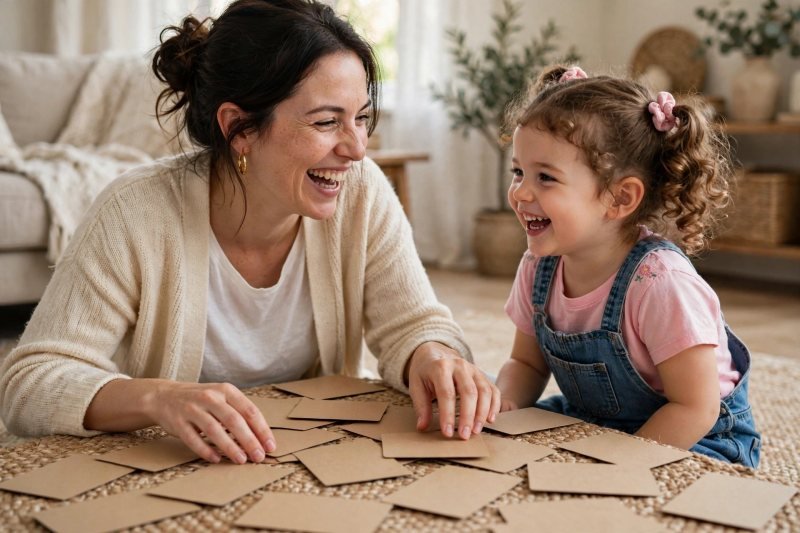
Jolly Phonics Sounds in Order: A Parent's Guide With Actions (UK)
The complete jolly phonics sounds in order for UK parents — all 7 groups of 42 letter sounds, why this clever order helps children blend words sooner, and easy at-home games with simple actions for ages 4–5.
-
Sight Word Games: 15 Favorites (BANG!, Bingo, Treasure Hunts)
Fifteen tried-and-tested sight word games that make reading practice feel like play — BANG!, bingo, treasure hunts, swat-the-word and more, with full setup and rules for ages 4–5 using things you already own.
-

What Should My Child Know Before Kindergarten? The Honest Answer
What children really need before kindergarten: independence, confidence, and play-based foundations. An honest, reassuring Q&A for parents of four- and five-year-olds.
-
Nursery Rhymes for Toddlers: 20 Classics That Build Early Reading Skills
Twenty classic nursery rhymes for toddlers, each one quietly building early reading skills. Bouncy action rhymes, gentle bedtime songs, counting rhymes and silly favorites — every one trains the rhythm, rhyme and sound awareness your child needs before letters even make sense.
-

How to Teach Your Child to Read at Home: The Complete Kindergarten Plan
A calm, step-by-step kindergarten reading plan for ages 5–6: phonemic awareness, letter sounds, blending and first books — in 15–20 gentle minutes a day.
-
CVC Words for Kids: The First Words Your Child Can Sound Out
CVC words for kids are the first words children can truly sound out — like cat, bed, and sun. This guide gives parents the stretch-and-blend routine, first words by vowel, and six playful games.


