


Reading
Learn Reading through play.
Reading with a young child is less about the words on the page than about what happens around them: stopping to look, guessing what comes next, going back to a favourite page for the fortieth time, and being allowed to say the last word of the rhyme.
These activities are ways of doing that on purpose — book-based games, picture hunts, retelling with props, reading the same story in a different voice. Some are for children who cannot read a word yet. Others are for early readers who need a reason to keep going when it is still hard work.
Rereading is not a waste. A child asking for the same book every night is doing the thing that actually builds fluency, however tired of it you are.
Activities
-
'CH' Words: 40 Digraph Words (Chip, Lunch, Watch)
40 ch words your 6- to 8-year-old can hear, spot, read, and sort by position — chip, lunch, watch — in a 10-step session with munch-and-crunch games and a tricky-ch detective round.
-

'At' Family Words: 20 Words That Rhyme With Cat (+ Free Word List)
20 -at family words — cat, hat, mat, sat, bat, rat, pat, flat, chat, that — one reading chunk, slider games, a word ladder, and a free printable word list.
-
'An' Family Words: 18 Words (Can, Fan, Man) for New Readers
18 real an family words — can, fan, man, pan, ran, tan, van, ban and more — taught as one reading chunk with the can-fan swap game and silly sentences.
-

Why Nursery Rhymes Matter for Reading: What the Research Says for Parents
The benefits of nursery rhymes go beyond cute songs: rhymes build the sound awareness, vocabulary, and memory toddlers need for reading. A parent guide.
-

What Order to Teach Letters and Sounds: Sounds First, Here's Why
Wondering what order to teach letters and sounds in? Sounds come first — they unlock blending and reading. Get the research-backed order plus a 10-step sounds-first session for 3–4-year-olds. Sounds unlock reading — letter names don't. Here's the order that works, and a guided session that teaches it to you and your child in one sitting.
-
Alphabet Recognition Activities for Preschool: 10 No-Worksheet Games for Ages 3–4
Ten no-worksheet alphabet recognition activities for preschool: one continuous movement-and-sensory game session — letter hunts, stomping, sensory bins, chalk play and a calm-down finish — for 3–4-year-olds. One continuous 10-game session that teaches letter recognition through movement and touch — no worksheets, no flashcards, no sitting still.
-

20 Letter Sounds Games in 10 Steps for Preschool
Twenty playful letter sounds games for preschoolers ages 3–4 — listening games, sound hunts, movement play and silly sound fun that build real phonics skills, one joyful step at a time. Twenty joyful games that teach letter SOUNDS — not letter names — through listening, moving, sorting and giggling. No flashcards, no worksheets, no pressure.
-
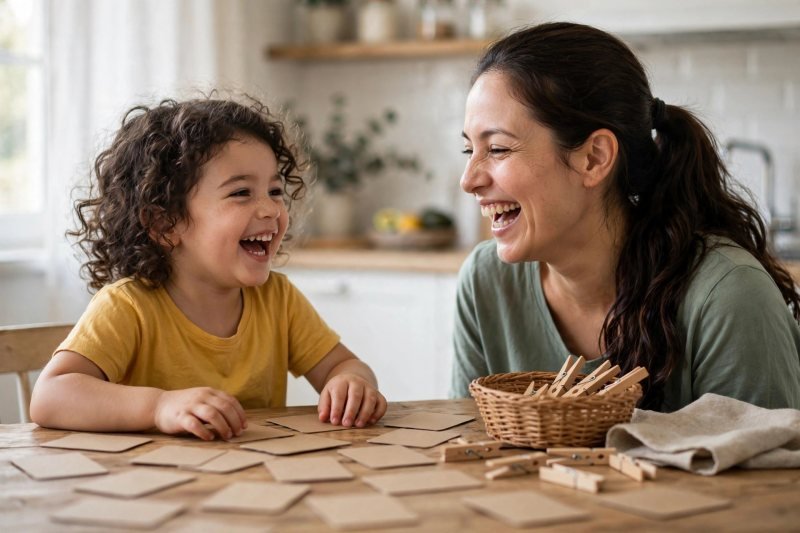
Letter Matching Games for Preschoolers You Can Make in Minutes
DIY letter matching games for preschoolers ages 3–4 — make card pairs, memory flip, clothespin clips and puzzle pieces in minutes, then play ten teaching rounds from first match to letter sounds. Ten teaching steps take you from blank cards to confident matching — card pairs, a memory flip, clothespin clips, puzzle pieces and a room-wide scavenger hunt.
-

Matching Uppercase and Lowercase Letters: 10 Fun Games for Preschool
Matching uppercase and lowercase letters starts with your child's name letters, then sorting trays, memory games and movement play. Ten guided steps for ages 3–4. Ten guided matching games that turn "big A" and "little a" into the same letter in your child's eyes — starting with the letters in their name.
-

Beginning Sounds Activities for Preschool: Listen First, Letters Later
Beginning sounds activities for preschool ages 3–4: one guided 20–30 minute listening session that teaches children to hear first sounds in spoken words — before they ever see a letter. A gentle, joyful listening session for 3–4-year-olds — stretching, sorting, spying and giggling with the first sounds of words. No letters, no flashcards, no pressure.
-
30 Hands-On Letter Recognition Ideas in 10 Steps for Preschoolers
Thirty playful activities for letter recognition for preschoolers: your child learns to identify and name letters through water play, letter hunts, playdough, songs and sorting — no worksheets needed. Thirty playful ideas in 10 guided steps: water play, name games, sensory drawing, letter hunts, sorting, playdough and movement — no worksheets.
-

Blending Sounds: How 4-Year-Olds Learn to Read Their First Words
Blending sounds activities for 4-year-olds: a 10-step play session with robot talk, stretchy sounds, finger blending, and first CVC word reading. From robot talk to first words: a gentle 10-step progression that turns separate sounds into real reading.
-
Magic E Words List: 60+ Words That Show the Silent E Rule
A magic e words list for ages 5–6: 81 real words grouped by vowel pattern (a_e, i_e, o_e, u_e, e_e), the simple “magic e makes the vowel say its name” story, a 10-step teaching sequence, and four games that make silent e click. 81 real words grouped by vowel pattern — plus the magic-e story and the 10-step sequence that makes silent e click.
-
CVC Words List: 160 Words Your 4–5-Year-Old Can Sound Out
This CVC words list gives you 160 simple, real words your 4–5-year-old can sound out — cat, pen, big, hot, sun and 156 friends — grouped by short-vowel word family so practise feels orderly.
-

Sight Words for Kindergarten: The First 40 Words to Master
A friendly, honest guide to the 40 sight words for kindergarten children learn first — what sight words actually are, the full list grouped for practice, and low-pressure games that make learning them stick without worksheets or stress.
-
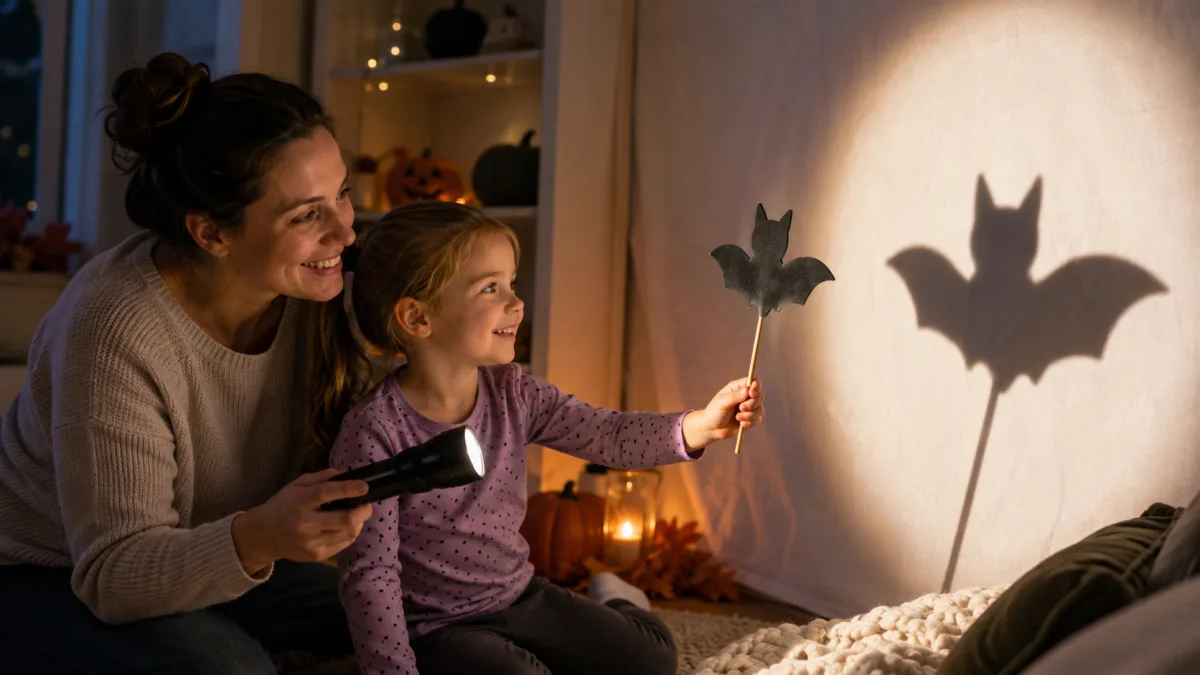
Spooky Shadow Puppets
Cut a bat and a cat from card, tape them to straws, and put on a show against the wall with a torch.
-
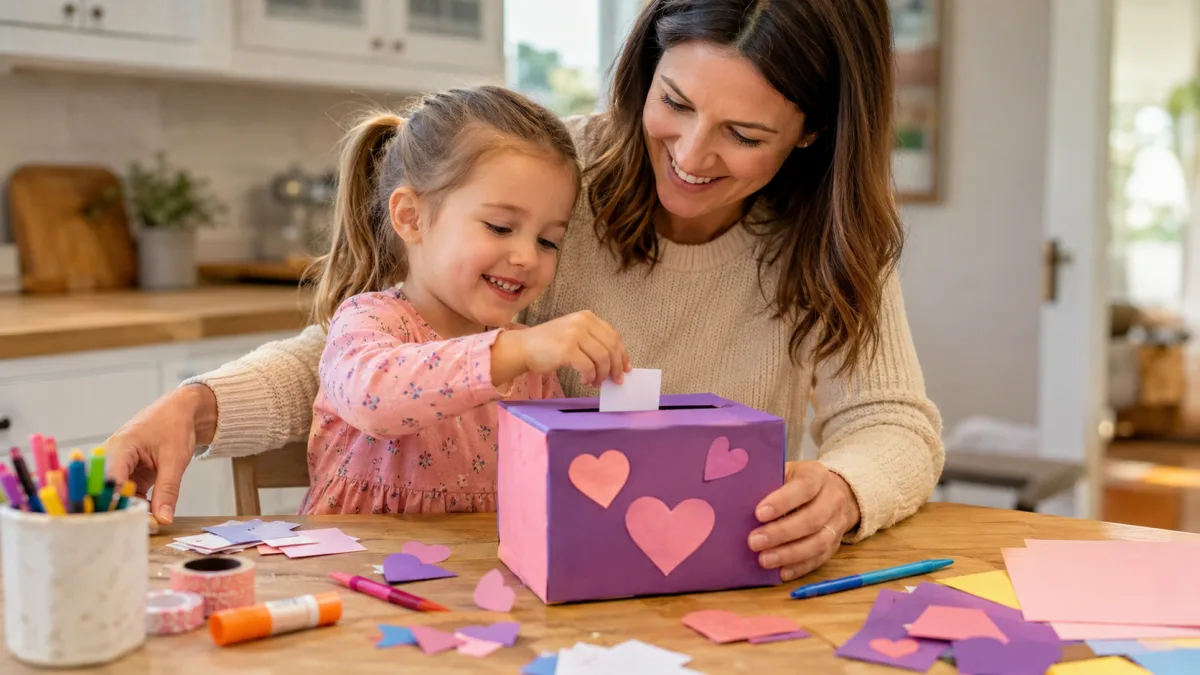
A Post Box for Kind Notes
A cereal box with a slot cut in it. Everyone posts a note about somebody else, and you read them out at dinner.
-
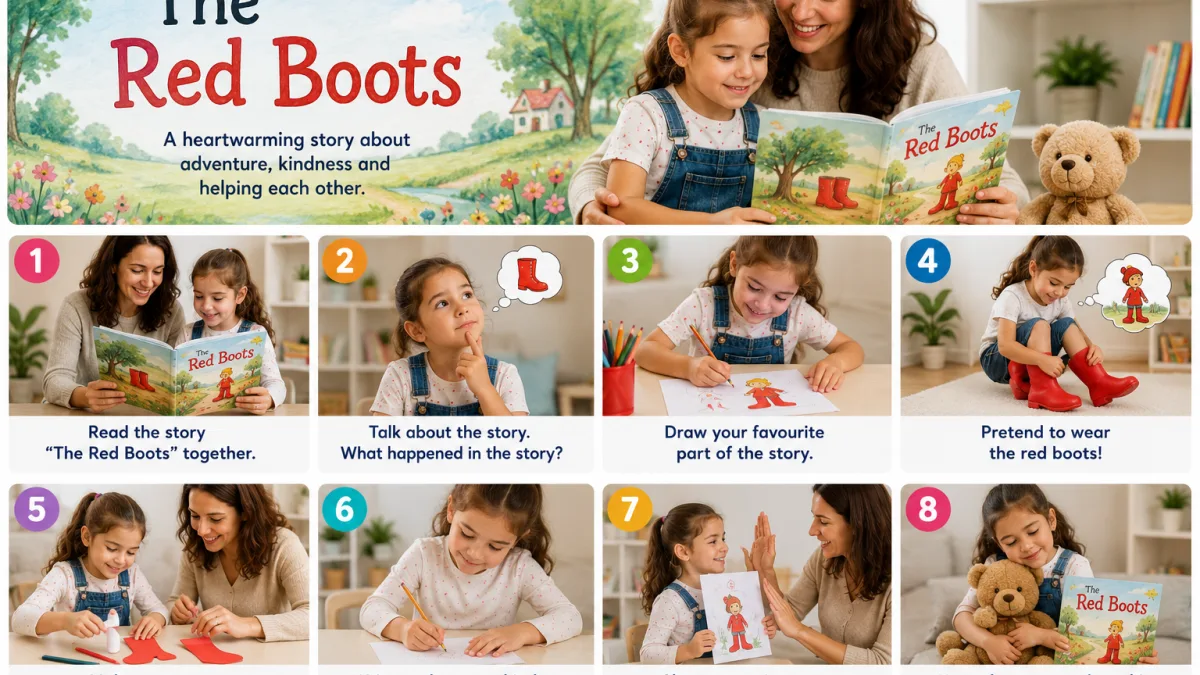
The Red Boots
A story for a child who is starting to read some of it themselves. Short words, short lines, and a puddle.
-
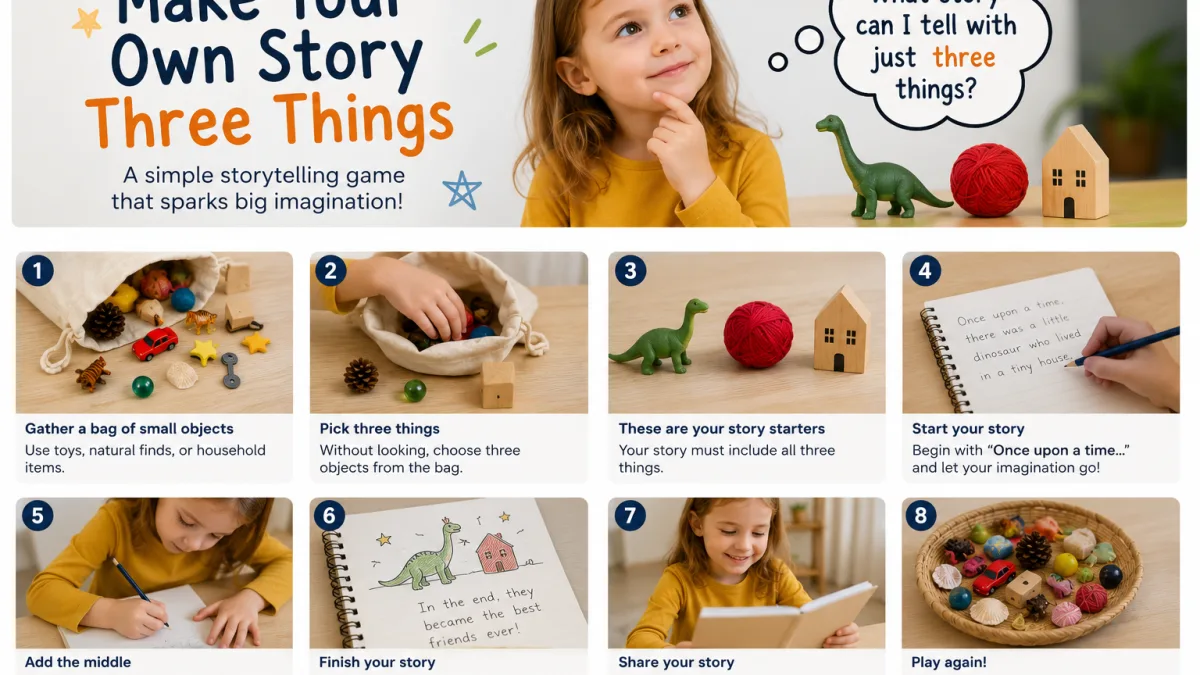
Make Up a Story With Three Things
A character, a place, and something going wrong. That is enough for almost any child to be away.
-
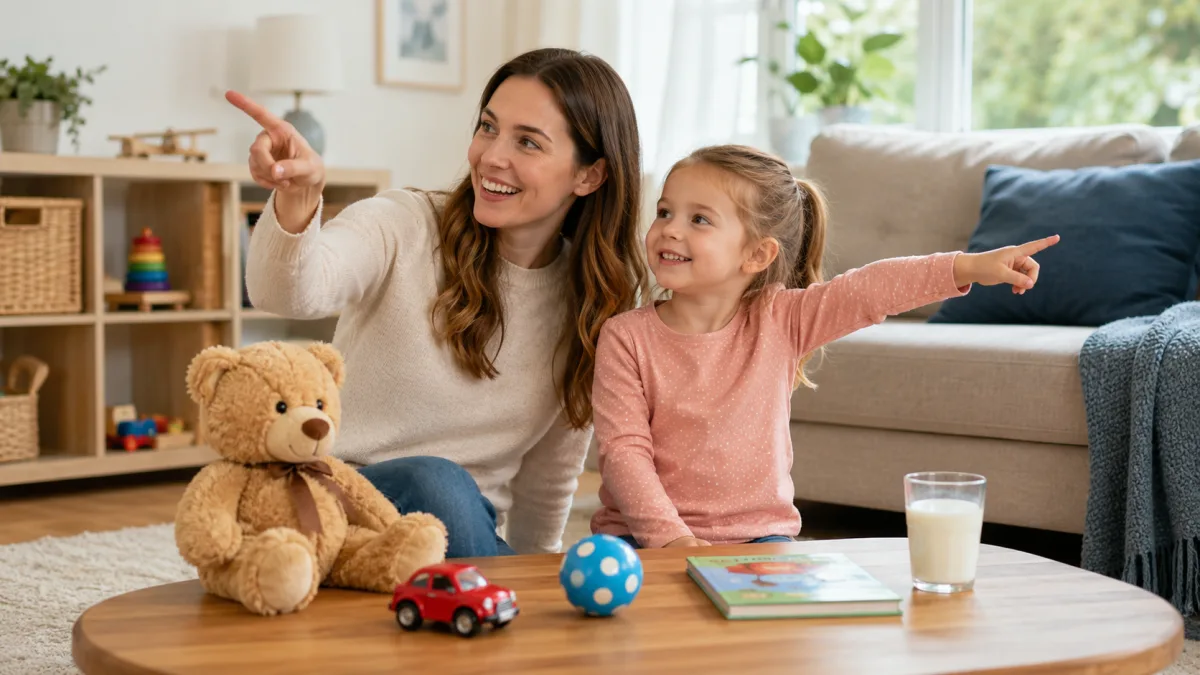
I Spy, But With Sounds
The same game you already know, played with the sound a word starts with instead of the letter. Needs nothing at all.
-
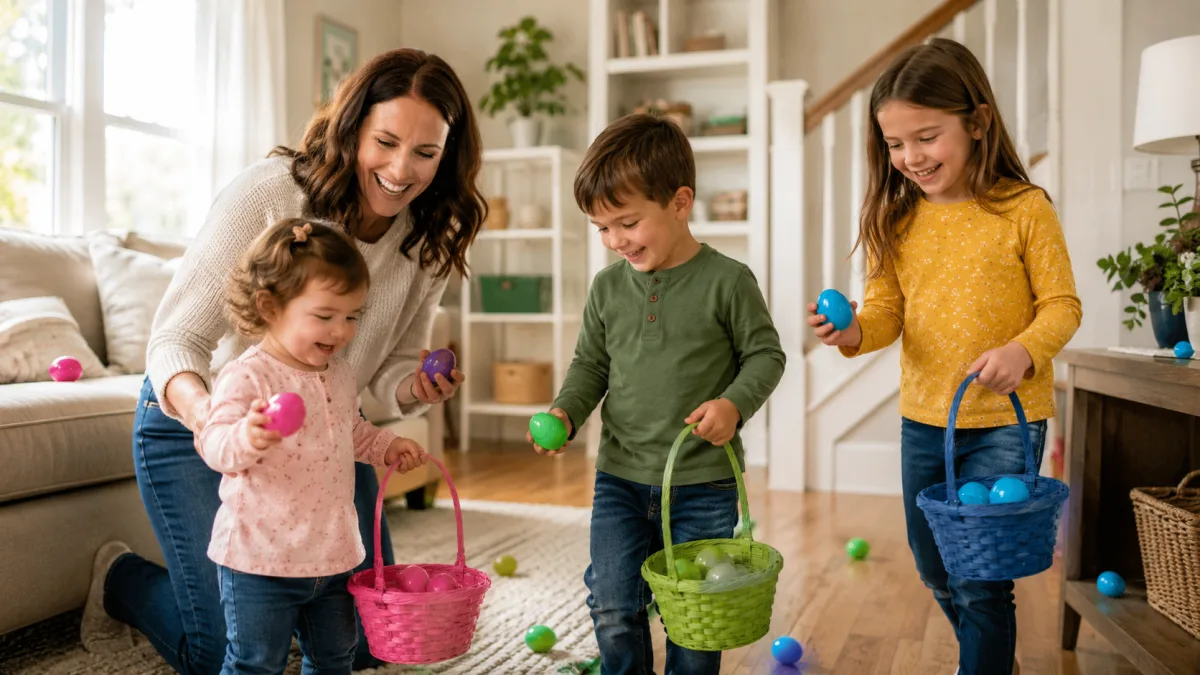
An Egg Hunt That Works for Every Age
The same hunt, three difficulty levels, so a two-year-old and a seven-year-old can play together without either being bored.


