


Sight Words vs Phonics: What's the Difference and What Comes First?
Sight words vs phonics: what's the difference, and what comes first for your 4-year-old? The honest answer — plus a simple weekly rhythm that uses both.
Sight words vs phonics isn't an either-or choice: phonics teaches children to sound out new words using letter-sound relationships, while sight words are high-frequency words (like the, said, was) learned by instant recognition. Start phonics foundations from the beginning, and introduce two or three sight words at a time in parallel — a few minutes of each per day is all a 4-year-old needs.

The short version
- Phonics teaches letter-sound rules for decoding new words; sight words teach instant recognition of frequent, often irregular words.
- They solve different problems: phonics can't decode said or was; sight words can't read words a child has never seen.
- What comes first in practice is both: phonics foundations from the start, plus two or three sight words at a time in parallel.
- Signs for more phonics: freezing on new words, guessing from pictures. Signs for more sight words: stalling on the same small words (the, and, I) in every book.
- 10–15 minutes a day — half sounds and blending, half sight-word games, plus daily read-aloud — is the sweet spot for ages 4–5.
- Age
- Ages 4–5
- Prep
- 15 min
- Play time
- 15 min
- Mess
- None
- Difficulty
- Easy
- Where
- Indoor
Why kids love this
Your child doesn't need to know what "sight words" or "phonics" means. Ten playful minutes a day is enough: a bouncing letter-card game, a word treasure hunt, a bedtime story where they read the word the every time it appears. This plan turns the sight-words-vs-phonics question into what kids like best — games where they win at reading.
What you'll need
- Lowercase letter cards or magnetic letters (full alphabet)
- 8–10 blank index cards and a thick dark marker
- A shallow tray of salt or sand for tracing
- Painter's tape (for sticking cards to a wall or floor)
- 2–3 simple picture books your child already loves
- A small notebook or sticky notes for your weekly plan
Before you start
What are sight words, exactly? Sight words are high-frequency words on nearly every page of early books — the, I, you, was, said. Readers recognize them instantly, by sight, instead of sounding them out: many can't be decoded with a beginner's knowledge — said, was, and they break the rules a four-year-old knows. Games and book-spotting give instant wins in real reading.
What is phonics? Phonics is the letter-sound system: s says "sss," and sounds blend into words (s-u-n becomes sun). Systematic phonics teaches these in order, from single sounds to patterns. It's how children decode new words — the UK calls it "synthetic phonics"; US classrooms use similar systematic methods.
How do sight words and phonics differ? They solve different problems. Phonics answers: "How do I read a word I've never seen?" Sight words answer: "How do I read words that show up constantly, including the ones that don't play fair?"
What they teach: Phonics teaches rules (letter sounds for new words). Sight words teach recognition (instant memory of frequent words).
What they're for: Phonics unlocks regular words like cat, big, stop. Sight words handle irregular ones like the, said, was.
How you practice: Phonics = sounding out and blending. Sight words = seeing, saying, spotting — hunts, flash games, tracing.
Success looks like: phonics → sounding out a new word; sight words → reading a known word without pausing.
Neither is the "right" method. They're the two halves of early reading: decoding and recognition.
How to do it
-
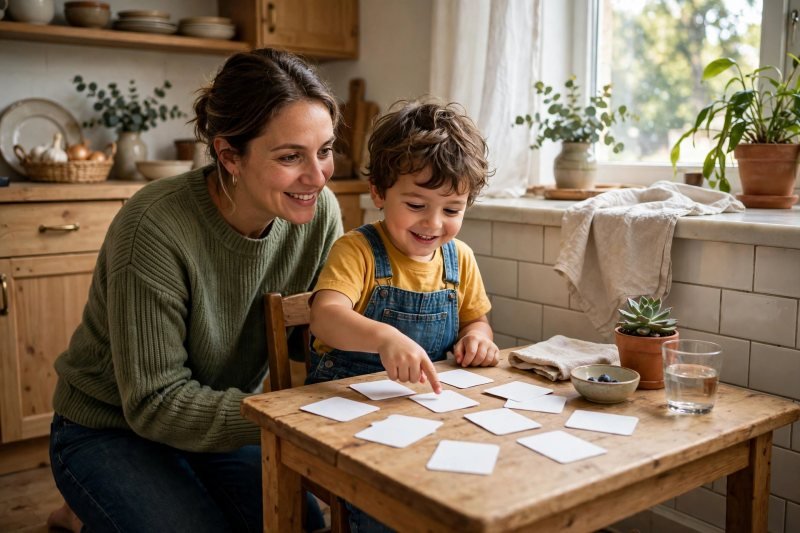
See where your child is right now. Run a two-minute, zero-pressure check: spread the letter cards and ask your child to say the sounds of five letters they "know best". Then hold up five big words (I, the, and, see, like) and see which they read on sight. Shaky sounds? Lean phonics this week. Solid sounds but stalled words? Lean sight words.
-
Sketch the weekly plan. Map ten minutes a day on one page. Every session: five minutes of phonics play, five minutes of sight-word play, then a read-aloud story. Give each day a loose focus — sounds, blending, a word hunt, both, review. The plan keeps you consistent.

-
Start the phonics habit. Play with letter sounds, never drill them. Spread the letter cards on the rug and play "bring me the letter that says 'mmm.'" Your child says the sound while doing something silly with the card — tapping it, tossing it in a basket, stomping on it. Start with sounds they can say easily; add new sounds every few days. The goal: see the letter, hear the sound.

-
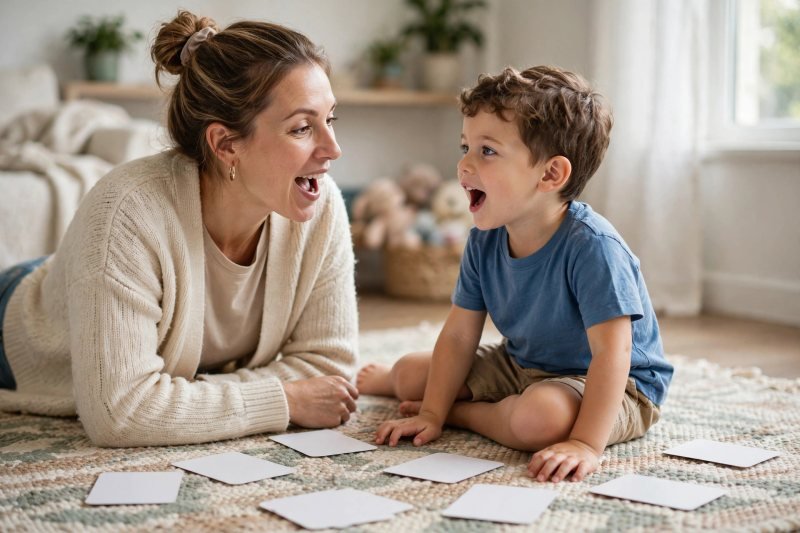
Add blending. Stretch sounds together into words. Pick a word family your child knows the sounds for, like at. Say it slowly — "a... t" — and let them push the sounds together. Then try cat, hat, mat. Two or three minutes is plenty.
-
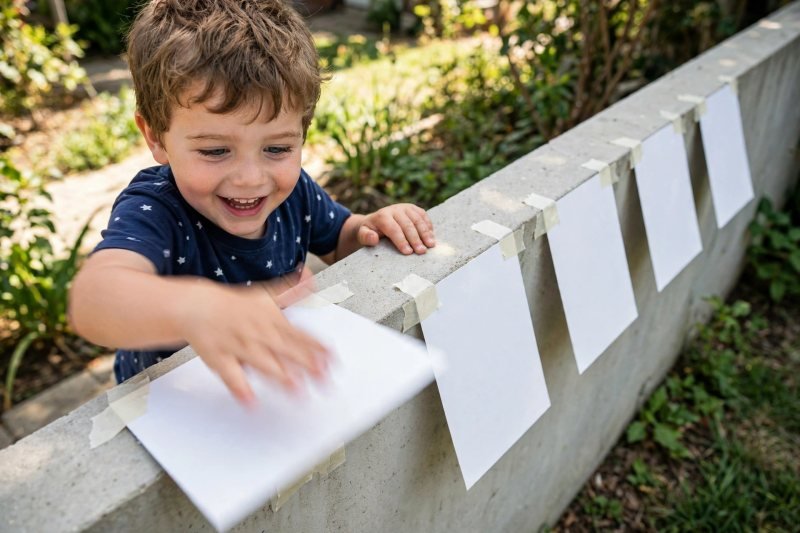
Introduce the first sight words. Add just two or three high-frequency words. Write the, I, and and on index cards in big lowercase. Show each card, say it, have your child say it back — then play: tape it to the wall and slap it, or hide it under a cup and find it. Two or three words is the whole week. Small sets make sight words stick.
-
Combine both in one sentence. Build a sentence that needs both skills. Lay out I and the beside a word your child can sound out, like cat: "I see the cat." They read the sight words instantly, sound out cat, and read the whole sentence. Phonics decoded the regular word; sight-word memory carried the tricky ones. Read it twice and let them feel like a reader.

-
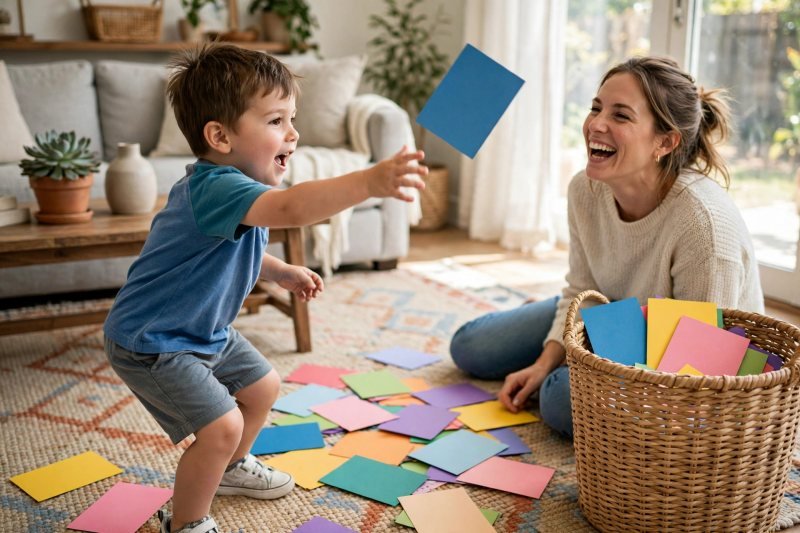
One game for each side. Keep every session 50/50 — a sound game and a word game. Phonics games: letter-card toss (say the sound to score) or stretched-out "what am I blending?" Sight-word games: flash-and-find hunts, salt-tray tracing, word-wall slap. At ten minutes, stop — even mid-game. Ending hungry is the best review strategy.
-
Put both skills to work in story time. Turn read-aloud into a reading workout. Before a familiar book: "You're in charge of the word the tonight — every time you see it, YOU read it." Mid-story, pause at one simple word and let your child sound it out. Story time is where practice turns into reading.

-
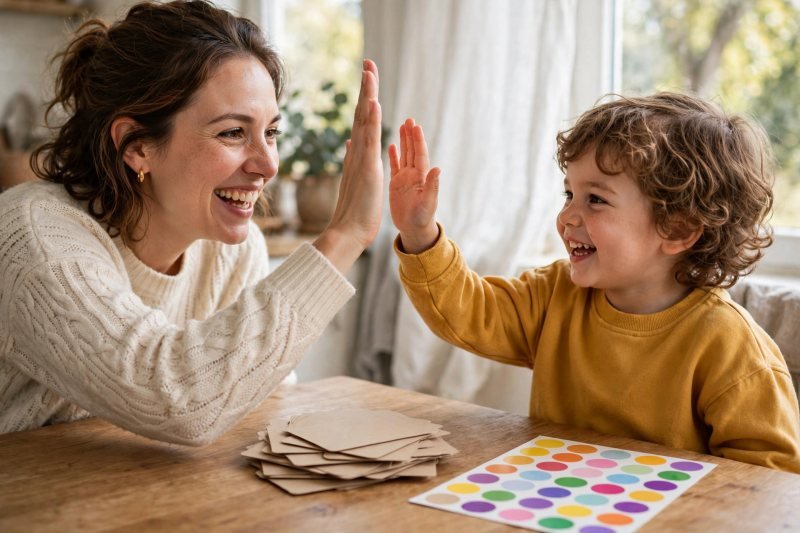
Review the week. On Friday, look back together. Which word cards does your child read without pausing? Those graduate to a "words I know" pile — stickers if they like ceremony. Run the blending game once with easy words. A wobbly word stays in next week's set.
-
Adjust the mix and keep going. Let the balance shift as your child grows. The 50/50 split is a starting point. If your child blends easily but trips over said and was in books, add another sight word or two per week. If they know every word card but freeze on new words, give more time to sounds and blending. Keep both skills in the week and re-check every month or two.



Make it easier
Five-minute sessions: one phonics game OR one word game per day, alternating. Sound out words together; your child just says the word at the end. Two sight words only, until both are instant.
Make it harder
Blend three-sound words starting with a digraph, like ship. Add a third sight word mid-week once the first two are instant. Let your child "be the teacher" and quiz YOU.
Other ways to play it
- Take the letter-card toss outside with driveway chalk letters.
- Tape word-hunt cards to furniture all over the house.
- Record a silly video of your child reading their sentence.
How it changes by age
- Young fours: 5–10 minutes, two sight words max, one new sound at a time.
- Older fours (nearly five): 10–15 minutes; up to three sight words plus simple blending in one session.
- Not interested yet? Skip the structure and read aloud daily. A story-soaked child builds the vocabulary that makes both skills click later.
What they're learning
That readers use two tools: sounding out new words (phonics) and recognizing frequent ones instantly (sight words) Letter-sound relationships and left-to-right blending Instant recognition of the high-frequency words that unlock real books Print awareness: words look the same every time Confidence from reading a whole sentence out loud
Clearing up
Sight words and phonics are partners, not rivals — this plan only works with both. Store word cards face-down in a pouch; out of sight keeps them fresh. Add new sight words only when the current ones are read without pausing. If your child resists one half, shorten it — don't drop it.
Questions parents ask
What is the difference between sight words and phonics?
Should I teach sight words or phonics first?
Why do children need sight words if they know phonics?
Can phonics alone teach a child to read?
How many sight words should a 4-year-old learn at once?
How long should daily reading practice last for a 4-year-old?
Want the sight-word half in more depth? Our sight word games bank has a game for every mood, and our first 10 sight words for preschool picks the first words for you — with sight words for kindergarten and sight words for pre-k to follow. Want the phonics half in more depth? Our phonics activities for preschoolers give weeks of sound play, and our blending sounds activities focus on the sounding-out skill.

save it for later
Pin this for the next rainy afternoon
Keep it on a board so it is there when you need it, rather than when you happened to find it.
Save to Pinterest


