


When Do Kids Learn to Blend Sounds? Reading Milestones Ages 4–5
When do kids start blending sounds? Most begin around 4–5. The typical timeline, readiness signs, and gentle ways to practice.
Most children start blending sounds around ages 4 to 5 — first by ear, guessing words you stretch out slowly ("c-a-t" becomes "cat"), and later with letters in kindergarten. Watch for readiness signs like catching rhymes, clapping syllables, and curiosity about words. A few minutes of playful oral blending games a day is enough; the range is wide, so a 4-year-old who isn't blending yet is not behind.

The short version
- Most children begin blending around 4–5, first by ear and later with letters — but the normal range is wide.
- Readiness shows up as behaviors (rhyming, clapping syllables, word curiosity), not birthdays.
- Oral blending games — whispering, guessing, stretching — build the skill before print enters the picture.
- A few playful minutes a day over weeks beats any single long session.
- The "click" often arrives suddenly, after weeks of practice that looked like stalling.
- Not blending at 4 is ordinary; pause on frustration, and mention persistent concerns to a teacher or pediatrician.
- Age
- Ages 4–5
- Prep
- 5 min
- Play time
- 10 min
- Mess
- None
- Difficulty
- Easy
- Where
- Both
Why kids love this
Parents ask "when do kids start blending sounds?" more than almost any other reading question — and the honest answer is: gradually, playfully, usually around 4 to 5. Nothing here feels like a lesson: whispered secrets, a school for stuffed animals, silly soup, a backyard freeze game.
What you'll need
- A favorite stuffed animal (the "student")
- A small pot or bowl, a wooden spoon, and a few pieces of play food
- Nothing else — the first blending games need only your voice
Before you start
1. Pick a calm 10-minute window — after a snack; skip it when everyone is tired. 2. Set out the stuffed animal and the pot-and-spoon "kitchen" within reach. 3. Practice your own slow sounds first: "sss," not "suh." Your child copies exactly what you model. 4. Agree with yourself first: this is play, not a quiz. No correcting, no drilling.
How to do it
-
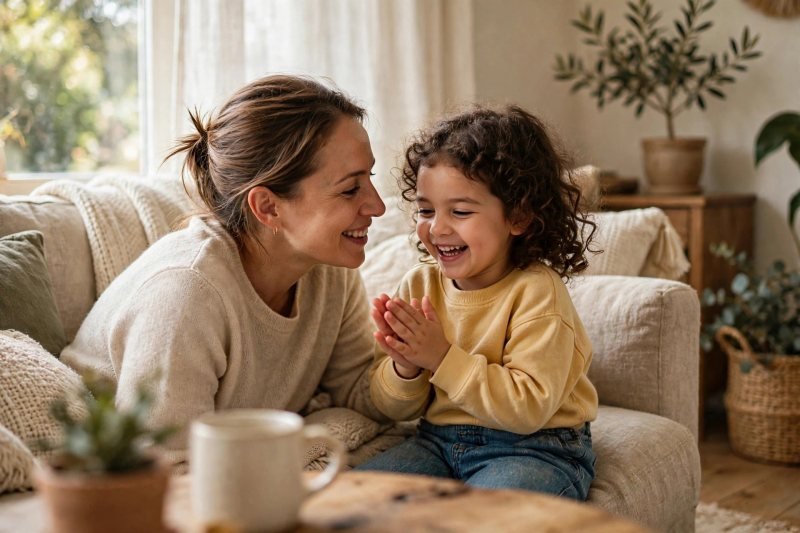
Spend a few days just noticing. For a few days, just listen: does your child clap the beats in words (el-e-phant), catch rhymes, ask what signs say, or "read" a memorized book aloud? Two or three of these in a week is a genuine green light. None yet? That's information, not a problem — keep reading aloud and check again in a few weeks.
-
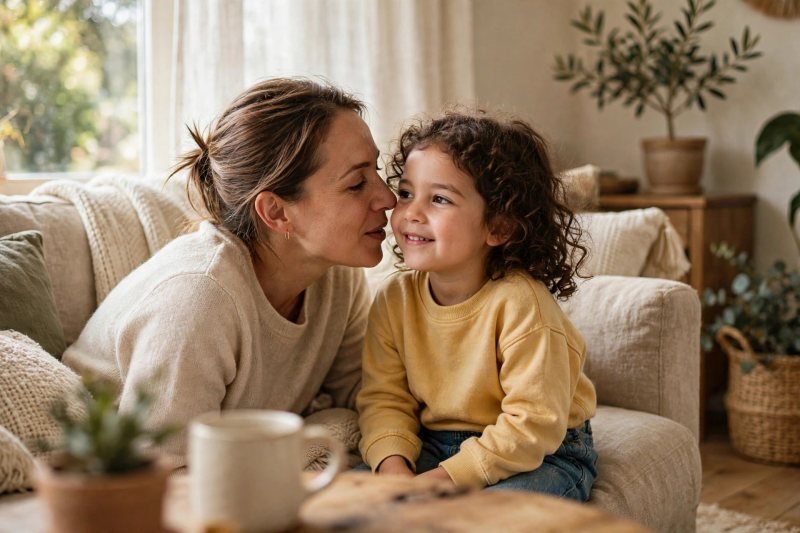
Try the one-round whisper test. Whisper three slow sounds with little pauses: "/c/ ... /a/ ... /t/." Then ask, smiling, "What word was that?" A grinned "cat!" means ready to play; a shrug is fine too — the ears just need more read-aloud time. One round only, no repeats.
-
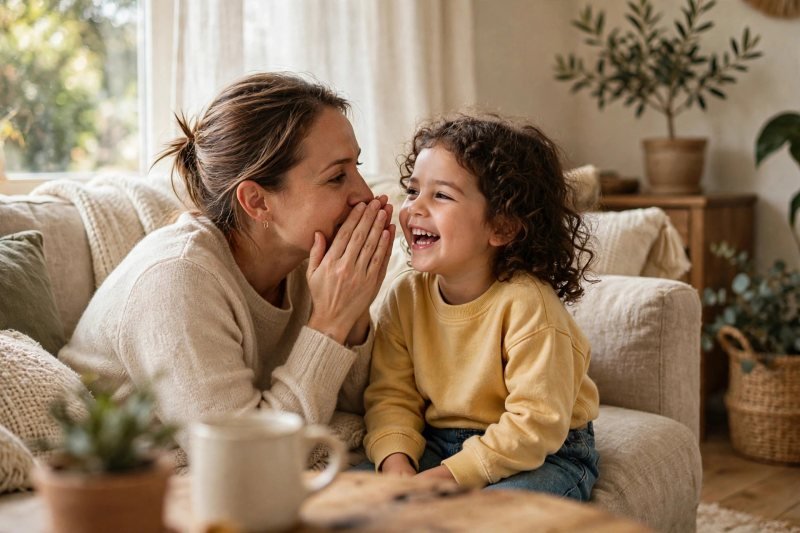
Play the whisper chain. Cup your hands and whisper stretched sounds into your child's ear — "shhh-eee-p" — and they announce the word: "sheep!" Then swap: they whisper, you guess (ham it up when you "get it wrong"). Start with easy three-sound words — sun, dog, fish, cake.
-
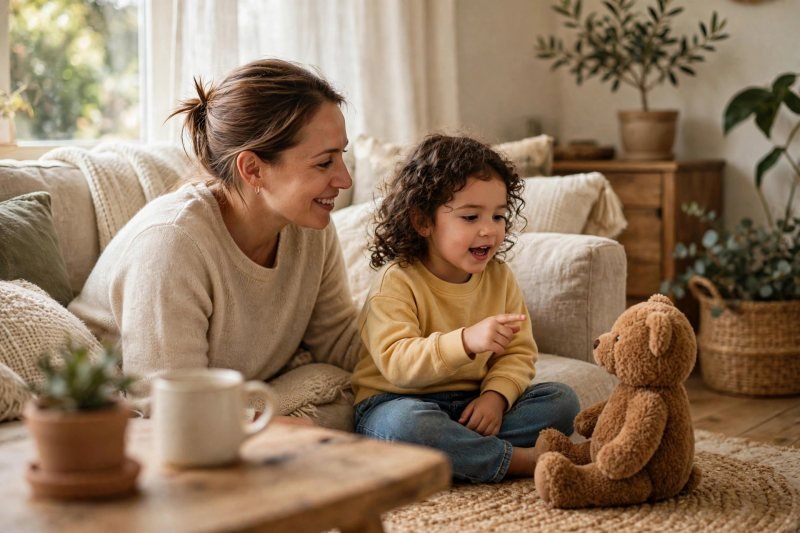
Open stuffed-animal school. Stuffed animals are the students, your child the teacher, you're the assistant. You say the slow sounds, your child repeats them "for" the teddy, and the teddy — in your silliest voice — says the whole word. Shy answerers will perform for a plush audience.
-
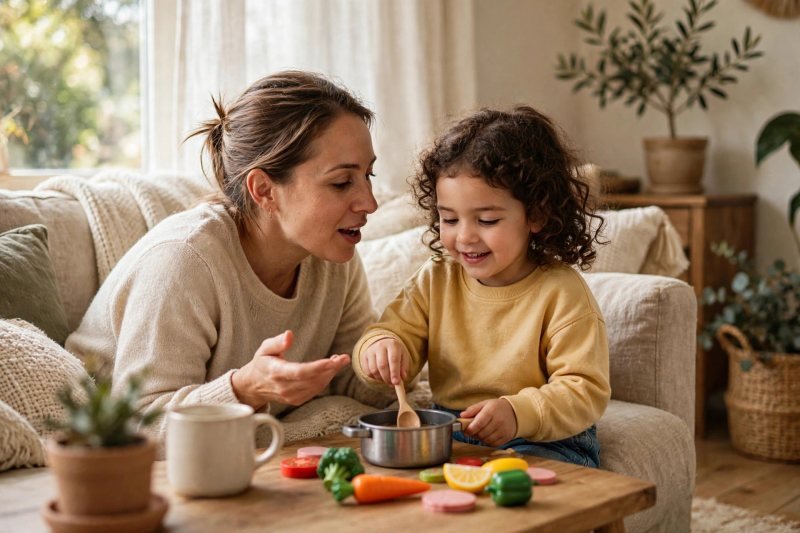
Cook a pot of silly soup. Drop play food in one piece at a time, stirring slowly and stretching each name: "sss-ooo-uuu-p ... ppp-eee-aaa-sss?" Then everyone shouts the ingredient: "peas!" Do four or five "ingredients," then serve the soup to the stuffed-animal class.
-
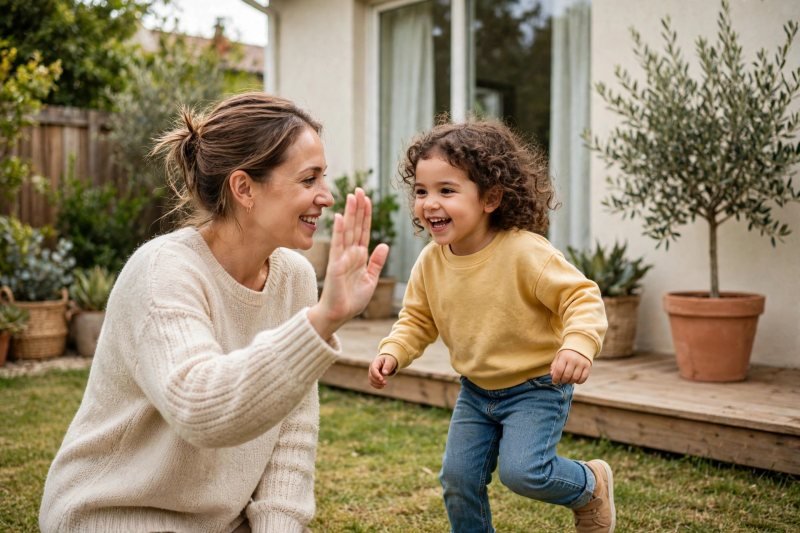
Play red-light blending outside. Hallway or backyard. You're the traffic light: "Green light!" they walk; "Red light!" they freeze. At every red light, stretch a word — "d-o-g" — and they can't move until they blend it: "dog!" Zero setup, playable anywhere.
-
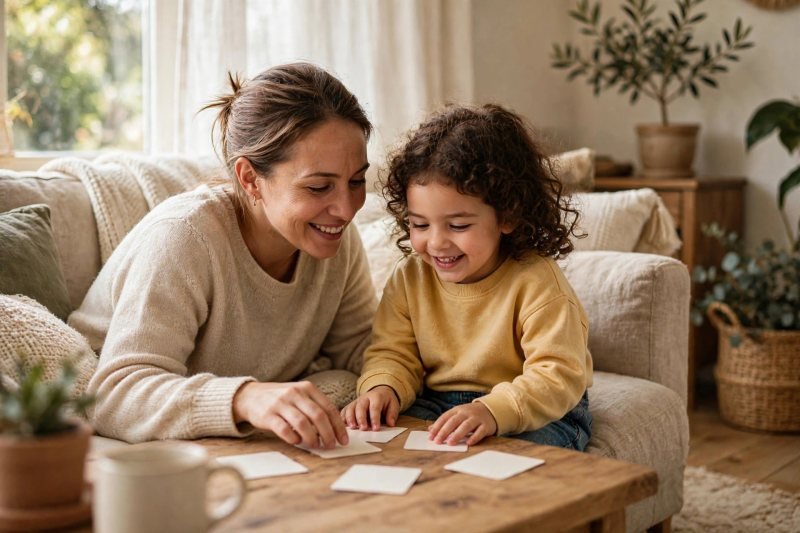
Build it into the week, a few minutes at a time. One game, five to ten minutes a day — repeating the same game for days is fine. Many families see a pattern: big pauses needed at first, then guessing before you finish, then joining the stretching. The middle phase can last weeks and still counts as progress.
-
Watch for the click. One day it lands: your child blends before you finish stretching, stretches words for you to guess, or tries a word in a book solo. Celebrate specifically — "You heard all three sounds and pushed them together — that's reading!" Then keep playing; new skills need joyful repetition.

-
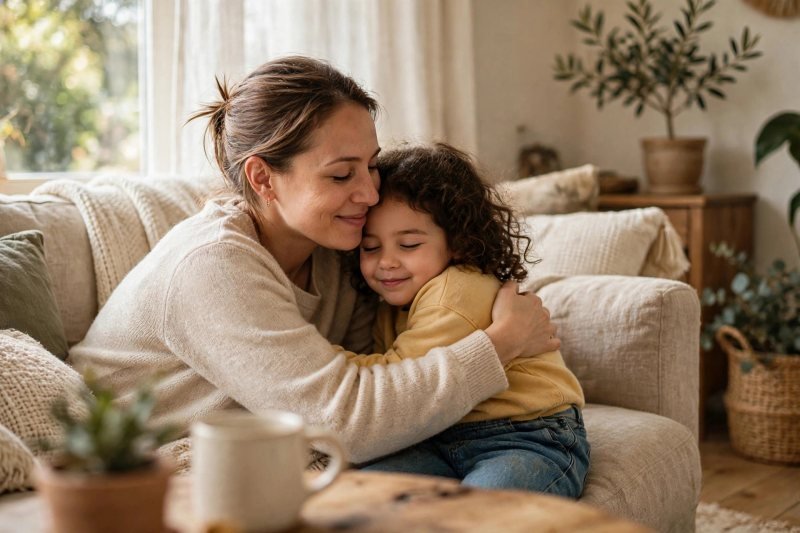
Know when to pause. If they avoid the games, answer randomly to make it end, melt down, or say "I'm bad at this" — stop completely, warmly, with zero lecture. A week or two off costs nothing; pushing through frustration can cost their trust in reading time. Keep reading aloud daily.
-
Know when to ask someone. The range is wide, and a 4-year-old who isn't blending is not behind — most children get there around 4 to 5, many in kindergarten. Consider mentioning it to the teacher or pediatrician if your child is 5 or older and can't hear separate sounds in words at all, or speech seems delayed. Until then: play, read, wait, repeat.



Make it easier
Use two-sound words for a while: up, on, at, me, go. Stretch extra slowly; let your child only listen at first. One game per day, and quit while it's still fun. Warm up with rhyming word games — rhyming is the ear-skill that comes just before blending.
Make it harder
Try four-sound words: frog, clap, drum, plant. Let your child do the stretching while you guess. Blend on the move: stretch words you spot on walks and in stores. Once three-sound words click, try a CVC words list for fresh words to stretch and blend. When blending clicks, our guide to teaching your child to read covers the ages 5–6 plan.
Other ways to play it
- Bath-time blending: stretch words while pouring water — "c-u-p!" as it fills.
- Snack guessing: hold up two snacks, stretch one name slowly, let them pick.
- Bedtime whisper review: two whispered words as the lights go down.
How it changes by age
- The blending window typically opens around 4 to 5 — first by ear, later with letters in kindergarten. Under 4? Stay with rhymes, songs, and clapping syllables. Five or six and not blending yet? Still within the wide range for many — keep playing the oral games and reading aloud.
What they're learning
Oral blending — hearing /c/ /a/ /t/ and smoothing it into "cat," no letters involved. Phonemic awareness — noticing and playing with the sounds inside spoken words. Stretching — holding sounds so they run together, making the word easier to "catch." Listening stamina — holding several sounds in memory long enough to combine them. Reading confidence — words as puzzles they can solve, not mysteries for grown-ups.
Clearing up
Is there one age when blending should happen? No single age fits every child. Most children begin around ages 4 to 5 — first by ear (guessing your stretched-out words), then with letters in kindergarten. But "most" hides a wide range: some 3-year-olds blend easily, some 6-year-olds are just starting, and both can be completely fine. What does the blending progression usually look like? Three loose phases: hearing separate sounds (clapping syllables, catching rhymes); oral blending — /c/ /a/ /t/ becomes "cat" with no letters; then blending with print. Each phase can take weeks or months. Voices come before print: when stretched words get guessed quickly and happily, letters can join in — our blending sounds activities pick up right there. My child can say the sounds but can't blend them — is that normal? Completely — it's the most common stuck point in early reading. Saying the sounds is one skill; pushing them together is another, and the second clicks later. Go back to voice-only games: you stretch, they guess. Drop all pressure for a week or two — blending often arrives all at once. Is my 4-year-old behind if they aren't blending yet? No. At 4, not blending is thoroughly ordinary — many children don't blend until 5 or kindergarten. "Behind" needs a comparison that doesn't exist at this age. Keep reading aloud and revisit blending in a few weeks or months.
Questions parents ask
What age do children start blending sounds?
How do I know if my child is ready to blend sounds?
What should blending practice look like at age 4?
My 5-year-old can't blend sounds yet — should I be worried?
What's the difference between blending and sounding out?
Ten playful minutes a day beats one long weekly session. Reading aloud remains the single biggest lever — vocabulary, rhythm, and ear for sounds in one. End every game on a success, even a tiny one. Not sure your child is ready yet? Our reading readiness signs checklist covers the earlier signs to look for. When letters join in, our guide to teaching letter sounds picks up the next step.

save it for later
Pin this for the next rainy afternoon
Keep it on a board so it is there when you need it, rather than when you happened to find it.
Save to Pinterest

