


Phonics
Learn Phonics through play.
Phonics is mostly an ear skill before it is an eye skill. Long before a child can decode a written word, they can hear that "cat" and "cup" start the same way, clap the beats in "el-e-phant", or tell you what rhymes with "mouse".
So these activities are games played out loud: I-spy with sounds instead of letters, silly rhyming pairs, robot talk where you say a word in separate sounds and they put it back together. They work in the car, in a queue and at bath time, and none of them need paper.
They are also the ones that make the difference when written letters do arrive. A child who can already hear the three sounds in "dog" has much less to do when they meet d-o-g on a page.
Activities
-

Fingerplays for Toddlers: 12 Rhymes With Hand Motions That Teach Sounds
Twelve classic fingerplays for toddlers with every hand motion described. Each rhyme builds syllables, rhyming, and word-stress skills for ages 2–3.
-

Phonemic Awareness Activities for Toddlers: 10 No-Prep Sound Games
Ten no-prep phonemic awareness activities for toddlers — clapping games, listening walks and rhyme play that build the sound skills reading grows from.
-
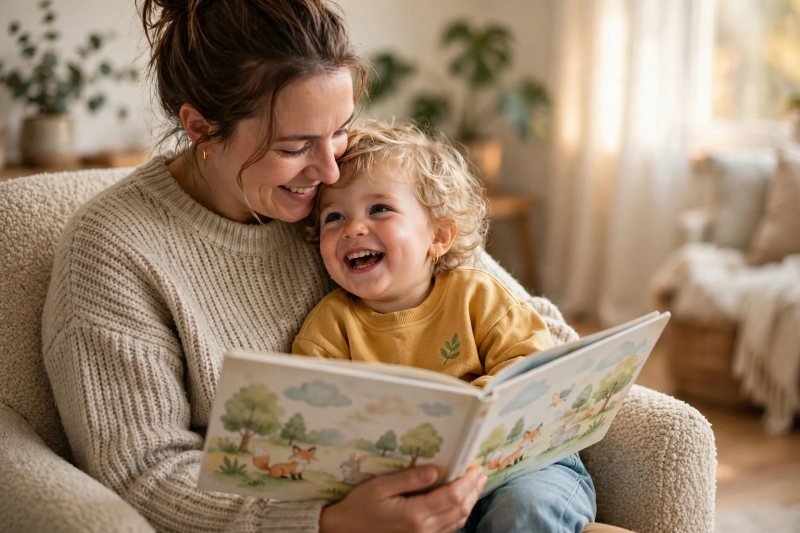
How to Read Aloud to a 2-Year-Old: 9 Tricks That Build Future Readers
Nine read-aloud tricks for 2-year-olds: short cozy sessions, playful voices, child-led page-turning — any reading together counts toward a future reader.
-

Rhyming Words for Preschoolers: 60 Simple Pairs With Pictures to Practice
60 rhyming words for preschoolers in 10 word families — bat–sat, cake–bake, sheep–sleep — plus rhyme-detective sorting and odd-one-out games for ages 3–4.
-

Row Row Row Your Boat Lyrics + Rowing Game for Toddlers
The complete row row row your boat lyrics and the classic lap rowing game for ages 2–3: step-by-step moves, 8 fun variations, skills it builds, and gentle safety tips.
-
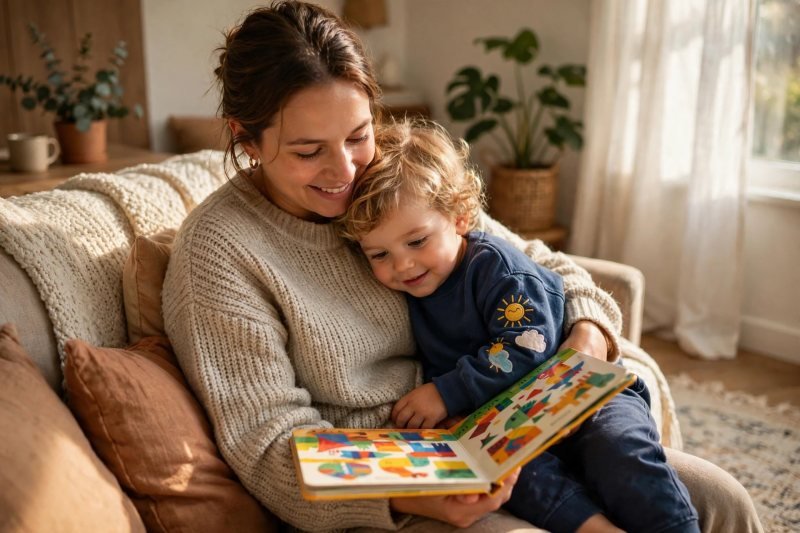
Reading Readiness in Toddlers: 12 Signs Your 2-Year-Old Is Ready for Words
Twelve reading readiness signs your 2-year-old may show — and exactly what to do for each one. No pressure, no deadlines: just warm invitations to play with words.
-
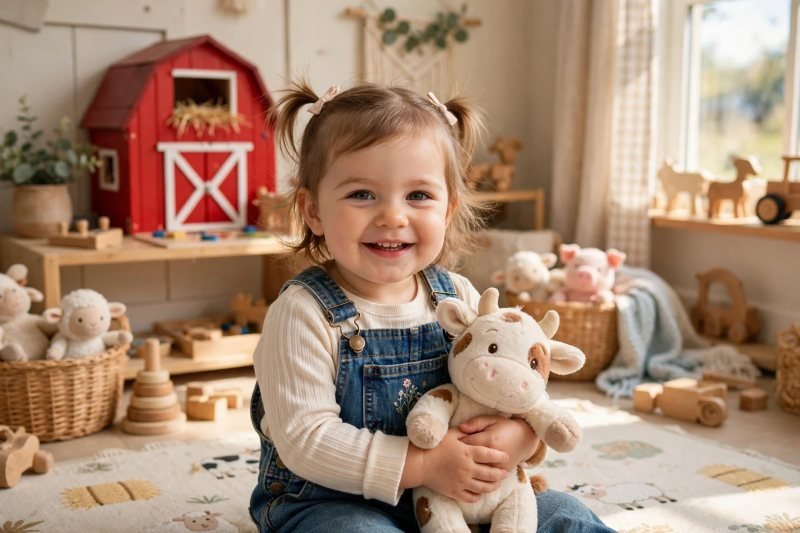
Old MacDonald Had a Farm Lyrics: Animal Sounds That Teach Rhyming
A parent's guide to the Old MacDonald had a farm lyrics for ages 2–3: each animal verse with its sound and a movement, how the E-I-E-I-O chorus builds rhythm and vowel sounds, and playful ways to extend the song.
-

Rhyming Words for Toddlers: 50 Easy Pairs to Say Together (Cat–Hat, Dog–Frog)
Fifty easy rhyming words for toddlers — cat–hat, dog–frog, moon–spoon — sorted into five playful groups, with simple say-sing-clap games that build listening skills and early reading readiness.
-
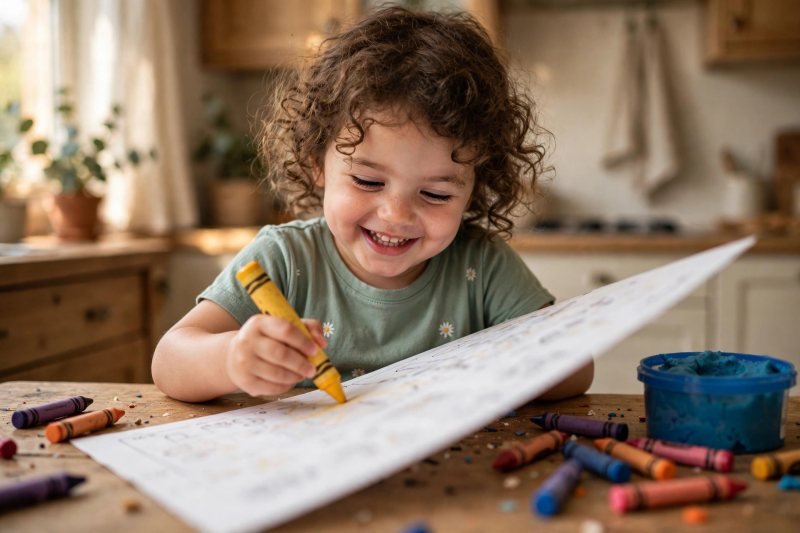
Uppercase Letter Tracing Worksheets A–Z: Teaching Order, Formation Tips and Reuse Games
Uppercase letter tracing worksheets A–Z for ages 4–5 — a pack organized by teaching order (name letters first, then straight-line, curved, and tricky letters), with per-letter formation tips, troubleshooting for reversals and heavy pressure, and 10 playful games that reuse every page.
-
High Frequency Words for Reception: The First 45 Words (UK List)
A UK guide to high frequency words for Reception: the first 45 words in five sets of nine, with playful games for ages 4–5.
-
Phonics Screening Check Practice: Year 1 Word Lists (UK)
Calm, stress-free phonics screening check practice for Year 1 (ages 5–6): our own practice word lists of real words and invented alien words, plus a gentle 10-step home session and low-pressure games.
-

How to Teach Rhyming to Preschoolers: A Simple 4-Step Method
Rhyming is one of the first building blocks of reading, and most preschoolers learn it through play, not lessons. This 4-step method goes from hearing rhymes to making your own — with 10–15 minute games you can play anywhere.
-
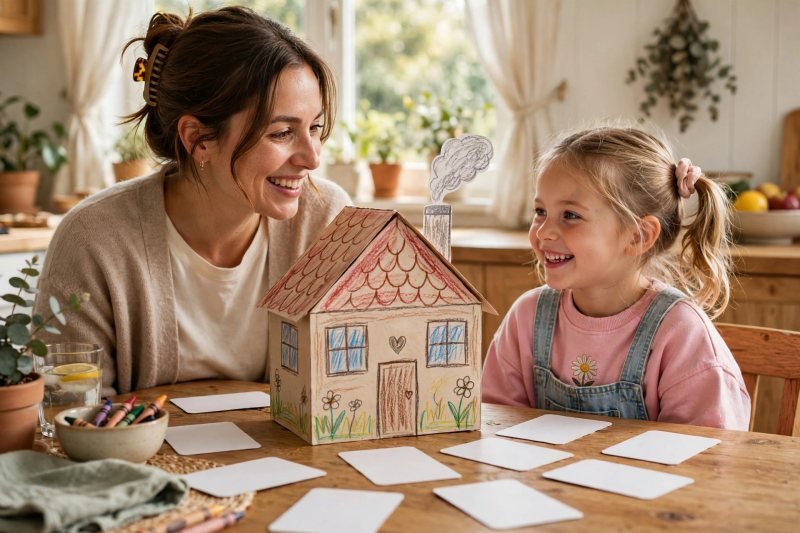
Word Families for Kindergarten: at, an, ap and More
Nine kid-friendly word family lists (-at, -an, -ap and more) plus a 10-step, parent-led session with hands-on games: onset-rime sliders, word family houses, flip books and word fishing.
-
Digraphs for Kids: sh, ch, th, wh Explained With Activities
What are digraphs for kids? Two letters teaming up to make one sound — sh, ch, th and wh explained in plain English, with a complete 10-step play session that turns tricky spelling patterns into games your 5- or 6-year-old will actually enjoy.
-

Homeschool Kindergarten Curriculum: The 12 Best Programs Compared
A parent-to-parent comparison of 12 homeschool kindergarten curriculum programs for ages 5–6 — phonics, math, handwriting, and full-year options — with honest trade-offs for each and a five-step choosing process.
-

How to Teach Letter Sounds to Preschoolers in 5 Minutes a Day
A five-minute daily routine for how to teach letter sounds to preschoolers: a teaching order to introduce sounds (not A to Z), one sound a day with multisensory play, quick reviews, and gentle fixes for b/d mix-ups. Ages 3–4.
-

School Readiness Checklist UK: Is Your Child Ready for Reception?
A UK school readiness checklist for Reception starters aged 4–5: uniform skills, lunch-hall confidence, lining up and the EYFS foundations teachers look for — plus a tick-box checklist to track progress together.
-
Kindergarten Sight Words List: All 52 Dolch Words (+ Practice Plan)
The complete 52-word Dolch kindergarten sight words list, grouped into six small practice sets, with a four-week practice plan and screen-free games. Ten minutes a day, no worksheets, no drilling — just playful repetition that makes every word stick.
-
Jolly Phonics Sounds in Order: A Parent's Guide With Actions (UK)
The complete jolly phonics sounds in order for UK parents — all 7 groups of 42 letter sounds, why this clever order helps children blend words sooner, and easy at-home games with simple actions for ages 4–5.
-

Sight Word Games: 15 Favorites (BANG!, Bingo, Treasure Hunts)
Fifteen tried-and-tested sight word games that make reading practice feel like play — BANG!, bingo, treasure hunts, swat-the-word and more, with full setup and rules for ages 4–5 using things you already own.
-
Nursery Rhymes for Toddlers: 20 Classics That Build Early Reading Skills
Twenty classic nursery rhymes for toddlers, each one quietly building early reading skills. Bouncy action rhymes, gentle bedtime songs, counting rhymes and silly favorites — every one trains the rhythm, rhyme and sound awareness your child needs before letters even make sense.
-

How to Teach Your Child to Read at Home: The Complete Kindergarten Plan
A calm, step-by-step kindergarten reading plan for ages 5–6: phonemic awareness, letter sounds, blending and first books — in 15–20 gentle minutes a day.
-
CVC Words for Kids: The First Words Your Child Can Sound Out
CVC words for kids are the first words children can truly sound out — like cat, bed, and sun. This guide gives parents the stretch-and-blend routine, first words by vowel, and six playful games.
-
'CH' Words: 40 Digraph Words (Chip, Lunch, Watch)
40 ch words your 6- to 8-year-old can hear, spot, read, and sort by position — chip, lunch, watch — in a 10-step session with munch-and-crunch games and a tricky-ch detective round.


