


Alphabet Worksheets for Preschool: What Actually Works at Age 3–4
A practical, honest parent guide to alphabet worksheets for preschool: the worksheet styles that genuinely work at ages 3–4, the ones to skip for now, and how to run calm, happy five-minute sessions — no pressure, no guilt.
The best alphabet worksheets for preschool at ages 3–4 are simple and playful: colouring one big letter per page, dot-marker stamping, matching big letters to little ones, and find-and-circle letter hunts — in sessions of about five minutes with a parent alongside. Skip tiny ruled lines, full A–Z tracing pages, and long sit-downs; correct letter formation can wait. One letter a day, short and fun, builds real letter recognition without tears.

The short version
- At 3–4, worksheets should feel like colouring pages with letters on them — colouring, dot markers, stickers, and letter hunts all work.
- Keep sessions to about five minutes; stop while it's still fun so they come back tomorrow.
- One big letter per page — skip tiny ruled lines and A–Z tracing marathons for now.
- Start with the letters in your child's name; familiar letters are the easiest win.
- Sit with them — the learning is in the chat about letter names and sounds.
- Watch for readiness signs (colouring inside shapes, naming letters, a finger grip) before introducing tracing.
- Age
- Ages 3–4
- Prep
- 2 min
- Mess
- Low
- Difficulty
- Easy
- Where
- Indoor
Why kids love this
- Big chunky letters to colour — colouring feels like play, not work - Dot markers make a satisfying thump and instant colourful results - Hunting for letters feels like a treasure hunt - Stickers! Sticking things onto letters is always a win - Short sessions end while it's still fun, so they ask for it again
What you'll need
- Printer or printed alphabet worksheets (big letters, one per page is best)
- Chunky crayons (easier to grip than thin ones)
- Dot markers or stickers (round stickers are perfect)
- Pencils for later, when your child asks for them
- A tray or clipboard to work on
Before you start
Print one worksheet — just one. Choose a style from the list below, set it on a tray or clipboard with a few chunky crayons, and sit down together. Two minutes, done. Keep the rest out of sight; a whole stack feels overwhelming.
How to do it
-
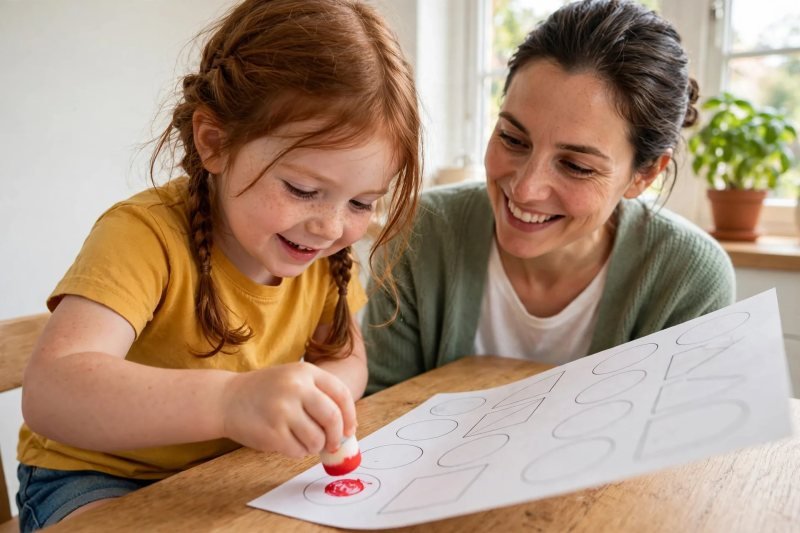
**Stamp the letter awake with dot markers.** Lay one dot-marker worksheet on the table with a single dot marker beside it — nothing else in sight — and settle Mia in her chair with you right beside her. Tap the big letter outline and say, "Oh no, this letter is fast asleep! Can you wake it up with stampy dots — thump, thump, thump?" Let Mia press the marker into each empty circle while you chat about what appears — "Look at that big B! B says buh, like ball." Don't worry if dots wander outside the lines; the stamping is the learning. Once the letter wears its dots all over, cap the marker and reach for the matching cards, because the very same letter wants to find its little friend next.
-
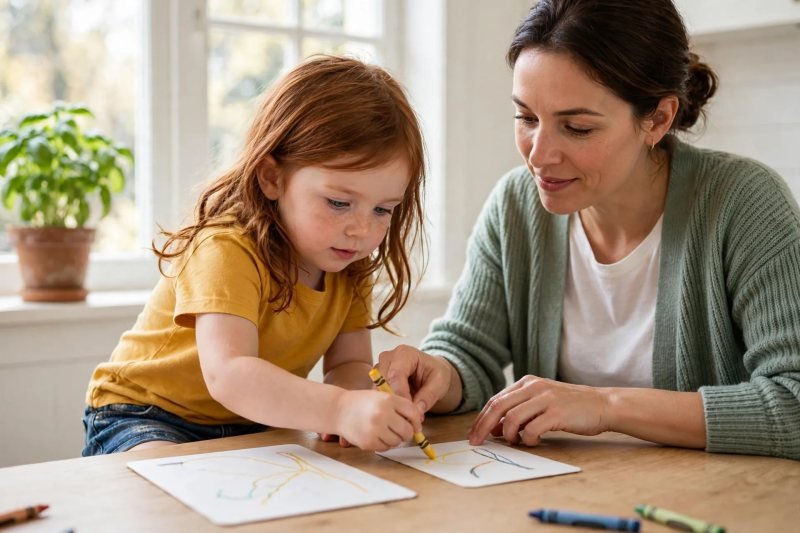
**Match the big letter to its little partner.** Place two cards on the table — the big letter on the left, its little twin on the right — with a crayon in Mia's hand. Point between them and say, "The big B is looking for its little b — can you draw a road to join them together?" If the road wanders, lay your hand gently over hers and draw one together; begin with letters from her name, which she'll spot fastest. When the road lands, cheer it home and say, "Same letter, different clothes!" Now trade the cards for a chunky crayon, because before the colouring starts, her grip deserves a quick check.
-
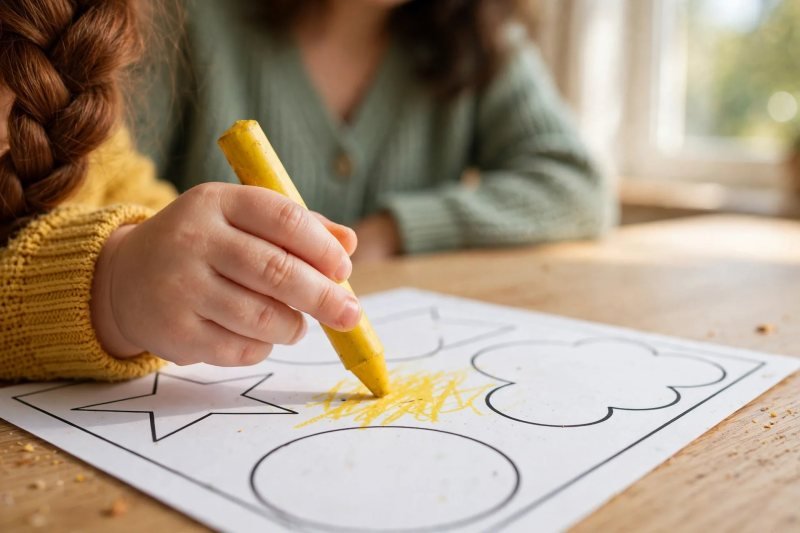
**Check the crayon grip before the colouring starts.** Hand Mia a chunky yellow crayon and watch her fingers: if the whole fist wraps round it, gently reshape her grip and say, "Pinch it like a little bird's beak — thumb and fingers, not the whole fist." Let her scribble across the big letter with no correcting at all — scribbles count as colouring at this age. Keep the letter chat going as she works — "There's your M! M says mmm, like mummy." Strong fingers come before tracing, and happy colouring is exactly what builds them; the ideas in our [fine motor activities for preschoolers](/activities/fine-motor-activities-for-preschoolers/) collection add even more grip-building play. And if Mia spots a dotted-line tracing page and asks for the writing ones herself, that's her green light — our [letter tracing worksheets for pre-k](/activities/letter-tracing-worksheets-prek/) guide shows how to introduce tracing without the battles. When the letter glows with colour, reach for the sticker sheet for a change of pace.
-
**Decorate the letter with round stickers.** Loosen the corners of a few round stickers on their backing sheet first — peeling is the hardest part for little fingers — and hand the sheet to Mia. Say, "Let's give this letter a spotty jumper — peel one, stick one, right on the letter." Press each sticker firmly down together, and if one lands on the table instead, fold it into the game — "That one's hiding — rescue it and pop it on!" When the letter wears its spotty jumper, push the sticker sheet aside and lay out the letter-hunt page, because now the letters get to play hide and seek.

-
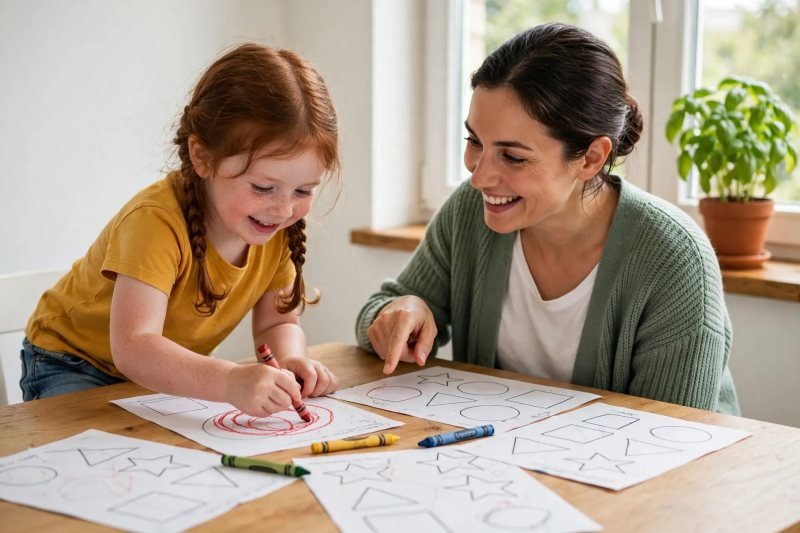
**Hunt the hiding letters together.** Spread the find-and-circle page on the table and choose one target letter — big and clear. Say, "Oh no, all the Ss are hiding! Can you find them and circle them — circle, caught one!" Let Mia scan and spot at her own speed; if she stalls, point toward a hiding place — "Hmm, is one hiding down here?" Celebrate every catch — "Got it! You're a brilliant letter detective!" When every target is caught, slide her a quiet colouring page, because a little independent colouring comes next — and it earns you a cup of tea.
-
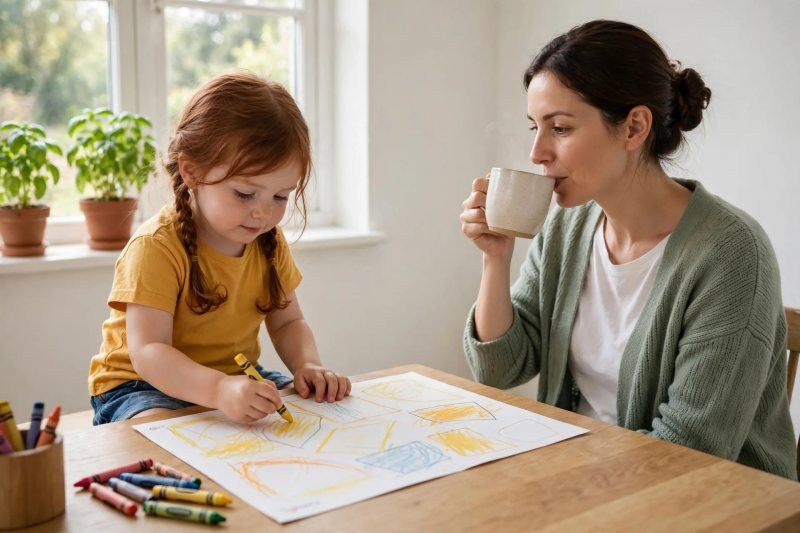
**Step back and let her colour while you sip your tea.** Slide a fresh colouring page across, settle back with your own cup, and say, "This one's all yours — I'll sit right here with my tea." Stay close but don't direct; a little independence builds confidence, and your calm presence keeps it a shared ritual rather than a test. Keep one ear open for letter chatter she volunteers — if she names a letter from her name, grin and say, "That's right — that's YOUR letter!" Once she's settled into the rhythm, pick up a crayon of your own, because colouring alongside her comes next.
-
**Colour alongside her, side by side.** Take a crayon yourself and colour a corner of the same big letter, shoulder to shoulder with her. Say, "I'll colour the top and you colour the bottom — we're a letter team!" Chat as you colour — "Big B, little b — B says buh; buh like biscuit, buh like bubble." Your colouring models the grip, the strokes, and the pleasure of it. When the letter glows with colour, lift the page high and make a little ceremony of it, because the grand reveal comes next.

-
**Hold the finished page up like a trophy.** Lift the finished worksheet high between you — blank back to the camera, coloured side facing you — and say, "Presenting Mia's magnificent B!" Clap together, snap a photo for the grandparents, and name the letter one last time — "Big B! B says buh." This applause is the reward that brings her back to the table tomorrow. With the page admired, it's time to pack away — so carry the crayons to the tidy-up tray together.

-
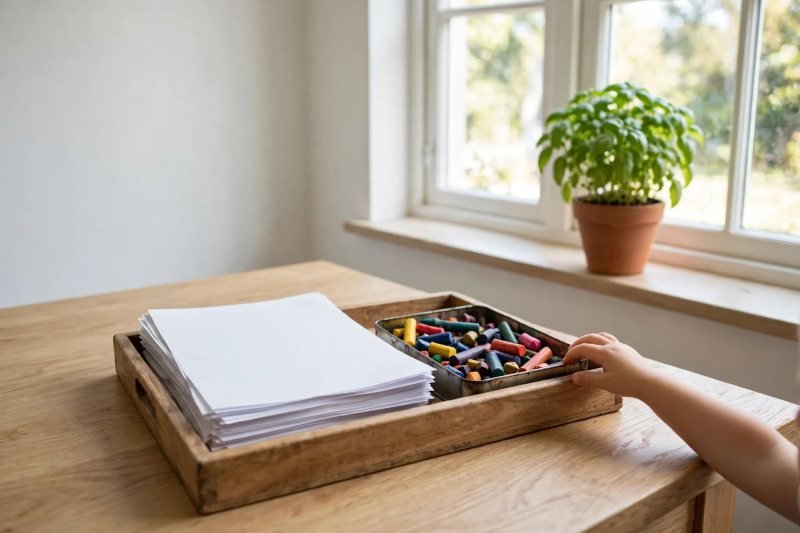
**Pack the tidy-up tray together.** Bring out the wooden tray — its neat stack of fresh sheets and the tin of chunky crayons — and say, "Everything has a home: crayons in the tin, papers in the stack, and you can be the boss." Let Mia drop the crayons in one by one while you square the paper pile. When the tray is tidy and the table is clear, set the sand timer where she can see it — because the closing ritual is what makes tomorrow's session happen.
-
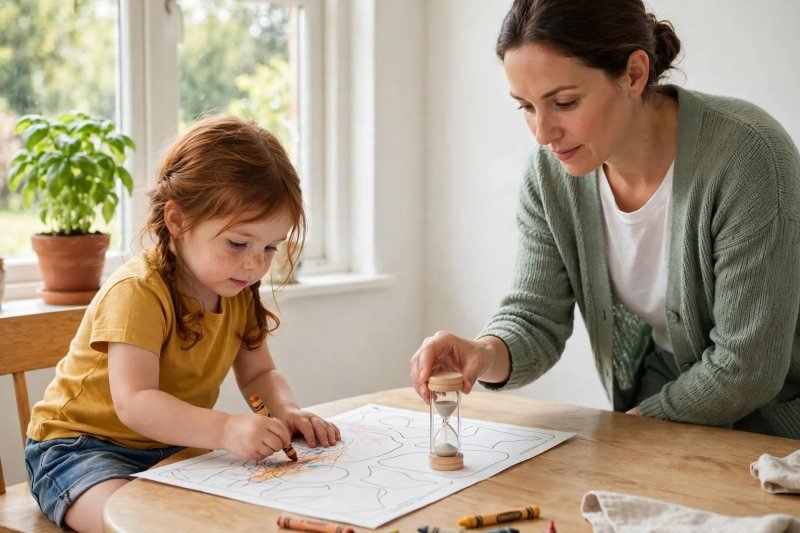
**Let the sand timer call time.** Flip the little hourglass on the table while Mia settles to her colouring and say, "When all the sand has run to the bottom, our letter session is finished — then this page goes on the fridge for everyone to see." The timer, not you, ends the session, so there's no argument and no dragging on. When the last grains fall, crayons go down and the page goes up — and for a change of pace on another day, take the letters off the page entirely with our [alphabet activities for toddlers](/activities/alphabet-activities-for-toddlers/), full of movement-based letter play that works just as well at three and four.


Make it easier
- Let them colour any way they like — scribbles count - Use dot markers or stickers instead of crayons - Do the worksheet together, you doing half the page - Use only the letters in their name to start - Tape the paper down so it doesn't slide
Make it harder
- Match more uppercase/lowercase pairs - Hunt for two target letters instead of one - Try gentle dotted-line tracing, one big letter per page - Ask "what sound does it make? What else starts with that sound?" - Let them "teach" the letter to a teddy
Other ways to play it
- - **Sensory:** fill the big letter with glue and stick on rice, lentils, or torn tissue
- - **Outdoor:** chalk a giant letter on the patio; "paint" it with water and a brush
- - **Name week:** spend a whole week on just the letters of your child's name
- - **Letter jar:** pull a letter card each morning — that's today's letter
How it changes by age
- - **Just turned 3:** colouring big letters and dot markers; 3–5 minute sessions; don't expect letter naming yet
- - **3 and a half:** add find-and-circle hunts and sticker letters; a few letters recognised, often from their name
- - **Approaching 4:** try matching a few pairs; gentle tracing if they show interest; sessions toward 10 minutes
- - **Turned 4:** combine styles — colour, then find, then match; first dotted-line tracing pages if the grip looks ready
What they're learning
- **Letter recognition:** spotting and naming letters — the foundation of reading - **Upper/lowercase matching:** B and b are the same letter in different clothes - **Pencil grip and control:** chunky-crayon work that prepares hands for writing - **Left-to-right direction:** scanning across a page, like reading - **Letter sounds:** connecting each letter with its sound through casual chat
Clearing up
One sheet, a few crayons — recycle the scraps, cap the markers, wipe the tray. Finished pages go on the fridge or into a folder; children love looking back through "their letter book" at the end of the month.
Questions parents ask
Are alphabet worksheets good for preschoolers?
What age should my child start alphabet worksheets?
How long should a preschooler spend on alphabet worksheets each day?
Should my 3-year-old be able to write letters yet?
What should I do if my preschooler refuses to do alphabet worksheets?
How many letters should we learn each week at age 3–4?
You don't need a curriculum, a subscription, or a perfect printable. A handful of big-letter pages, some chunky crayons, and five minutes of your company will do more for your 3–4-year-old's letter learning than any workbook. Trust the slow rhythm — it works.

save it for later
Pin this for the next rainy afternoon
Keep it on a board so it is there when you need it, rather than when you happened to find it.
Save to PinterestTry this next
-
Letter of the Week Activities for Preschool: A Complete 10-Step System for 3–4-Year-Olds
Ages 3–4
-
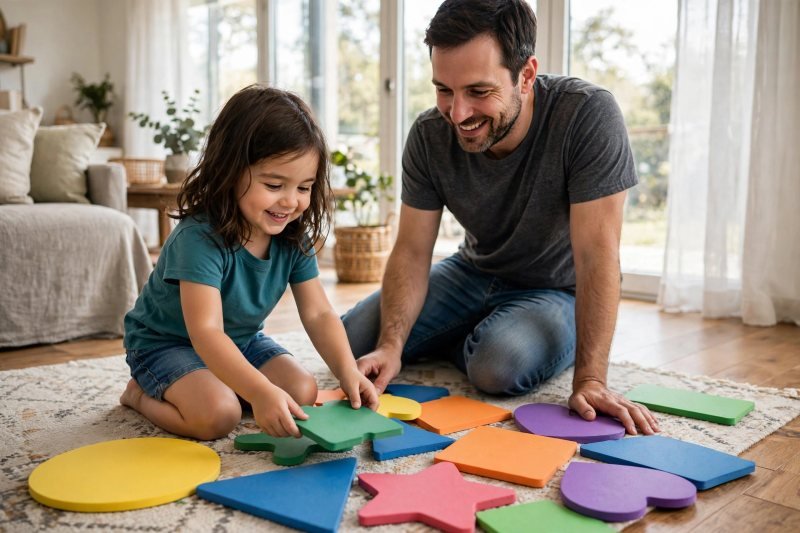
Alphabet Recognition Activities for Preschool: 10 No-Worksheet Games for Ages 3–4
Ages 3–4
-
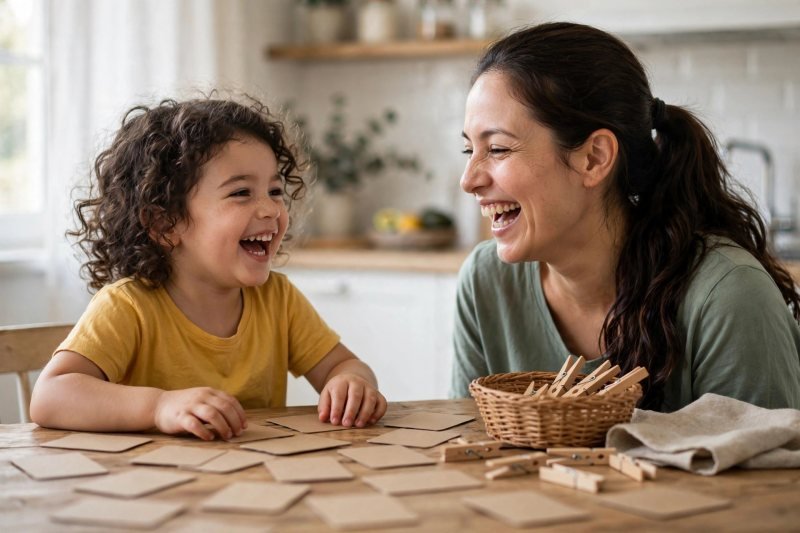
Letter Matching Games for Preschoolers You Can Make in Minutes
Ages 3–4
-

Name Tracing Worksheets for Preschool: A Free Printable Approach for Ages 3–4
Ages 3–4


