


Activities by Age
The same activity lands very differently at three and at seven. These pages group ideas by what tends to work at each age — as a starting point, not a rule.
Activities
-
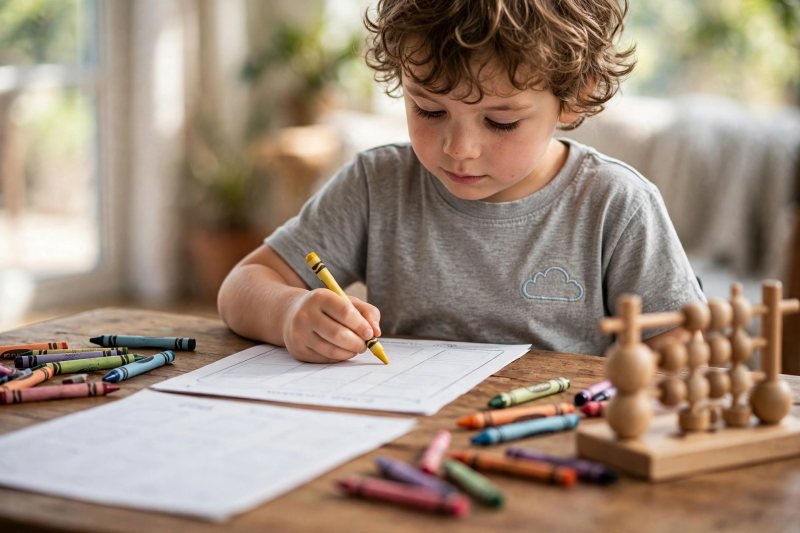
Counting Worksheets for Kindergarten: 15 Printables for Numbers 1–20
Counting worksheets for kindergarten work best as a short daily habit. This 15-sheet printable pack takes ages 5–6 from counting objects 1–10 to confident counting 1–20: count-and-circle, tracing, dot-to-dots, ten frames and missing-number lines — one sheet a day.
-
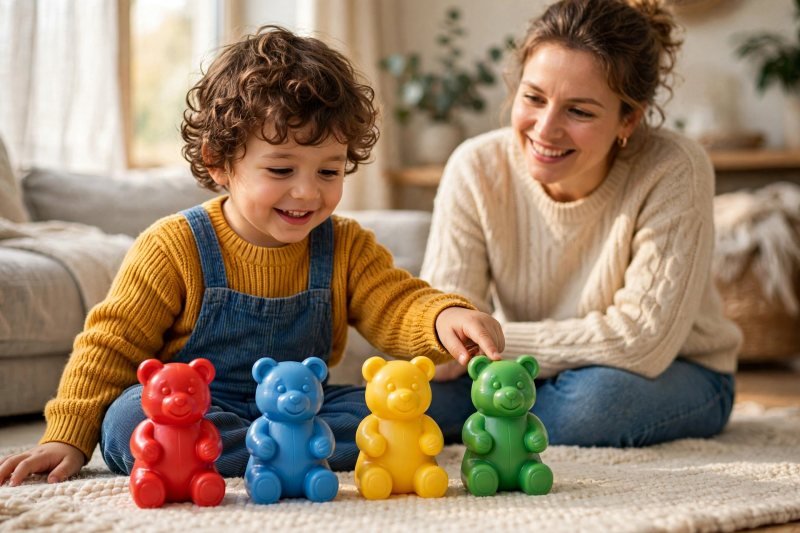
Counting Games for Preschoolers That Build Real Number Sense
Ten counting games for preschoolers that build real number sense — not just reciting numbers. Roll-and-count bears, sock toss, color number hunts, and kitchen counting games for ages 3–4, all using things you already own.
-
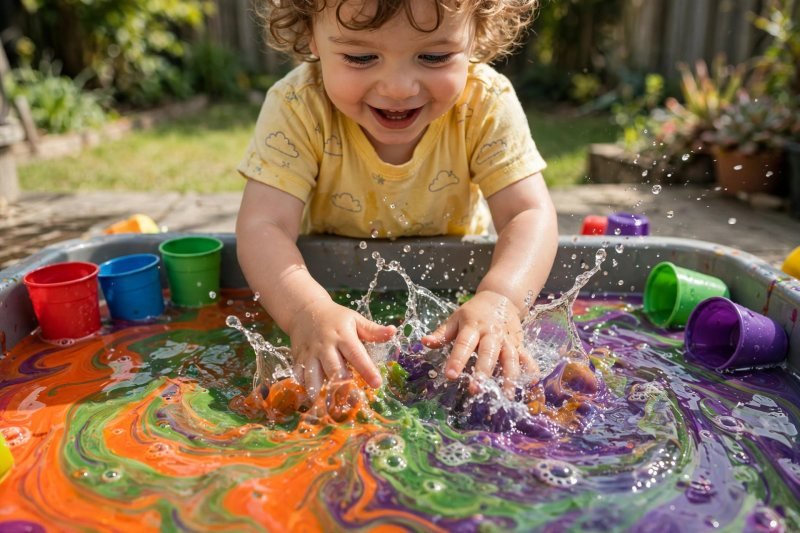
Color Mixing for Toddlers: Easy Water Play Science
Splash, pour, and squirt colored water to discover orange, green, and purple! Easy sensory color mixing for toddlers ages 2-3, run outdoors or in the bathtub with non-toxic washable materials.
-
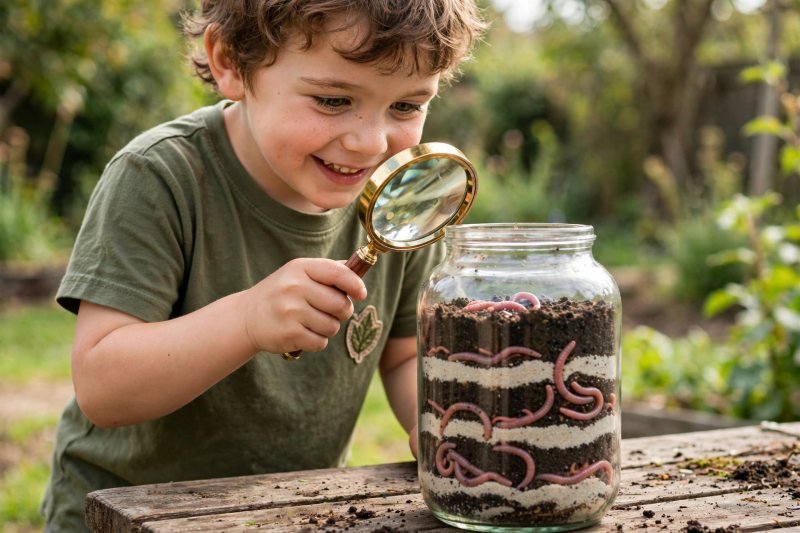
Build a Wormery: Worm Observation for Kids
How to make a wormery: kids layer sand and soil in stripes in a jar, add a few gentle earthworms, and watch them tunnel and eat dead leaves for a week or two.
-
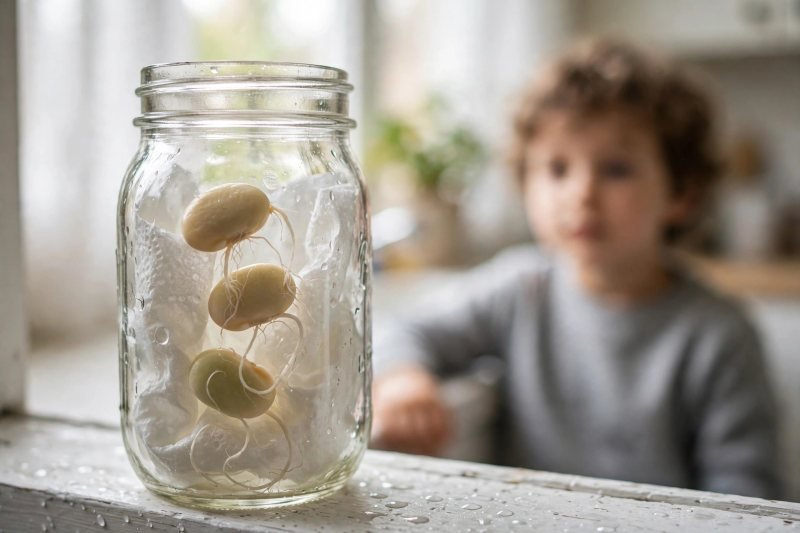
Parts of a Seed for Kids: The Bean Root Observation Jar
Press soaked beans against the glass of a damp-towel jar and watch roots grow — root hairs, the root cap, and roots that always find down.
-
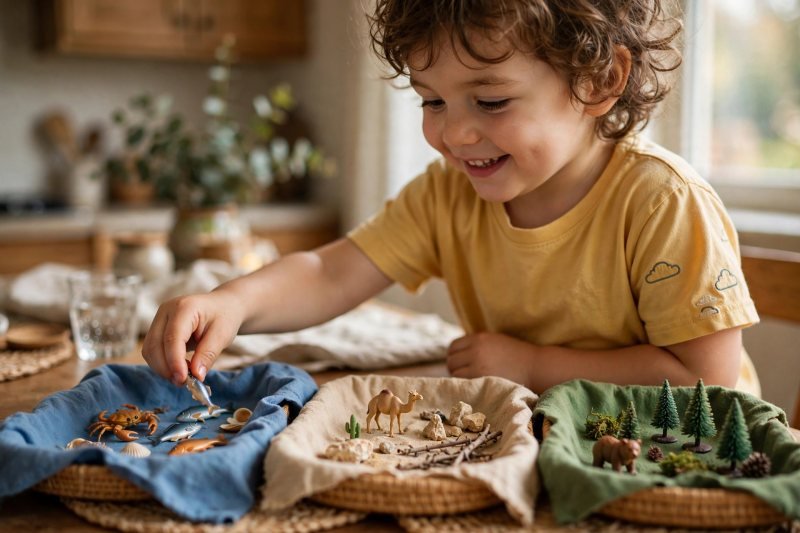
Animal Habitats for Kids: Ocean, Desert, Forest
Animal habitats for kids become a hands-on sorting game: build three simple trays — a blue ocean, a sandy desert, a leafy forest — then sort toy animals into the home where each one really lives. Fifteen minutes of setup, twenty to thirty of play, and real science vocabulary like habitat, saltwater, and nocturnal along the way.
-
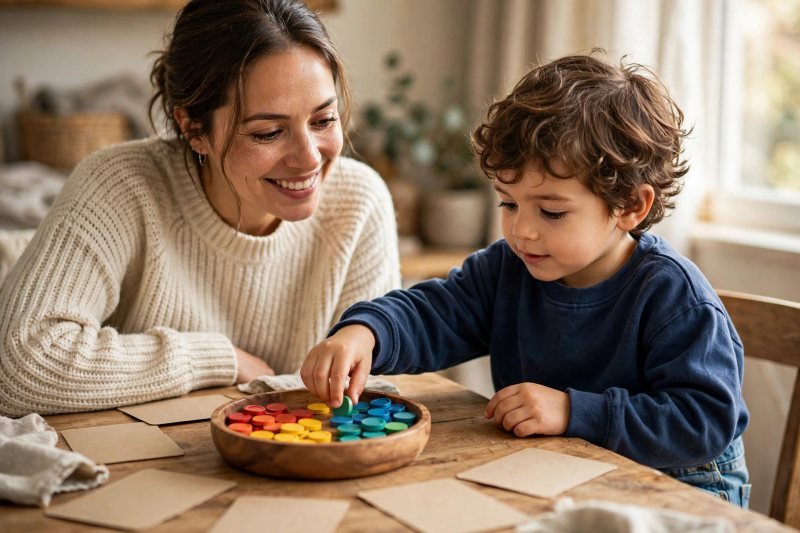
Addition Word Problems for Kindergarten: Picture Stories Within 10
Addition word problems for kindergarten, told as picture stories: your 5–6-year-old hears each story, acts it out with counters, draws it, and solves it. Ten ready-to-tell stories, every sum 10 or less.
-
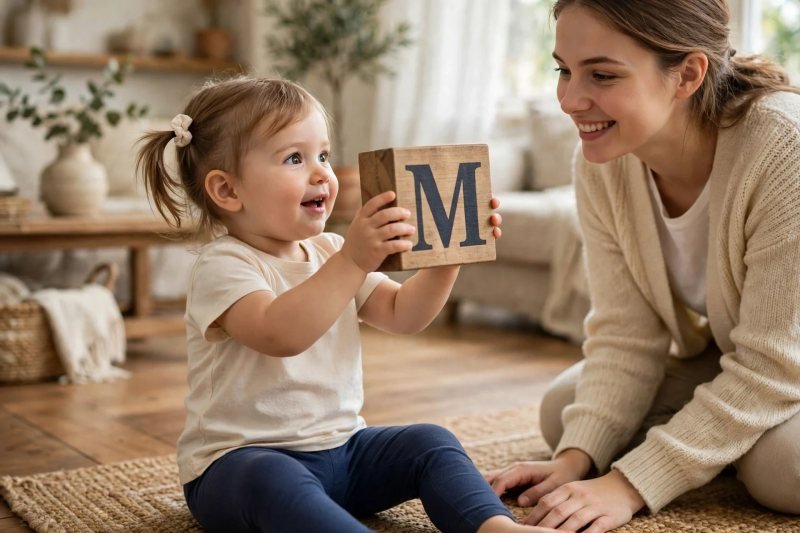
When Can Toddlers Recognize Letters? Milestones at Ages 2 and 3
When can toddlers recognize letters? Most start between ages 3 and 4, beginning with the letters in their own name. This calm guide maps the typical path from age 2 to 3.
-
Home Activities for Toddlers | Easy Play
Home is a toddler's whole universe — and the best activities for toddlers at home use the stuff already in it. No special equipment needed: your kitchen, your laundry, and your recycling bin hold weeks of play. This guide starts with instant ideas, adds sensory favorites with hon
-
Activities for One Year Olds | First Fun
The best activities for one year olds match what 12–24-month-olds do: mouth, dump, fill, push, pull, and repeat everything forty times. This guide gives you 19 ideas — instant zero-prep starters, sensory favorites, and first art and movement games — each with materials, how-to, t
-

Dancing Raisins Experiment for Preschoolers
Drop raisins into fizzy water and watch them dance up and down. This easy preschool science experiment uses simple kitchen materials and delivers a big wow moment in under a minute.
-
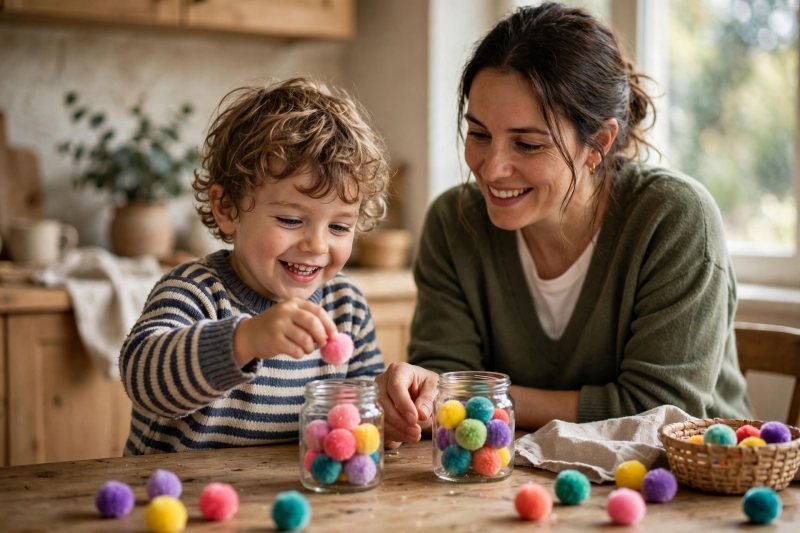
Counting to 20 Activities for Preschoolers: Hands-On Ideas That Work
Ten hands-on counting to 20 activities for preschoolers ages 4–5 that finally crack the tricky teen numbers (13–19). Real objects, movement and play — no worksheets, no flashcards, no pressure.
-
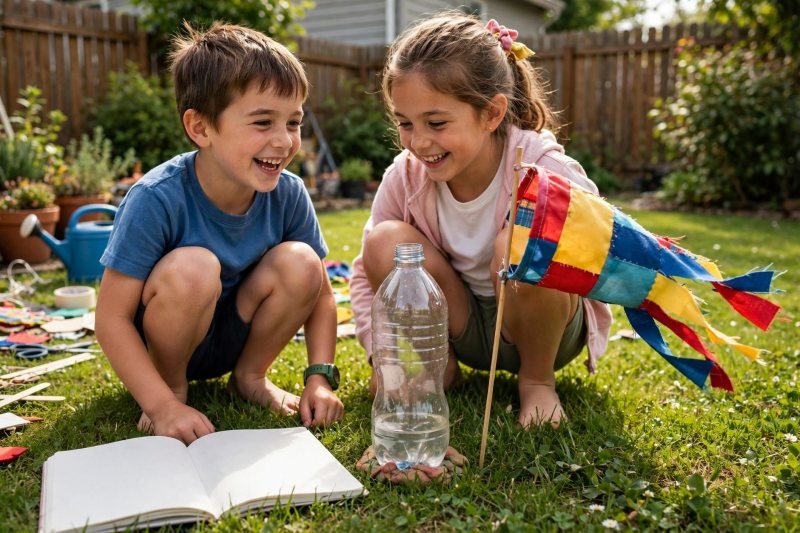
Build a Weather Station with Kids
A real weather station for kids is a backyard project worth a week of mornings: build a rain gauge, a wind sock, and a thermometer stand from household bits, then run the station together and record what the sky does.
-
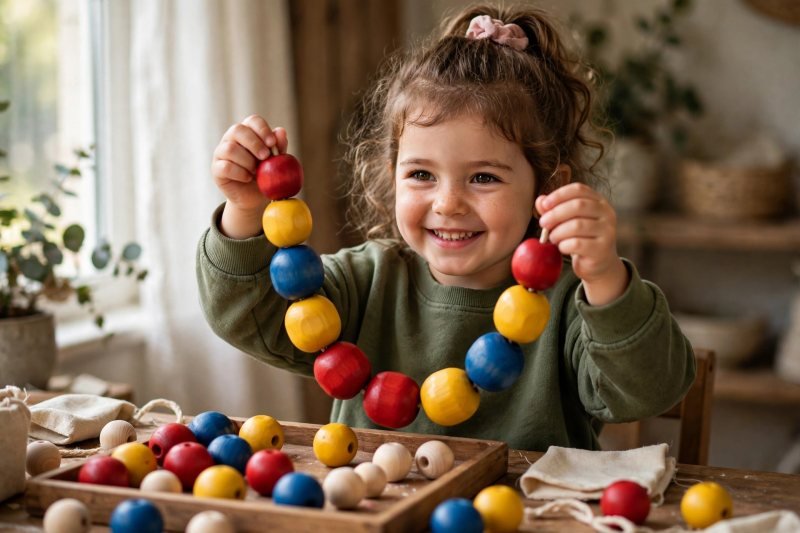
Bead Pattern Activities: String, Copy and Create Sequences
Bead pattern activities for ages 3–4: copy pattern cards onto a shoelace, continue a started necklace, invent your own bead sequences, and sort beads by pattern — all with big, safe wooden beads and an adult at the table.
-
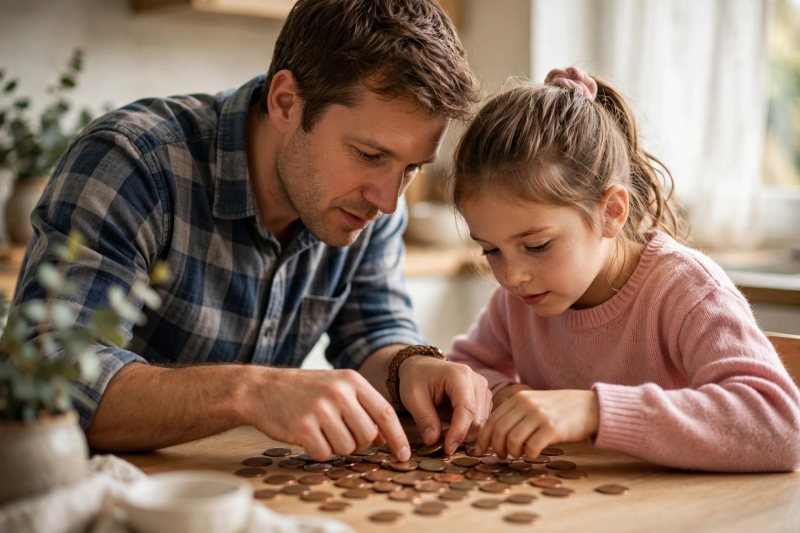
Counting Coins Activities: Pennies, Nickels, Dimes and Quarters
These counting coins activities turn spare change into real math practice. Kids 6–8 count pennies by ones, skip-count nickels and dimes, add mixed coins, and pay exact amounts — ten hands-on activities building real money sense.
-

Coin Recognition Activities: Meet the Penny, Nickel, Dime and Quarter
Before kids can count money, they must know the coins. These coin recognition activities teach ages 4–5 to spot the penny, nickel, dime, and quarter by sight and touch — sorting games, a size lineup, and a feel-in-the-bag challenge.
-

Analogue vs Digital Clocks: Help Kids Read Both
A 25-minute bridge lesson for ages 6–8: read both analogue and digital clocks — the colon rule, the five-minute table, and translating 3:30 both ways.
-
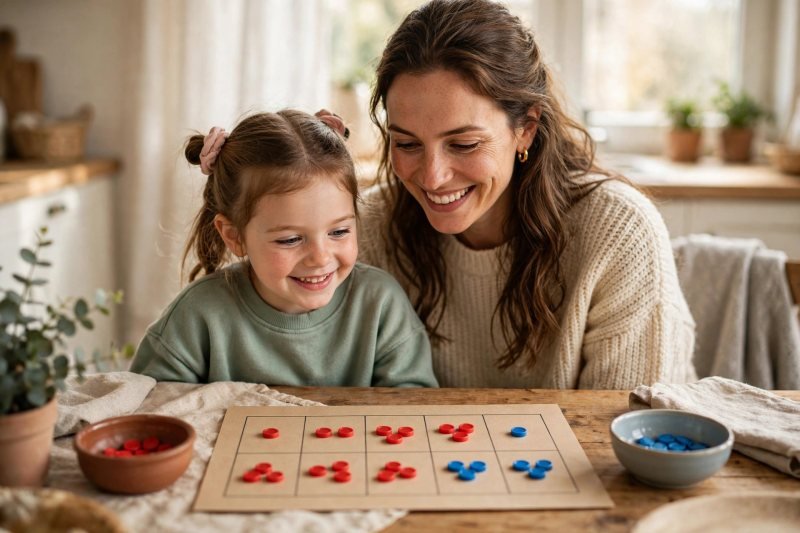
Addition With Ten Frames: A Visual Way to Add Within 10
Teach addition with ten frames step by step: build the first number, add the second in a new color, and read the answer.
-
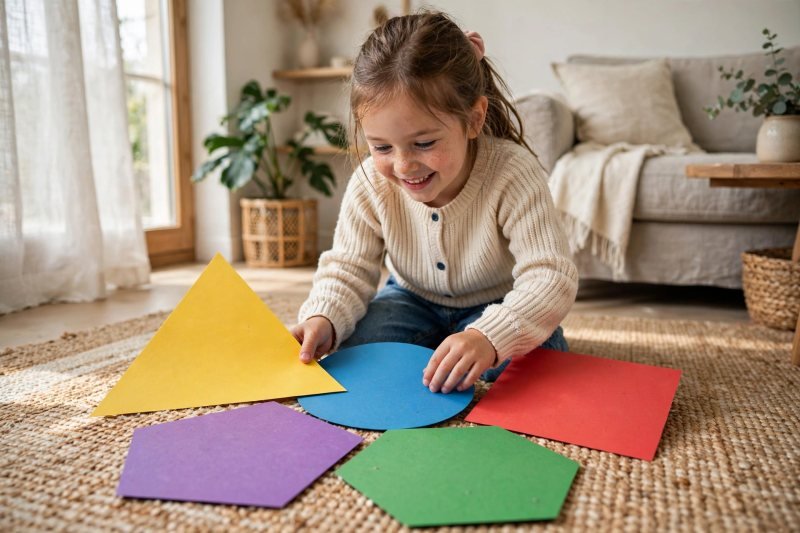
2D Shapes Activities: Names, Sides and Corners
These 2D shapes activities help kids ages 5–6 name shapes like pentagons and hexagons — and count every side and corner to prove it. Ten hands-on ideas, zero worksheets, all the geometry vocabulary a kindergartener needs.
-
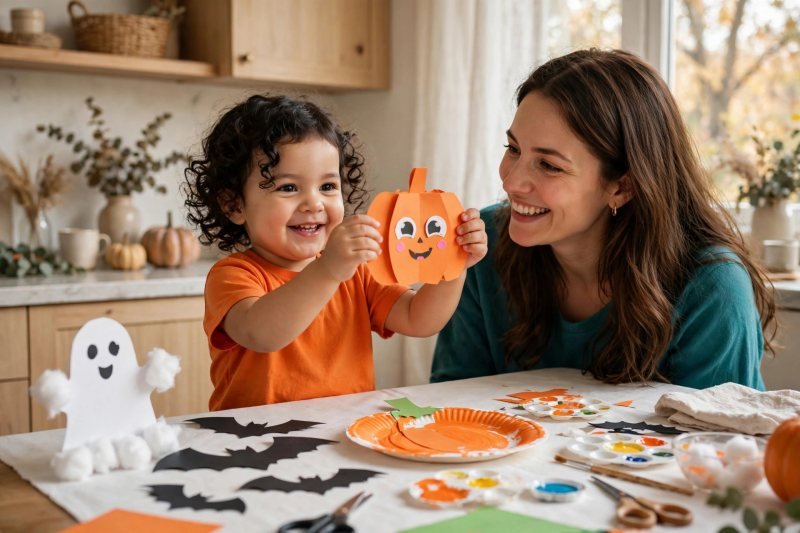
Halloween Crafts for Toddlers: 10 Easy Low-Mess Ideas
Ten gentle, low-mess Halloween crafts for toddlers — sticker pumpkins, handprint ghosts, and cotton-ball collages — planned as one happy craft session for ages 2–3.
-

Alliteration Activities for Preschoolers: Silly Sound Games That Teach Listening
Ten laugh-out-loud alliteration games for preschoolers — silly sound play with names, toys, and tongue twisters that trains little ears to hear beginning sounds.
-
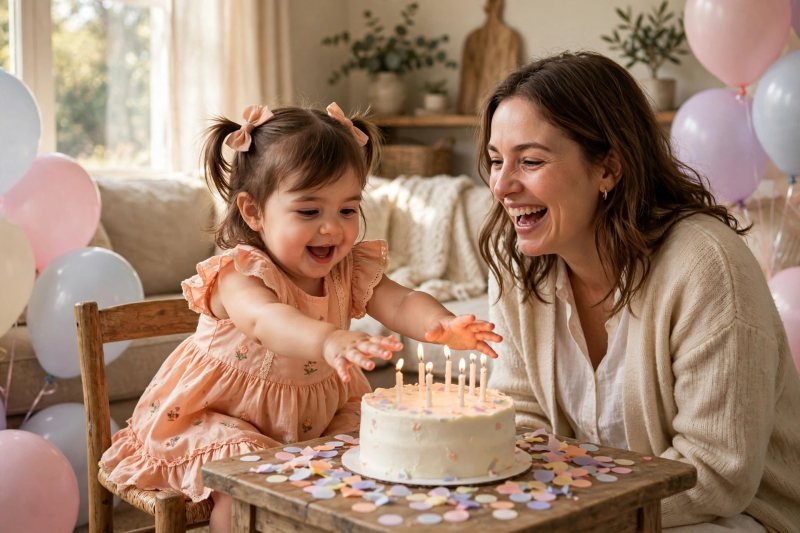
2nd Birthday Party Ideas: 30+ Fun Themes for Toddlers
A step-by-step planning guide for a nap-friendly second birthday: 30+ toddler party themes, a calm 45-minute party flow, toddler-proof food, and the smash-cake moment — low-key by design.
-

Kids' Skincare Routine: Simple Steps for Ages 2–8
A kids' skincare routine doesn't need a shelf of products — just gentle cleansing, moisturizing, and sunscreen. Here is a simple less-is-more daily routine for ages 2–8 that builds healthy habits without the fuss.
-

Itsy Bitsy Spider Lyrics and Fingerplay: A Toddler Rhyming Favorite
Learn the itsy bitsy spider lyrics and the simple fingerplay moves step by step. A sweet rhyming song for ages 2–3 that builds finger control, sequencing, and weather words — no props needed, just hands.


Browse activities by age
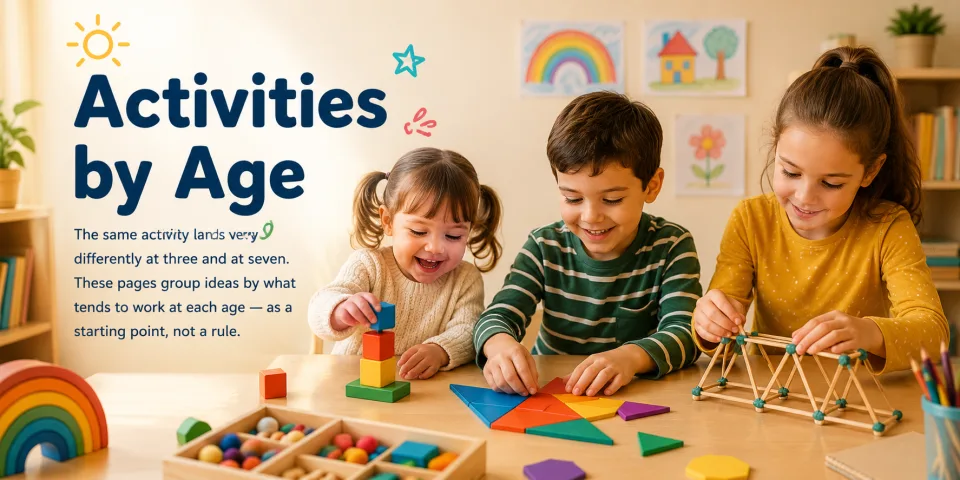
Ages here are a guide to attention span, hand strength and how much help a child is likely to need — not a judgement about what your child should be doing. You know them; if an activity for five-year-olds suits your three-year-old, use it.
Most activities also include a note on making them simpler for a younger child or more demanding for an older one, which is what makes them work for siblings playing together.
What you'll find here
-
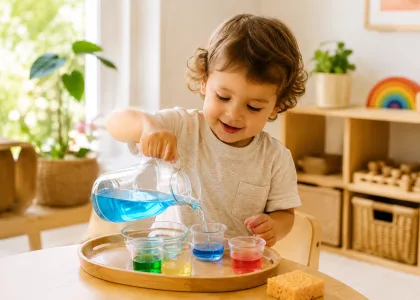
Toddlers, 2–3
Short, repeatable and very hands-on. Pouring, posting, squishing, filling and tipping out again. Expect five focused minutes and be delighted by ten.
-
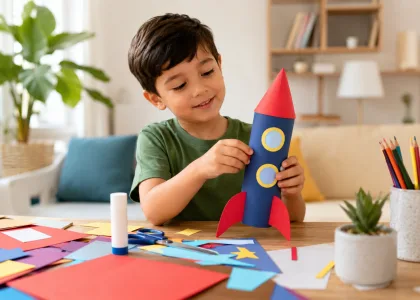
Preschool, 4–5
Longer projects with a beginning, a middle and something to show at the end. This is the age where an activity can hold up for half an hour.
-
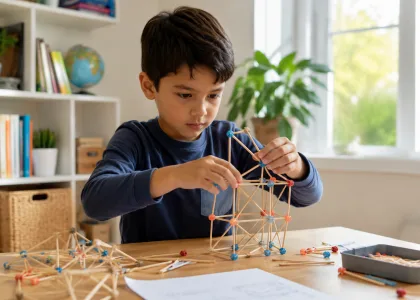
Early school, 6–8
Ideas with a challenge in them — building something that has to work, a puzzle with a right answer, a game with a rule they can argue about.
Every activity page repeats its age range at the top, so you never have to remember which section you came in through.