


Activities by Age
The same activity lands very differently at three and at seven. These pages group ideas by what tends to work at each age — as a starting point, not a rule.
Activities
-
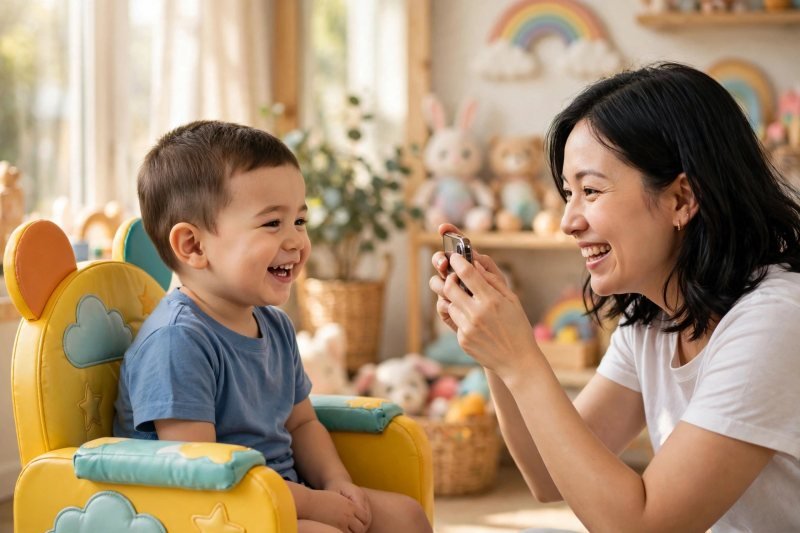
Toddler First Haircut: When to Go and How to Make It Tear-Free
Wondering about your toddler's first haircut? Most toddlers need one between 12 and 24 months — and the right timing signs, a kid-friendly salon, and a little at-home practice turn a potentially tearful milestone into a happy one.
-
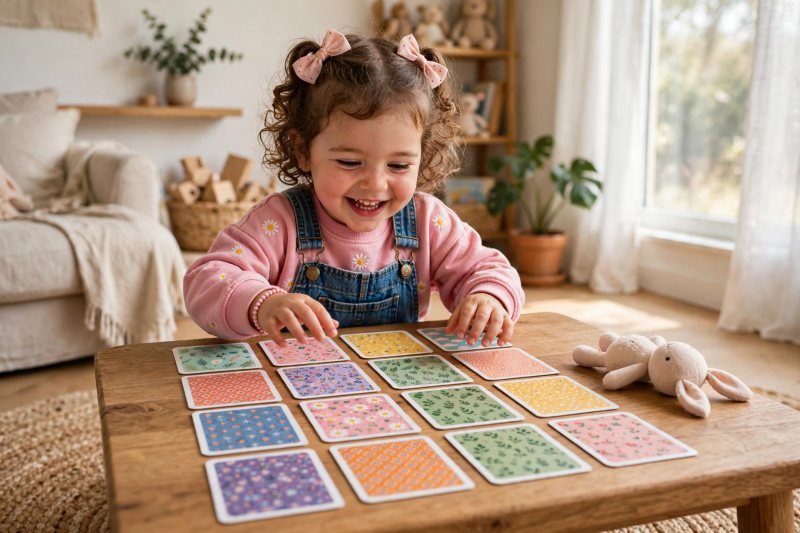
Memory Games for Preschoolers: 16 Classic & DIY Games
Sixteen memory games for preschoolers: 8 classics for ages 3–4 plus 8 no-prep DIY games from things you already own. Build working memory, attention, and turn-taking — start with just two pairs.
-

Preschool Winter Outfits: Cozy Looks for Ages 3–5
Cold mornings run smoother with a plan. These cozy preschool winter outfits for ages 3–5 pair real warmth with growing independence — parent-approved choices, easy layers, and a coat trick kids love.
-
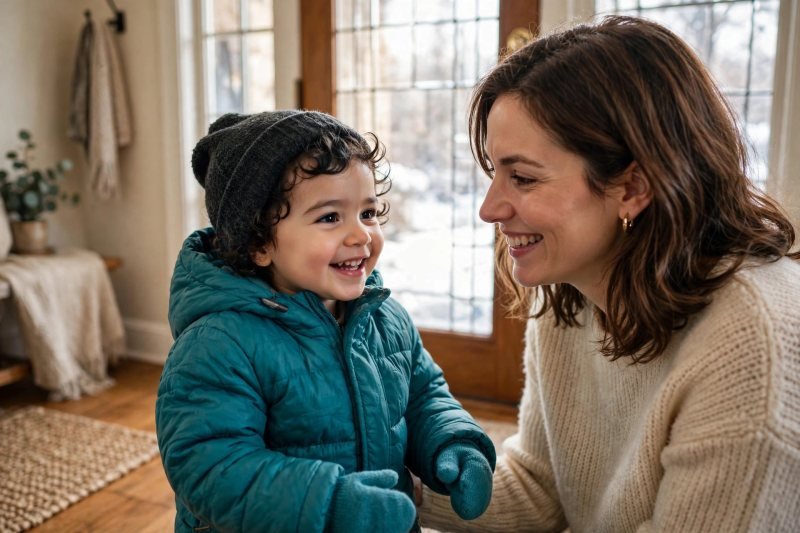
Toddler Winter Outfits: 20 Warm Looks for Ages 2-3
How to dress a toddler for a cold winter day: three warm layers, boots, hat and mittens — plus 20 toddler winter outfits for ages 2–3 built from what's already in the drawer.
-

Alphabet Worksheets for Preschool: What Actually Works at Age 3–4
A practical, honest parent guide to alphabet worksheets for preschool: the worksheet styles that genuinely work at ages 3–4, the ones to skip for now, and how to run calm, happy five-minute sessions — no pressure, no guilt.
-
Four Year Old Activities | Big-Kid Play
Four-year-olds are gloriously capable: they ask "why" forty times a day, build elaborate worlds, and crave real challenges. Activities for four year olds can finally have multiple steps, genuine science, and friendly competition — while still leaving plenty of room for silliness.
-
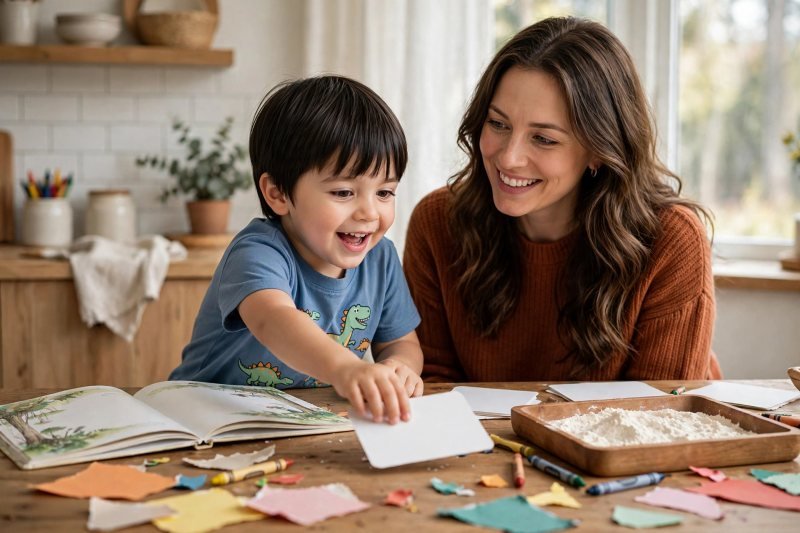
Letter of the Week Activities for Preschool: A Complete 10-Step System for 3–4-Year-Olds
A complete letter-of-the-week system for preschool at home: how to order your letters, a full sample week of sound games, hunts, sensory play, crafts, snacks, songs and review games, plus a reusable weekly template and progress tracker. Don't try to plan 26 weeks at once — learn one repeatable weekly rhythm and run it for every letter, all year.
-

What Order to Teach Letters and Sounds: Sounds First, Here's Why
Wondering what order to teach letters and sounds in? Sounds come first — they unlock blending and reading. Get the research-backed order plus a 10-step sounds-first session for 3–4-year-olds. Sounds unlock reading — letter names don't. Here's the order that works, and a guided session that teaches it to you and your child in one sitting.
-
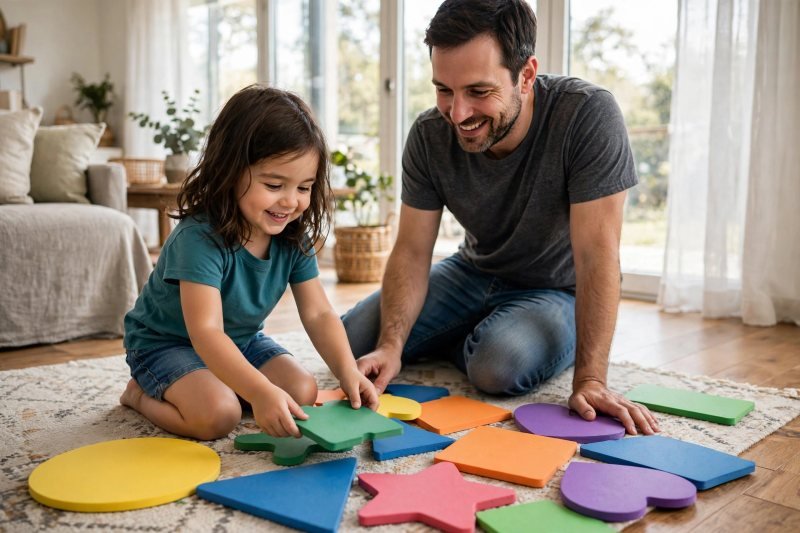
Alphabet Recognition Activities for Preschool: 10 No-Worksheet Games for Ages 3–4
Ten no-worksheet alphabet recognition activities for preschool: one continuous movement-and-sensory game session — letter hunts, stomping, sensory bins, chalk play and a calm-down finish — for 3–4-year-olds. One continuous 10-game session that teaches letter recognition through movement and touch — no worksheets, no flashcards, no sitting still.
-

20 Letter Sounds Games in 10 Steps for Preschool
Twenty playful letter sounds games for preschoolers ages 3–4 — listening games, sound hunts, movement play and silly sound fun that build real phonics skills, one joyful step at a time. Twenty joyful games that teach letter SOUNDS — not letter names — through listening, moving, sorting and giggling. No flashcards, no worksheets, no pressure.
-
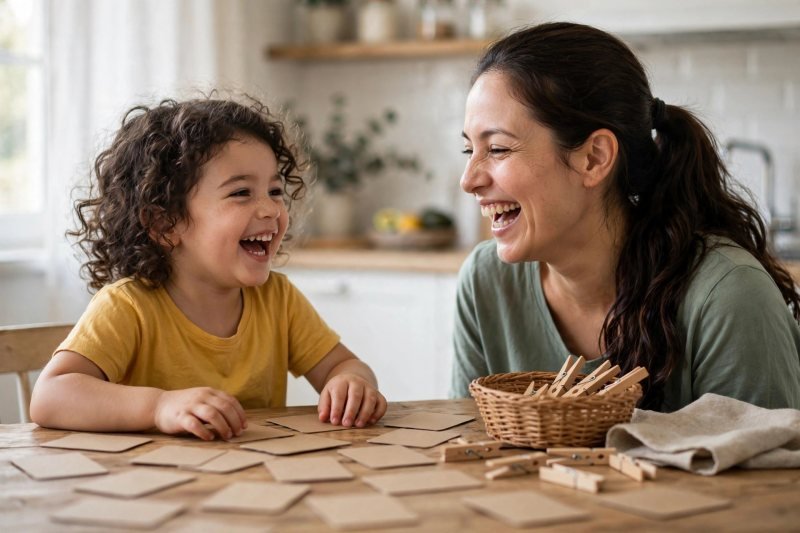
Letter Matching Games for Preschoolers You Can Make in Minutes
DIY letter matching games for preschoolers ages 3–4 — make card pairs, memory flip, clothespin clips and puzzle pieces in minutes, then play ten teaching rounds from first match to letter sounds. Ten teaching steps take you from blank cards to confident matching — card pairs, a memory flip, clothespin clips, puzzle pieces and a room-wide scavenger hunt.
-

Name Tracing Worksheets for Preschool: A Free Printable Approach for Ages 3–4
How to make and use name tracing worksheets for preschoolers (ages 3–4): build the sheets freehand, follow the finger to crayon to pencil progression, and add practice games that make name writing joyful. Your child's own name is the most motivating word they'll ever write — make simple name tracing worksheets at home and guide your preschooler finger-to-crayon-to-pencil.
-
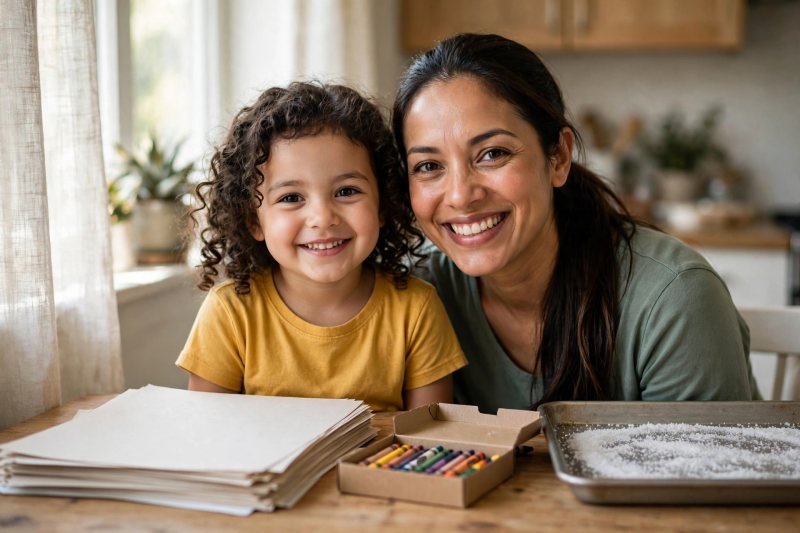
Letter Tracing Worksheets for Preschoolers: Big Letters, Little Hands
One guided letter-tracing session for 3–4-year-olds: warm up with big arm movements and finger tracing, find a comfortable crayon grip, then work a five-page worksheet pack from giant letters to independent writing. From wavy arm-writing in the air to tracing real letters — with a five-page worksheet pack you can make yourself in minutes.
-

Matching Uppercase and Lowercase Letters: 10 Fun Games for Preschool
Matching uppercase and lowercase letters starts with your child's name letters, then sorting trays, memory games and movement play. Ten guided steps for ages 3–4. Ten guided matching games that turn "big A" and "little a" into the same letter in your child's eyes — starting with the letters in their name.
-

Beginning Sounds Activities for Preschool: Listen First, Letters Later
Beginning sounds activities for preschool ages 3–4: one guided 20–30 minute listening session that teaches children to hear first sounds in spoken words — before they ever see a letter. A gentle, joyful listening session for 3–4-year-olds — stretching, sorting, spying and giggling with the first sounds of words. No letters, no flashcards, no pressure.
-
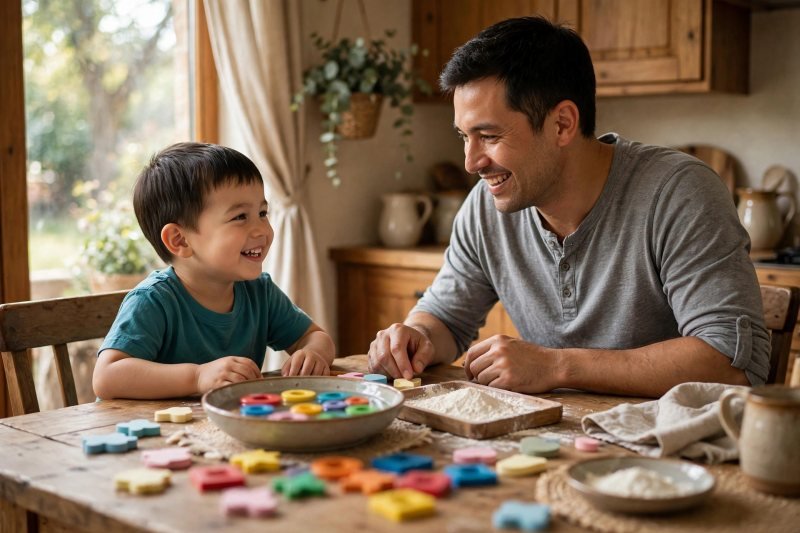
30 Hands-On Letter Recognition Ideas in 10 Steps for Preschoolers
Thirty playful activities for letter recognition for preschoolers: your child learns to identify and name letters through water play, letter hunts, playdough, songs and sorting — no worksheets needed. Thirty playful ideas in 10 guided steps: water play, name games, sensory drawing, letter hunts, sorting, playdough and movement — no worksheets.
-
2 Year Olds at Home | Play Ideas
Activities for 2 year olds at home don't need to be elaborate — they need to be startable in the next two minutes, because that's about how long your patience and their attention span both last. This guide is built for real life: instant ideas for right now, sensory projects for
-

Blending Sounds: How 4-Year-Olds Learn to Read Their First Words
Blending sounds activities for 4-year-olds: a 10-step play session with robot talk, stretchy sounds, finger blending, and first CVC word reading. From robot talk to first words: a gentle 10-step progression that turns separate sounds into real reading.
-
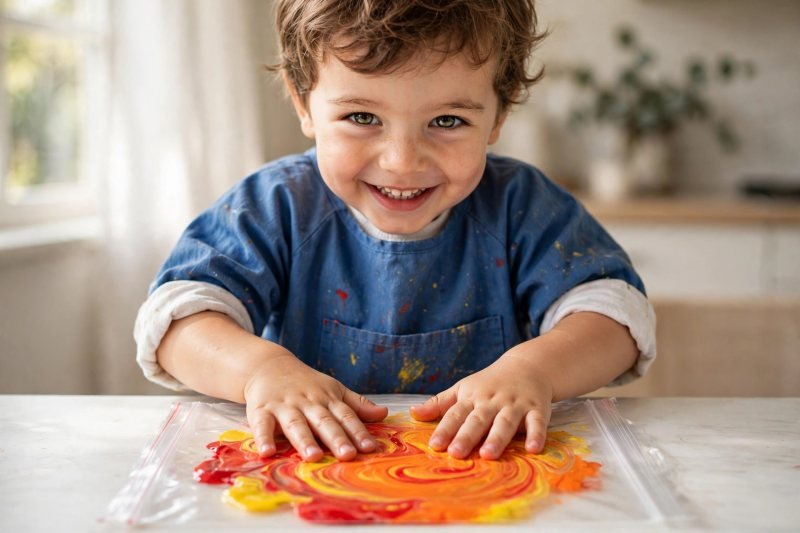
Color Mixing Activities for Preschoolers: 14 Mess-Free Ideas (Ages 3-4)
14 genuinely mess-free color mixing activities for preschoolers ages 3-4: sealed paint bags, dropper trays, milk swirls, bath mixing and more — plus a simple mixing chart, the brown fix, and a 3-minute cleanup promise. Fourteen ways to mix red, yellow, and blue into brand-new colors — with the mess locked inside bags, trays, and tubs
-
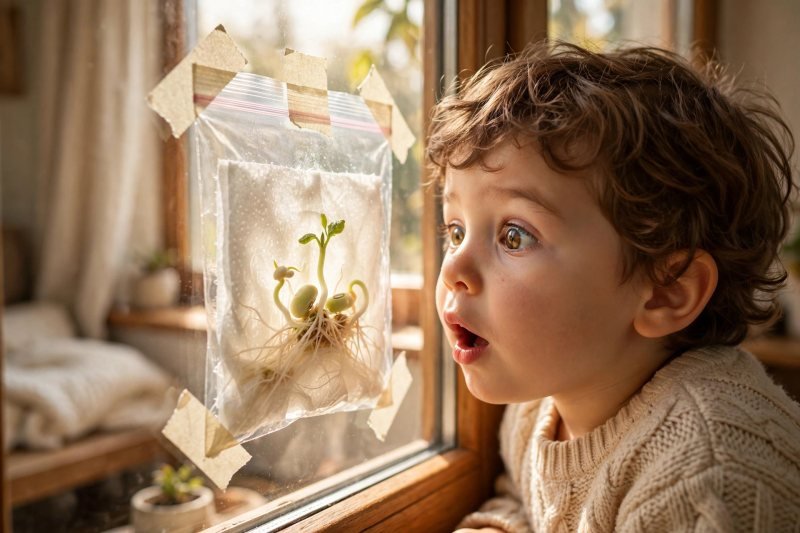
Bean in a Bag: Watch Seeds Sprout for Preschoolers
A no-mess seed-germination experiment: sprout dried beans in a zip bag taped to a sunny window and watch roots and shoots appear day by day. Tape a damp bag of beans to a sunny window and watch the whole life cycle unfold — no soil, no pots, no waiting weeks.
-
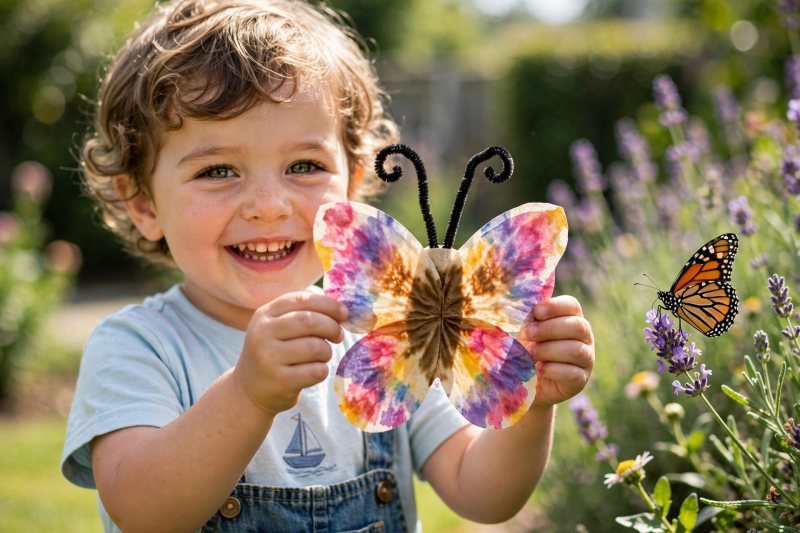
Butterfly Life Cycle for Preschoolers
The life cycle of a butterfly for kids, in words a 3- or 4-year-old can picture: egg, caterpillar, chrysalis, butterfly — with a matching craft or game for every stage, from pom-pom eggs on a leaf to a paper-plate wheel and a backyard butterfly walk. Follow a butterfly from a tiny egg to its first flight — one stage, one craft, and one game at a time.
-

Magic E Words List: 60+ Words That Show the Silent E Rule
A magic e words list for ages 5–6: 81 real words grouped by vowel pattern (a_e, i_e, o_e, u_e, e_e), the simple “magic e makes the vowel say its name” story, a 10-step teaching sequence, and four games that make silent e click. 81 real words grouped by vowel pattern — plus the magic-e story and the 10-step sequence that makes silent e click.
-
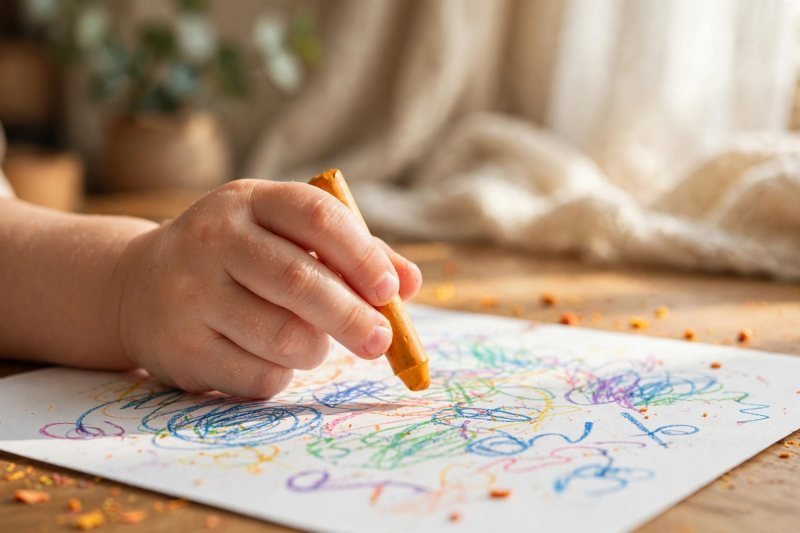
15 Pencil Grip Activities for Kids (Fun Exercises That Actually Work)
Fifteen playful pencil grip activities that build the hand strength and finger control behind good handwriting — tweezers, clothespins, spray bottles, short crayons and more, all using things you already own. For ages 3–4. Playful hand-strengthening exercises that build a confident tripod grip — no worksheets required.
-

Counting Activities for Toddlers: 25 Easy Ways to Start at Home
Twenty-five easy counting activities for toddlers that turn everyday moments into number play. Count stairs, snacks, splashes and socks — no worksheets, no flashcards, no pressure. Just simple, joyful ways to build early maths skills at home from age 2. Start counting today: twenty-five simple, no-prep counting activities for ages 2–3 — woven into meals, baths, walks and playtime.


Browse activities by age
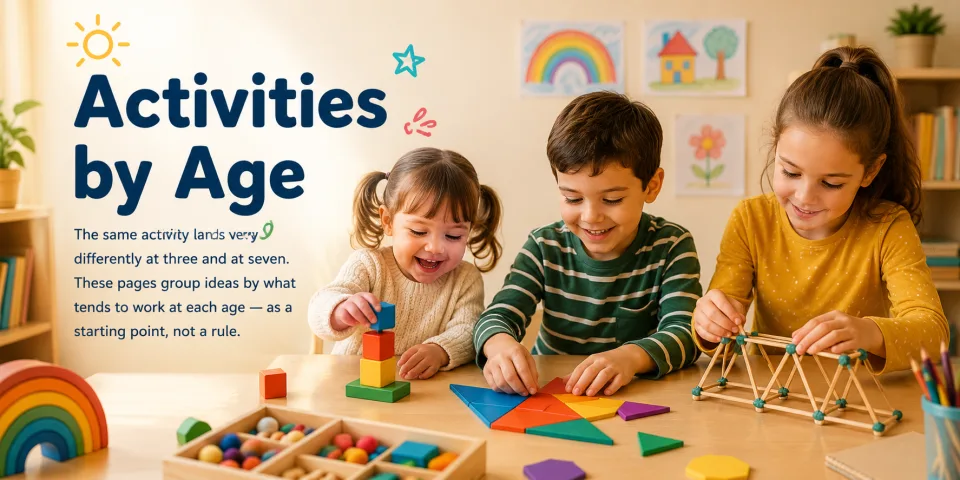
Ages here are a guide to attention span, hand strength and how much help a child is likely to need — not a judgement about what your child should be doing. You know them; if an activity for five-year-olds suits your three-year-old, use it.
Most activities also include a note on making them simpler for a younger child or more demanding for an older one, which is what makes them work for siblings playing together.
What you'll find here
-
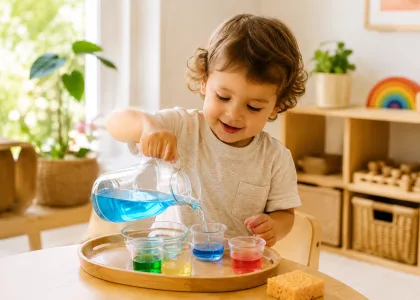
Toddlers, 2–3
Short, repeatable and very hands-on. Pouring, posting, squishing, filling and tipping out again. Expect five focused minutes and be delighted by ten.
-
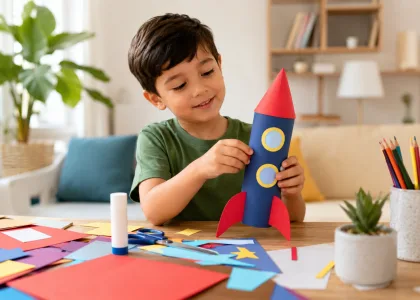
Preschool, 4–5
Longer projects with a beginning, a middle and something to show at the end. This is the age where an activity can hold up for half an hour.
-
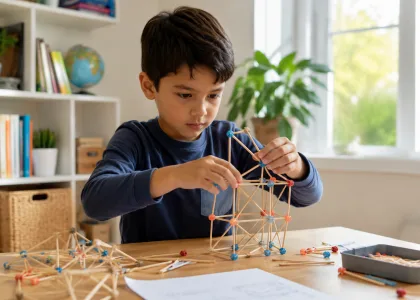
Early school, 6–8
Ideas with a challenge in them — building something that has to work, a puzzle with a right answer, a game with a rule they can argue about.
Every activity page repeats its age range at the top, so you never have to remember which section you came in through.