


Activities by Age
The same activity lands very differently at three and at seven. These pages group ideas by what tends to work at each age — as a starting point, not a rule.
Activities
-
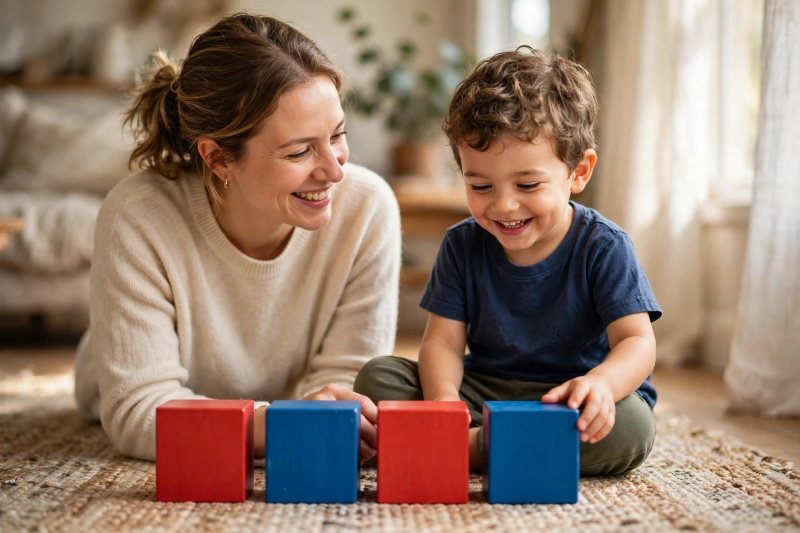
AB Patterns for Preschoolers: The First Pattern to Master
A step-by-step guide for parents on teaching AB patterns — the first pattern every preschooler should master. How to demonstrate, name, copy, extend, fix, and create repeating patterns with objects you already own, for ages 3–4.
-
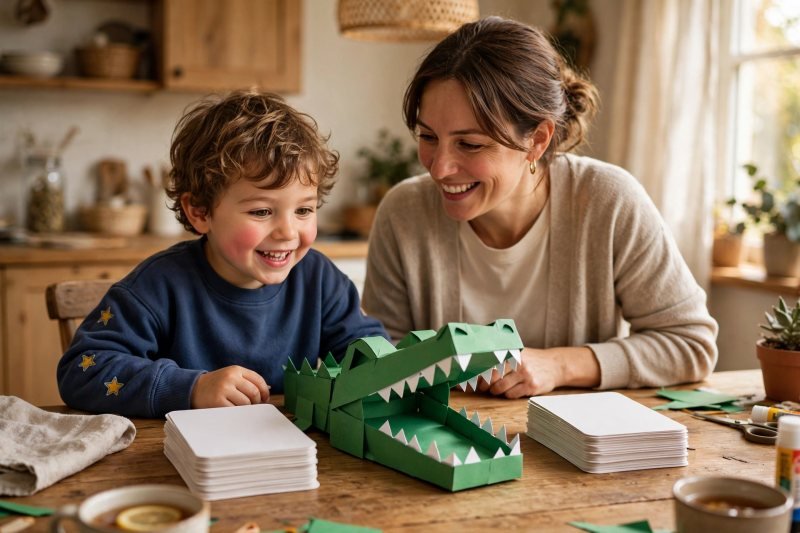
Comparing Numbers Games: Greater Than, Less Than, Equal To
Six comparing numbers games for ages 5–6 that make greater than, less than and equal to click: number cards, dice, block towers and one very hungry paper alligator. Five minutes of setup, real practice with the >, < and = symbols, numbers to 20, zero worksheets.
-
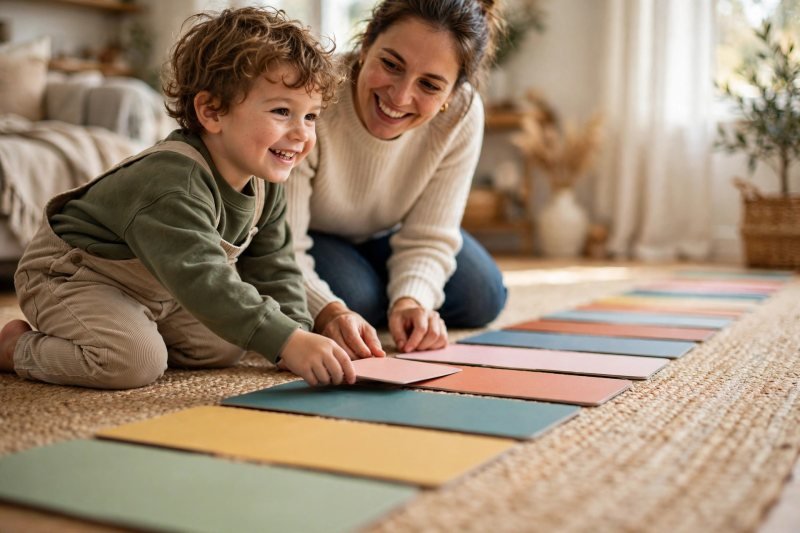
Number Order Activities: Before, After and What's Missing for Ages 4–5
Ten number order activities for ages 4–5 that teach what comes before, what comes after, and what's missing. Card games, number-line walks and snack math — no worksheets, no drilling.
-
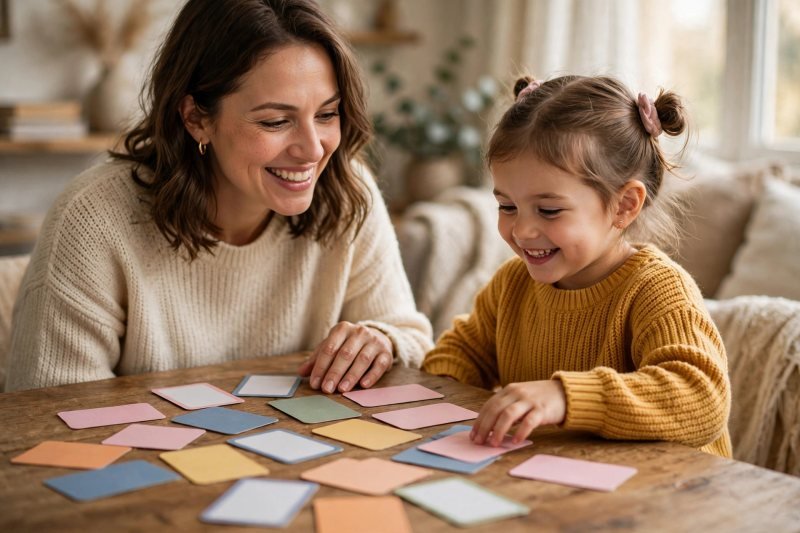
CVC Word Games: 12 Kindergarten Favorites (Roll and Read, I Spy, Bingo)
Twelve CVC word games — Roll and Read, I Spy, Bingo, fishing, hopscotch, and more. One set of word cards, zero worksheets.
-
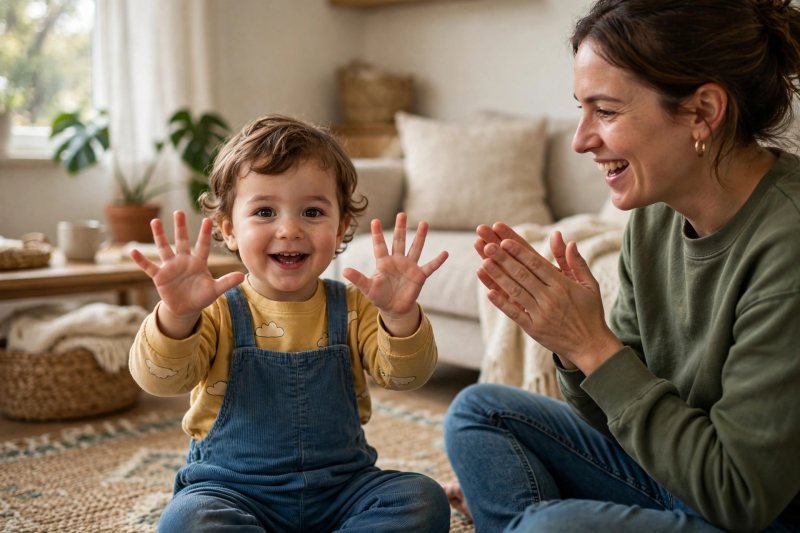
Counting to 10 Activities: Your Toddler's First Big Math Milestone
Counting to 10 activities for toddlers, built as a 10-step plan toward your child's first big math milestone. Take your 2-year-old from hearing numbers to counting ten real objects on their own — with signs of readiness, no worksheets, and zero pressure.
-
Art Projects for 1 Year Olds | Safe Art
Art projects for 1 year olds are pure sensory joy: squishing, smearing, and discovering that hands make marks. At this age, art is 100% process — there is no product, and that's exactly right. Below are six mouthing-safe art ideas for 12–24 month olds, each with materials, mess r
-
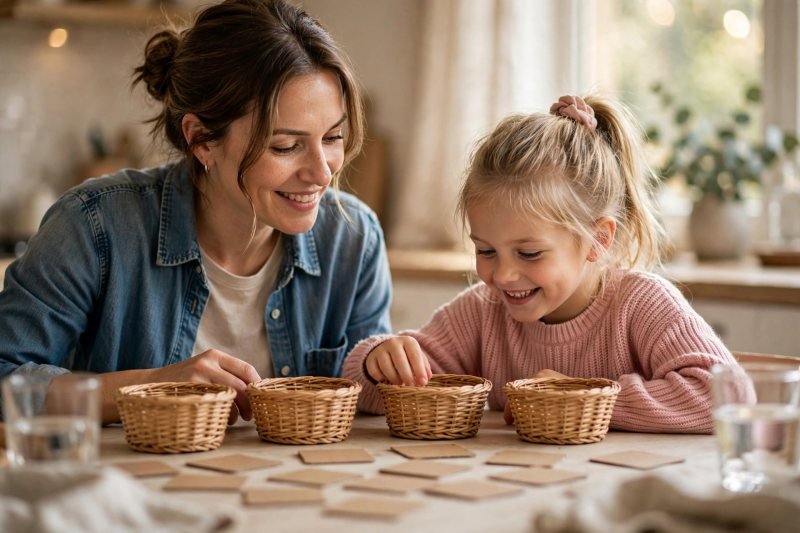
Consonant Blends List: 60+ BL, CL, ST, SM Words for 1st Grade
This consonant blends list gives first graders 65 verified bl, cl, st and sm words, organized by blend family so you can teach one blend at a time — plus a 10-step play routine: hear both sounds, stretch them together, sort the words, and read them in real sentences.
-
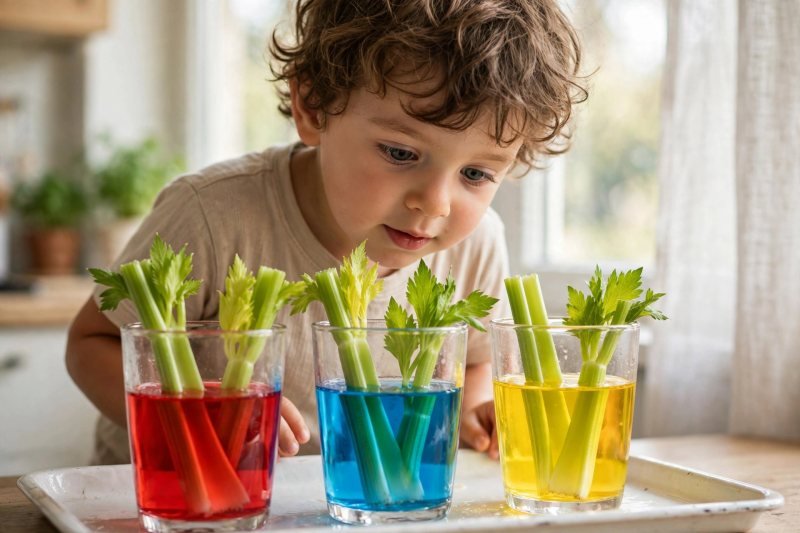
Celery Rainbow Experiment: How Plants Drink Water
This celery experiment for kids stands fresh celery in glasses of colored water and watches the color climb the stalks overnight — giving 3- and 4-year-olds a front-row seat to how plants drink.
-
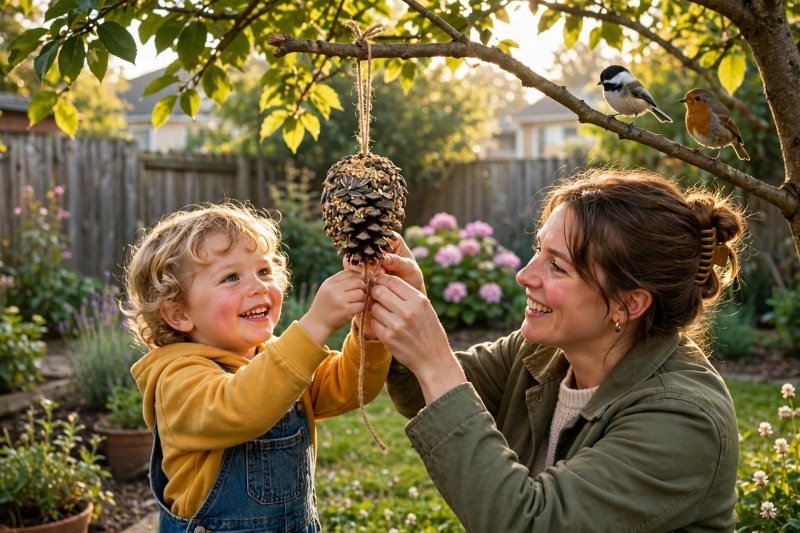
Bird Feeder Craft for Preschoolers
This bird feeder craft for kids uses a pine cone, seed butter and wild birdseed to make a feeder you can hang outside today — then your preschooler watches the window for the first hungry visitor.
-
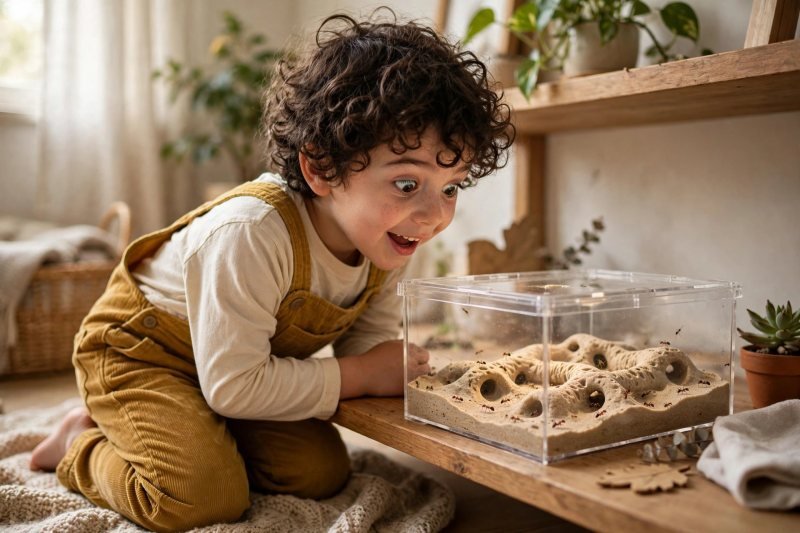
Ant Farm Observation for Kids
Set up an ant farm for kids and watch a real colony dig tunnels, carry crumbs, and work together behind glass — five-minute daily observations over two to three weeks.
-
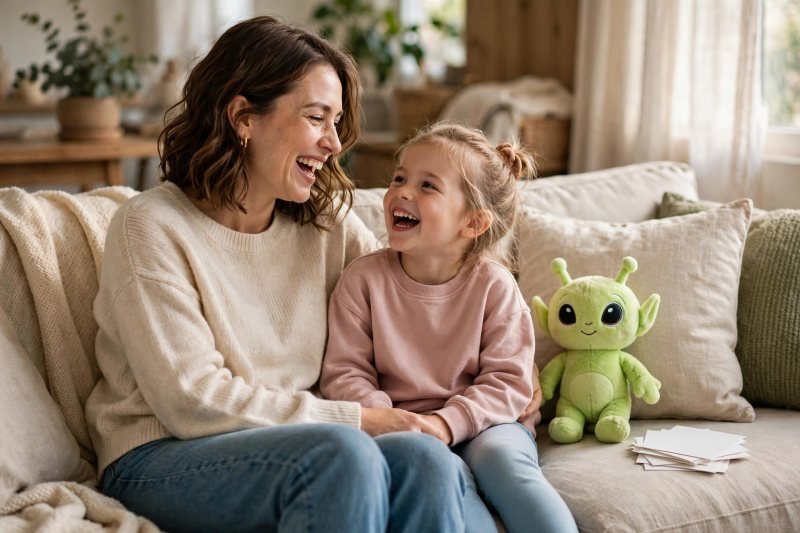
Alien Words: 40 Nonsense Words to Practice for the Phonics Check (UK)
Alien words phonics practice for the Year 1 screening check: 40 invented nonsense words, a decode-together routine and games that make sounding out feel like a giggle, not a test.
-
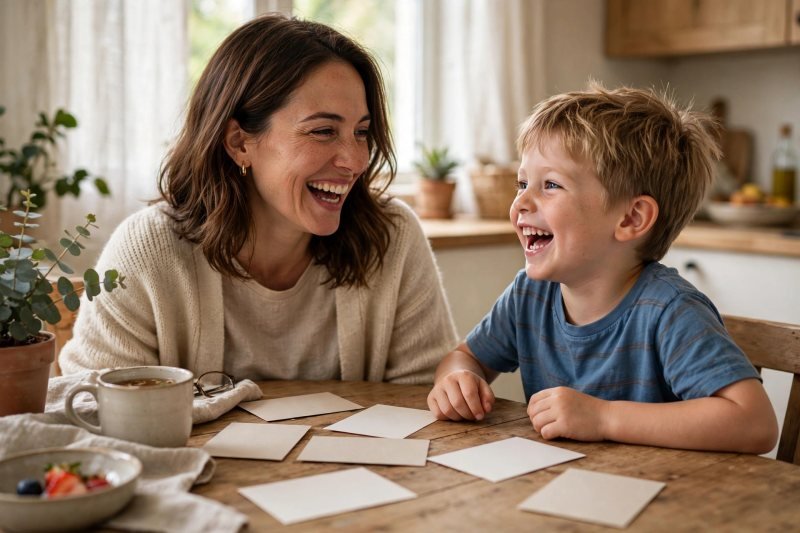
A_E Words: 25 Long A Magic E Words (Cake, Name, Game)
Practice a_e words with 25 real long-A magic e words — cake, name, game and friends — plus three short games that make the a_e pattern stick for ages 5–6.
-
Art and Craft Ideas for Preschool | Fun
Art and craft ideas for preschool work best when they balance process art (exploring materials freely) with simple guided projects (learning a technique). This collection of eight ideas for ages 3–5 does both: two fully worked projects plus six quick starters, each with materials
-
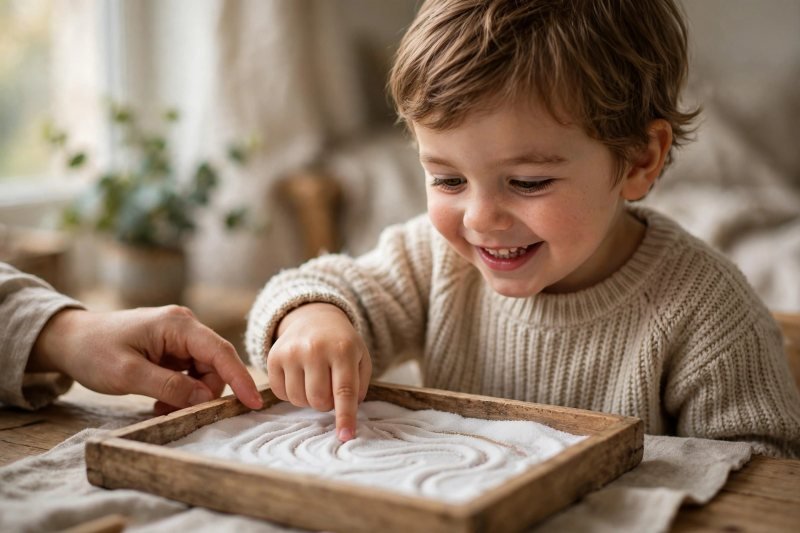
Pre Writing Strokes Worksheets: 13 Basic Strokes Every Preschooler Needs Before Letters
Before your preschooler traces a letter, they need 13 simple strokes. This playful printable pack teaches lines, circles, crosses, zigzags, and loops in learning order, with a gentle 4-week plan.
-
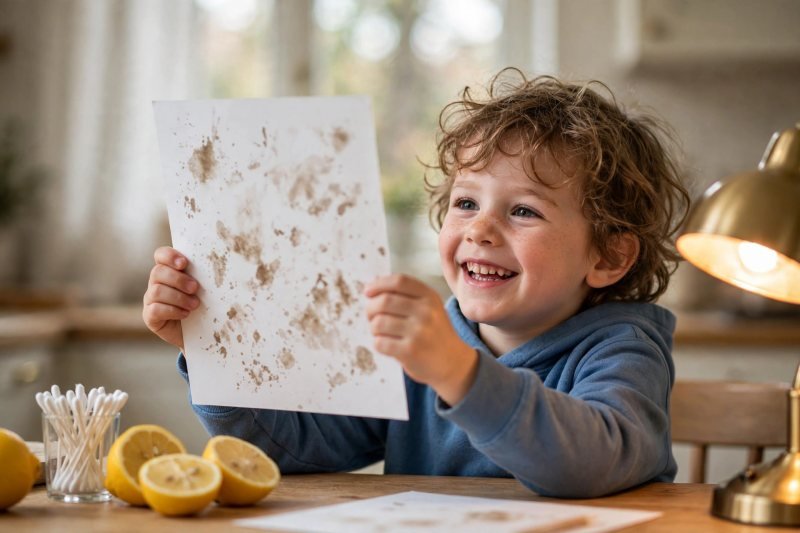
Invisible Ink Experiment: Lemon Juice Secret Messages
Kids 6–8 write secret messages in lemon juice that dry invisible, then reveal them with gentle heat. Easy steps, simple science, safety-first reveals.
-
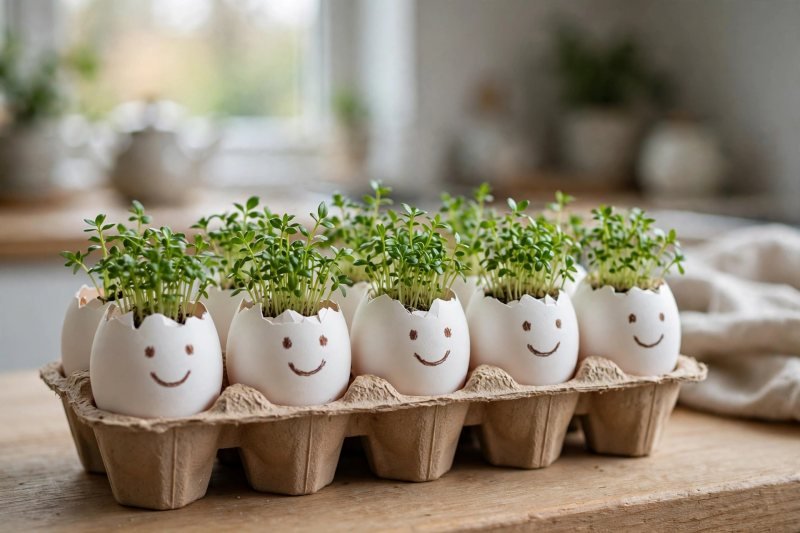
Cress Heads: Easy Growing Activity for Kids (UK)
Learning how to grow cress heads is a classic British childhood project: decorate eggshells, fill them with damp cotton wool, sprinkle on cress seeds, and snip the green "hair" into sandwiches in about a week.
-
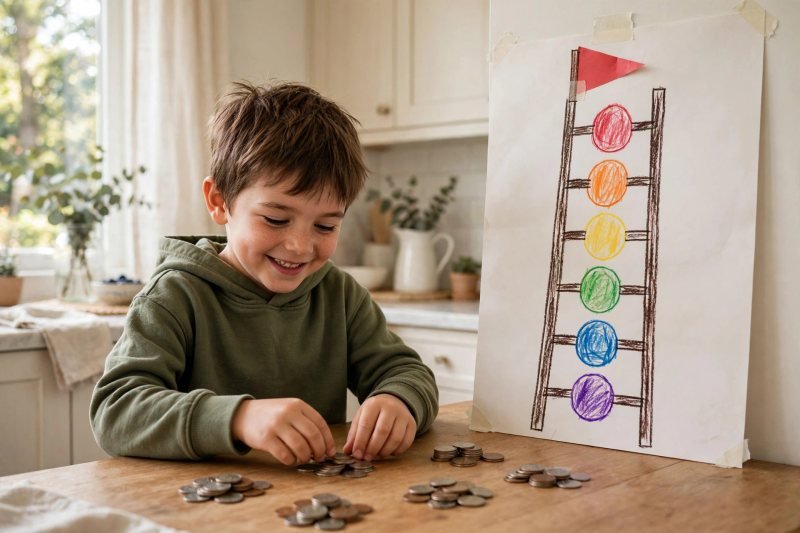
Counting Money to $1: Add Coins Up to a Dollar
Kids ages 6–8 climb a paper ladder from 0¢ to $1.00 with real coins, stopping at 25¢, 50¢, and 75¢ camps before planting the dollar flag — adding pennies, nickels, dimes, and quarters all the way up.
-
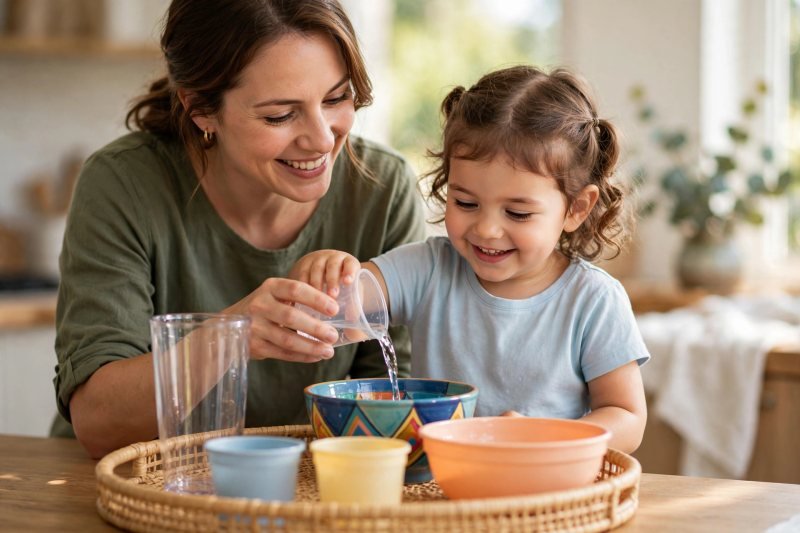
Capacity Activities for Kids: Pour, Fill and Compare
Pour, fill, and compare! These capacity activities for kids turn your kitchen into a water lab where 4- and 5-year-olds explore full versus empty, discover which container holds more, and learn why the tall glass and the wide bowl can hold the exact same amount.
-
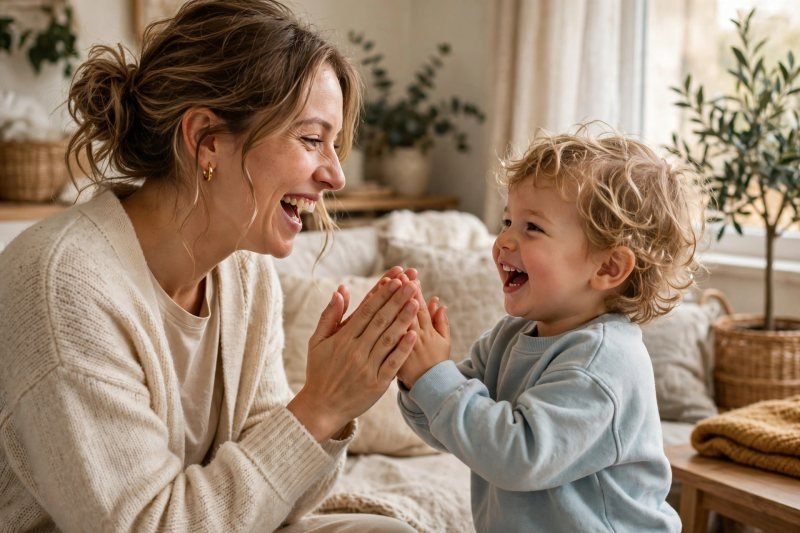
Why Nursery Rhymes Matter for Reading: What the Research Says for Parents
The benefits of nursery rhymes go beyond cute songs: rhymes build the sound awareness, vocabulary, and memory toddlers need for reading. A parent guide.
-
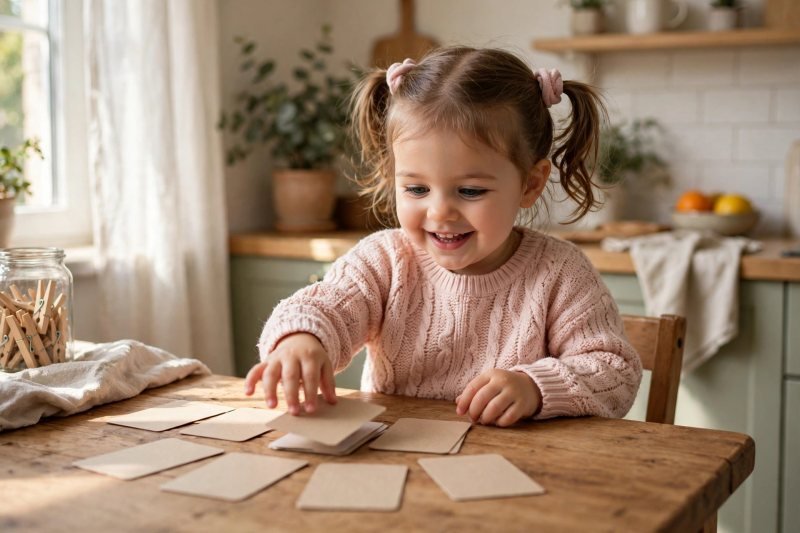
Animal Homes for Preschoolers: Make-and-Play Matching Game
Animal homes for preschoolers turn into a hands-on matching game: make 10 pairs of cards — bird and nest, bee and hive, rabbit and burrow — then flip two at a time to reunite each animal with its home. Card-making takes about 20 minutes, each round plays in 10–15, and every match sneaks in real science vocabulary.
-
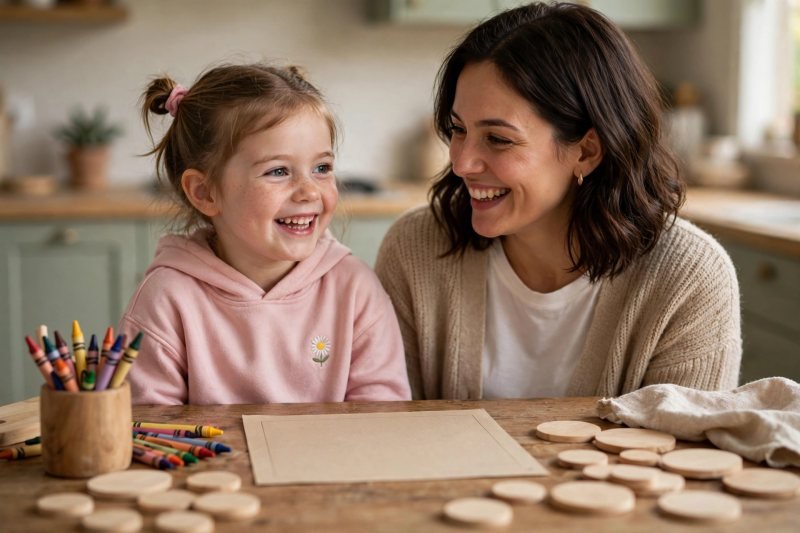
Addition Worksheets for Kindergarten: Printable Practice Within 10
Ten printable addition worksheets for kindergarten that build real adding skill within 10 — picture addition, ten-frames, dominoes, number lines, word problems and missing addends. Print once, work through them across the week with your 5–6-year-old.
-
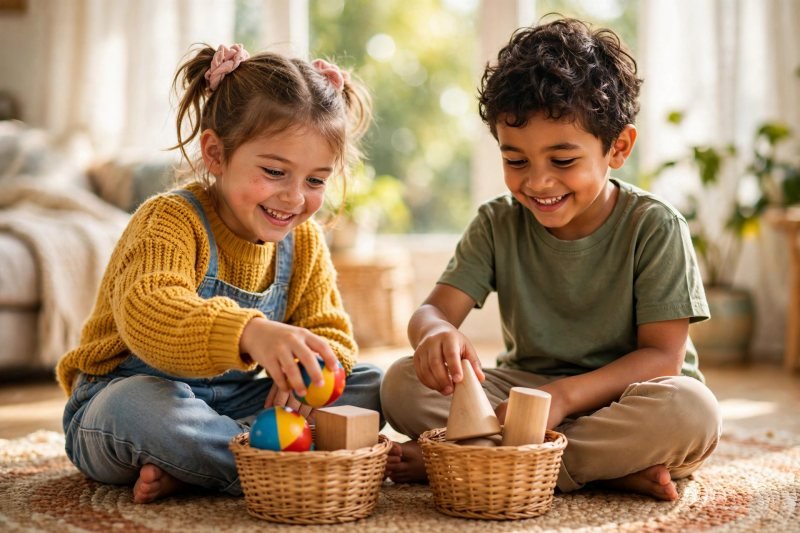
3D Shapes Activities: Spheres, Cubes and Cones in Real Life
These 3D shapes activities for ages 5–6 turn balls, boxes, dice and cones into a geometry hunt: ten playful steps with real-life objects, no worksheets needed.
-
2 Year Old Play Ideas | Busy Little Ones
Two-year-olds don't do "activities" — they do glorious, full-body, repeat-it-forty-times exploration. The best activities to do with 2 year olds meet them there: short, sensory, hands-on, and gloriously low-pressure. This guide starts with instant ideas for right now, then adds r
-
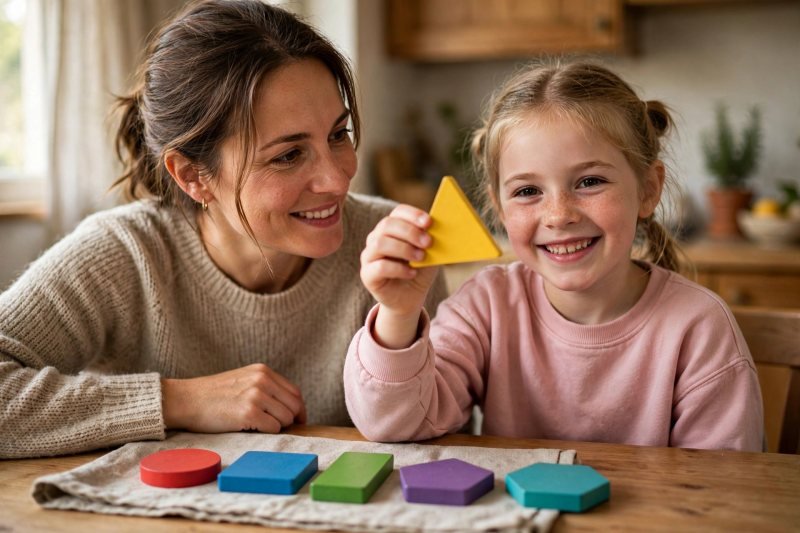
2D Shapes in Year 1: Sides, Corners and Sorting (UK Guide)
What Year 1 children learn about 2D shapes in England — recognising, naming, sides, corners and sorting — plus ten hands-on steps to practise at home.


Browse activities by age
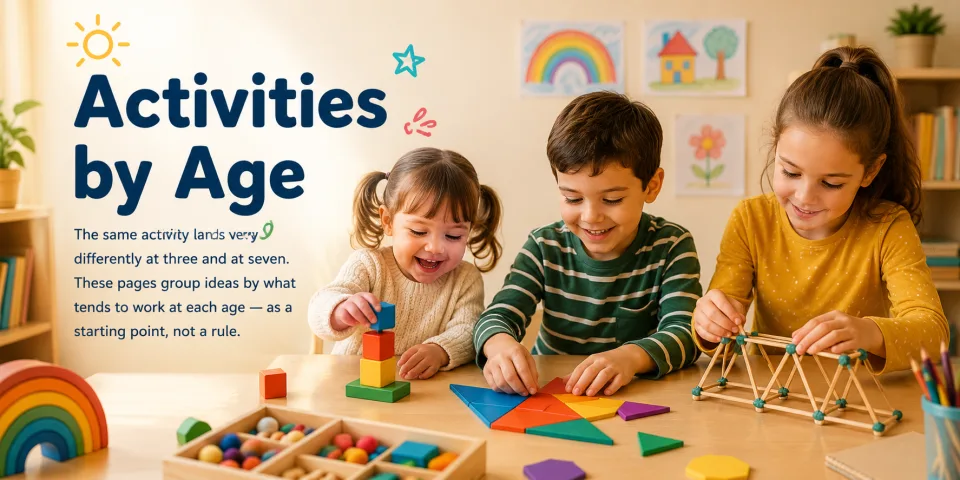
Ages here are a guide to attention span, hand strength and how much help a child is likely to need — not a judgement about what your child should be doing. You know them; if an activity for five-year-olds suits your three-year-old, use it.
Most activities also include a note on making them simpler for a younger child or more demanding for an older one, which is what makes them work for siblings playing together.
What you'll find here
-
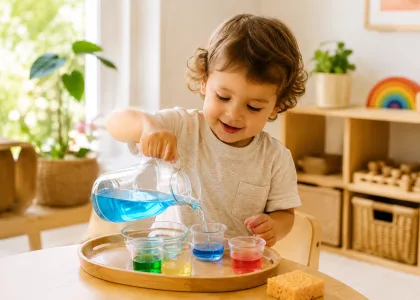
Toddlers, 2–3
Short, repeatable and very hands-on. Pouring, posting, squishing, filling and tipping out again. Expect five focused minutes and be delighted by ten.
-
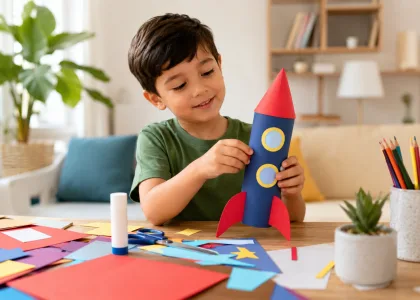
Preschool, 4–5
Longer projects with a beginning, a middle and something to show at the end. This is the age where an activity can hold up for half an hour.
-
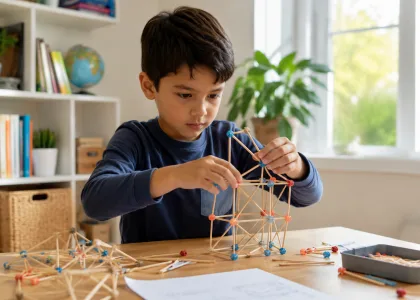
Early school, 6–8
Ideas with a challenge in them — building something that has to work, a puzzle with a right answer, a game with a rule they can argue about.
Every activity page repeats its age range at the top, so you never have to remember which section you came in through.