


Activities by Age
The same activity lands very differently at three and at seven. These pages group ideas by what tends to work at each age — as a starting point, not a rule.
Activities
-
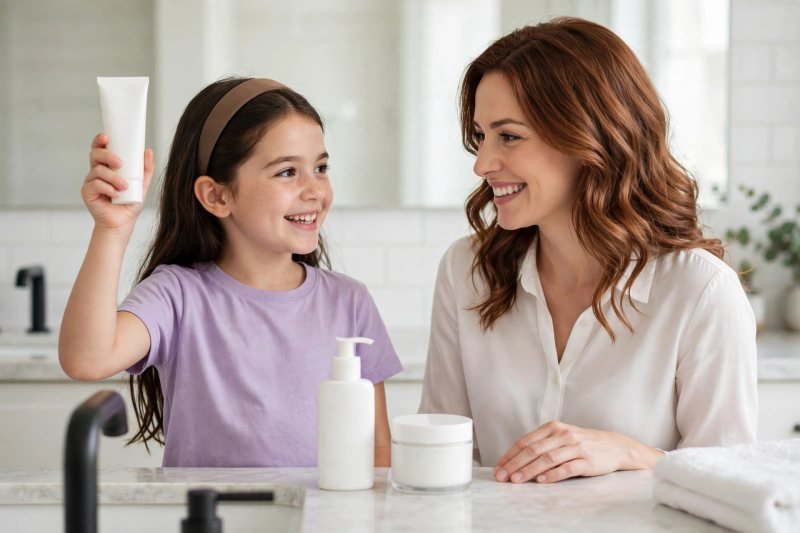
When Should Kids Start a Skincare Routine?
Most kids don't need a skincare routine until around age 6–8, and even then it stays simple: gentle cleanser, moisturizer, and sunscreen before outdoor play. Here's the age-by-age guide to starting — and the products to skip.
-
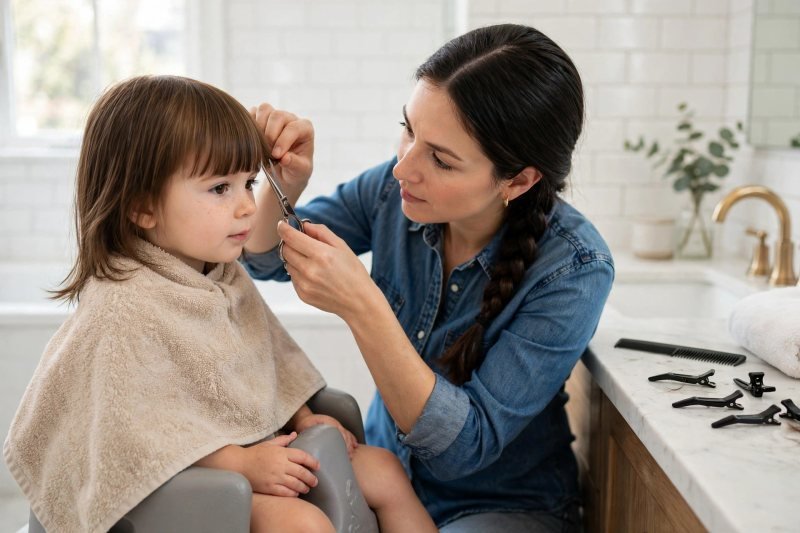
How to Trim Toddler Bangs at Home (Without the Crooked Fringe)
Learning to trim toddler bangs at home comes down to three rules: cut dry, cut long, and finish with point cuts that forgive wobbles. This step-by-step walks you from the right scissors and setup to the final daylight cross-check — a tidy fringe in about ten minutes.
-

How to Teach Rhyming to Preschoolers: A Simple 4-Step Method
Rhyming is one of the first building blocks of reading, and most preschoolers learn it through play, not lessons. This 4-step method goes from hearing rhymes to making your own — with 10–15 minute games you can play anywhere.
-
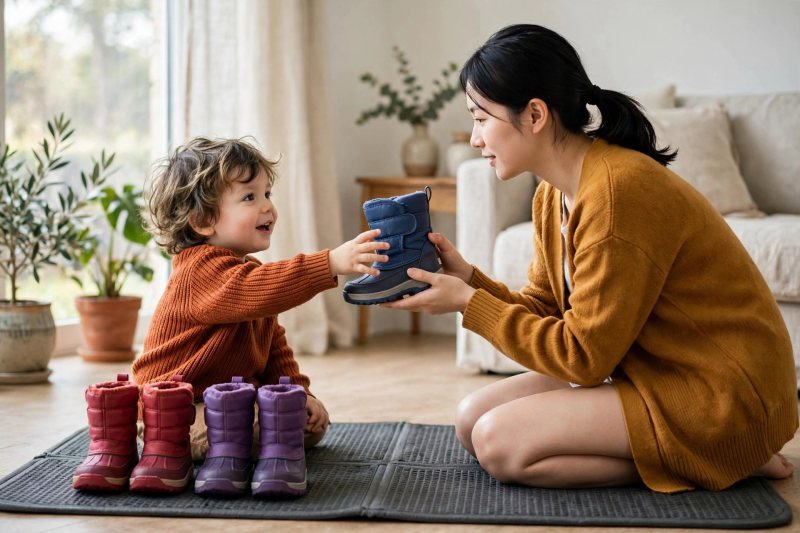
Best Toddler Snow Boots: What to Look For and How to Test Them
The best toddler snow boots aren't a brand — they're a checklist: warm for your winters, genuinely waterproof, easy to pull on, and grippy enough for icy steps. This guide gives you the four criteria and the hands-on tests, from foot tracing to a real snow trial.
-

Twinkle Twinkle Little Star Lyrics, Actions and Why Toddlers Love It
Teach your toddler the words to Twinkle Twinkle Little Star with easy hand actions, fun singing games, and simple ways to make this classic lullaby part of your day.
-
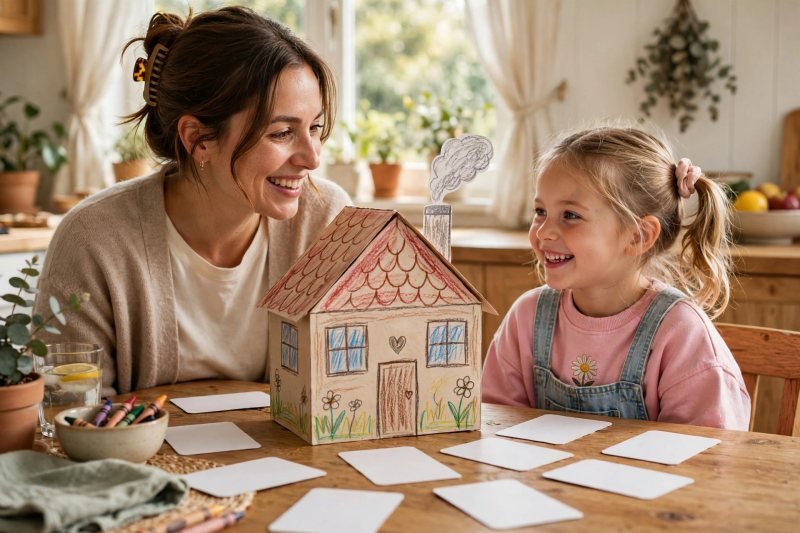
Word Families for Kindergarten: at, an, ap and More
Nine kid-friendly word family lists (-at, -an, -ap and more) plus a 10-step, parent-led session with hands-on games: onset-rime sliders, word family houses, flip books and word fishing.
-
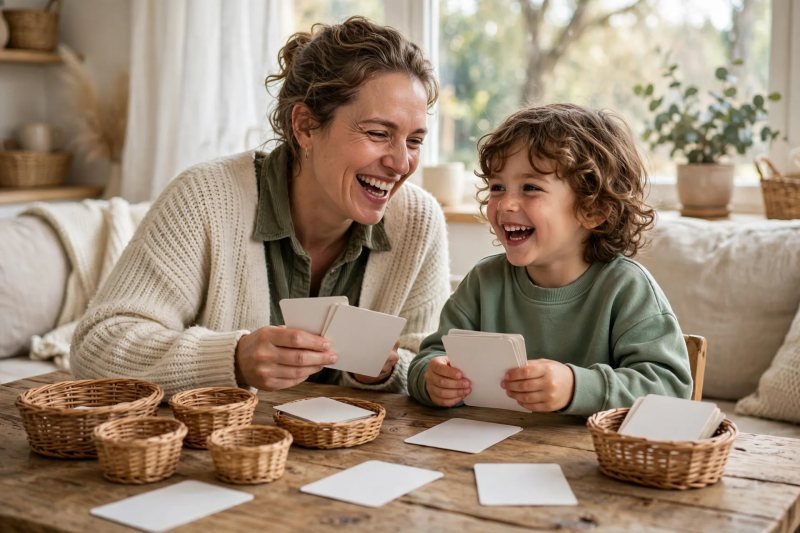
Digraphs for Kids: sh, ch, th, wh Explained With Activities
What are digraphs for kids? Two letters teaming up to make one sound — sh, ch, th and wh explained in plain English, with a complete 10-step play session that turns tricky spelling patterns into games your 5- or 6-year-old will actually enjoy.
-
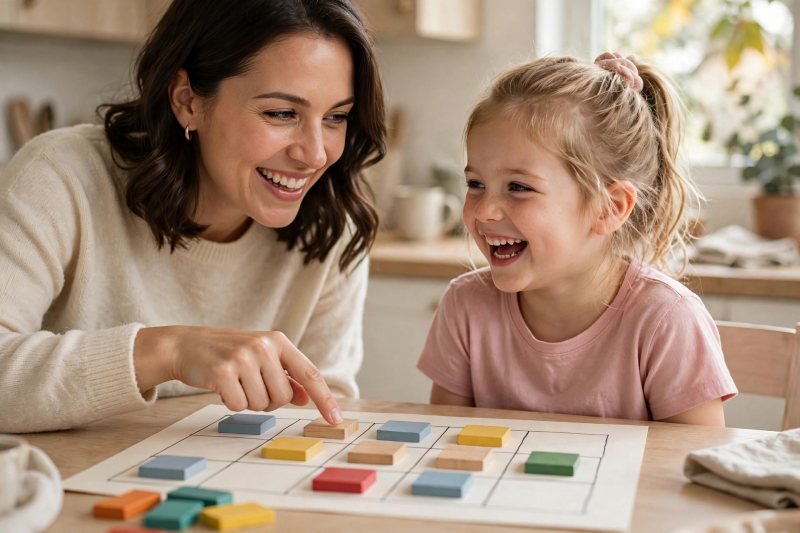
Ten Frame Activities: 12 Ways to Build Number Sense Fast
Twelve hands-on ten frame activities for ages 5–6 — roll-and-fill, flash cards, bingo, make-10 pairs and more.
-

Money Games for Kids: Play Shops, Coins and Counting
A handful of real coins and a play shop is all it takes. These money games for kids teach coin recognition, skip counting, and making change through hands-on play for ages 5–6.
-
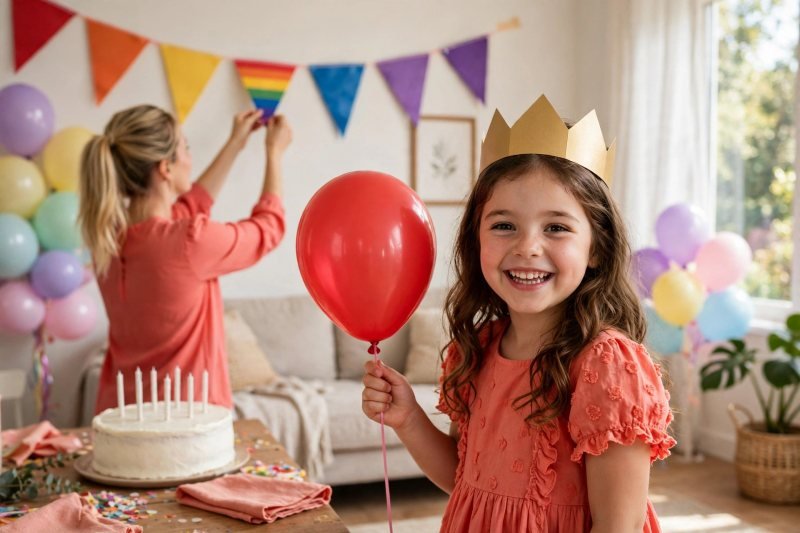
6th Birthday Party Ideas: Themes and a Complete Party Plan
The best 6th birthday party ideas start with one great theme — rainbow art, dinosaur dig, or superhero training — then follow a simple arc: one main activity, one big game, cake, and a calm goodbye. This step-by-step plan walks you from picking the theme to the last favor bag.
-
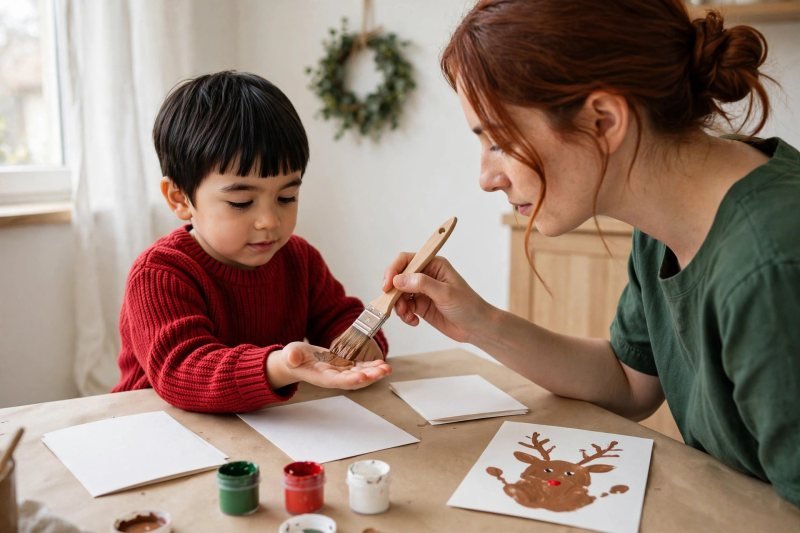
Christmas Handprint Crafts for Kids: Reindeer, Tree, and Santa Prints
Christmas handprint crafts turn one painted hand into three keepsakes: a reindeer with finger antlers, a green handprint tree, and a Santa with a handprint beard. This step-by-step guide covers the brush-on technique, the press, and the finishing details kids aged 3–5 can do themselves.
-

Kids Snow Pants and Jackets: How to Choose the Right Set
Choosing kids snow pants and a winter jacket comes down to fit, not features lists: measure your child first, pick bibs for deep snow, demand boot-covering length, and run the bend-squat-climb test. This step-by-step buying guide shows exactly what to check — with no brand hype, just fit.
-
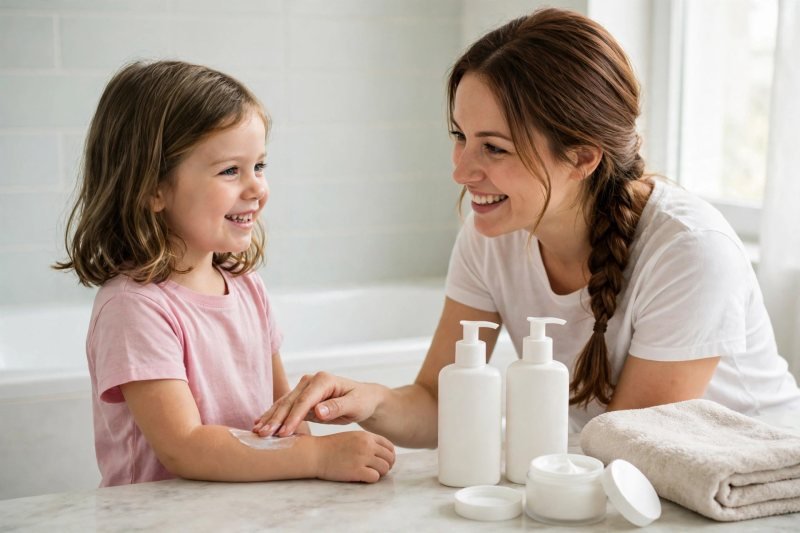
Sensitive Skin in Children: A Gentle Care Guide
Sensitive skin in children calms down when life around it gets simpler: fragrance-free products, short lukewarm baths, moisturizer within three minutes, and soft cotton clothes. This gentle care guide walks through the daily routine step by step, plus the signs that mean a pediatrician should weigh in.
-
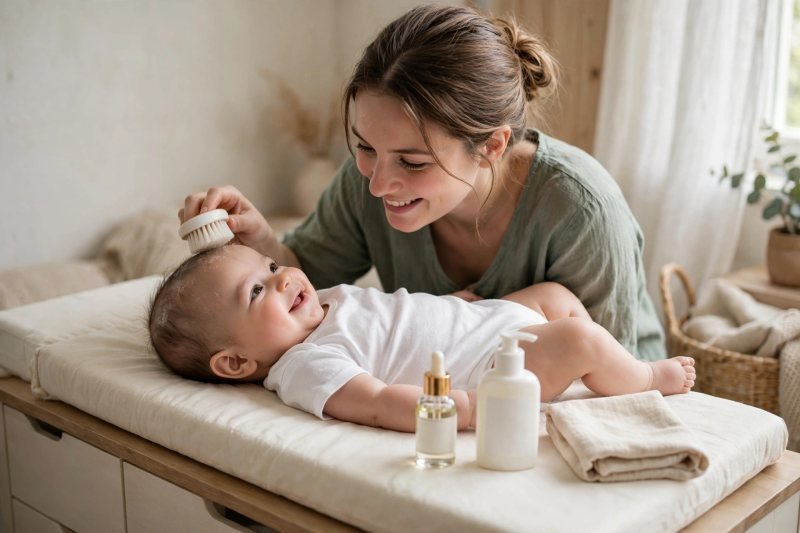
Cradle Cap: How to Get Rid of Those Flaky Patches Safely
Cradle cap treatment is gentle, not forceful: soften the flaky patches with oil, loosen them with a soft brush, wash with mild baby shampoo, and repeat a few times a week. This step-by-step guide shows the safe routine — and the signs that mean it's time to call the pediatrician instead.
-
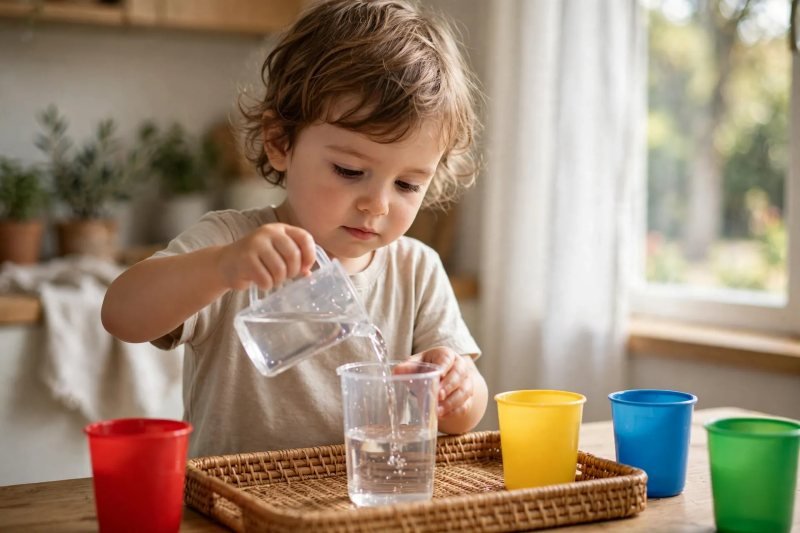
Measurement Activities for Preschoolers: Length, Weight and Capacity
Ten hands-on measurement activities for preschoolers: compare length with hand spans and block trains, explore weight with balance scales and hefting games, and play with capacity through pouring, cup-counting, and bath-time fun. No rulers needed — just everyday objects.
-
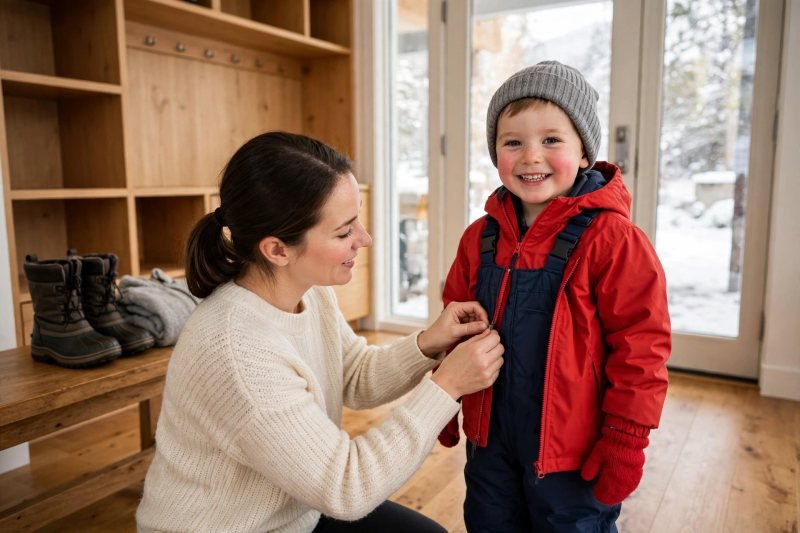
Toddler Snow Outfits: How to Layer for Snow Play
Good toddler snow outfits are built in three layers — a warm base, a cozy middle, and a waterproof shell. This step-by-step layering guide shows the dressing order that keeps 2–3-year-olds warm, dry, and playing longer, with no bulky wrestling match at the door.
-

Subtraction Activities for Kindergarten: Taking Away Made Visual
Ten hands-on subtraction activities for kindergarten that make "taking away" visual: snack math, ten-frame take-away, backward number-line hops, bowling knock-down and toy story problems — all within 10, no worksheets.
-
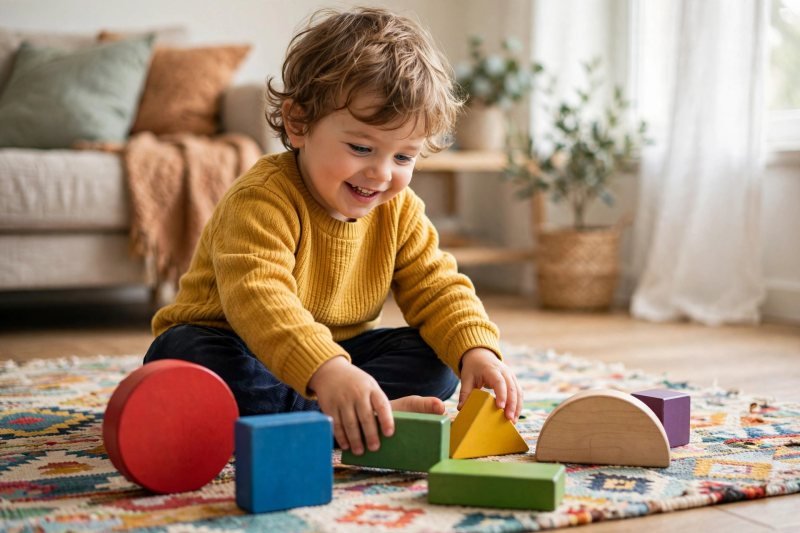
Shapes Activities for Preschoolers: 20 Hands-On Geometry Ideas
Looking for shapes activities for preschoolers that go beyond flashcards? These 20 hands-on ideas — shape hunts, playdough geometry, block building, stamping, outdoor games and playful food crafts — teach circles, squares, triangles and rectangles through real play for ages 3–4.
-
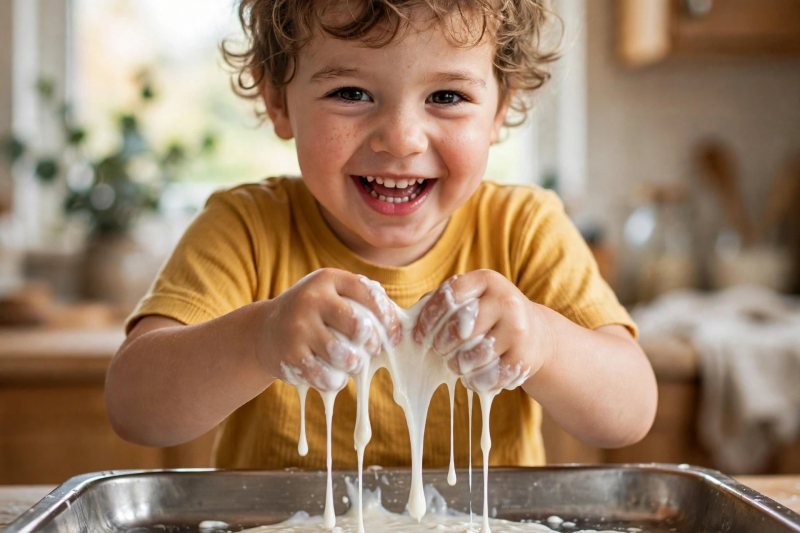
How to Make Oobleck: Cornflour Slime Recipe for Kids
How to make oobleck with cornflour and water — the classic recipe for ages 4–5. Squeeze it solid, watch it melt to liquid, add color, then clear up the right way (never down the drain).
-
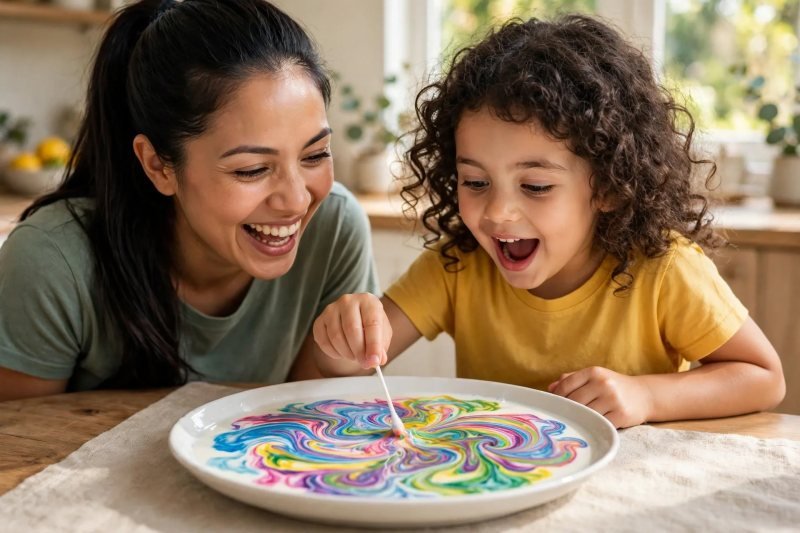
Magic Milk Experiment for Preschoolers: A Color-Burst Science Guide (Ages 3–4)
A complete magic milk experiment guide for preschoolers ages 3–4: milk, food coloring, and one drop of dish soap create bursts of swirling color — plus the simple why-it-works, color-mixing learning, and a marbled art extension.
-
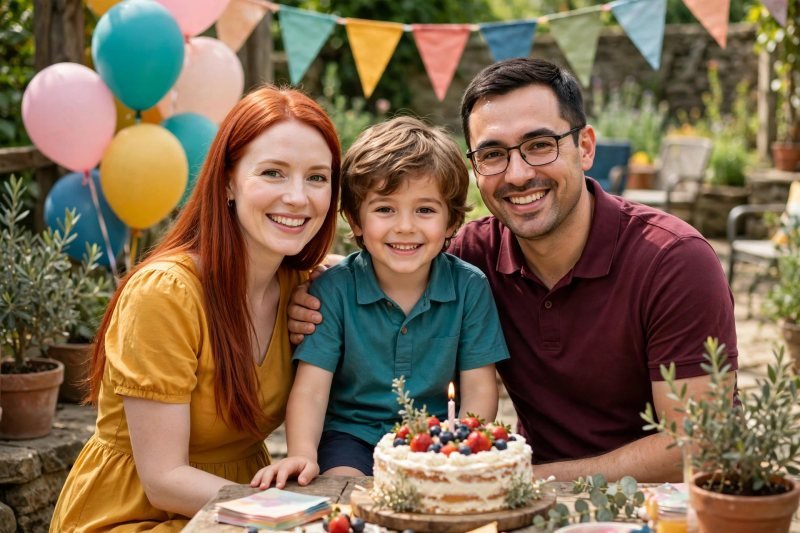
5th Birthday Party Ideas: 40+ Themes That Five-Year-Olds Love
5th birthday party ideas get bigger at five: more active games, first drop-off guests, and themes with real missions — detective hunts, science shows, ninja courses. This guide names more than 40 themes and walks the whole party from choosing to thank-yous.
-
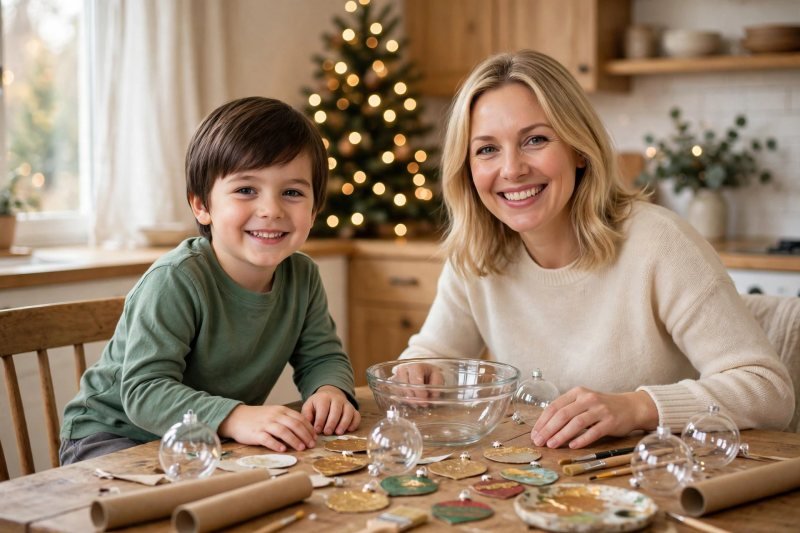
Homemade Christmas Ornaments Kids Can Make
Homemade Christmas ornaments kids can make need no special kit: salt dough shapes they mix and paint themselves, clear baubles they fill, and cheerful toilet-paper-roll bells. One kitchen session, three keepsakes, and a tree decorated by small hands.
-

Eczema Care for Toddlers: Home Treatment Tips That Work
Good eczema treatment toddler care at home is mostly rhythm: a short lukewarm bath, a gentle fragrance-free cleanser, patting dry, and moisturizing within about 3 minutes to soak and seal. Here is the full daily routine, step by step.
-

Washing Toddler Hair Without Tears: 10 Bathtime Tricks
If your toddler hates hair washing, you are not doing bath time wrong — most toddlers go through this phase. These 10 in-the-tub tricks — a visor shield, doll washing, goggles, a wash song, and more — turn wash night into play, step by step.


Browse activities by age
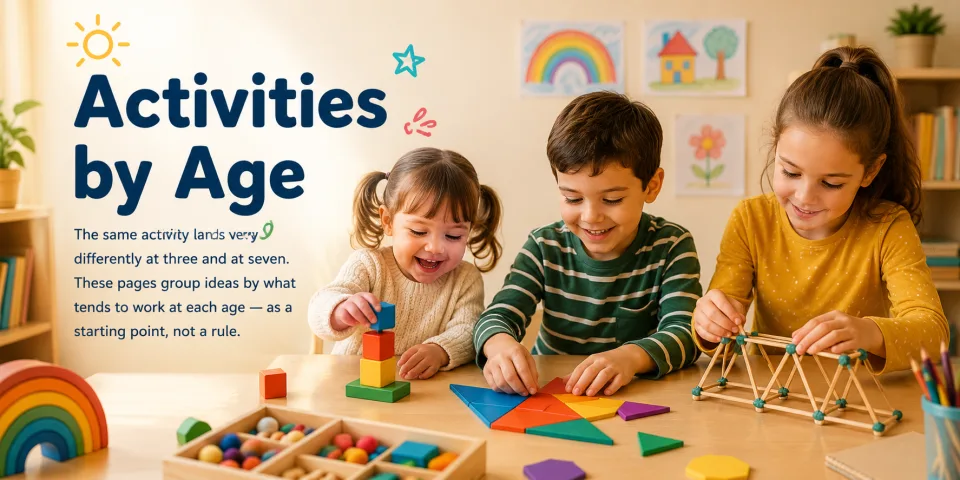
Ages here are a guide to attention span, hand strength and how much help a child is likely to need — not a judgement about what your child should be doing. You know them; if an activity for five-year-olds suits your three-year-old, use it.
Most activities also include a note on making them simpler for a younger child or more demanding for an older one, which is what makes them work for siblings playing together.
What you'll find here
-
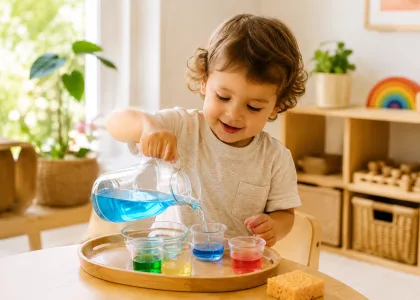
Toddlers, 2–3
Short, repeatable and very hands-on. Pouring, posting, squishing, filling and tipping out again. Expect five focused minutes and be delighted by ten.
-
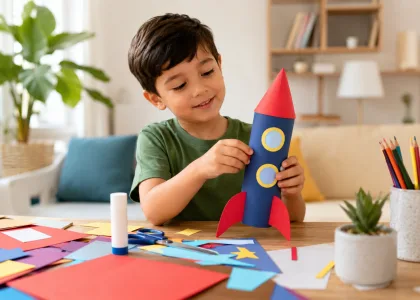
Preschool, 4–5
Longer projects with a beginning, a middle and something to show at the end. This is the age where an activity can hold up for half an hour.
-
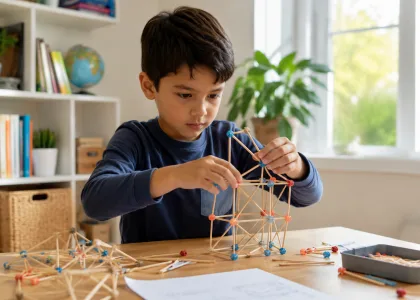
Early school, 6–8
Ideas with a challenge in them — building something that has to work, a puzzle with a right answer, a game with a rule they can argue about.
Every activity page repeats its age range at the top, so you never have to remember which section you came in through.