


6-Year-Olds
Activities for 6-year-olds.
Six wants to be competent. Activities that build a visible skill — a trick, a craft technique, a game they can beat you at — hold much longer than novelty.
Projects can now stretch across two sittings, which opens up anything with a drying, setting or building stage. Instructions can be followed independently if they are written simply enough.
Fairness matters enormously at this age. Games with clear rules, and rules that apply to adults too, avoid most of the arguments.
Activities
-
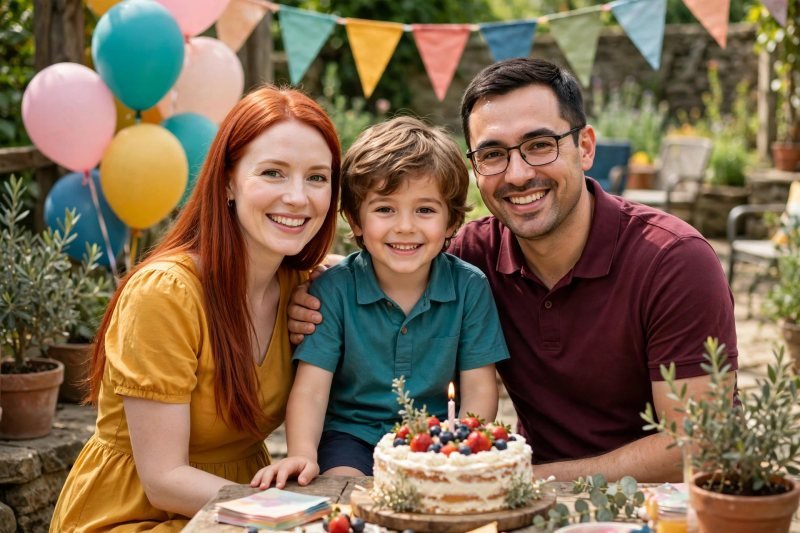
5th Birthday Party Ideas: 40+ Themes That Five-Year-Olds Love
5th birthday party ideas get bigger at five: more active games, first drop-off guests, and themes with real missions — detective hunts, science shows, ninja courses. This guide names more than 40 themes and walks the whole party from choosing to thank-yous.
-
Homeschool Kindergarten Curriculum: The 12 Best Programs Compared
A parent-to-parent comparison of 12 homeschool kindergarten curriculum programs for ages 5–6 — phonics, math, handwriting, and full-year options — with honest trade-offs for each and a five-step choosing process.
-

Big Kid Winter Outfits: Cold-Weather Style for Ages 6-8
Big kid winter outfits for ages 6–8 that balance style and warmth: a base layer, a cozy middle and the right coat — with a routine big kids run themselves.
-
Number Bonds to 10 Activities: The UK Parent's Guide
Ten hands-on activities to help your 5–6-year-old master number bonds to 10 — pairs like 3 + 7. No worksheets, just games you play together.
-
Kindergarten Sight Words List: All 52 Dolch Words (+ Practice Plan)
The complete 52-word Dolch kindergarten sight words list, grouped into six small practice sets, with a four-week practice plan and screen-free games. Ten minutes a day, no worksheets, no drilling — just playful repetition that makes every word stick.
-

Kids Winter Outfits: A Layering Guide for Ages 6-8
Kids winter layering made simple for ages 6–8: a wicking base, a warm middle and a weatherproof shell, plus a step-by-step routine big kids can run themselves.
-
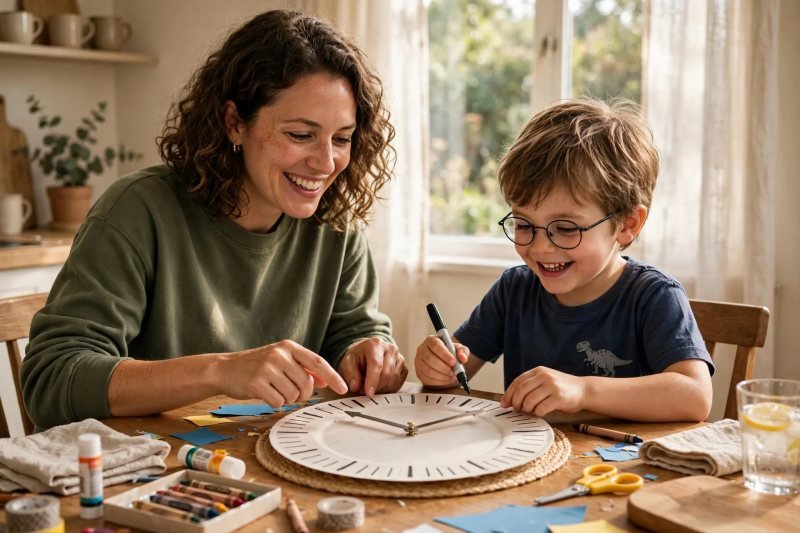
How to Teach a Child to Tell Time: A Step-by-Step Parent Guide
How to teach a child to tell time without tears: start with daily routines, then o'clock, half past, quarters and minutes — using a homemade clock and ten minutes of play a day.
-

How to Teach Your Child to Read at Home: The Complete Kindergarten Plan
A calm, step-by-step kindergarten reading plan for ages 5–6: phonemic awareness, letter sounds, blending and first books — in 15–20 gentle minutes a day.
-
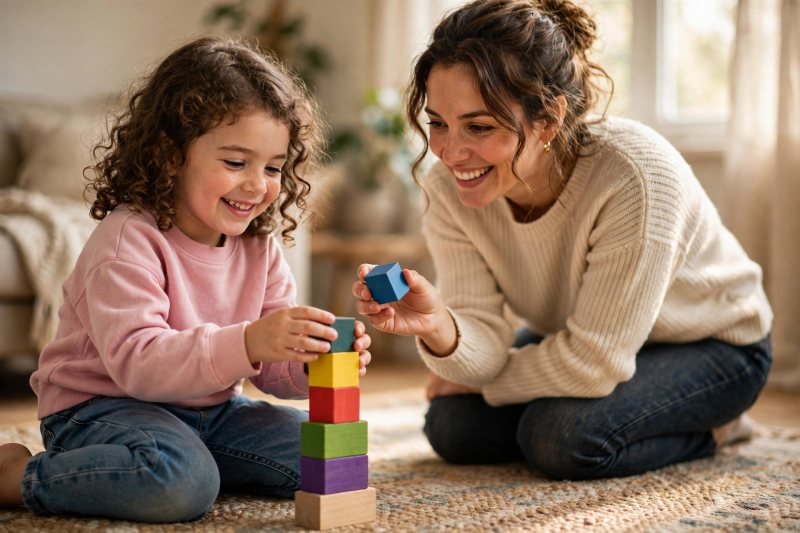
One More, One Less Games: The Easiest Bridge Into Addition
Nine one more one less games that turn counting into real addition and subtraction for 5- and 6-year-olds. Stack one more block, hop one square back, sneak one cookie away — every game teaches +1 and −1 with things you already own.
-
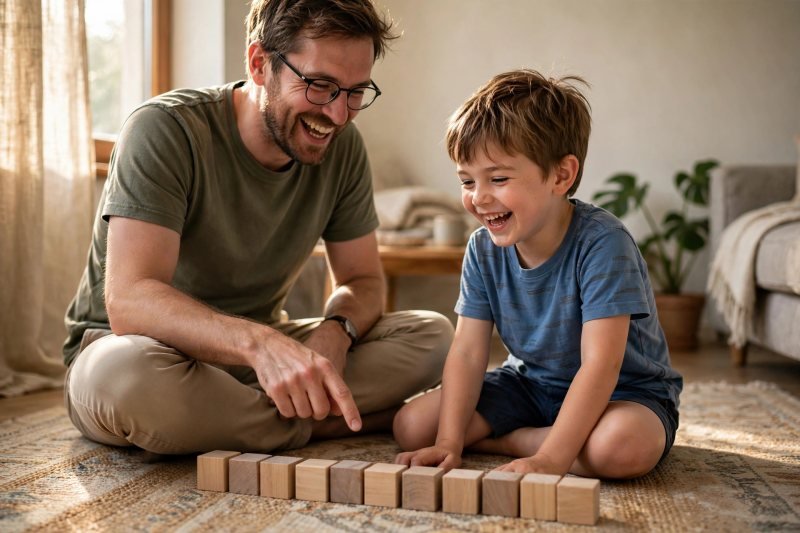
Counting to 100 Activities for Kindergarten (That Aren't Worksheets)
These counting to 100 activities for kindergarten turn the big milestone into play — no worksheets, no drill sheets. Ten hands-on ideas: hundreds-chart games, movement counting, 100-object collections, and estimation jars for ages 5–6.
-
'CH' Words: 40 Digraph Words (Chip, Lunch, Watch)
40 ch words your 6- to 8-year-old can hear, spot, read, and sort by position — chip, lunch, watch — in a 10-step session with munch-and-crunch games and a tricky-ch detective round.
-
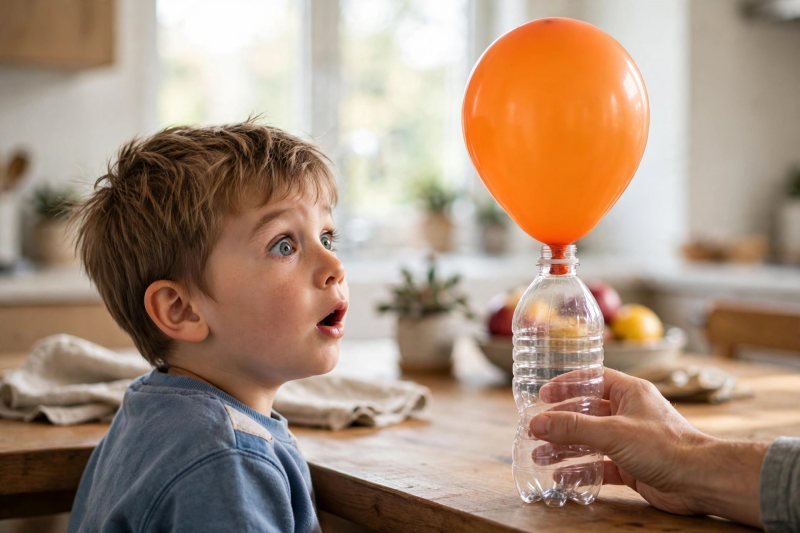
Blow Up a Balloon with Baking Soda and Vinegar
Drop baking soda from a balloon into a bottle of vinegar and watch the balloon inflate all by itself — a five-minute kitchen experiment that makes the invisible power of gas visible.
-
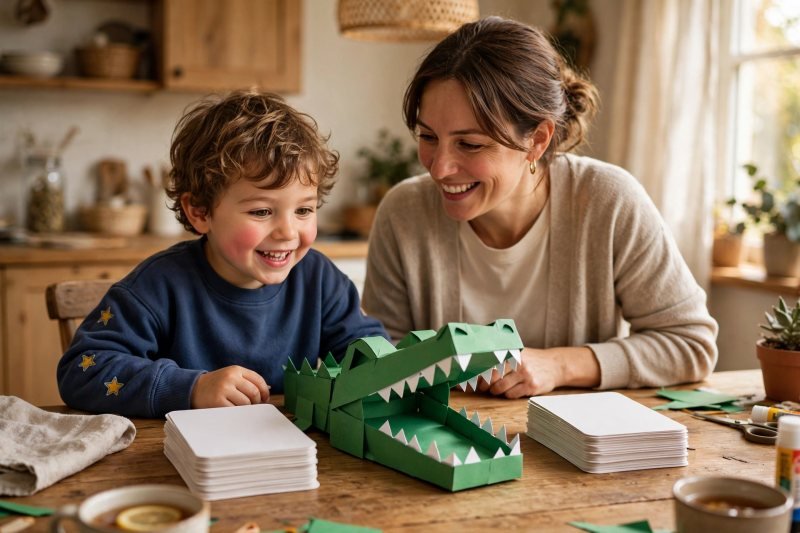
Comparing Numbers Games: Greater Than, Less Than, Equal To
Six comparing numbers games for ages 5–6 that make greater than, less than and equal to click: number cards, dice, block towers and one very hungry paper alligator. Five minutes of setup, real practice with the >, < and = symbols, numbers to 20, zero worksheets.
-
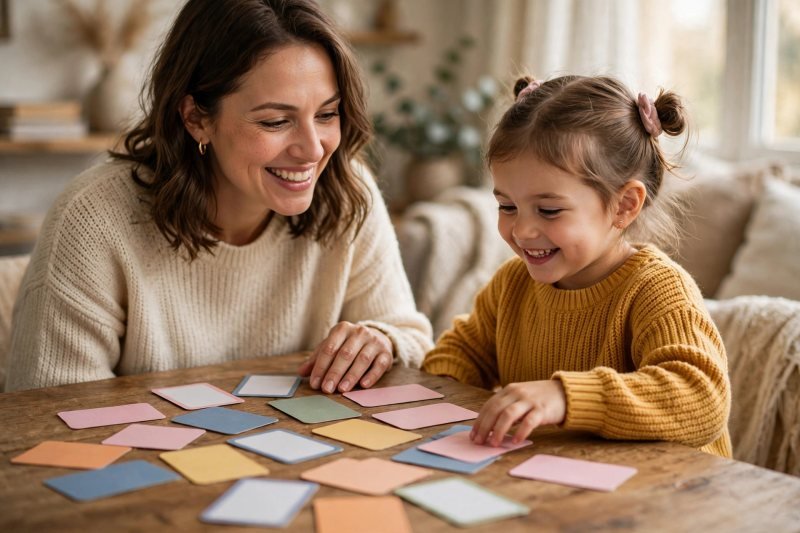
CVC Word Games: 12 Kindergarten Favorites (Roll and Read, I Spy, Bingo)
Twelve CVC word games — Roll and Read, I Spy, Bingo, fishing, hopscotch, and more. One set of word cards, zero worksheets.
-
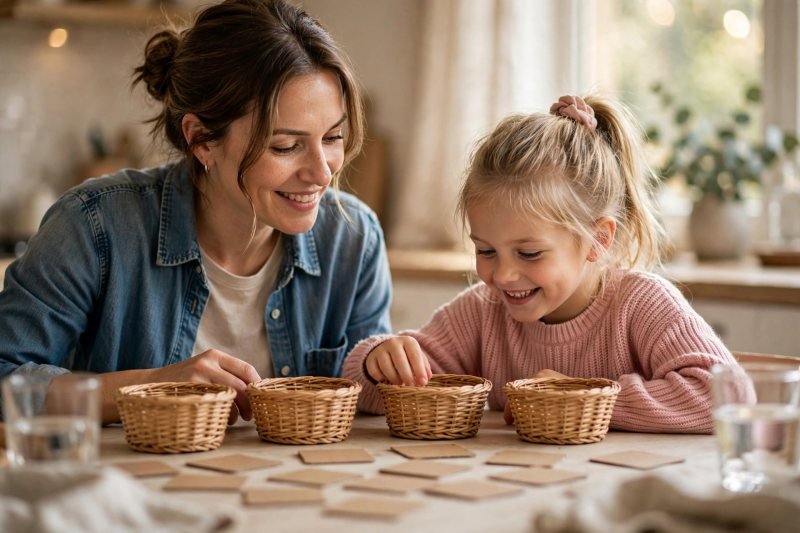
Consonant Blends List: 60+ BL, CL, ST, SM Words for 1st Grade
This consonant blends list gives first graders 65 verified bl, cl, st and sm words, organized by blend family so you can teach one blend at a time — plus a 10-step play routine: hear both sounds, stretch them together, sort the words, and read them in real sentences.
-
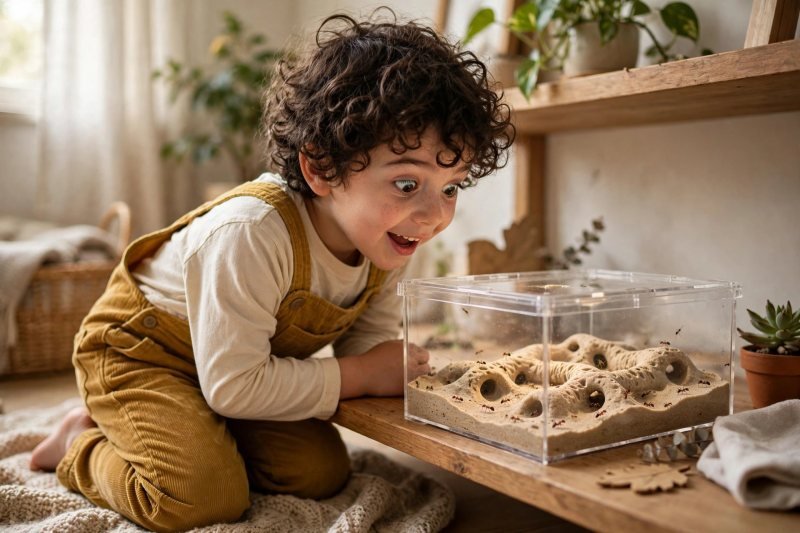
Ant Farm Observation for Kids
Set up an ant farm for kids and watch a real colony dig tunnels, carry crumbs, and work together behind glass — five-minute daily observations over two to three weeks.
-

Alien Words: 40 Nonsense Words to Practice for the Phonics Check (UK)
Alien words phonics practice for the Year 1 screening check: 40 invented nonsense words, a decode-together routine and games that make sounding out feel like a giggle, not a test.
-
A_E Words: 25 Long A Magic E Words (Cake, Name, Game)
Practice a_e words with 25 real long-A magic e words — cake, name, game and friends — plus three short games that make the a_e pattern stick for ages 5–6.
-
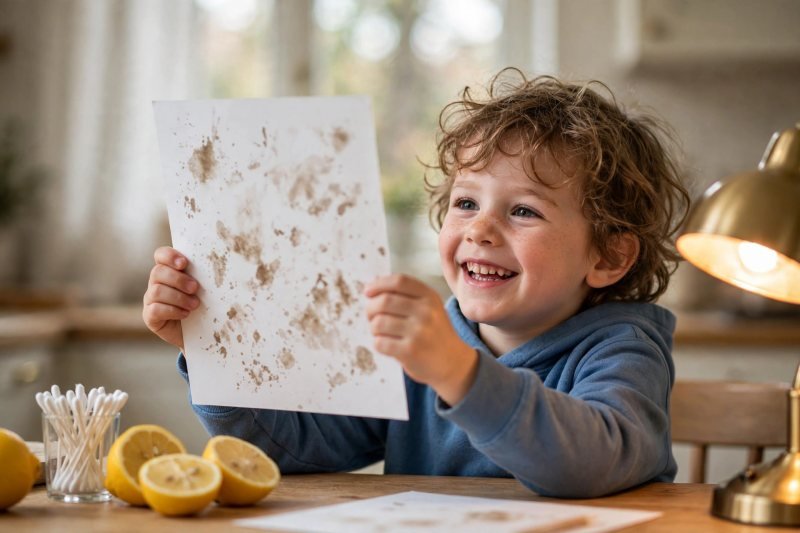
Invisible Ink Experiment: Lemon Juice Secret Messages
Kids 6–8 write secret messages in lemon juice that dry invisible, then reveal them with gentle heat. Easy steps, simple science, safety-first reveals.
-
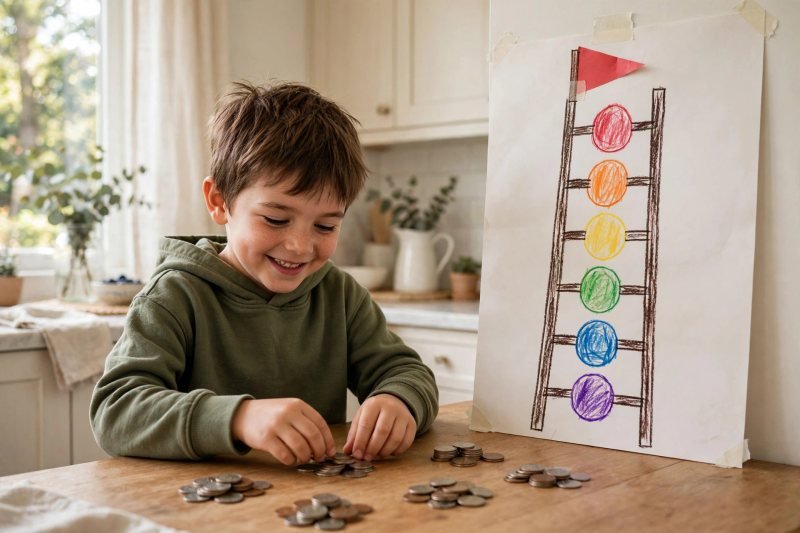
Counting Money to $1: Add Coins Up to a Dollar
Kids ages 6–8 climb a paper ladder from 0¢ to $1.00 with real coins, stopping at 25¢, 50¢, and 75¢ camps before planting the dollar flag — adding pennies, nickels, dimes, and quarters all the way up.
-
Addition Worksheets for Kindergarten: Printable Practice Within 10
Ten printable addition worksheets for kindergarten that build real adding skill within 10 — picture addition, ten-frames, dominoes, number lines, word problems and missing addends. Print once, work through them across the week with your 5–6-year-old.
-
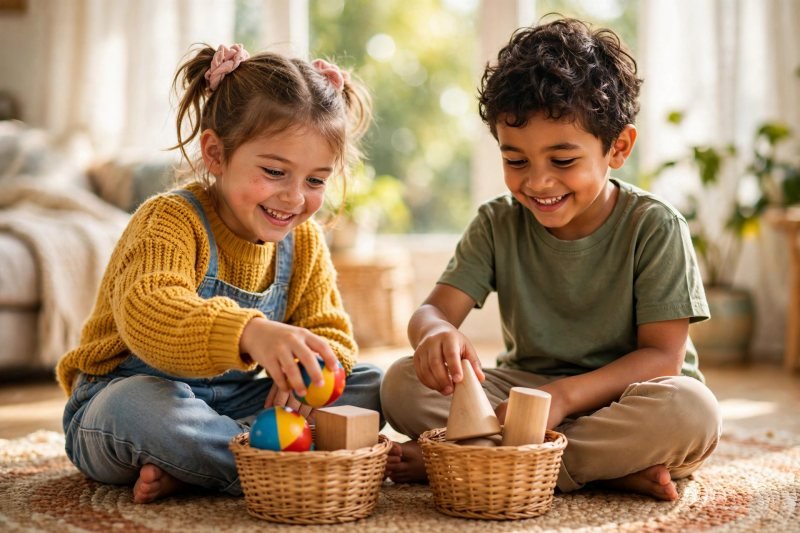
3D Shapes Activities: Spheres, Cubes and Cones in Real Life
These 3D shapes activities for ages 5–6 turn balls, boxes, dice and cones into a geometry hunt: ten playful steps with real-life objects, no worksheets needed.
-
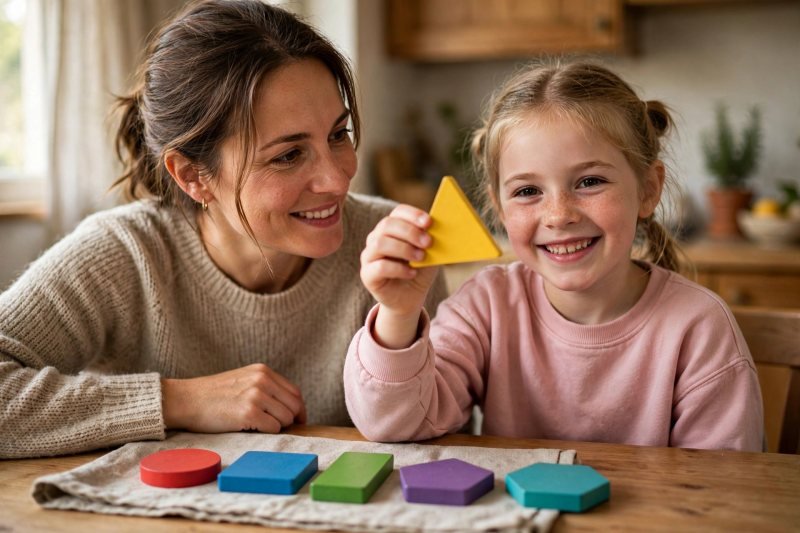
2D Shapes in Year 1: Sides, Corners and Sorting (UK Guide)
What Year 1 children learn about 2D shapes in England — recognising, naming, sides, corners and sorting — plus ten hands-on steps to practise at home.
-
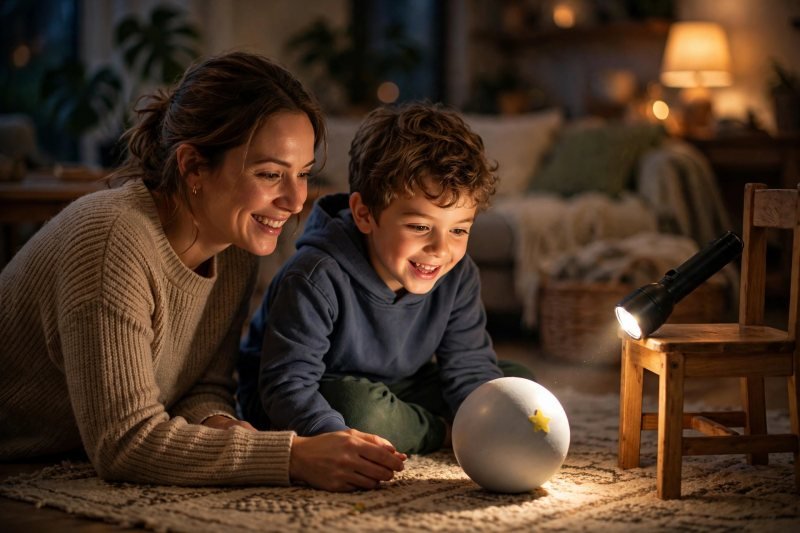
Day and Night for Kids: Simple Explanation + Activity
Day and night for kids: the Earth spins once every 24 hours, so the side facing the Sun has day and the side turned away has night — with a flashlight spin-the-Earth demo.


