


Science
Learn Science through play.
Kitchen science needs a question, some materials, and a willingness not to know the answer. Will it sink or float, will it dissolve, what happens if we leave it overnight, which one melts first.
Everything here uses ordinary things — water, ice, salt, oil, vinegar, bicarbonate of soda, food colouring, paper towel. Nothing needs a kit, and the ones involving anything to be careful with say so plainly at the top.
The most valuable habit is guessing before you start. "What do you think will happen?" turns a demonstration into an experiment, and it costs nothing.
Activities
-
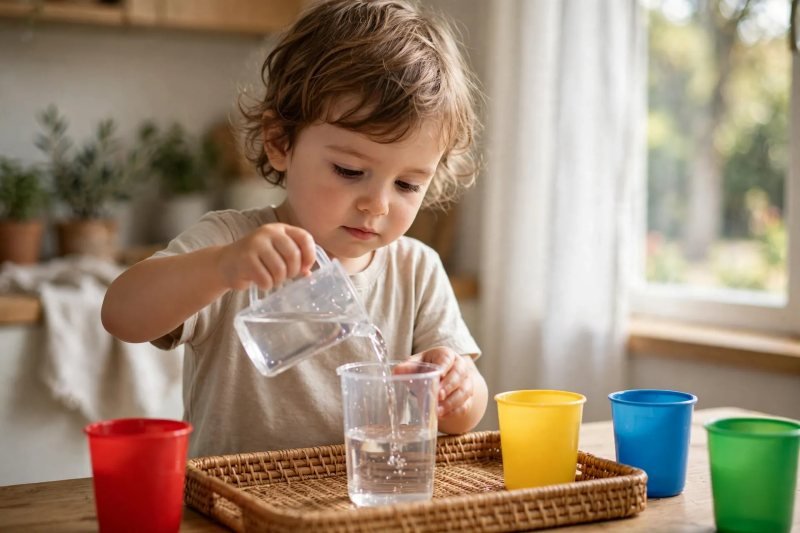
Measurement Activities for Preschoolers: Length, Weight and Capacity
Ten hands-on measurement activities for preschoolers: compare length with hand spans and block trains, explore weight with balance scales and hefting games, and play with capacity through pouring, cup-counting, and bath-time fun. No rulers needed — just everyday objects.
-
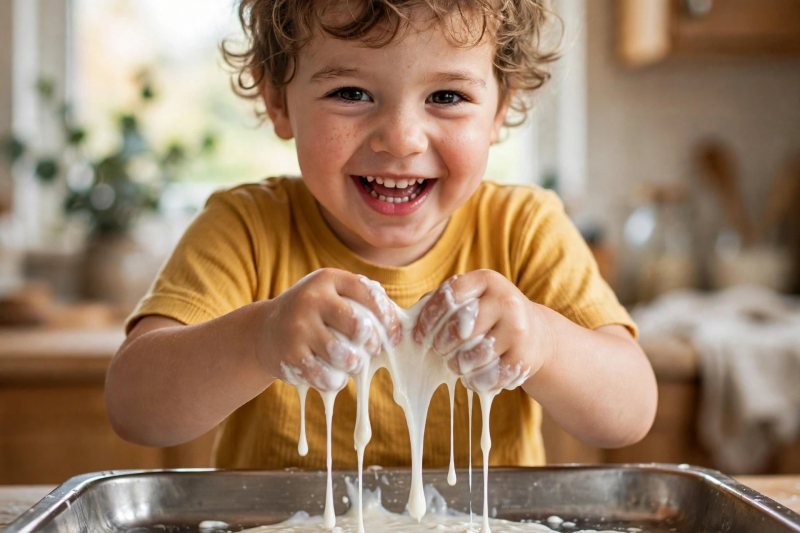
How to Make Oobleck: Cornflour Slime Recipe for Kids
How to make oobleck with cornflour and water — the classic recipe for ages 4–5. Squeeze it solid, watch it melt to liquid, add color, then clear up the right way (never down the drain).
-
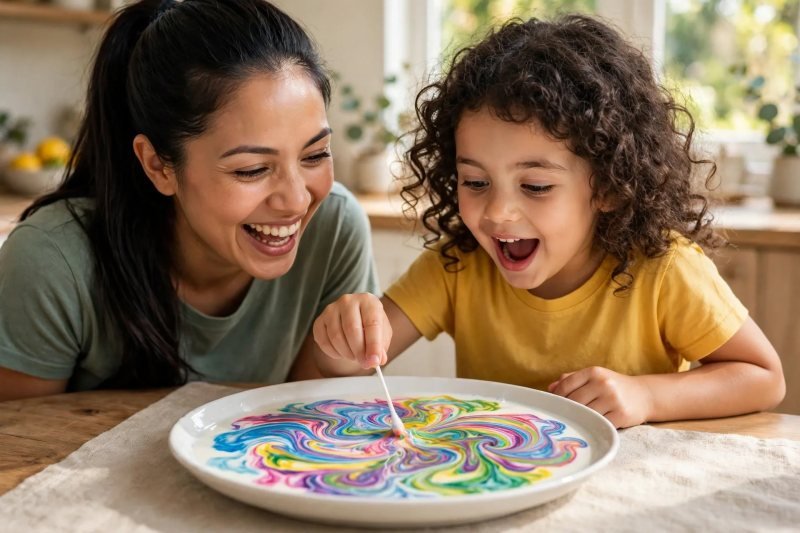
Magic Milk Experiment for Preschoolers: A Color-Burst Science Guide (Ages 3–4)
A complete magic milk experiment guide for preschoolers ages 3–4: milk, food coloring, and one drop of dish soap create bursts of swirling color — plus the simple why-it-works, color-mixing learning, and a marbled art extension.
-
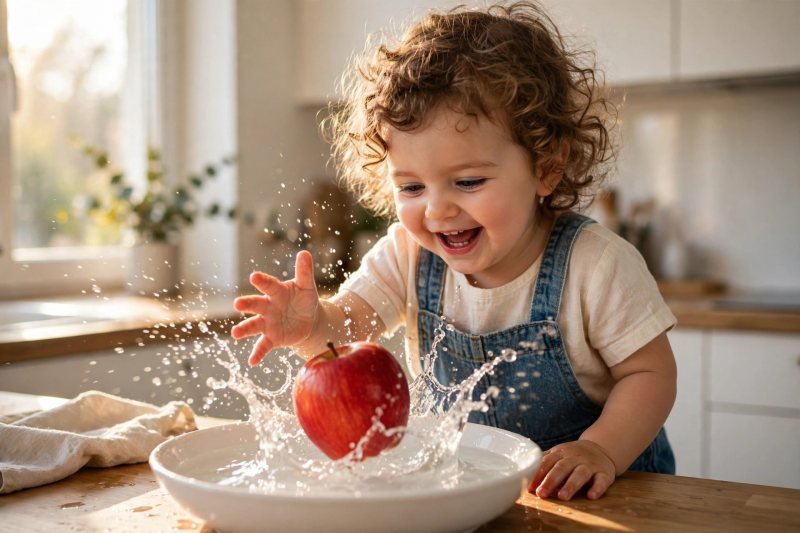
Sink or Float: Easy Water Experiment for Toddlers
A sink or float activity for toddlers done right: a shallow tub of warm water, 8–10 big household objects, and a simple prediction game that turns everyday splashing into a toddler's first science lesson.
-
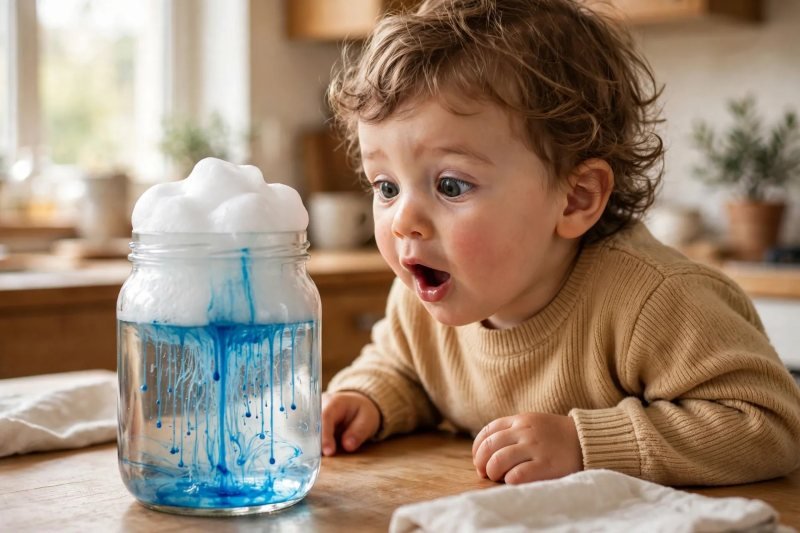
Rain Cloud in a Jar Experiment for Toddlers
Make it rain inside a jar with this gentle rain cloud in a jar experiment for toddlers — shaving-foam clouds, blue food-coloring rain, and real weather learning in ten minutes, with full safety notes for ages 2–3.
-
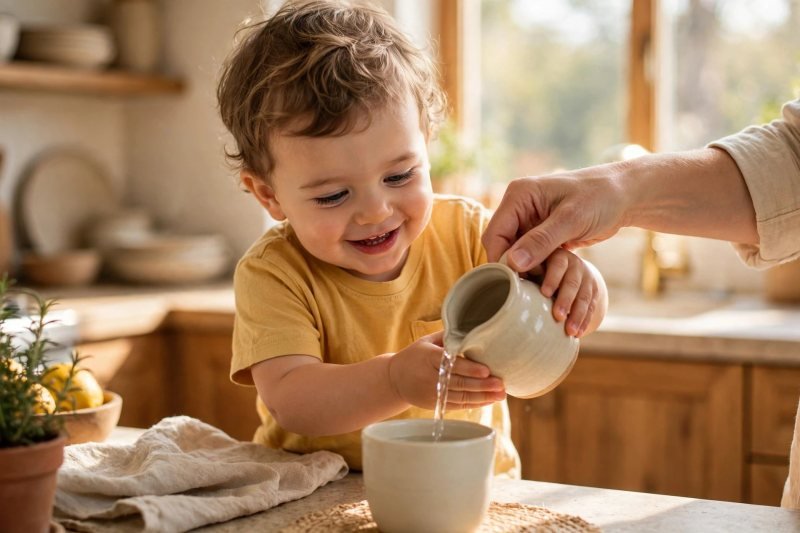
Easy Science Experiments for Toddlers: 10 Safe First Experiments (Ages 2–3)
10 safe, taste-friendly science experiments for toddlers ages 2–3 — sink or float, color mixing, fizzing colors, ice melting and more, all using things you already own.
-
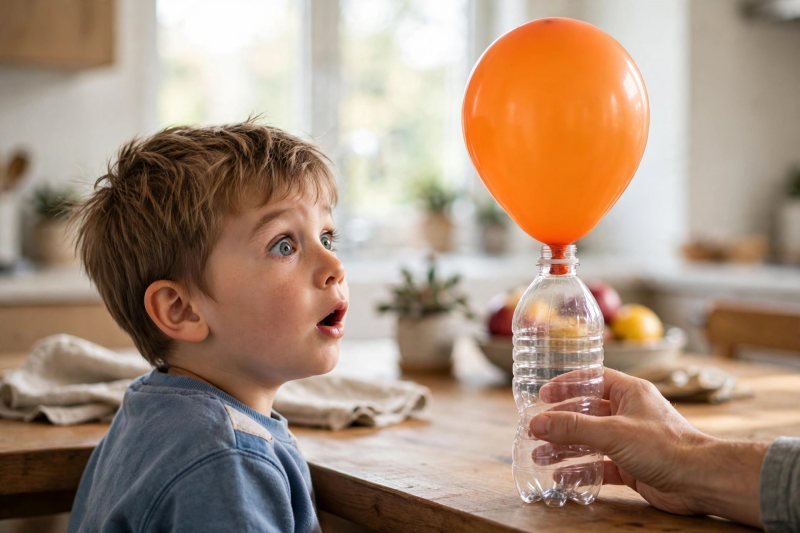
Blow Up a Balloon with Baking Soda and Vinegar
Drop baking soda from a balloon into a bottle of vinegar and watch the balloon inflate all by itself — a five-minute kitchen experiment that makes the invisible power of gas visible.
-
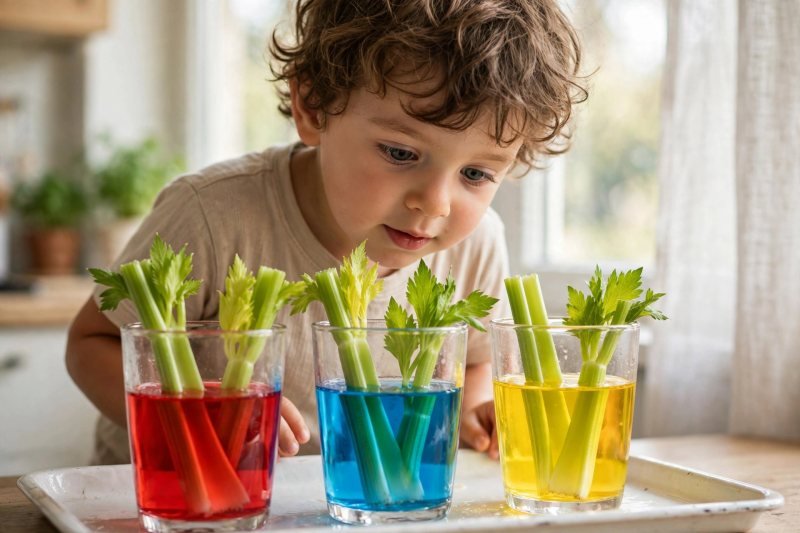
Celery Rainbow Experiment: How Plants Drink Water
This celery experiment for kids stands fresh celery in glasses of colored water and watches the color climb the stalks overnight — giving 3- and 4-year-olds a front-row seat to how plants drink.
-
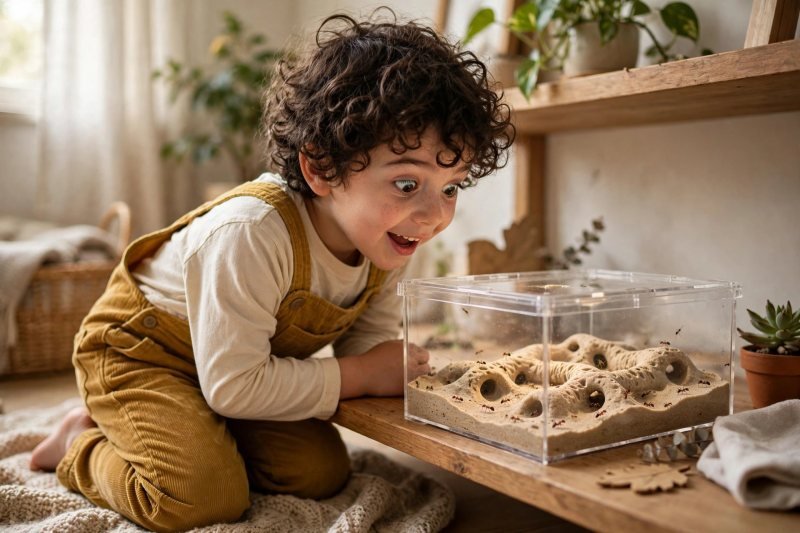
Ant Farm Observation for Kids
Set up an ant farm for kids and watch a real colony dig tunnels, carry crumbs, and work together behind glass — five-minute daily observations over two to three weeks.
-
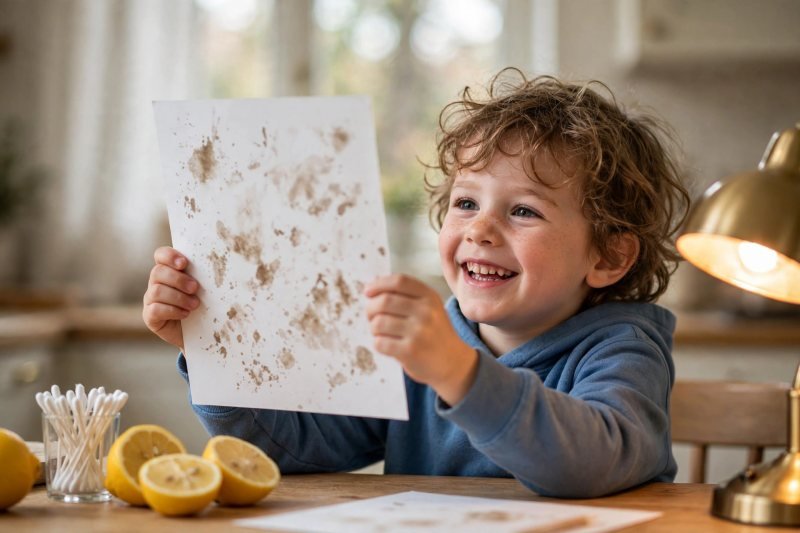
Invisible Ink Experiment: Lemon Juice Secret Messages
Kids 6–8 write secret messages in lemon juice that dry invisible, then reveal them with gentle heat. Easy steps, simple science, safety-first reveals.
-
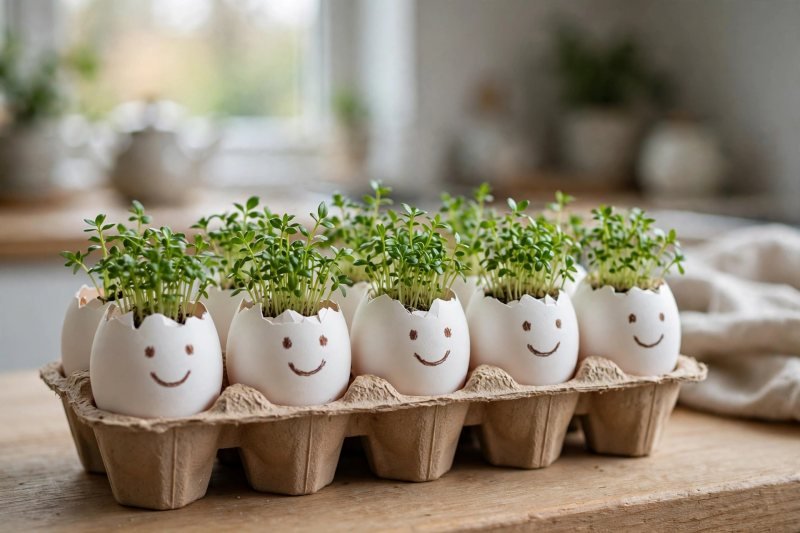
Cress Heads: Easy Growing Activity for Kids (UK)
Learning how to grow cress heads is a classic British childhood project: decorate eggshells, fill them with damp cotton wool, sprinkle on cress seeds, and snip the green "hair" into sandwiches in about a week.
-
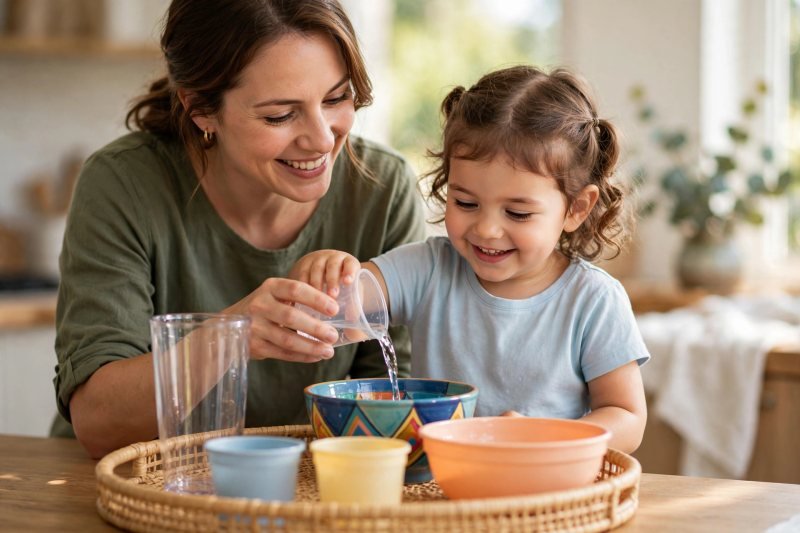
Capacity Activities for Kids: Pour, Fill and Compare
Pour, fill, and compare! These capacity activities for kids turn your kitchen into a water lab where 4- and 5-year-olds explore full versus empty, discover which container holds more, and learn why the tall glass and the wide bowl can hold the exact same amount.
-
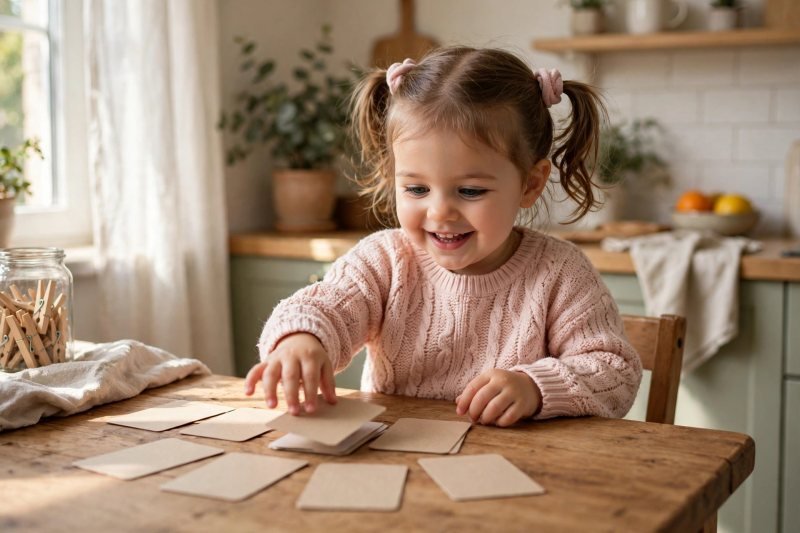
Animal Homes for Preschoolers: Make-and-Play Matching Game
Animal homes for preschoolers turn into a hands-on matching game: make 10 pairs of cards — bird and nest, bee and hive, rabbit and burrow — then flip two at a time to reunite each animal with its home. Card-making takes about 20 minutes, each round plays in 10–15, and every match sneaks in real science vocabulary.
-
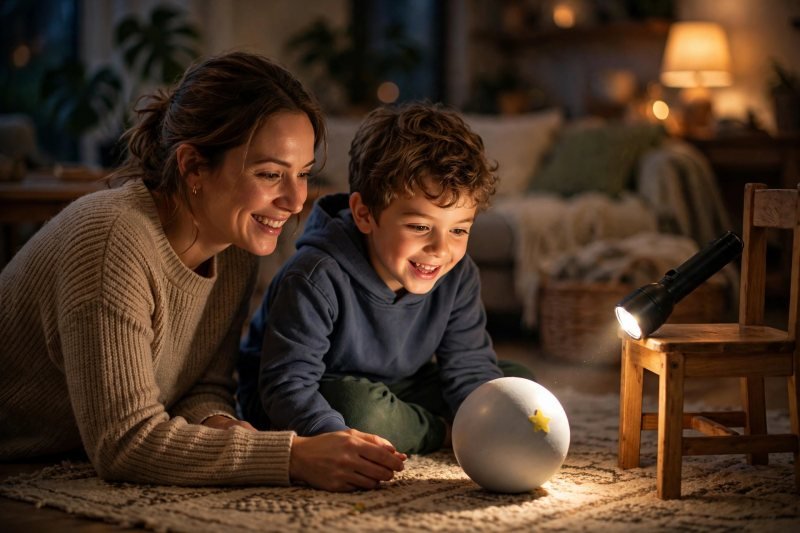
Day and Night for Kids: Simple Explanation + Activity
Day and night for kids: the Earth spins once every 24 hours, so the side facing the Sun has day and the side turned away has night — with a flashlight spin-the-Earth demo.
-
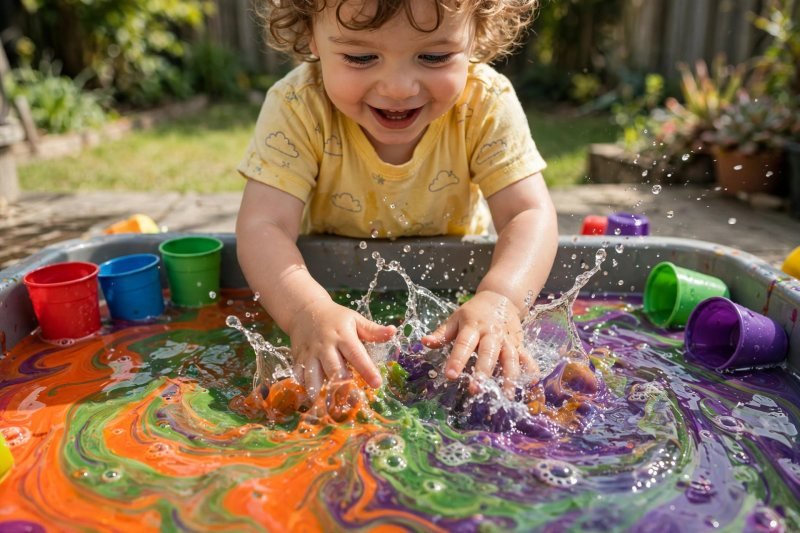
Color Mixing for Toddlers: Easy Water Play Science
Splash, pour, and squirt colored water to discover orange, green, and purple! Easy sensory color mixing for toddlers ages 2-3, run outdoors or in the bathtub with non-toxic washable materials.
-
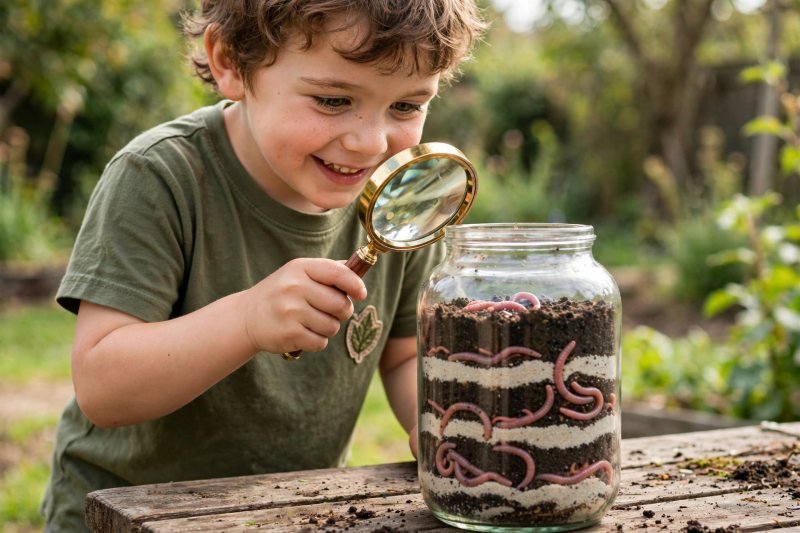
Build a Wormery: Worm Observation for Kids
How to make a wormery: kids layer sand and soil in stripes in a jar, add a few gentle earthworms, and watch them tunnel and eat dead leaves for a week or two.
-
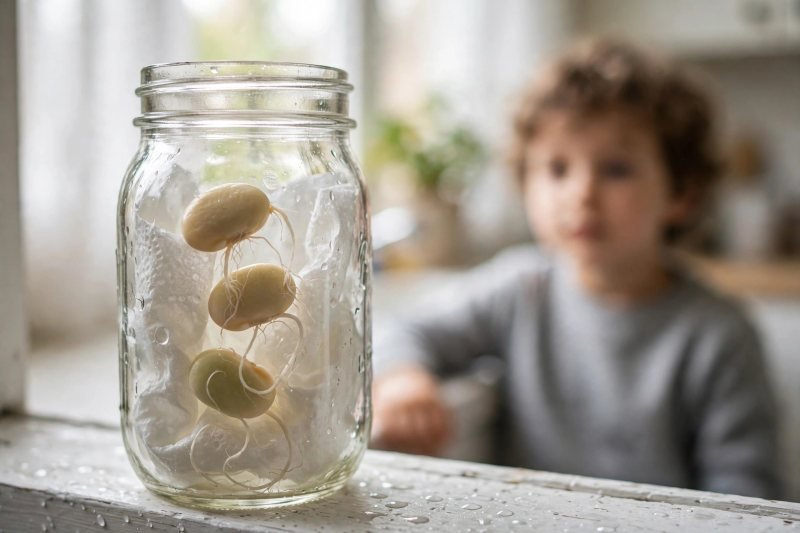
Parts of a Seed for Kids: The Bean Root Observation Jar
Press soaked beans against the glass of a damp-towel jar and watch roots grow — root hairs, the root cap, and roots that always find down.
-
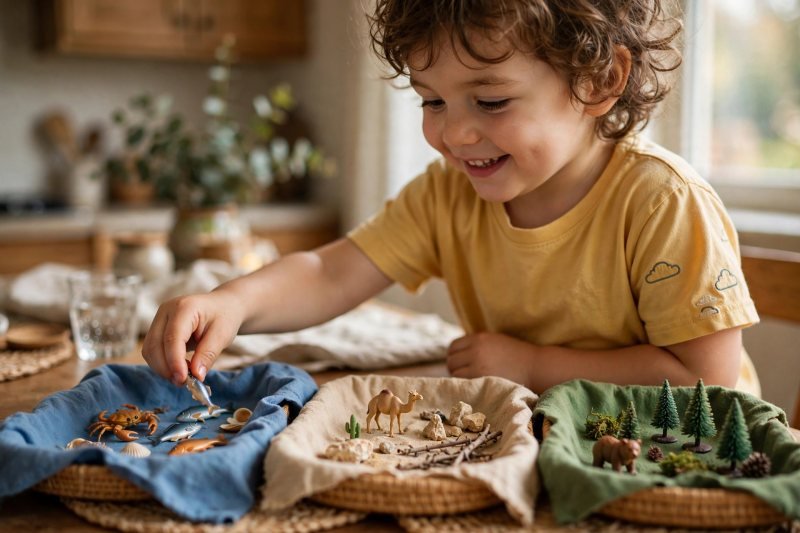
Animal Habitats for Kids: Ocean, Desert, Forest
Animal habitats for kids become a hands-on sorting game: build three simple trays — a blue ocean, a sandy desert, a leafy forest — then sort toy animals into the home where each one really lives. Fifteen minutes of setup, twenty to thirty of play, and real science vocabulary like habitat, saltwater, and nocturnal along the way.
-
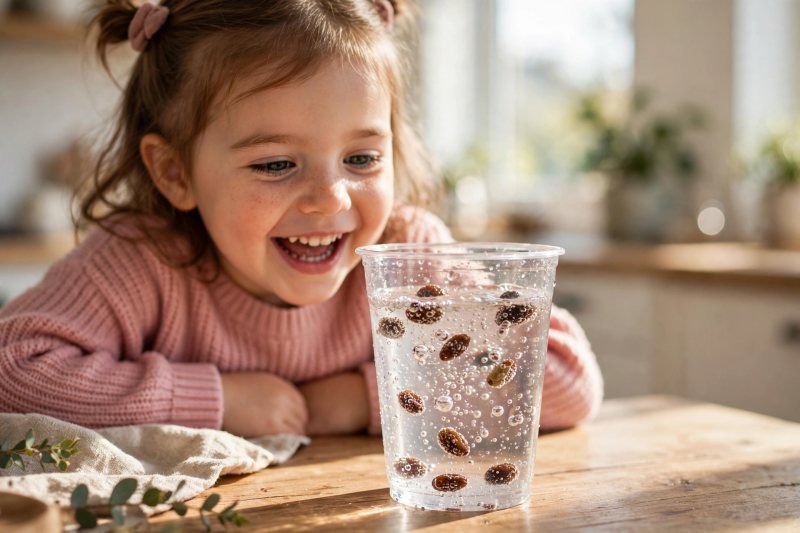
Dancing Raisins Experiment for Preschoolers
Drop raisins into fizzy water and watch them dance up and down. This easy preschool science experiment uses simple kitchen materials and delivers a big wow moment in under a minute.
-
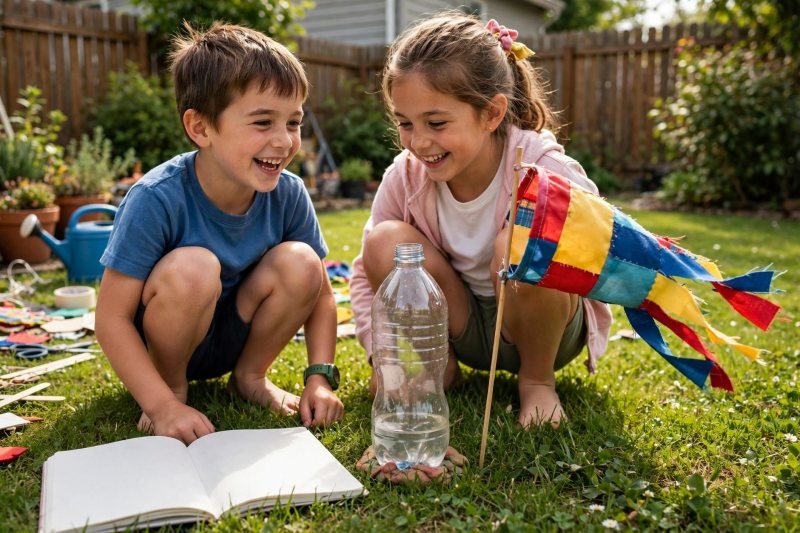
Build a Weather Station with Kids
A real weather station for kids is a backyard project worth a week of mornings: build a rain gauge, a wind sock, and a thermometer stand from household bits, then run the station together and record what the sky does.
-
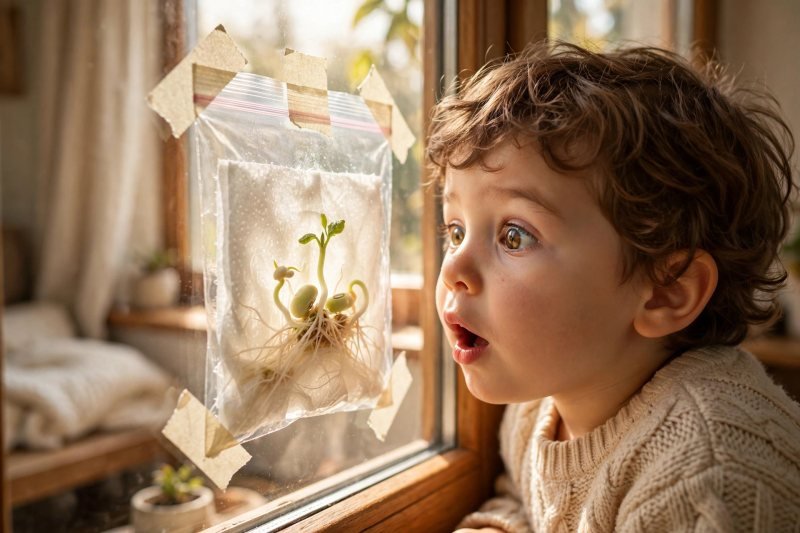
Bean in a Bag: Watch Seeds Sprout for Preschoolers
A no-mess seed-germination experiment: sprout dried beans in a zip bag taped to a sunny window and watch roots and shoots appear day by day. Tape a damp bag of beans to a sunny window and watch the whole life cycle unfold — no soil, no pots, no waiting weeks.
-
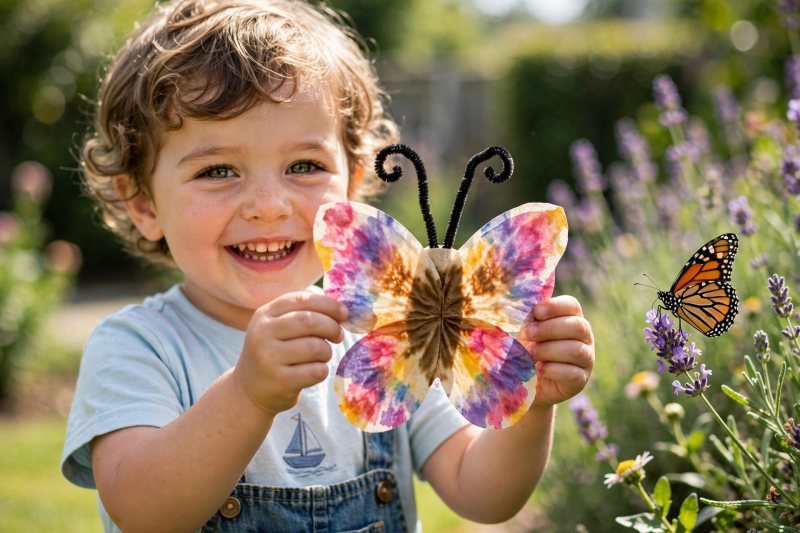
Butterfly Life Cycle for Preschoolers
The life cycle of a butterfly for kids, in words a 3- or 4-year-old can picture: egg, caterpillar, chrysalis, butterfly — with a matching craft or game for every stage, from pom-pom eggs on a leaf to a paper-plate wheel and a backyard butterfly walk. Follow a butterfly from a tiny egg to its first flight — one stage, one craft, and one game at a time.
-
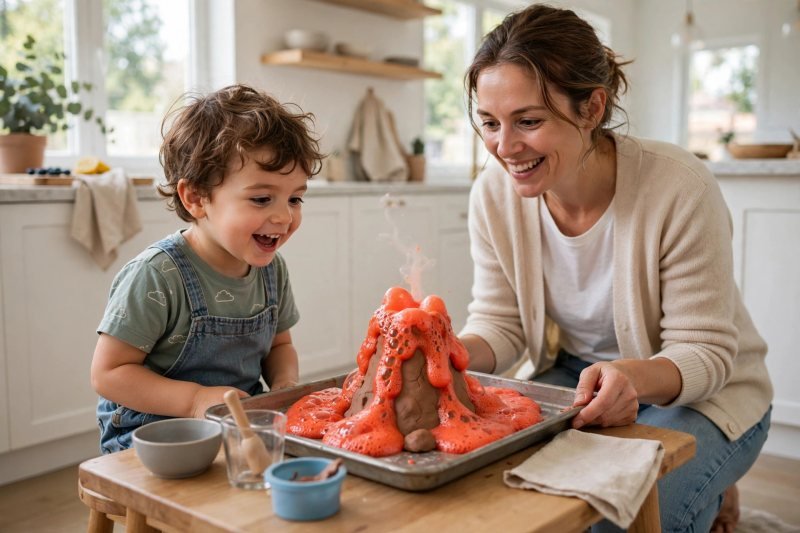
Baking Soda and Vinegar Volcano for Preschoolers
Build a mini playdough volcano and set it fizzing with baking soda and vinegar — a simple preschool science experiment with a contained eruption and endless replays. Build the volcano, erupt it, then do it all again.
-
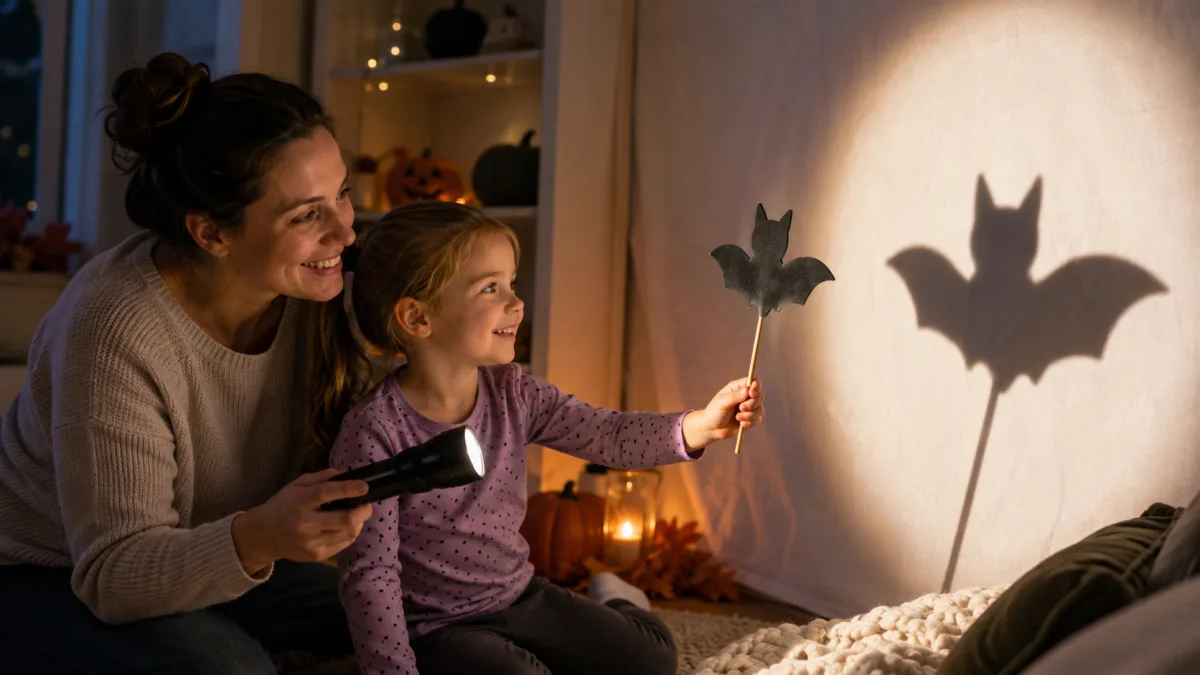
Spooky Shadow Puppets
Cut a bat and a cat from card, tape them to straws, and put on a show against the wall with a torch.


