


20 Letter Sounds Games in 10 Steps for Preschool
Twenty playful letter sounds games for preschoolers ages 3–4 — listening games, sound hunts, movement play and silly sound fun that build real phonics skills, one joyful step at a time. Twenty joyful games that teach letter SOUNDS — not letter names — through listening, moving, sorting and giggling. No flashcards, no worksheets, no pressure.
Twenty playful letter sounds games for preschoolers ages 3–4, organised as one guided session: mouth warm-ups, listening games, sound hunts, sorting, movement, silly sound play and name-sound games. They teach phonemic awareness — hearing and playing with sounds — with no worksheets or flashcards.

The short version
- 20 games across 10 guided steps, each step telling you what to set up, what to say and what your child does.
- Always letter sounds ("mmm"), never letter names — the rule that makes phonics click later.
- Most games need zero prep and use things you already own; mess level is zero.
- Built-in easier/harder tweaks plus outdoor, car and sibling variations.
- Age
- Ages 3–4
- Prep
- 5 min
- Mess
- None
- Difficulty
- Easy
- Where
- Both
Why kids love this
These letter sounds games feel nothing like learning. Your child becomes a sound detective, feeds a hungry monster, stomps, marches, talks like a robot and stirs imaginary soup — while their ears and mouth learn the sounds letters make. Every game is short, so you always stop while it's still fun.
What you'll need
- A cardboard box
- a paper bag or pillowcase
- small toys and household objects (apple, ball, spoon, cup, sock, toy fish, toy car)
- a hand mirror
- music to dance to
- cushions
- crayons and paper
- picture books you already read together
Before you start
Almost none — gather a few small objects in a bag and you're ready. The one rule that matters: always say letter SOUNDS, never letter names. Say "mmm" not "em", "sss" not "ess". Short vowels sound like they do in apple, egg, igloo, octopus and umbrella.
How to do it
-
Follow the steps in order — they flow from warming up mouths and ears, to listening games, to matching sounds with objects, to big movement, to silly sound play, ending with the sounds in your child's own name. Each step tells you what to set up, what to say, and what your child does. Warming up: mouths and ears first (steps 1–2) — 1. Warm up your mouths, then stretch a word. Sit facing your child, knees touching, with a small mirror where you both see your mouths. Game 1 is mouth mirror: you go first — exaggerate the shape and say one sound, "mmm", and let your child watch your lips, then copy. Try "sss" (teeth together, air hissing), "fff" (teeth on lip), "ooo" (round lips). Game 2 is sound stretch: say a word stretched like warm toffee — "sss-aaa-nnn" — and ask, "What word was that?" When your child shouts "sand!", stretch another: "mmm-ooo-nnn" (moon), "fff-iii-shhh" (fish). The teaching point: words are built from stretchable sounds. When the faces get silly, you're ready for ears.

-
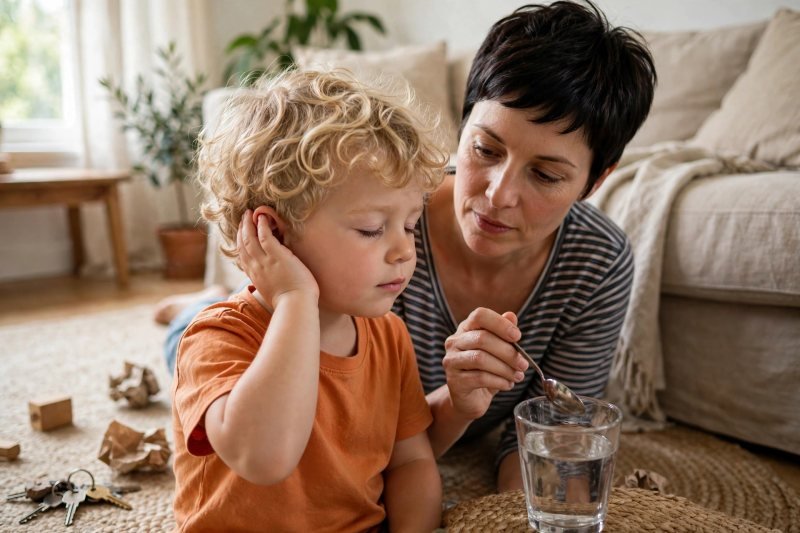
2. Play two listening games. Game 3 is mystery sounds: your child closes their eyes (a scarf "blindfold" makes it official) while you make sounds around the room — tap a glass, crinkle paper, jingle keys, clap once. After each: "What made that sound?" They listen, then peek to check. Game 4 is freeze on the sound: dance to music, then call out — "freeze when you hear sss!" Say a string of sounds — "mmm, bbb, sss!" — and freeze theatrically on sss. Repeat with new targets: "fff", "ttt", "lll". The ear must hear a sound before the brain can attach it to a letter. When the dancing outlasts the listening, move on.
-
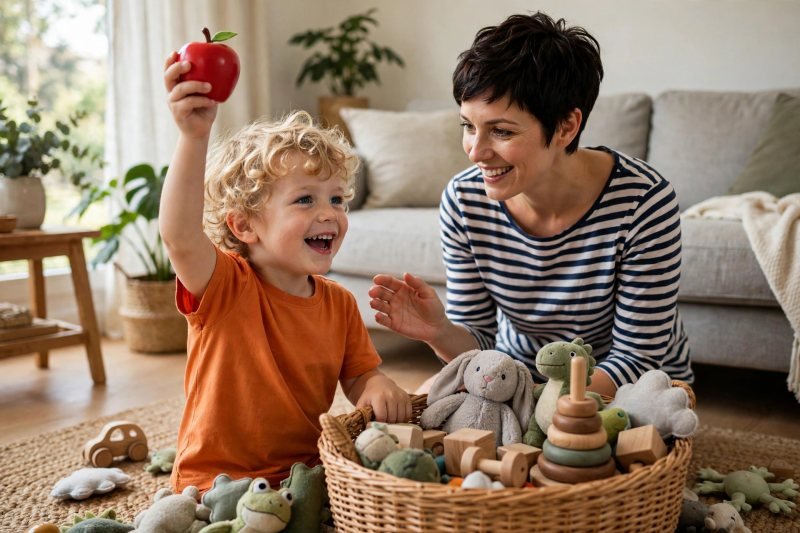
Matching sounds to objects (steps 3–5) — 3. Hunt sounds around the house. Game 5 is a sound treasure hunt. Pick one target — start with "mmm", easy to feel on the lips. Say: "We're hunting for things that start with mmm. Mmm-apple? No — that starts with aaa. Mmm-moon?" Your child roams, brings candidates, and you test each together, stretching the beginning sound. Three to five finds is a full game. Game 6 is what's in the sound bag: drop familiar objects in a bag — ball, spoon, cup, sock. Your child pulls one out and says its beginning sound: "bbb-ball!" Model it first — always the sound, never the letter name. The big idea: every object has a first sound, and we can hear it. When the bag is empty, you're ready for sillier work.
-
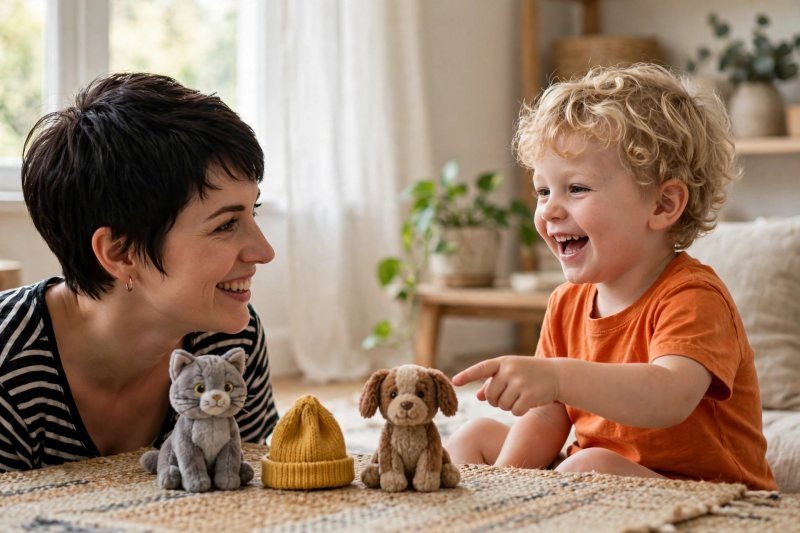
4. Rhyme it out, then echo it back. Game 7 is which one is different? Line up three toys and name them with stretched sounds — "cat, hat… dog. Which one doesn't rhyme?" Start with obvious pairs (cat/hat, ball/wall, pig/wig), then let your child make sets for you to solve — they'll love catching you out. Game 8 is copycat echo: you say a short sound pattern — "sss-fff-mmm" — and your child echoes it back exactly. Make it musical: whisper it, sing it, say it like a giant, like a mouse. Then swap — your child leads and you copy, getting one "wrong" on purpose for giggles. Rhyming and echoing train the ear to notice how sounds match and differ — the exact skill reading needs. Now add a monster.
-
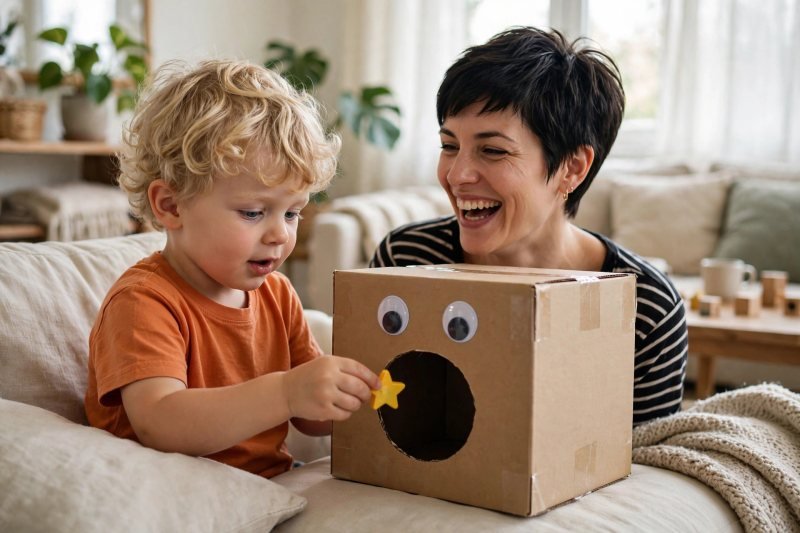
5. Feed sounds to a hungry monster — then sort them. Game 9 is feed the sound monster: cut a big mouth in a cardboard box and add googly eyes. The monster only eats things starting with today's sound — "sss-soap!" Your child hunts "food" (toy sun, sock, spoon) and feeds each through the mouth, saying the sound as it goes in; the monster groans with delight. Game 10 is sorting trays: two trays on the floor, one for "mmm" words, one for "ttt" words. Scatter mixed objects — moon, tap, milk, tiger, mitten, top — and your child sorts each into the right tray, saying the sound as it lands. Start with two very different sounds; add a third tray when it's easy. Matching sounds to objects is phonics in its purest form — no letters needed yet. When the monster is full, it's time to move.
-
Big movement and silly sounds (steps 6–9) — 6. Stomp, march and parade the sounds. Game 11 is sound stomp: "Stomp when you hear bbb! Stand still for everything else." Call a playful string — "mmm, bbb, ddd, bbb!" — and stomp together on bbb. Then swap: your child calls the sounds and you stomp (they will try to trick you — excellent). Game 12 is an animal sound parade: march in a line, calling an animal's beginning sound with each step — "mmm-monkey! sss-snake! lll-lion!" Then march it backwards. Movement locks sounds into memory — the body remembers what the ears heard. When everyone's breathless, slow down with silliness.

-
7. Talk like robots, cook silly soup. Game 13 is robot talk: stiffen your arms, jerk along, and speak only in stretched sounds — "hhh-eee-lll-ooo!" Your child answers the same way: "www-aaa-ttt-eee-rrr?" (water). Take turns being robot and translator. Game 14 is sound soup: a big pot on the floor, wooden spoon ready. "We're making sss-soup! What goes in?" Your child "adds" ingredients starting with sss — "sss-sand! sss-soap! sss-snake!" — stirring after each, then you taste it together with disgusted faces. Switch the soup's sound next round. Silly play stretches sounds with zero drill feeling — forty "sss" in a soup game beats one flashcard every time.

-
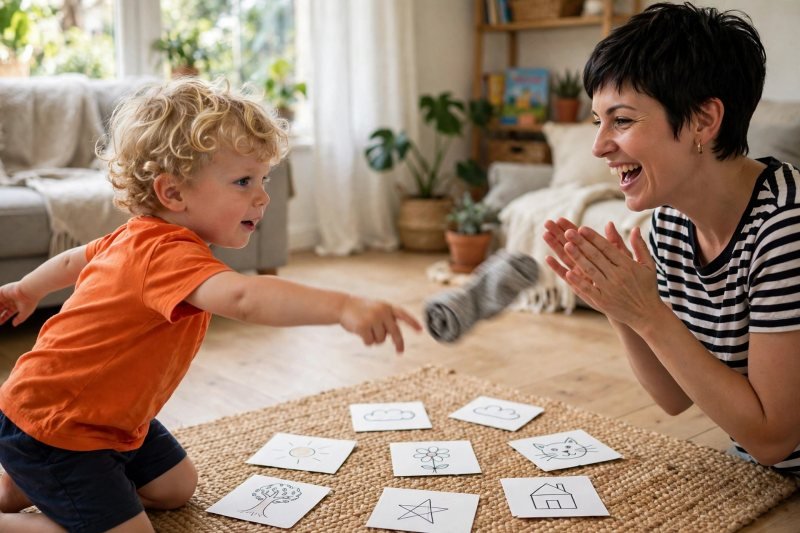
8. Dash and toss for sounds. Game 15 is a sound dash: "Find something that starts with ddd — GO!" Your child dashes to touch a door, a doll, a duck toy, then races back. Game 16 is toss the sound: lay simple hand-drawn picture cards face-up on the floor (cat, bus, fish). Your child tosses a beanbag or rolled-up sock; wherever it lands, they say the beginning sound: "fff-fish!" Fast games build quick sound recall — the ear-to-mouth path getting shorter every round. Two or three rounds of each, then wind down with a book.
-
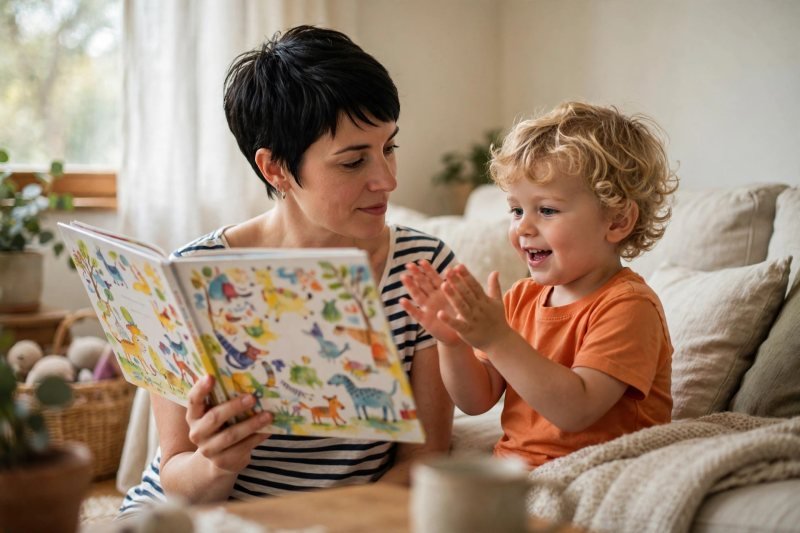
9. Spot sounds in stories and songs. Game 17 is story sound spotter: pick a target sound before opening a favourite book — "Every time you hear mmm, clap!" Read slowly and a little dramatically; your child claps at every "mmm" word. Then they pick the next sound. Game 18 is singing sounds: take a tune you both know and stretch one sound through it — sing "Twinkle Twinkle" with every word replaced by "lll" (you'll both collapse laughing), then try "sss". Sounds live inside real language everywhere, not just in games. One book, one song, and you're ready for the finale.
-
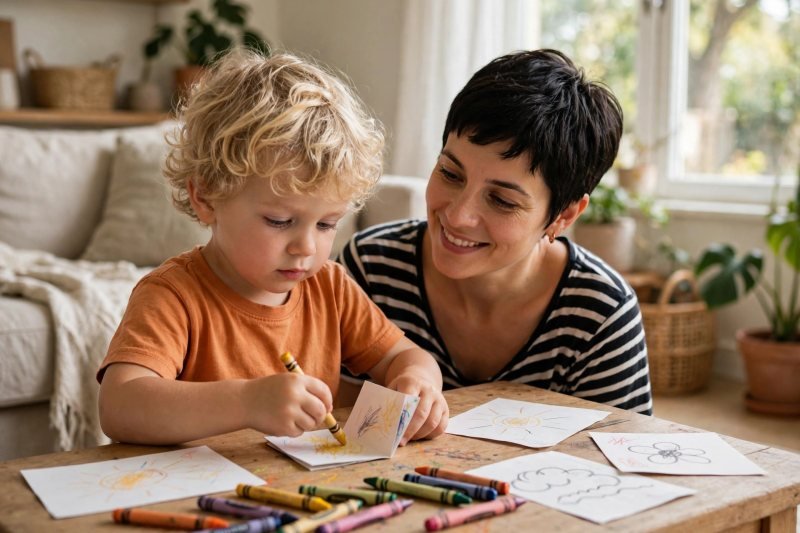
The grand finale: their own name (step 10) — 10. Play with the sounds in your child's name. A child's own name is the most motivating word they'll ever meet. Game 19 is a name sound train: clap once for each sound in their name — "Jjj-aaa-mmm-eee-sss" (five taps for James). March it, whisper it, shout it. Keep to the sounds you can hear — the point is hearing, not spelling. Game 20 is my sound book: fold paper into a little booklet, one page per name sound. On each page your child draws something starting with that sound — "mmm" gets a moon, "aaa" gets an apple. You write nothing; they draw everything. Date it and keep it — in a month, make another and compare. Ending with their name sends them off feeling that sounds belong to them.


Make it easier
Play just one game per step and stop — five brilliant minutes beats twenty restless ones. Stick to the easy-feeling sounds first (mmm, sss, fff, bbb), say every sound together before your child tries alone, and accept any close try.
Make it harder
For older 4s: hunt for END sounds too ("what sound does fish END with?"), sort by two sounds at once in step 5, try trickier odd-one-out sets (pin/pan/pen), or stretch whole short words in robot talk ("kkk-aaa-ttt" — can they blend it into "cat"?).
Other ways to play it
- Outdoor version: take the treasure hunt, sound dash and sound stomp to the garden — nature is full of sss-snakes (sticks) and bbb-birds.
- Car version: mystery sounds becomes "I hear with my little ear"; sound dash becomes spotting things through the window.
- Sibling mode: an older 4 leads the robot talk or calls the stomp sounds while a younger 3 copies.
- Rainy-day rotation: pick any five games, five minutes each, rotating like stations.
How it changes by age
- Younger 3s: start with the mouth games, listening games and movement (steps 1, 2, 6, 8) — short, physical and forgiving.
- Older 4s: add rhyming, sorting and the end-sound challenges (steps 4, 5, 10 and Make it harder). If a game flops, shelve it and retry in a month.
What they're learning
Phonemic awareness: isolating first sounds, rhyming, echoing sound patterns, stretching and blending — the ear-skills that make phonics click later (steps 1–9). Self-connection to language through the sounds in their own name (step 10). Plus listening stamina, turn-taking, and confidence.
Clearing up
Almost nothing to clear up — that's the beauty of sound games. Toss the objects back in the sound bag, flatten the monster box for next time, and keep the name book somewhere your child can find it.
Questions parents ask
What are letter sounds games for preschoolers?
How do I teach my 3-year-old letter sounds at home?
Should preschoolers learn letter names or letter sounds first?
What is the easiest letter sound to start with?
How long should a letter sounds game session last for a 4-year-old?
When should I move from sound games to actual phonics?
You don't need all 20 — five or six favourites, repeated across a week, teach more than a one-time marathon. The best game is the one your child asks for again. Golden rule, every single time: sounds, not letter names.
Keep reading: - CVC Words List (link to https://brightplaydays.com/activities/cvc-words-list/) — simple words to sound out once the games feel easy - Phonics Activities for Preschoolers (link to https://brightplaydays.com/activities/phonics-activities-for-preschoolers/) — the next step once sounds feel easy - Blending Sounds Activities (link to https://brightplaydays.com/activities/blending-sounds-activities/) — the next bridge: stringing sounds into first words
Try this next
-
What Order to Teach Letters and Sounds: Sounds First, Here's Why
Ages 3–4
-
Alphabet Recognition Activities for Preschool: 10 No-Worksheet Games for Ages 3–4
Ages 3–4
-
Beginning Sounds Activities for Preschool: Listen First, Letters Later
Ages 3–4
-
30 Hands-On Letter Recognition Ideas in 10 Steps for Preschoolers
Ages 3–4


