


5-Year-Olds
Activities for 5-year-olds.
Five likes a challenge with a right answer: a bridge that holds the car, a code to crack, a tower taller than last time. Building and testing becomes genuinely satisfying rather than frustrating.
Reading and writing are usually somewhere in the mix, and the most useful thing you can do is keep them attached to something worth reading or writing about — a shop sign, a label, a note left for somebody.
Turn-taking games work well now, and a child this age will often play one with a younger sibling for a while, which buys everybody something.
Activities
-

Alien Words: 40 Nonsense Words to Practice for the Phonics Check (UK)
Alien words phonics practice for the Year 1 screening check: 40 invented nonsense words, a decode-together routine and games that make sounding out feel like a giggle, not a test.
-
A_E Words: 25 Long A Magic E Words (Cake, Name, Game)
Practice a_e words with 25 real long-A magic e words — cake, name, game and friends — plus three short games that make the a_e pattern stick for ages 5–6.
-
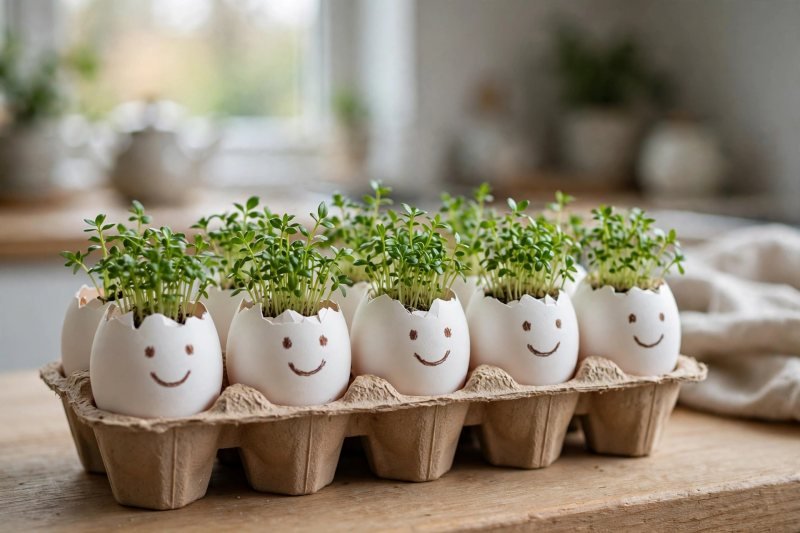
Cress Heads: Easy Growing Activity for Kids (UK)
Learning how to grow cress heads is a classic British childhood project: decorate eggshells, fill them with damp cotton wool, sprinkle on cress seeds, and snip the green "hair" into sandwiches in about a week.
-

Capacity Activities for Kids: Pour, Fill and Compare
Pour, fill, and compare! These capacity activities for kids turn your kitchen into a water lab where 4- and 5-year-olds explore full versus empty, discover which container holds more, and learn why the tall glass and the wide bowl can hold the exact same amount.
-
Addition Worksheets for Kindergarten: Printable Practice Within 10
Ten printable addition worksheets for kindergarten that build real adding skill within 10 — picture addition, ten-frames, dominoes, number lines, word problems and missing addends. Print once, work through them across the week with your 5–6-year-old.
-

3D Shapes Activities: Spheres, Cubes and Cones in Real Life
These 3D shapes activities for ages 5–6 turn balls, boxes, dice and cones into a geometry hunt: ten playful steps with real-life objects, no worksheets needed.
-
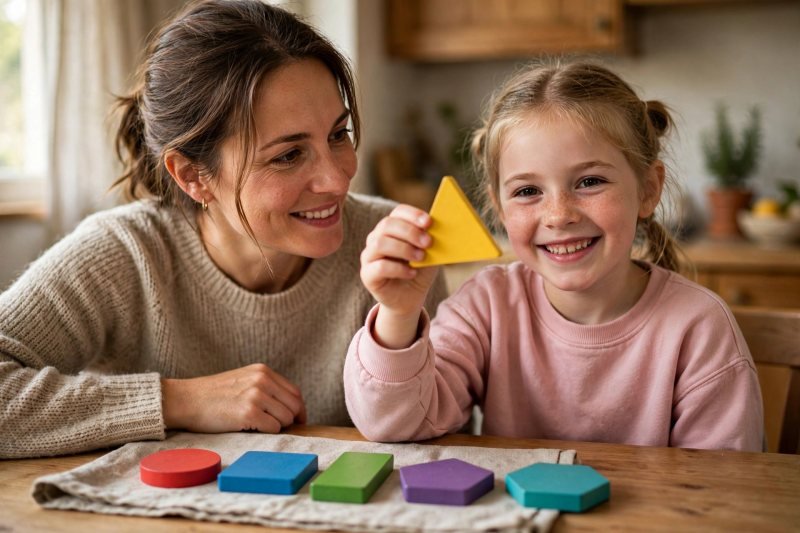
2D Shapes in Year 1: Sides, Corners and Sorting (UK Guide)
What Year 1 children learn about 2D shapes in England — recognising, naming, sides, corners and sorting — plus ten hands-on steps to practise at home.
-
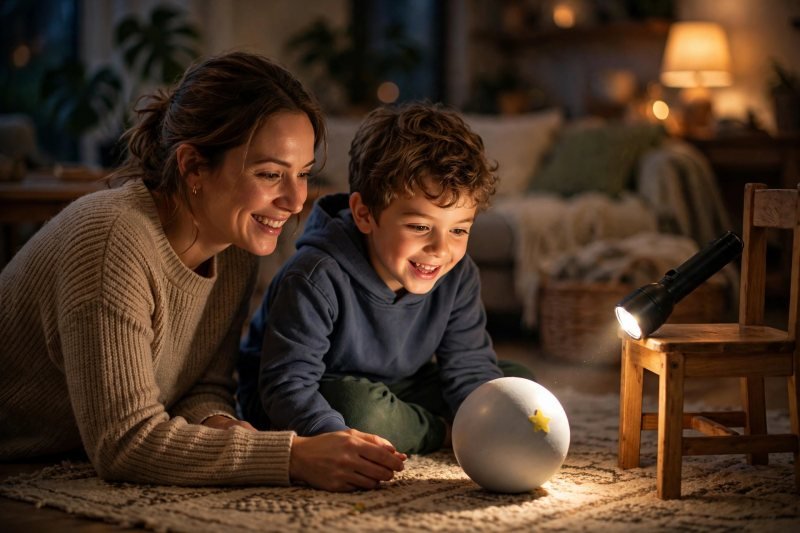
Day and Night for Kids: Simple Explanation + Activity
Day and night for kids: the Earth spins once every 24 hours, so the side facing the Sun has day and the side turned away has night — with a flashlight spin-the-Earth demo.
-
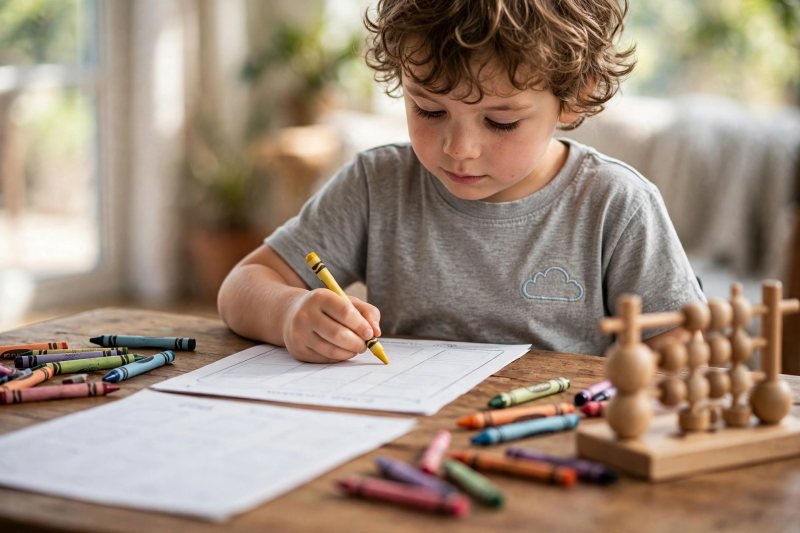
Counting Worksheets for Kindergarten: 15 Printables for Numbers 1–20
Counting worksheets for kindergarten work best as a short daily habit. This 15-sheet printable pack takes ages 5–6 from counting objects 1–10 to confident counting 1–20: count-and-circle, tracing, dot-to-dots, ten frames and missing-number lines — one sheet a day.
-
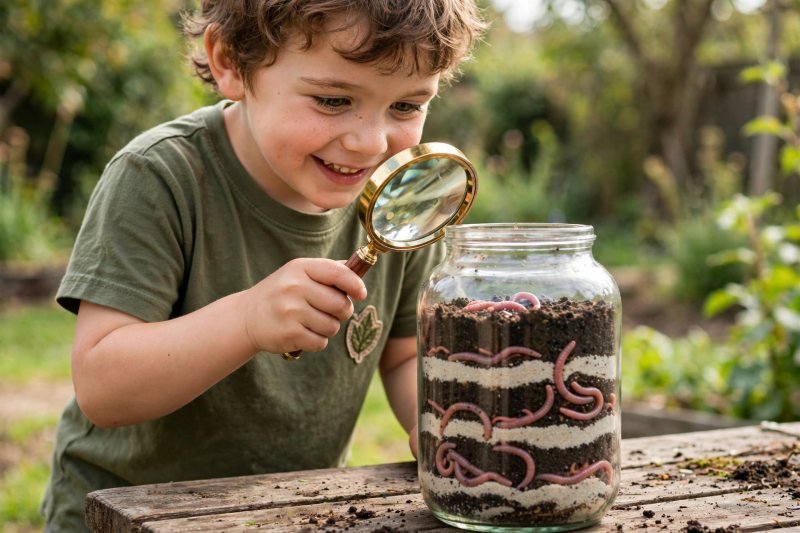
Build a Wormery: Worm Observation for Kids
How to make a wormery: kids layer sand and soil in stripes in a jar, add a few gentle earthworms, and watch them tunnel and eat dead leaves for a week or two.
-
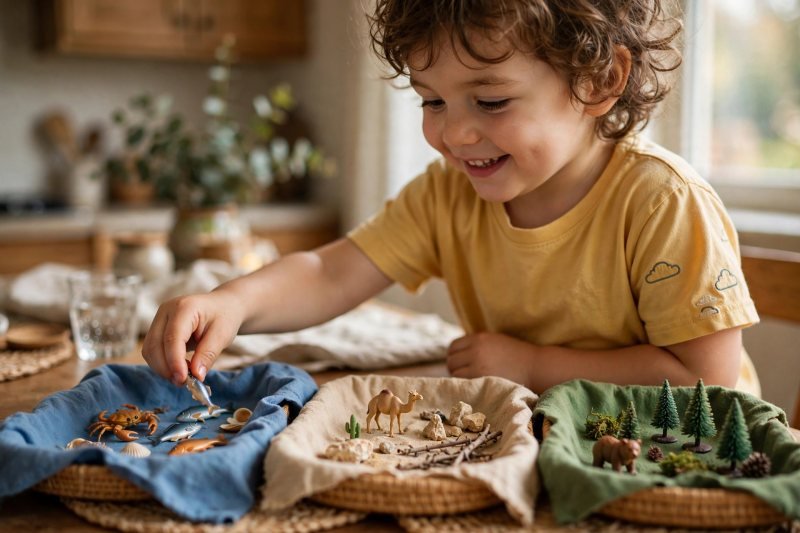
Animal Habitats for Kids: Ocean, Desert, Forest
Animal habitats for kids become a hands-on sorting game: build three simple trays — a blue ocean, a sandy desert, a leafy forest — then sort toy animals into the home where each one really lives. Fifteen minutes of setup, twenty to thirty of play, and real science vocabulary like habitat, saltwater, and nocturnal along the way.
-

Addition Word Problems for Kindergarten: Picture Stories Within 10
Addition word problems for kindergarten, told as picture stories: your 5–6-year-old hears each story, acts it out with counters, draws it, and solves it. Ten ready-to-tell stories, every sum 10 or less.
-

Counting to 20 Activities for Preschoolers: Hands-On Ideas That Work
Ten hands-on counting to 20 activities for preschoolers ages 4–5 that finally crack the tricky teen numbers (13–19). Real objects, movement and play — no worksheets, no flashcards, no pressure.
-

Coin Recognition Activities: Meet the Penny, Nickel, Dime and Quarter
Before kids can count money, they must know the coins. These coin recognition activities teach ages 4–5 to spot the penny, nickel, dime, and quarter by sight and touch — sorting games, a size lineup, and a feel-in-the-bag challenge.
-
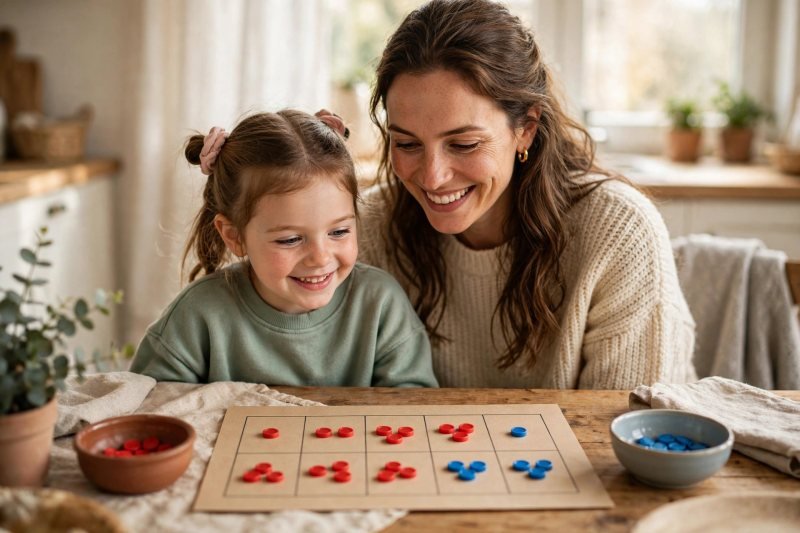
Addition With Ten Frames: A Visual Way to Add Within 10
Teach addition with ten frames step by step: build the first number, add the second in a new color, and read the answer.
-
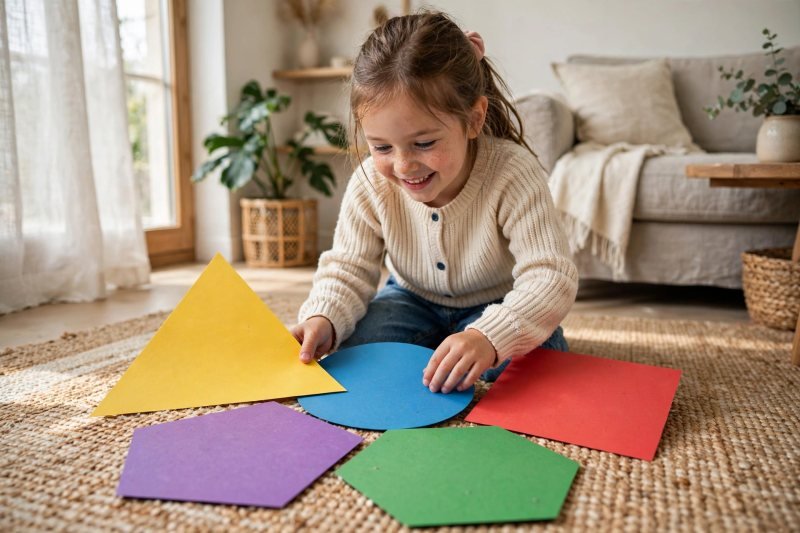
2D Shapes Activities: Names, Sides and Corners
These 2D shapes activities help kids ages 5–6 name shapes like pentagons and hexagons — and count every side and corner to prove it. Ten hands-on ideas, zero worksheets, all the geometry vocabulary a kindergartener needs.
-

Kids' Skincare Routine: Simple Steps for Ages 2–8
A kids' skincare routine doesn't need a shelf of products — just gentle cleansing, moisturizing, and sunscreen. Here is a simple less-is-more daily routine for ages 2–8 that builds healthy habits without the fuss.
-

Preschool Winter Outfits: Cozy Looks for Ages 3–5
Cold mornings run smoother with a plan. These cozy preschool winter outfits for ages 3–5 pair real warmth with growing independence — parent-approved choices, easy layers, and a coat trick kids love.
-

Blending Sounds: How 4-Year-Olds Learn to Read Their First Words
Blending sounds activities for 4-year-olds: a 10-step play session with robot talk, stretchy sounds, finger blending, and first CVC word reading. From robot talk to first words: a gentle 10-step progression that turns separate sounds into real reading.
-

Magic E Words List: 60+ Words That Show the Silent E Rule
A magic e words list for ages 5–6: 81 real words grouped by vowel pattern (a_e, i_e, o_e, u_e, e_e), the simple “magic e makes the vowel say its name” story, a 10-step teaching sequence, and four games that make silent e click. 81 real words grouped by vowel pattern — plus the magic-e story and the 10-step sequence that makes silent e click.
-

Addition Games for Kindergarten: 15 Hands-On Ways to Add to 10
Fifteen hands-on addition games for kindergarten that turn adding to 10 into play. Dice games, snack maths, hopping games and card battles — minutes to set up with things you own, building real number sense, not memorised answers. Play your way to adding to 10: fifteen simple, giggle-filled addition games for 5- and 6-year-olds — no worksheets, no pressure, just real number sense.
-
CVC Words List: 160 Words Your 4–5-Year-Old Can Sound Out
This CVC words list gives you 160 simple, real words your 4–5-year-old can sound out — cat, pen, big, hot, sun and 156 friends — grouped by short-vowel word family so practise feels orderly.
-

Letter Tracing Worksheets for Pre-K: Uppercase and Lowercase A–Z
These letter tracing worksheets give pre-K children clear uppercase and lowercase A–Z practice. Follow the right formation order, keep sessions short, and turn tracing into playful learning with rainbow writing, dot markers and playdough.
-

Sight Words for Kindergarten: The First 40 Words to Master
A friendly, honest guide to the 40 sight words for kindergarten children learn first — what sight words actually are, the full list grouped for practice, and low-pressure games that make learning them stick without worksheets or stress.


