


3-Year-Olds
Activities for 3-year-olds.
Three brings a noticeable jump: activities can have two or three steps, pretend play gets going properly, and a child will sit with something for ten or fifteen minutes if it is the right something.
It also brings firm views about doing it their own way. Activities with a fixed right answer tend to go badly; open ones with no wrong version go well.
Cutting, gluing, threading and sorting all become possible around now, usually messily. Child scissors and a low table are the two things that make the biggest difference.
Activities
-
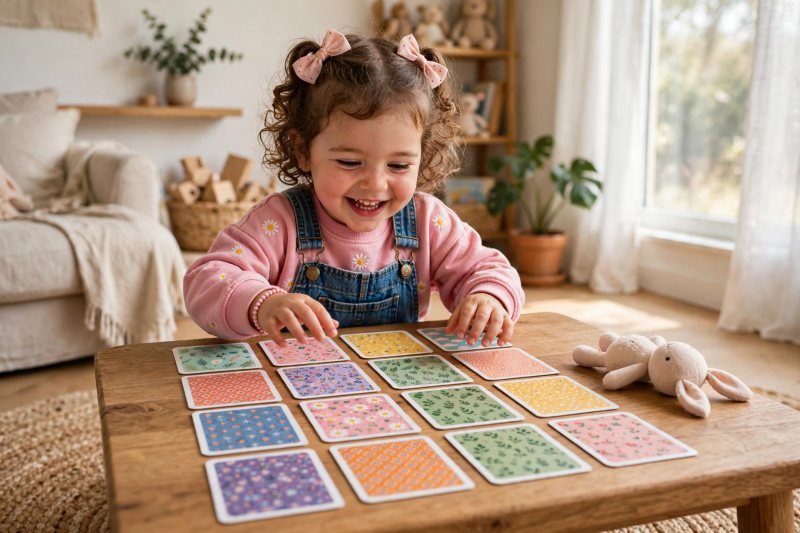
Memory Games for Preschoolers: 16 Classic & DIY Games
Sixteen memory games for preschoolers: 8 classics for ages 3–4 plus 8 no-prep DIY games from things you already own. Build working memory, attention, and turn-taking — start with just two pairs.
-

Preschool Winter Outfits: Cozy Looks for Ages 3–5
Cold mornings run smoother with a plan. These cozy preschool winter outfits for ages 3–5 pair real warmth with growing independence — parent-approved choices, easy layers, and a coat trick kids love.
-
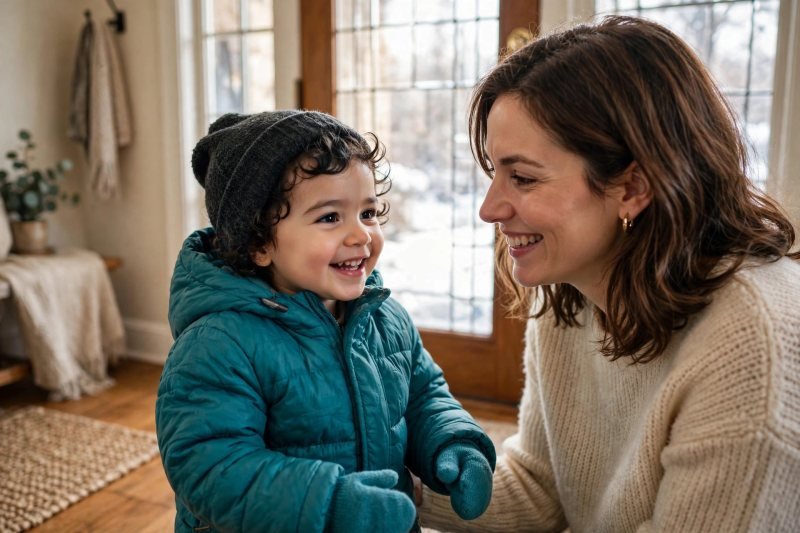
Toddler Winter Outfits: 20 Warm Looks for Ages 2-3
How to dress a toddler for a cold winter day: three warm layers, boots, hat and mittens — plus 20 toddler winter outfits for ages 2–3 built from what's already in the drawer.
-
Alphabet Worksheets for Preschool: What Actually Works at Age 3–4
A practical, honest parent guide to alphabet worksheets for preschool: the worksheet styles that genuinely work at ages 3–4, the ones to skip for now, and how to run calm, happy five-minute sessions — no pressure, no guilt.
-
Letter of the Week Activities for Preschool: A Complete 10-Step System for 3–4-Year-Olds
A complete letter-of-the-week system for preschool at home: how to order your letters, a full sample week of sound games, hunts, sensory play, crafts, snacks, songs and review games, plus a reusable weekly template and progress tracker. Don't try to plan 26 weeks at once — learn one repeatable weekly rhythm and run it for every letter, all year.
-

What Order to Teach Letters and Sounds: Sounds First, Here's Why
Wondering what order to teach letters and sounds in? Sounds come first — they unlock blending and reading. Get the research-backed order plus a 10-step sounds-first session for 3–4-year-olds. Sounds unlock reading — letter names don't. Here's the order that works, and a guided session that teaches it to you and your child in one sitting.
-
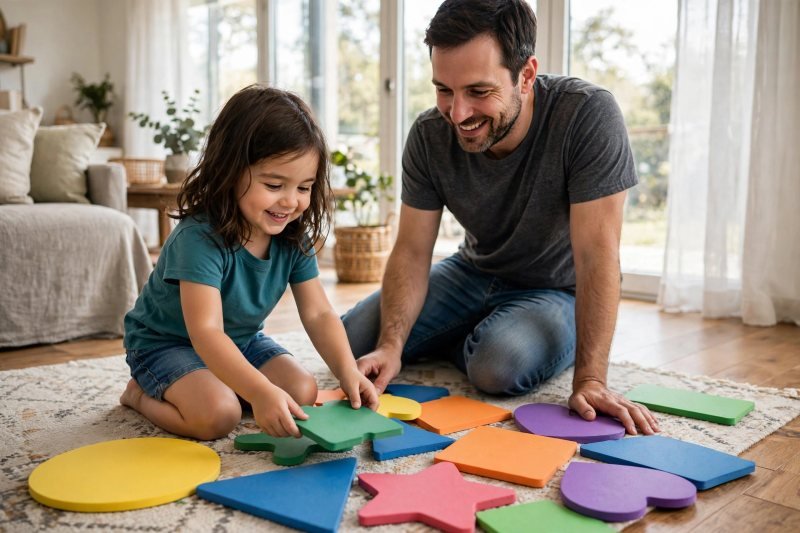
Alphabet Recognition Activities for Preschool: 10 No-Worksheet Games for Ages 3–4
Ten no-worksheet alphabet recognition activities for preschool: one continuous movement-and-sensory game session — letter hunts, stomping, sensory bins, chalk play and a calm-down finish — for 3–4-year-olds. One continuous 10-game session that teaches letter recognition through movement and touch — no worksheets, no flashcards, no sitting still.
-
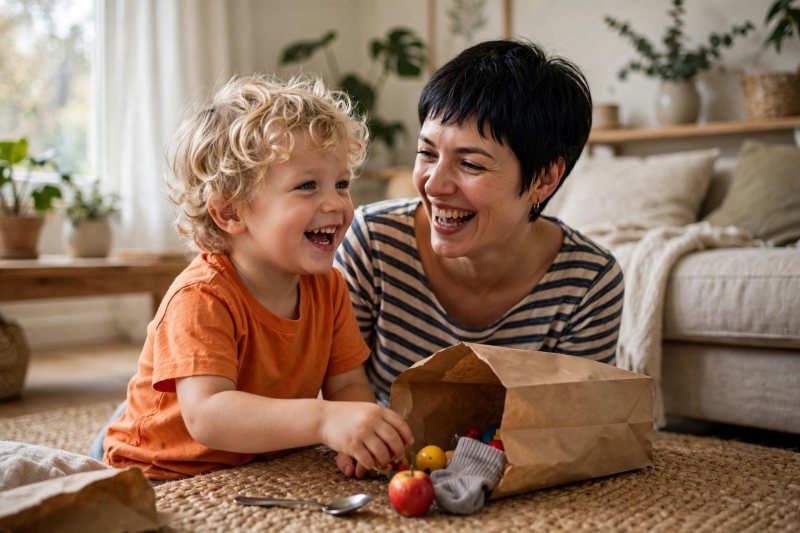
20 Letter Sounds Games in 10 Steps for Preschool
Twenty playful letter sounds games for preschoolers ages 3–4 — listening games, sound hunts, movement play and silly sound fun that build real phonics skills, one joyful step at a time. Twenty joyful games that teach letter SOUNDS — not letter names — through listening, moving, sorting and giggling. No flashcards, no worksheets, no pressure.
-
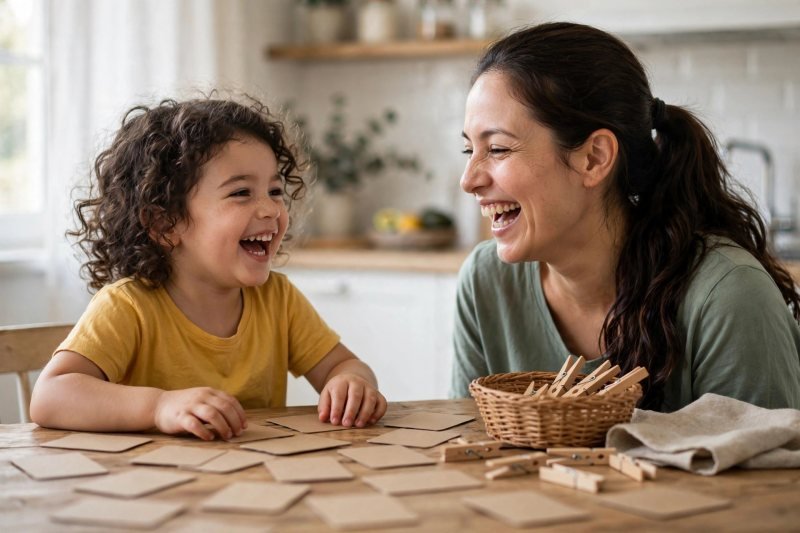
Letter Matching Games for Preschoolers You Can Make in Minutes
DIY letter matching games for preschoolers ages 3–4 — make card pairs, memory flip, clothespin clips and puzzle pieces in minutes, then play ten teaching rounds from first match to letter sounds. Ten teaching steps take you from blank cards to confident matching — card pairs, a memory flip, clothespin clips, puzzle pieces and a room-wide scavenger hunt.
-
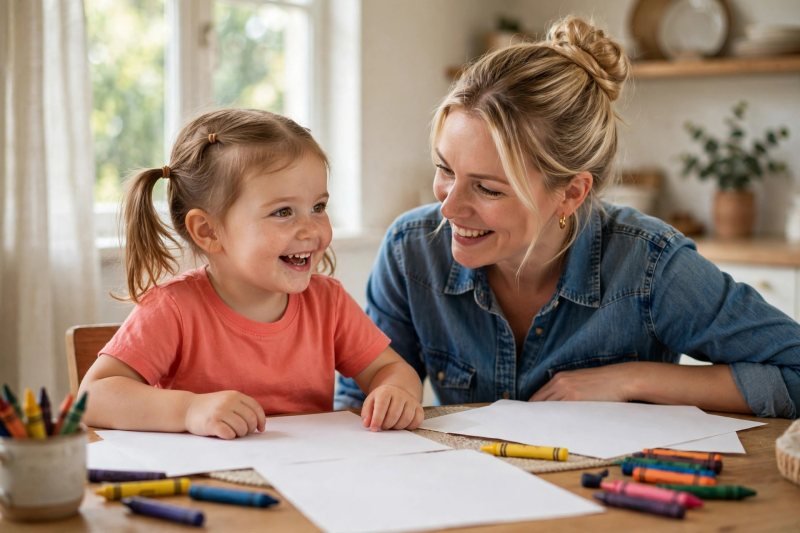
Name Tracing Worksheets for Preschool: A Free Printable Approach for Ages 3–4
How to make and use name tracing worksheets for preschoolers (ages 3–4): build the sheets freehand, follow the finger to crayon to pencil progression, and add practice games that make name writing joyful. Your child's own name is the most motivating word they'll ever write — make simple name tracing worksheets at home and guide your preschooler finger-to-crayon-to-pencil.
-
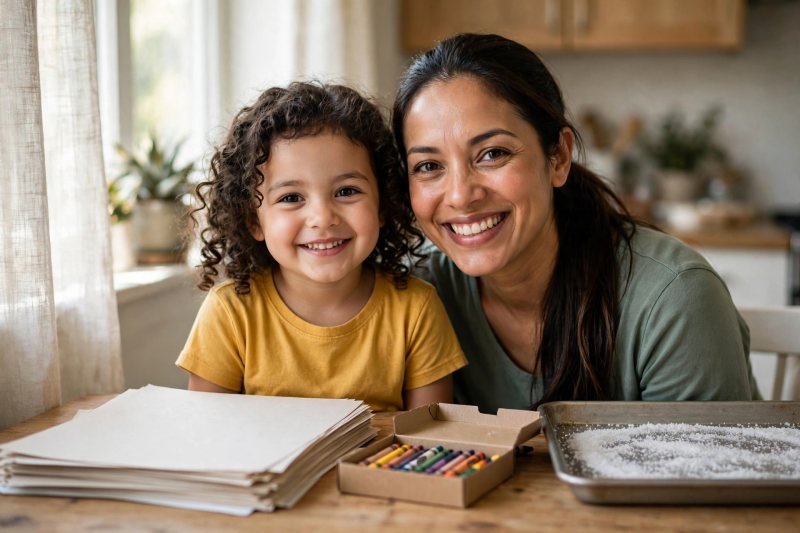
Letter Tracing Worksheets for Preschoolers: Big Letters, Little Hands
One guided letter-tracing session for 3–4-year-olds: warm up with big arm movements and finger tracing, find a comfortable crayon grip, then work a five-page worksheet pack from giant letters to independent writing. From wavy arm-writing in the air to tracing real letters — with a five-page worksheet pack you can make yourself in minutes.
-

Matching Uppercase and Lowercase Letters: 10 Fun Games for Preschool
Matching uppercase and lowercase letters starts with your child's name letters, then sorting trays, memory games and movement play. Ten guided steps for ages 3–4. Ten guided matching games that turn "big A" and "little a" into the same letter in your child's eyes — starting with the letters in their name.
-
Beginning Sounds Activities for Preschool: Listen First, Letters Later
Beginning sounds activities for preschool ages 3–4: one guided 20–30 minute listening session that teaches children to hear first sounds in spoken words — before they ever see a letter. A gentle, joyful listening session for 3–4-year-olds — stretching, sorting, spying and giggling with the first sounds of words. No letters, no flashcards, no pressure.
-
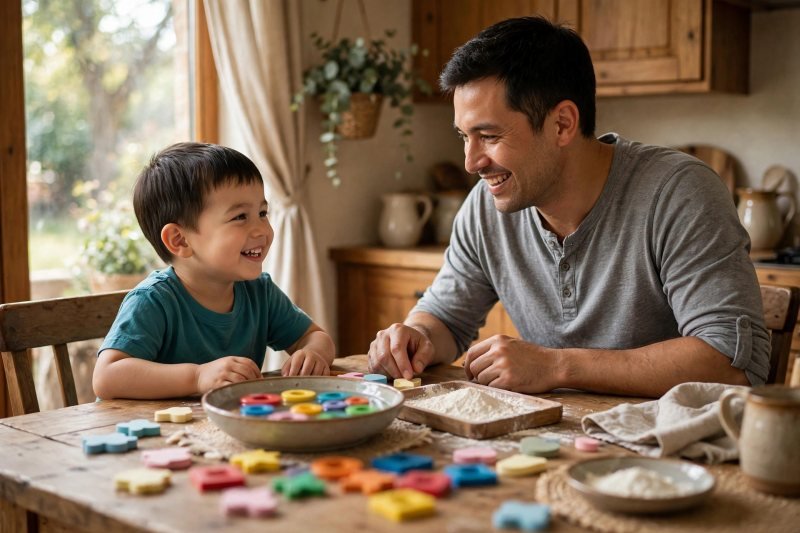
30 Hands-On Letter Recognition Ideas in 10 Steps for Preschoolers
Thirty playful activities for letter recognition for preschoolers: your child learns to identify and name letters through water play, letter hunts, playdough, songs and sorting — no worksheets needed. Thirty playful ideas in 10 guided steps: water play, name games, sensory drawing, letter hunts, sorting, playdough and movement — no worksheets.
-
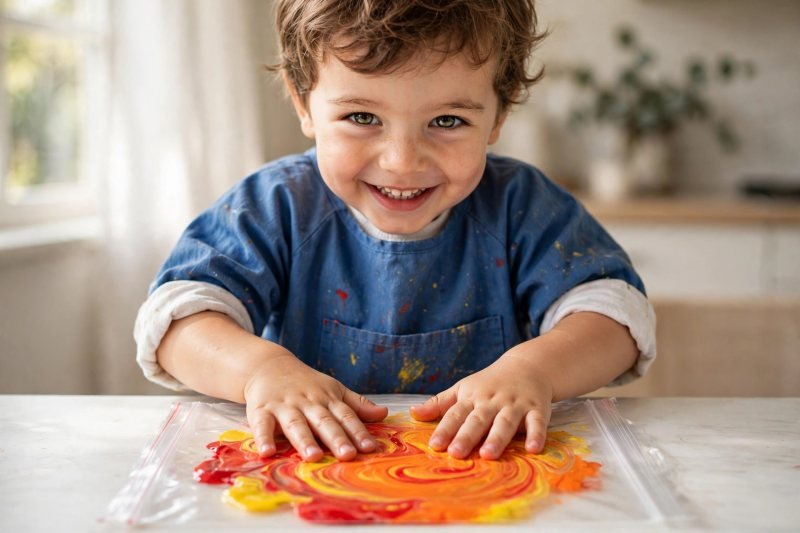
Color Mixing Activities for Preschoolers: 14 Mess-Free Ideas (Ages 3-4)
14 genuinely mess-free color mixing activities for preschoolers ages 3-4: sealed paint bags, dropper trays, milk swirls, bath mixing and more — plus a simple mixing chart, the brown fix, and a 3-minute cleanup promise. Fourteen ways to mix red, yellow, and blue into brand-new colors — with the mess locked inside bags, trays, and tubs
-
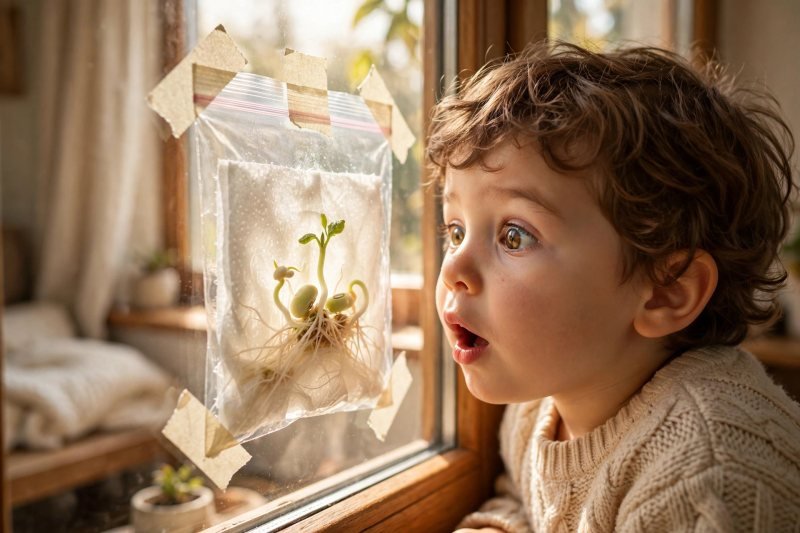
Bean in a Bag: Watch Seeds Sprout for Preschoolers
A no-mess seed-germination experiment: sprout dried beans in a zip bag taped to a sunny window and watch roots and shoots appear day by day. Tape a damp bag of beans to a sunny window and watch the whole life cycle unfold — no soil, no pots, no waiting weeks.
-
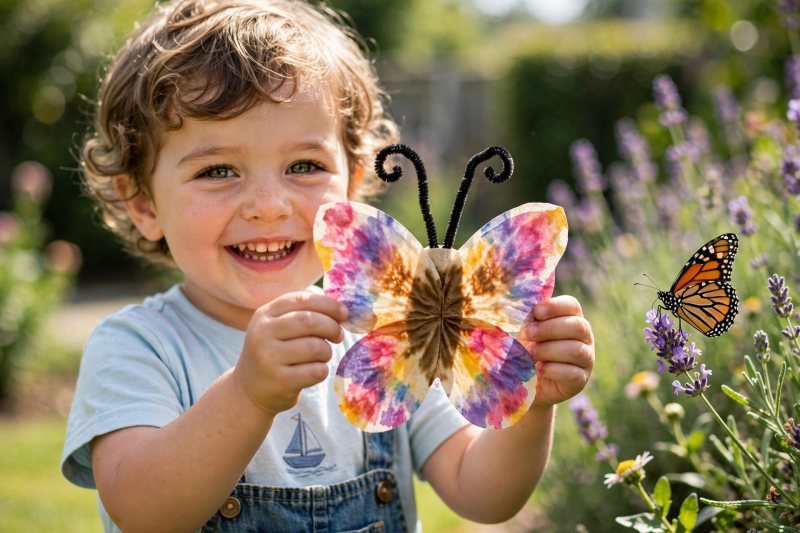
Butterfly Life Cycle for Preschoolers
The life cycle of a butterfly for kids, in words a 3- or 4-year-old can picture: egg, caterpillar, chrysalis, butterfly — with a matching craft or game for every stage, from pom-pom eggs on a leaf to a paper-plate wheel and a backyard butterfly walk. Follow a butterfly from a tiny egg to its first flight — one stage, one craft, and one game at a time.
-
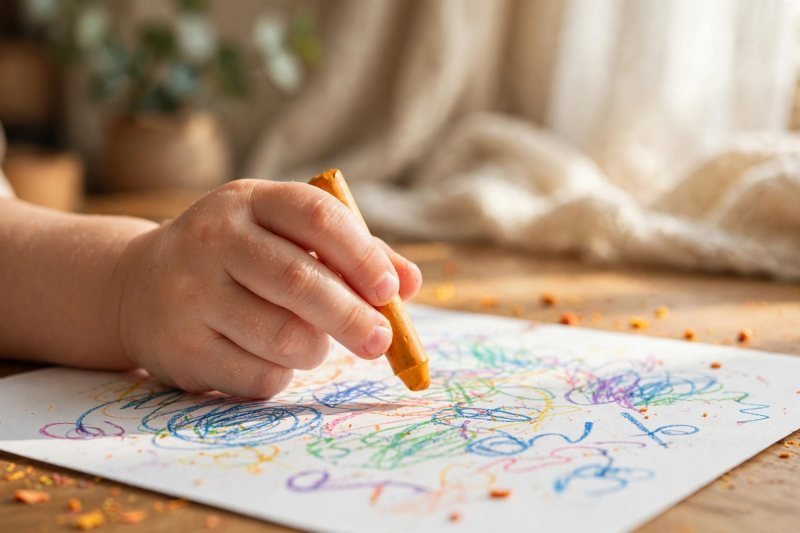
15 Pencil Grip Activities for Kids (Fun Exercises That Actually Work)
Fifteen playful pencil grip activities that build the hand strength and finger control behind good handwriting — tweezers, clothespins, spray bottles, short crayons and more, all using things you already own. For ages 3–4. Playful hand-strengthening exercises that build a confident tripod grip — no worksheets required.
-

Counting Activities for Toddlers: 25 Easy Ways to Start at Home
Twenty-five easy counting activities for toddlers that turn everyday moments into number play. Count stairs, snacks, splashes and socks — no worksheets, no flashcards, no pressure. Just simple, joyful ways to build early maths skills at home from age 2. Start counting today: twenty-five simple, no-prep counting activities for ages 2–3 — woven into meals, baths, walks and playtime.
-
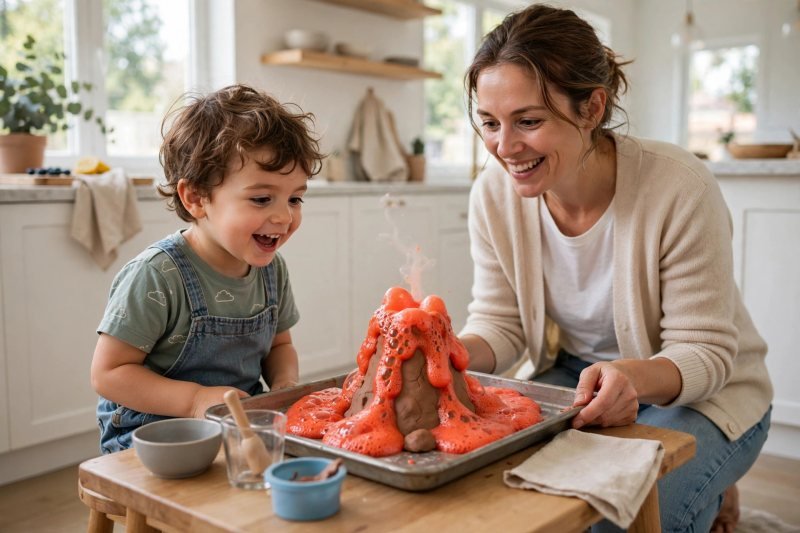
Baking Soda and Vinegar Volcano for Preschoolers
Build a mini playdough volcano and set it fizzing with baking soda and vinegar — a simple preschool science experiment with a contained eruption and endless replays. Build the volcano, erupt it, then do it all again.
-
Homeschool Preschool Curriculum: The 10 Best Options for 2026 (Reviewed by a Parent)
A parent's honest review of 10 homeschool preschool curriculum options for 2026 — what each programme includes, who it suits best, and how to choose without spending a fortune.
-
Alphabet Activities for Toddlers: 25 Simple Ways to Introduce Letters
Twenty-five no-worksheet alphabet activities for toddlers aged 2–3: sensory letter play, songs and rhymes, letter hunts, DIY alphabet books and playful games — all using things families already own. Start with the letters in your child's name.
-
Fine Motor Activities for Preschoolers: 20+ Play-Based Ideas
Looking for fine motor activities for preschoolers that genuinely build writing-ready hands? These 21 play-based ideas — cutting, threading, playdough, tweezers and pincer-grasp games for ages 3–4 — use things you already own and take minutes to set up.
-
20 Easy Thanksgiving Crafts for Kids (Turkey Approved)
Looking for thanksgiving crafts for kids that go beyond the same old handprint turkey? These 20 easy Thanksgiving crafts use things you already have at home — paper plates, toilet rolls, flour, dried beans — and every idea lists the age, the time, and the mess level up front.


