


Reading Fluency for Kindergarten: 8 Activities That Build Speed and Confidence
Eight reading fluency activities for kindergarten: echo reading, puppet story stage, scoop-and-say phrases, sand-timer re-reads, and more. One beloved book, zero worksheets.
Reading fluency in kindergarten means reading smoothly, at a natural pace, with expression — and it grows through rereading familiar books. Echo reading, choral reading, phrase scooping, puppet reader's theater, and short timed re-reads give children the repeated practice fluency needs. Aim for 10–20 minutes daily with a book your child already knows, and celebrate smooth, confident reading.

The short version
- Fluency = accuracy + comfortable pace + expression; it grows through rereading familiar text.
- Eight activities: echo reading, choral reading, phrase scooping, puppet theater, three-time rereads, buddy relay, sand-timer re-reads, recordings.
- Use a book your child already knows — familiar text makes fluency practice work.
- Ten to twenty minutes daily beats one long weekly session.
- Never praise speed alone; praise smoothness, expression, and understanding.
- Age
- Ages 5–6
- Prep
- 10 min
- Play time
- 25 min
- Mess
- None
- Difficulty
- Easy
- Where
- Indoor
Why kids love this
A reading fluency kindergarten session doesn't use harder books — it uses favorite books read again and again until they sound smooth. These eight activities are encore performances of stories your child knows: parrot, choir singer, puppet actor, and story star with a real microphone.
What you'll need
- One beloved short book your child knows well
- 6–8 paper phrase strips and a thick marker
- Two sock puppets or stuffed animals
- A sand timer or kitchen timer
- A phone for recording, plus stickers and a chart
Before you start
1. Pick the "fluency book": a short book your child can already read at least 9 out of 10 words of. Familiar text is the whole point. 2. Copy 6–8 short phrases from the book onto the strips, one phrase per strip. 3. Set up a cozy spot with everything within reach, and agree: we read for fun, and stopping is always okay.
How to do it
-
Warm up with a picture walk. Flip through the book and tell the story from the pictures: "What happens here?" Reading then feels like retelling. Two minutes, zero pressure. Run one 20–30 minute session in this order, rotating two or three activities per session and cycling through all eight across the week.
-
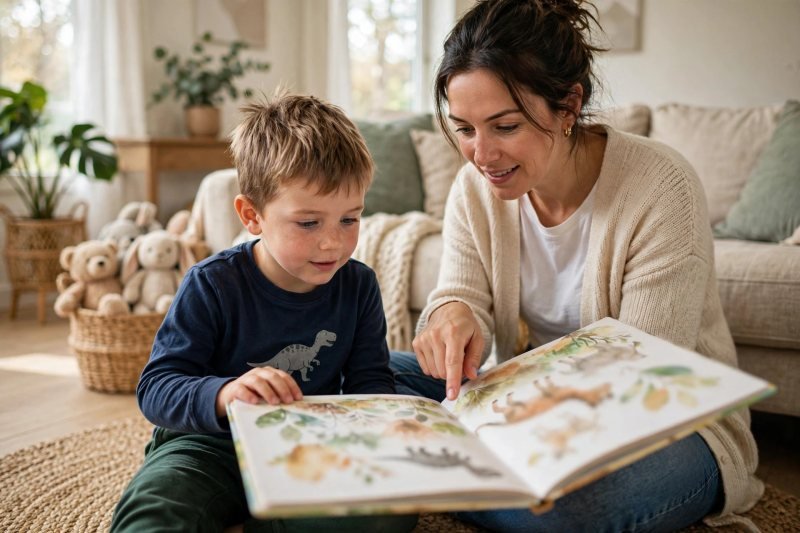
Parrot echo reading. Read one sentence with big expression; your child echoes it back exactly the same way. Parrots copy — no reading pressure, just imitation that teaches the music of fluency. If sounding out is still shaky, warm up with these blending sounds activities first.
-
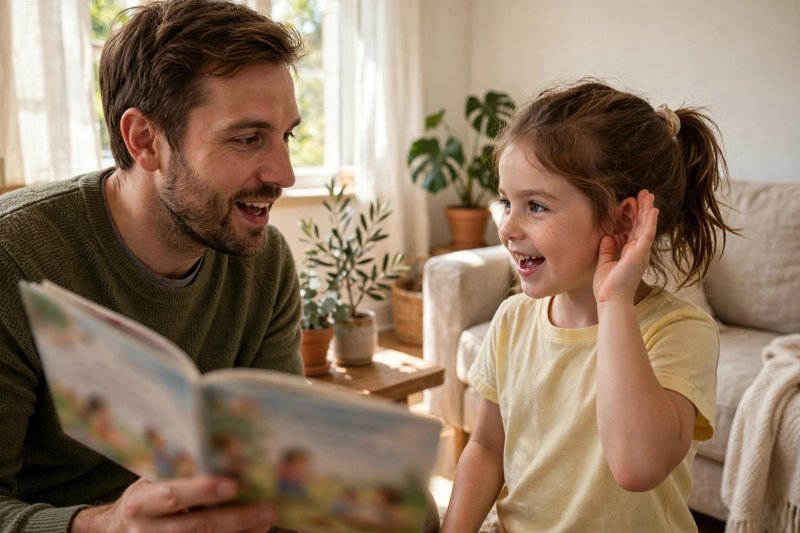
Read it together like a choir. Read the same pages together, out loud, at the same time — you slightly ahead. When they stumble, your voice carries them through. Unbroken flow is the point of fluency.
-
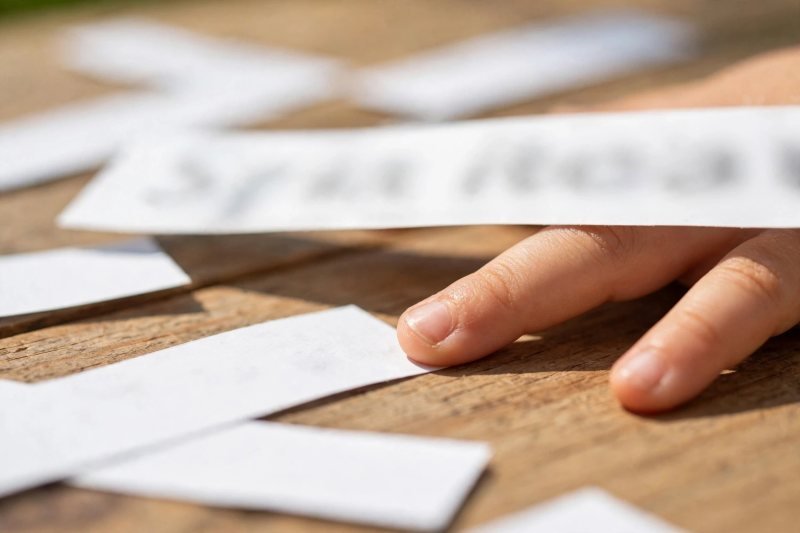
Scoop and say the phrases. Show your child how to "scoop" each phrase strip — one smooth finger swoop under the whole phrase, read as a single chunk. Mix and scoop again. Start scooping with short CVC words — this CVC words for kids guide lists the easiest ones.
-
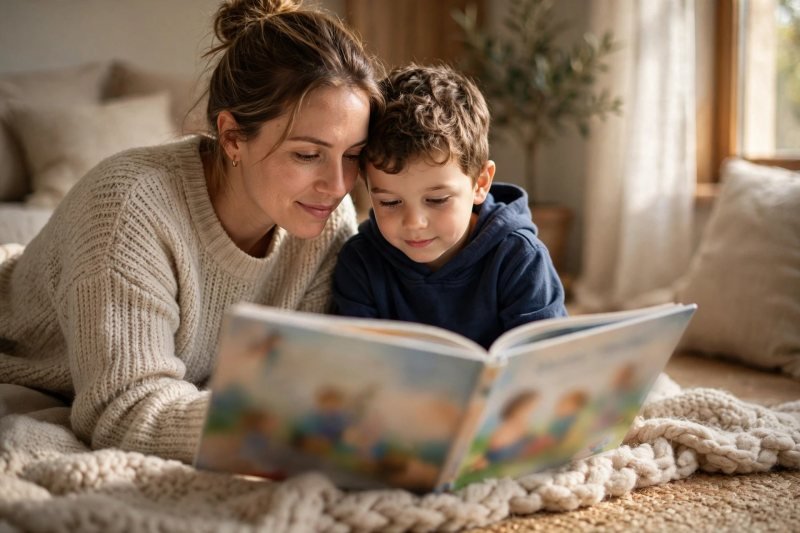
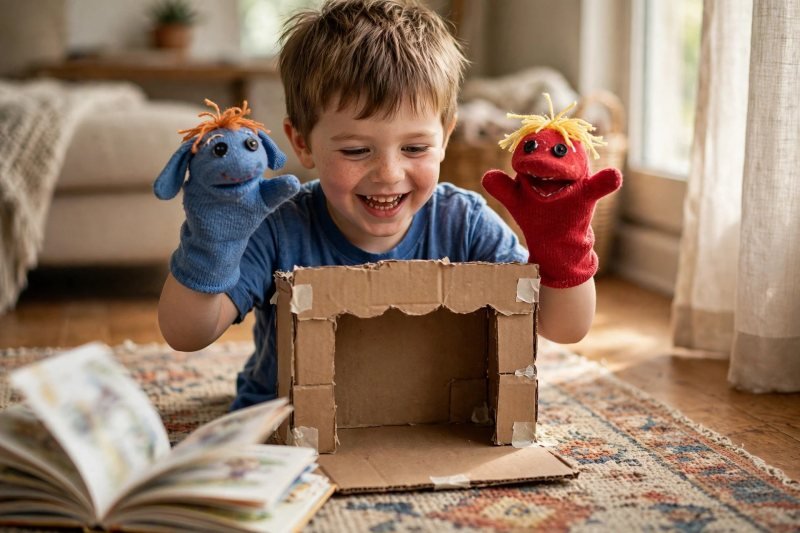
Put on a puppet story stage. Hand your child a puppet, take one yourself, and read the book as a play — puppets speak the lines, you narrate. Performing a line well means happily rereading it two or three times.
-
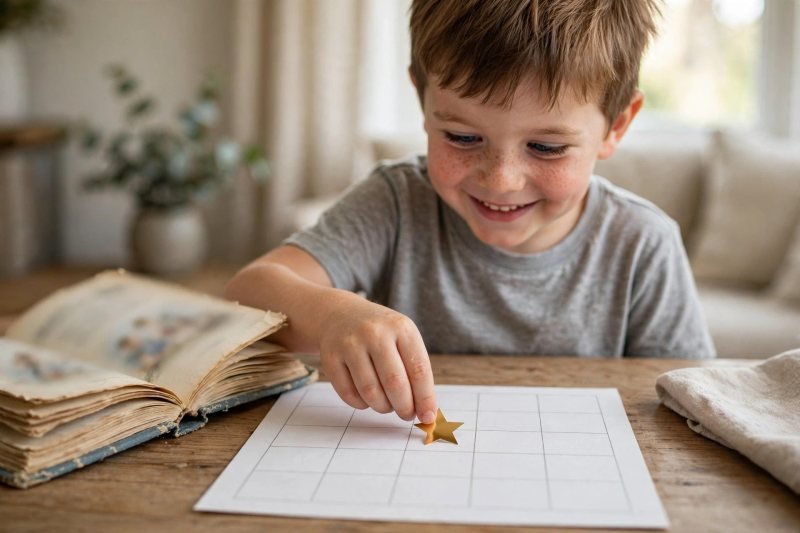
Reread a favorite three times. The heart of fluency: rereading. Read the book once today and add a sticker. Tomorrow, read it again and notice how the second time feels smoother. Three rereads, real flow. Rereading works best when the words are already familiar — our how to teach sight words guide shows how to make new words stick first.
-
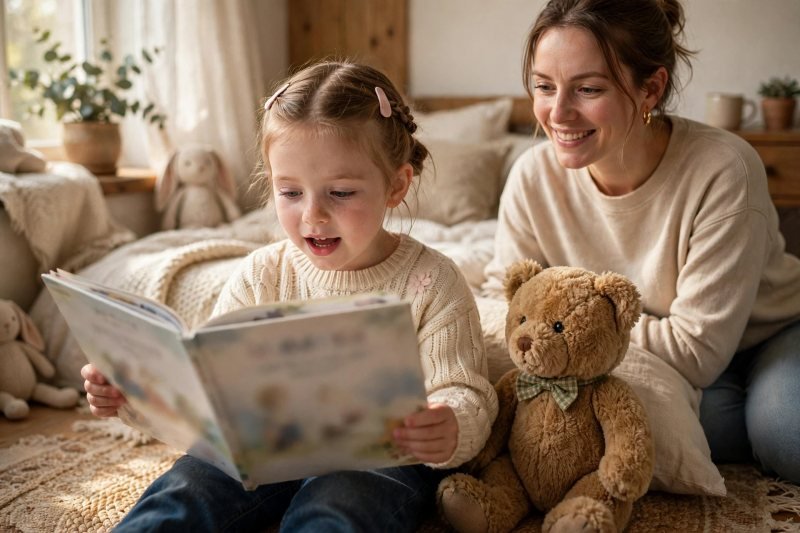
Run a reading buddy relay. You read a page, your child reads the next, back and forth. A stuffed animal can be the "buddy" listening on their pages. Built-in rest breaks grow stamina without tiredness.
-
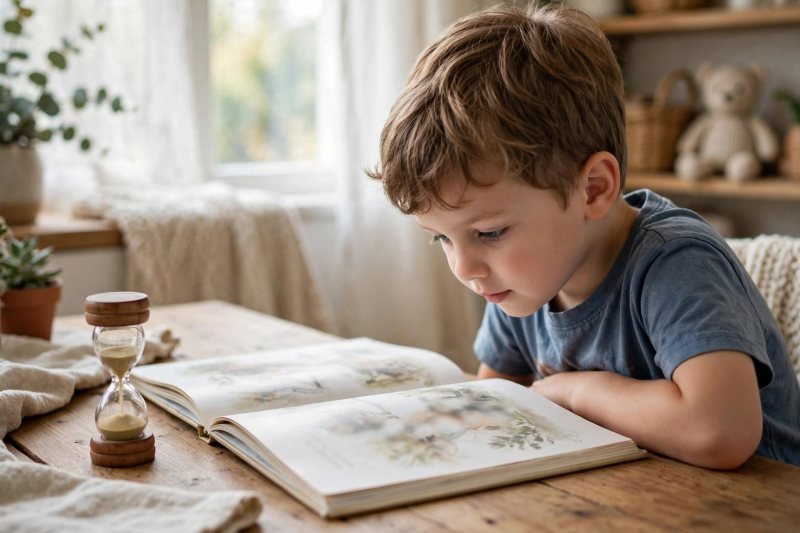
Beat the sand timer. Flip the timer and reread a familiar page. When the sand runs out, mark the spot. Tomorrow, same page — a little further, or more smoothly? A friendly race against yesterday's self only. Turn the timer round into a game with our sight-word games.
-
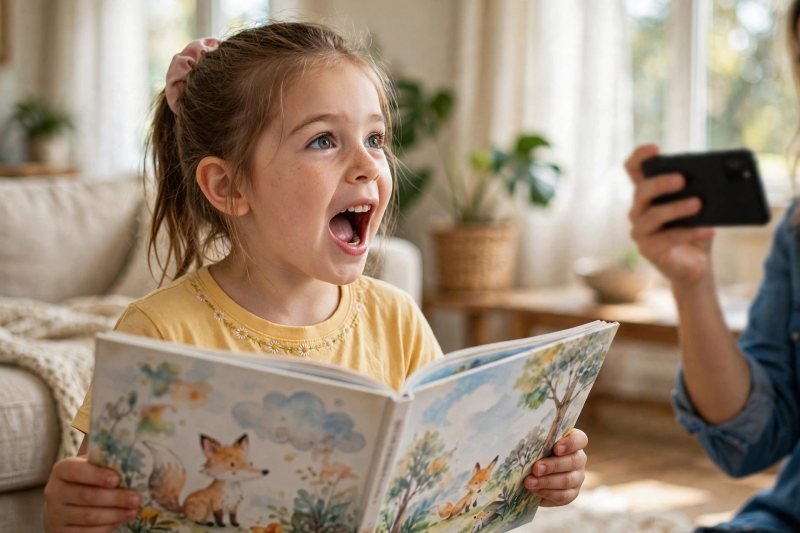
Record a story star reading. Let your child read a page or two into your phone's voice recorder like a story star, then listen back. The choppy first take versus the smooth third take is the most convincing fluency lesson there is.
-
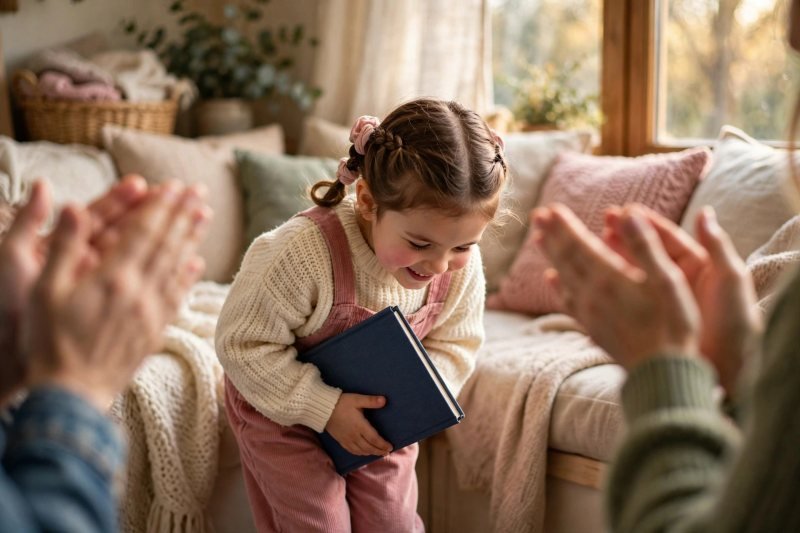
Finish with applause and a sticker. End with applause and one sticker, even on wobbly days. Fluency grows over weeks of happy rereading. Name what sounded smooth: "Did you hear how you read that whole sentence in one breath?" Keep the celebration going tomorrow with CVC word games.


Make it easier
Spend a week on just Steps 1–3; echo and choral reading build plenty alone. Choose a nearly-memorized book — memory is a fine scaffold at this age. Let your child echo you inside every activity instead of reading solo.
Make it harder
Echo whole pages instead of single sentences. Run the puppet stage with two books and more stuffed animals. Record the whole book as an "audiobook" gift for a grandparent.
Other ways to play it
- Car echo: echo-read signs on drives — tiny phrases, giant voices.
- Stuffed-animal audience: line up toys for the puppet stage; performances love a crowd.
- Flashlight reread: reread the favorite book by flashlight under a blanket for a special third read.
How it changes by age
- Yes — if your child can sound out simple words, this is the natural next step: rereading easy, familiar books until they sound smooth. If letter sounds are still shaky, focus on blending first.
What they're learning
Accuracy — reading the words right: the foundation everything stands on. Rate — a comfortable, natural pace, not racing. Expression — phrasing, pauses, voices that fit the story. Phrasing — grouping words into chunks instead of word by word. Stamina — longer stretches without tiring, built gently through rereading.
Clearing up
Does reading faster mean reading better? No — the biggest fluency misconception. Speed means nothing without understanding. A quick reader who can't tell you what happened isn't fluent; a smooth, expressive reader who knows the story is. Praise smoothness and expression, never speed alone. Should I correct every mistake? No. If a mistake doesn't change the meaning, let it go. If it does, wait until the sentence ends, then reread it together smoothly.
Questions parents ask
What is reading fluency in kindergarten?
How can I help my kindergartner read more fluently at home?
Should I correct my child when they read slowly?
What books are best for building reading fluency in kindergarten?
Fluency is a weeks-and-months project, and these eight activities work all year — rotate in a new favorite book every week or two. If sounding out is shaky, pair this with blending sounds activities first (linked in step 2).

save it for later
Pin this for the next rainy afternoon
Keep it on a board so it is there when you need it, rather than when you happened to find it.
Save to Pinterest


