


First 10 Sight Words for Preschoolers: Where to Start (and What to Skip)
Not sure which first 10 sight words to teach your preschooler? This parent's decision guide names the best starter set, the playful ten-step routine that teaches them, and the common mistakes to skip.
The first 10 sight words worth teaching a preschooler are the, I, a, is, my, like, see, we, and, can — all high-frequency Dolch pre-primer words that appear constantly in early books. Introduce two or three at a time through playful games, review them in read-alouds rather than quizzes, and add more only once your child recognizes all ten instantly.

The short version
- The best first 10 sight words are the, I, a, is, my, like, see, we, and, can — short, high-frequency Dolch pre-primer words that combine into real sentences.
- Introduce two or three words at a time; play with them for several days before adding more.
- Teach through games — book hunts, matching, sticky-note searches — never timed drills or quizzes.
- Review by weaving words into everyday reading; forgetting is normal and needs warmth, not pressure.
- Skip giant word lists, tricky irregular words, and any practice that feels like a test.
- Age
- Ages 3–4
- Prep
- 10 min
- Mess
- None
- Difficulty
- Easy
- Where
- Indoor
Why kids love this
Sight words deliver the first moment a child thinks, "I can really read." Not sounding out, not guessing from pictures — reading a word with their own eyes, fast. These ten are everywhere: in bedtime books, on the cereal box, in the "I can" they love to shout. Every spot feels like treasure found, and that "I read that all by myself!" rush turns a wiggly preschooler into a kid who begs for one more book.
What you'll need
- 10 index cards or sturdy paper cut into cards, and one thick dark marker
- Your child's favorite picture books
- Playdough, or a shallow tray of sand or salt (optional)
- Sticky notes (optional)
- A small pouch or envelope for the cards
Before you start
Sight words are the small, hardworking words children recognize instantly — on sight — because they appear on nearly every page of early books. When "the" and "and" are automatic, your child's brain is free for the new, interesting words. Some follow letter sounds; others don't play fair with the sounds a preschooler knows — which is why we teach them as friendly wholes first.
Your child does not need to know letter sounds first. These ten can be recognized by shape and memory before phonics fully clicks, which is why they suit ages three to four. Knowing some letter names helps, but don't wait for alphabet mastery — start with the words.
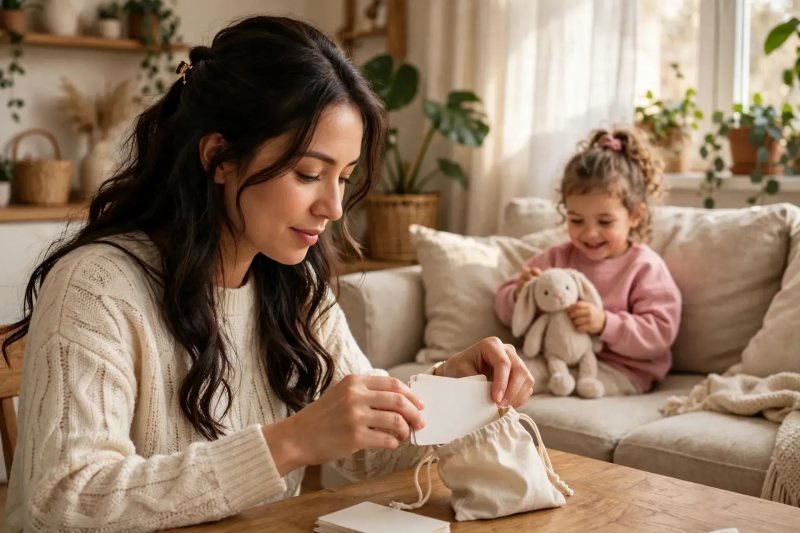
Set up your word cards: 1. Write one word per card in clear lowercase (except "I," always capital). 2. Keep the writing big — readable at arm's length. 3. Start with only two or three cards out; keep the rest in the pouch. 4. Pick a calm five-minute window — after breakfast beats before bed.
How to do it
-
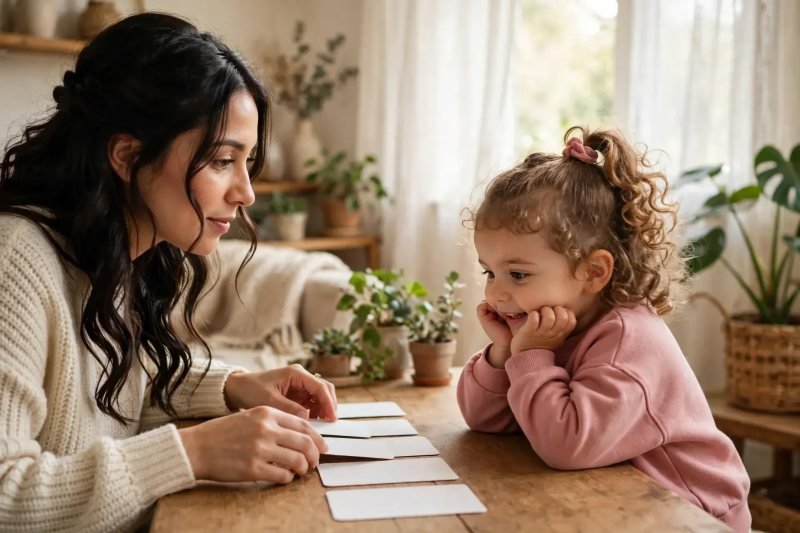
Choose your starting ten. Short, everywhere in early books, and they build real sentences: the (the most common word in early books), I (one capital letter; starts every "I can"), a (tiny and everywhere), is (the engine of "The dog is…"), my (personal: my book, my turn), like ("I like…"), see ("I see…"), we (the togetherness word), and (lets sentences grow), can ("I can read!").
-
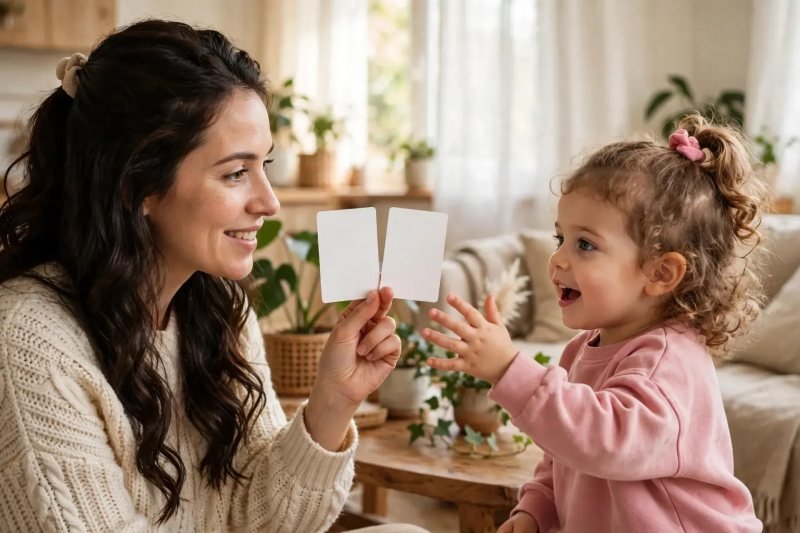
Start with just two or three. Begin with "I," "a," and "the," play with them for several days, then add more. Small batches and early wins keep a preschooler asking for more.
-
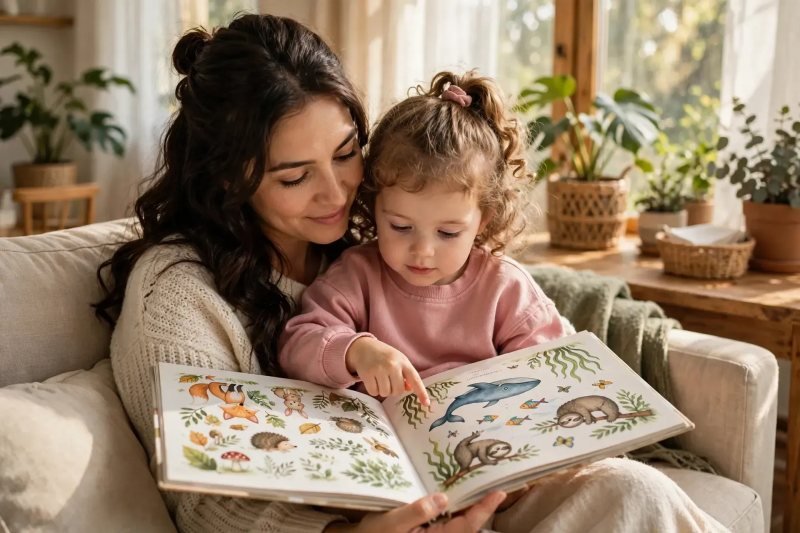
Hunt for the word of the day in picture books. Go "word detective" at read-aloud time: each appearance, your child taps the page or shouts the word. Real books are where learning sticks.
-
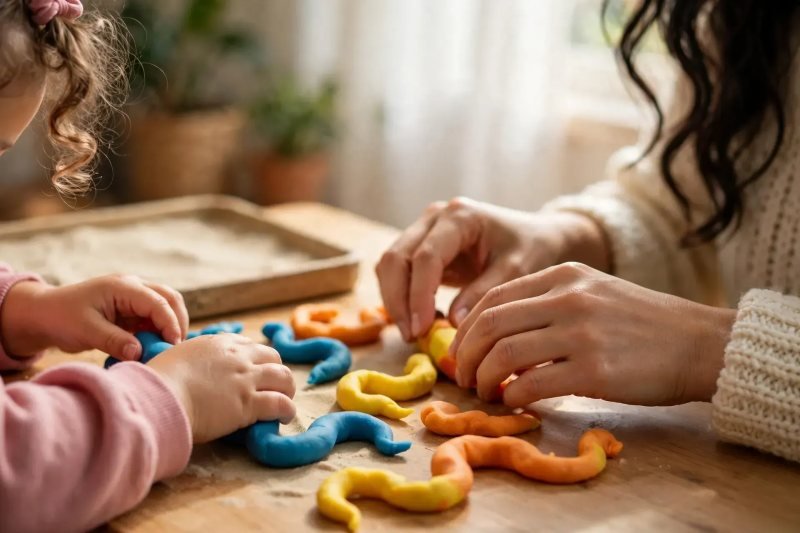
Build the word with your hands. Roll playdough snakes into its letter shapes, or trace it big in a sand tray. It feels like art, not school — and it sticks.
-
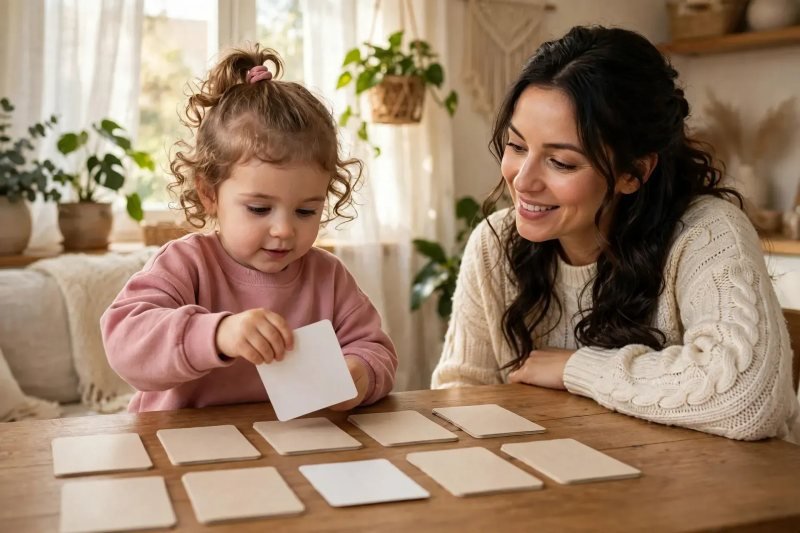
Play a matching game. Two sets of your current words, face-down; flip two, read them together, keep the pairs. The flip's suspense hides a repetition in every turn.
-
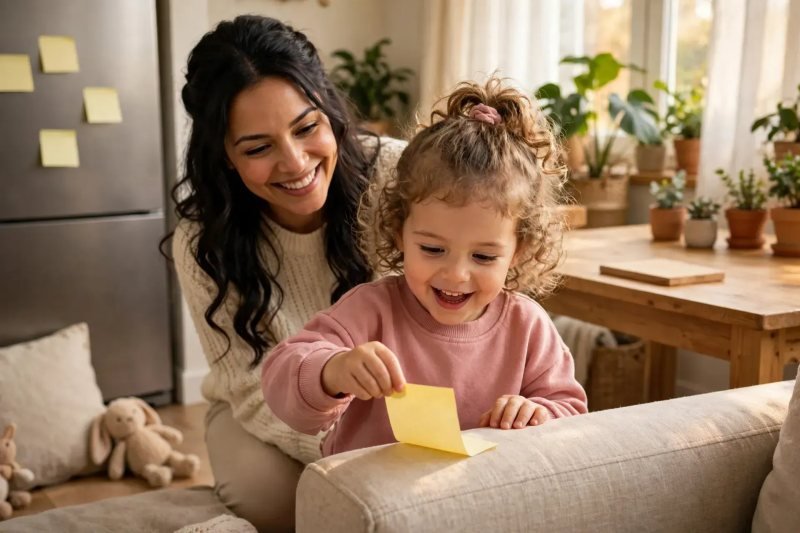
Hide the words on sticky notes. Stick the week's words on the fridge, under a cushion, on a toy. Your child hunts, reads each aloud, and parks finds on a "found it" board.
-
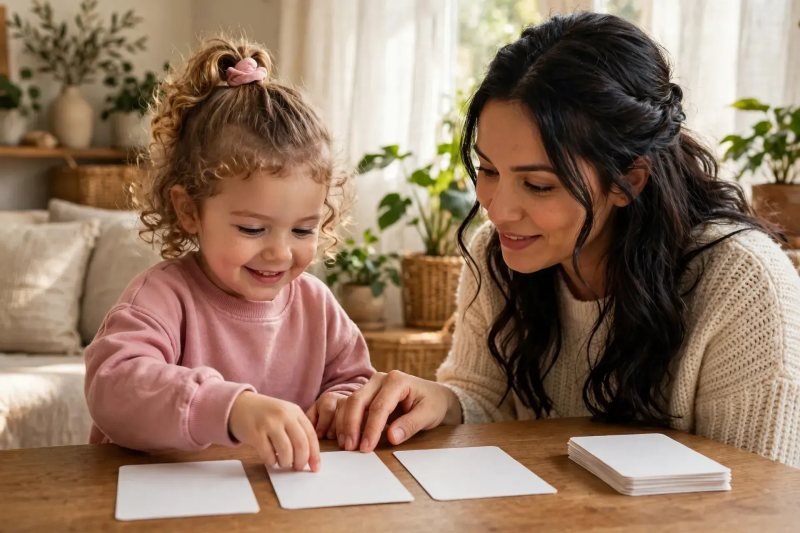
Build tiny sentences. Line up "I" and "like"; your child finishes with a toy or picture: "I like ___." Then "I see ___" and "We can ___." A sentence they built — that's when practice becomes reading.
-
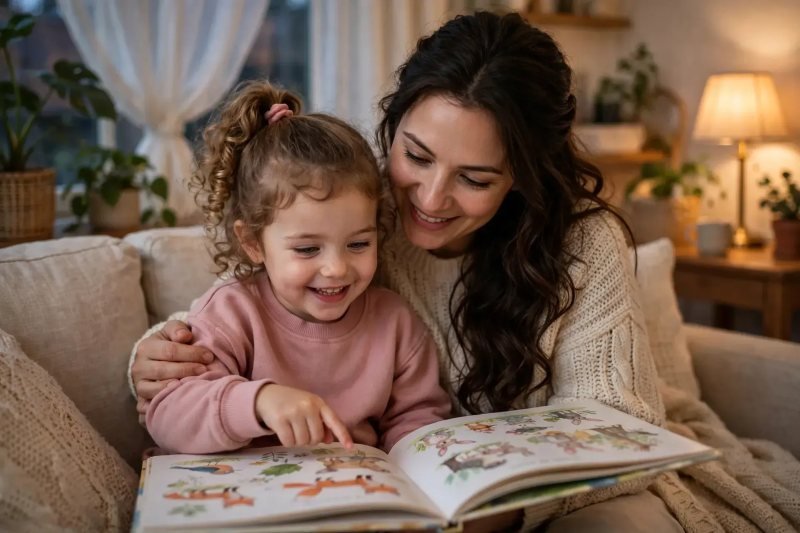
Review through books, never quizzes. Pause when a known word appears and let your child "read" it. If they forget, say it warmly and move on — forgetting is normal, and warmth keeps the door open.
-
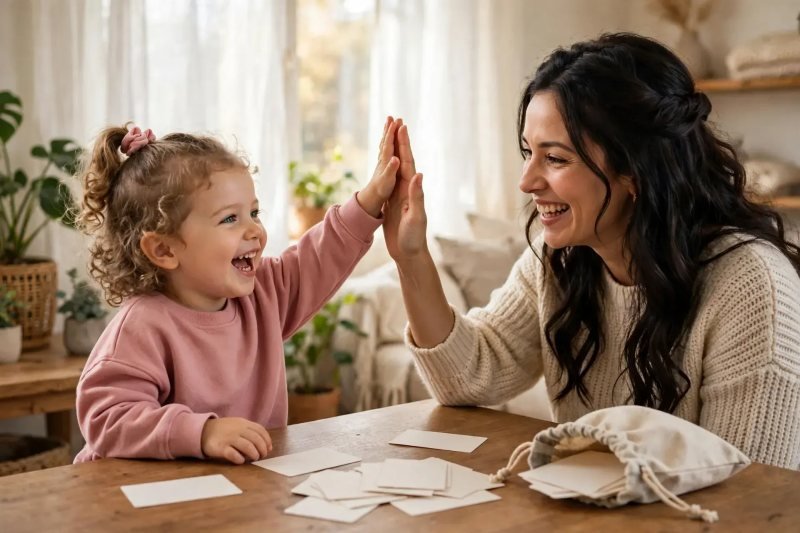
Add more only when these ten are instant. The signs: your child spots all ten without hesitation for a week, notices them on signs, or asks for "more words." Then add two or three — our kindergarten 40-word guide is the natural next step.
-
Skip the four classic traps. Skip the 40-word wall, since giant grids overwhelm and small sets win; hold tricky words such as "said," "where," and "because" for later; drop drill-only flashcards, since practice that feels like a test is one; and ease off pressure, because timed quizzes and correcting every miss teach avoidance, not reading.


Make it easier
Start with only "I," "a," and "the" for the first week or two. You read the word; your child just points to the matching card. Use oversized cards, and pair each word with a silly action.
Make it harder
Your child finds the words in library books unprompted. Spell a word from memory with magnetic letters, or write it with a chunky crayon. Chain cards into longer lines: "I see my…" and let them finish.
Other ways to play it
- Write the words in sidewalk chalk and hop to the one you call out.
- Use bath crayons on the tub wall for a splashy review.
- Play "spot the word" on signs and packaging during car rides.
How it changes by age
- Younger threes: one or two words at a time, five minutes maximum, follow their lead.
- Older fours: up to three new words per round, ten-minute sessions, tiny sentence building.
- Not interested yet? Keep reading aloud daily — a story-soaked child builds more pre-reading skill than any cards.
What they're learning
Instant recognition of high-frequency words — the foundation of reading fluency Print awareness: words read left to right, one at a time Confidence that reading is something they can already do Sentence sense, plus vocabulary in action: like, see, and can in their own speech
Clearing up
Cleanup: cards live in their pouch, ready for tomorrow's five minutes. Always stop while it's still fun — that's when children ask to play again. Already reading these ten? Move up to the kindergarten 40-word guide instead of drilling what's known.
Questions parents ask
What are the first 10 sight words to teach a preschooler?
At what age should my child start learning sight words?
How many sight words should a preschooler learn at once?
What is the best way to teach sight words to a 3-year-old?
Should I teach sight words before phonics?
Which sight words should preschoolers skip at first?
Keep building from these first ten: our sight words for kindergarten page takes the same playful routine into the kindergarten years; the kindergarten sight words list sets out all 52 Dolch primer words with a practice plan; and sight word games turn review into play your child will ask for. For the bigger picture, how to teach your child to read at home shows how sight words fit into early reading, our phonics activities for preschoolers add sound-play to the same five minutes, and the learning hub gathers these starting points in one place.

save it for later
Pin this for the next rainy afternoon
Keep it on a board so it is there when you need it, rather than when you happened to find it.
Save to Pinterest


