


Fry Second 100 Sight Words: Free Printable List
The full Fry second 100 sight words list — words 101–200 in frequency order, grouped in four sets of 25 — with a free printable list and the 10-minute routine that carries your 6-to-8-year-old from the first 100 into fluent chapter-book reading.
The Fry second 100 sight words are words 101–200 of the Fry list, ranked by frequency from over to world — bigger meaning-words like because, different, and animals. For ages 6–8, teach them in four sets of 25 after the first 100 reads instantly: introduce 5–7 words per session with a read-spell-write routine, clap the multi-syllable words, sort rhyme patterns, build silly sentences, and hunt the words in real books.

The short version
- The Fry second 100 sight words are words 101–200 by frequency, from over to world — bigger meaning-words that carry real stories.
- Only start when the first 100 reads instantly on two different days; the second 100 assumes it.
- Teach in four sets of 25, mastering one set before opening the next — never all 100 at once.
- Introduce 5–7 new words per session with a read-it, spell-it, write-it routine, ten minutes a day.
- Clap the multi-syllable words (picture, animals, because), sort the rhyme patterns, build one silly sentence a day.
- Hunt the words in real library books your child picked — the list is a decoder ring, not homework.
- A weekly spelling check and a two-minute speed sort lock the words in long-term.
- Age
- Ages 6–8
- Prep
- 10 min
- Play time
- 10 min
- Mess
- None
- Difficulty
- Easy
- Where
- Indoor
Why kids love this
Your child already owns the first 100 Fry words — the little words that show up everywhere. The second 100 is where reading starts to feel powerful: words like because, different, animals, picture, and America are the load-bearing words of real stories, the ones that carry the meaning. Kids love this list because the payoff is immediate and visible. The moment these words turn instant, the books they're already reading get easier on the same day — a first-grader who can snap-read through, where, should, and again keeps up with the story instead of stalling on it. This routine keeps sessions at ten minutes, turns the tricky multi-syllable words into a clapping game, and ends with a real trophy wall on the fridge. There's also a free printable list of all 100 words, so the whole plan lives on one sheet of paper.
What you'll need
- The free printable Fry second 100 list (one copy — attached as a download with this article)
- Index cards or paper slips and a thick dark marker, if you prefer cards to a printed list
- A pencil for the nightly sort and the weekly spelling check
- A kitchen timer or phone timer
- A highlighter for the book hunts
- A wall chart, poster board, or fridge space for the trophy wall, plus star stickers
- Two or three library books at your child's reading level (early chapter books work beautifully here)
Before you start
1. Test the first 100 before you start. Fan through the first-100 cards or list and have your child read them. If every word is instant on two different days, they're ready. If a dozen or more still wobble, spend two weeks on the first-100 review loop first — the second 100 assumes the first is solid. 2. Print the list and cut it into the four 25s. Cut along the set boundaries (101–125, 126–150, 151–175, 176–200). Keep set 1 on the fridge and sets 2–4 in a drawer, out of sight. 3. Set up the trophy wall. One column per set with 25 boxes (or 25 star stickers waiting). Every mastered word earns a star — the wall is the whole motivation engine for this age. 4. Pick library books together. Let your child choose two or three books they actually want to read. You'll hunt second-100 words inside them later, so their picks matter more than the level label.
How to do it
-
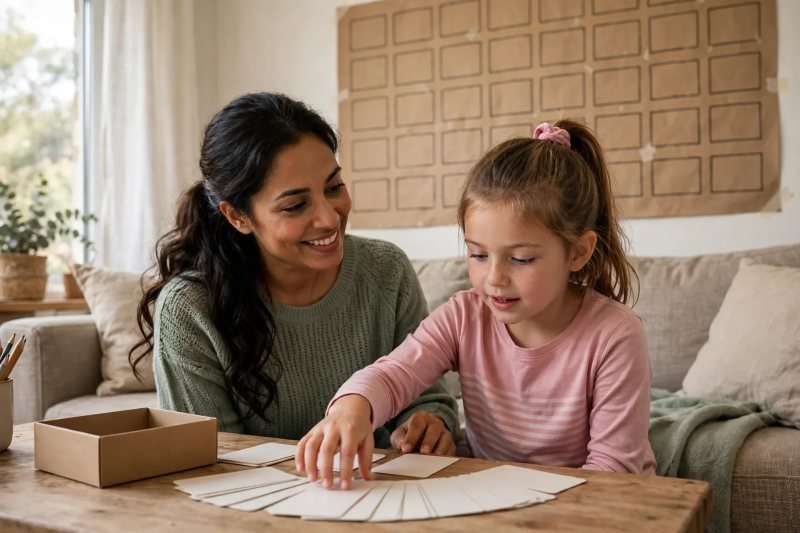
Run the bridge test and open set 1 only. Do the readiness check from Preparation with your child watching — let them see their own score. Then make it a small ceremony: put the first-100 box away ("graduated") and bring out only set 1 of the second 100, words 101–125. Tell them the truth about what's ahead: "These are the next 100 most-used words in English. Most of them are bigger words — the kind that tell you what's happening in the story." Hang the set-1 column of the trophy wall where they can reach it. If the first 100 still wobbles, spend two weeks on the Fry first 100 sight words review loop first. Set 1 (words 101–125): over, new, sound, take, only, little, work, know, place, years, live, me, back, give, most, very, after, thing, our, just, name, good, sentence, man, think.
-
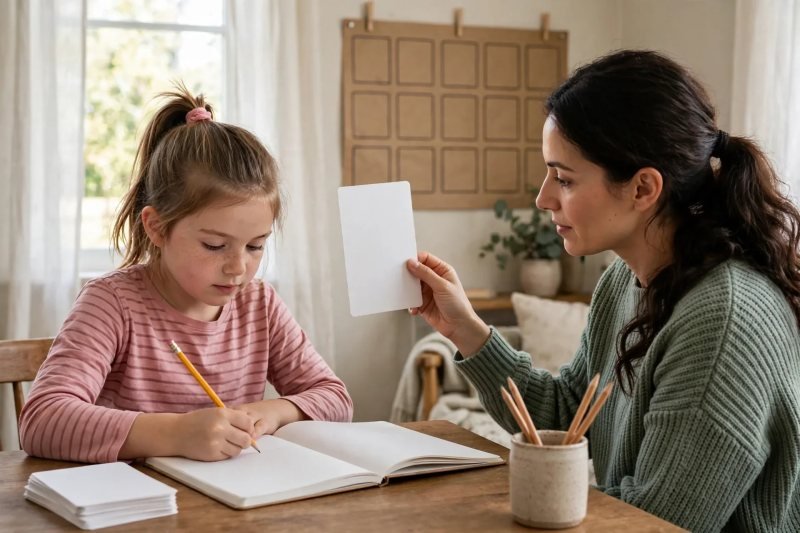
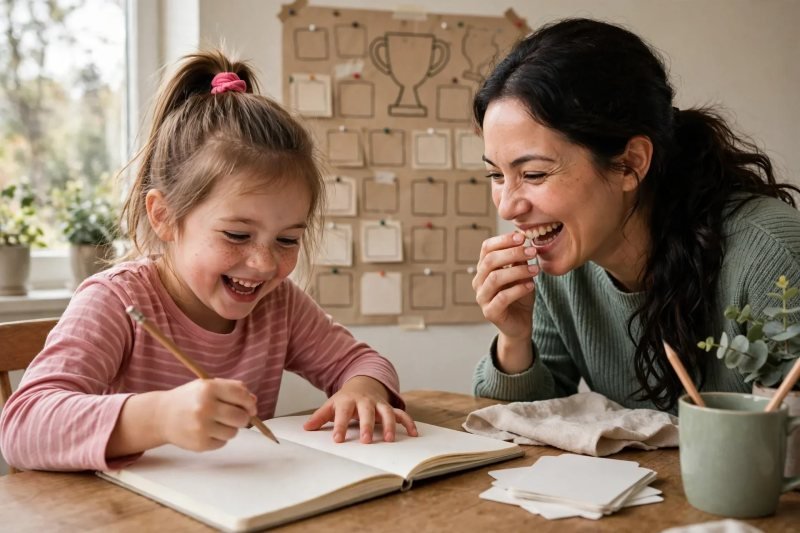
Teach 5–7 new words with read-spell-write. Six-to-eight-year-olds can handle more than preschoolers: introduce five to seven new words per session. For each word, run the 45-second routine: read it (you say it, they repeat), spell it (say the letter names together, then they spell it back to you), write it (they write it once in pencil — writing is what cements a word at this age). Then flip through everything introduced so far, mixing old and new. Instant, confident read = it earns a star on the trophy wall. Any hesitation = it stays in the "learning" pile for tomorrow. Sessions end at ten minutes, even mid-word. New to teaching new words? Our how to teach sight words guide shows the routine in detail.
-
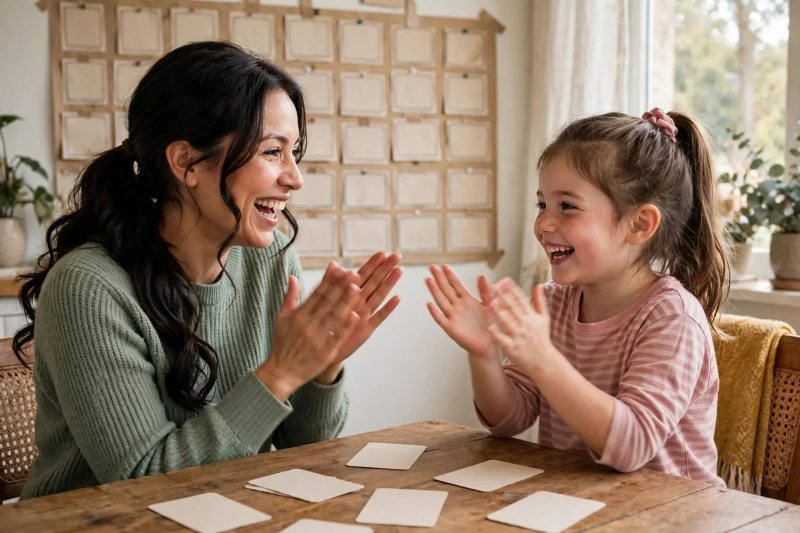
Clap the syllables — the multi-syllable trick. The second 100 is full of two- and three-syllable words (picture, animals, sentence, because, different, mother, letter, America), and syllable-clapping turns them from scary to fun. For each new long word, clap its beats together — pic-ture, an-i-mals, be-cause — then read the word fast while your child keeps the beat with a drum tap on the table. Kids this age love the rhythm, and the clapping teaches the real skill underneath: breaking big words into beat-sized pieces. Once a word reads instantly, the clapping naturally drops away on its own. Set 2 (words 126–150): say, great, where, help, through, much, before, line, right, too, means, old, any, same, tell, boy, following, came, want, show, also, around, farm, three, small.
-
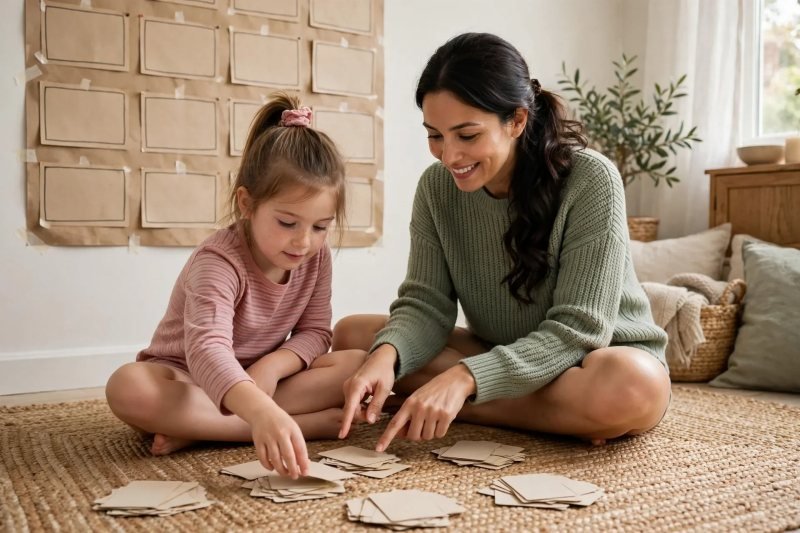
Sort the words into pattern piles. Many second-100 words share spellings, and sorting makes the patterns visible. Spread the week's words face up and sort them into rhyme piles: hand–land, same–came–name, sound–found, spell–well–tell, must–just, such–much, learn–turn. When a pile is done, your child reads the whole pile top to bottom — the shared ending makes each next word easier than the last. This is also where you meet the oddballs: words like through and does that break the patterns. Give those their own "rule-breaker" pile and learn them by pure repetition — every list has a few. More rhyme-pattern play lives in our at-family-words guide.
-
Build a sentence with three mastered words. Pick any three words from the trophy wall and build the silliest sentence possible using all three — then your child writes it down. ("The animals move because the house is too small.") Silly is the point: funny sentences are remembered sentences. Read it back in a dramatic voice. This step turns recognized words into used words, and it's the one step most families skip — don't. One sentence a day is enough. Set 3 (words 151–175): set, put, end, does, another, well, large, must, big, even, such, because, turn, here, why, ask, went, men, read, need, land, different, home, us, move.
-
Hunt the words in a real book. Open one of the library books your child picked and hunt: they scan each page for any second-100 word and tap it with a finger. Keep score on a scrap of paper — one point per find, a bonus point for a word from this week's set. Early chapter books are dense with these words; your child will be tapping because, after, again, through, and where on nearly every page. The hunt proves the list isn't schoolwork — it's a decoder ring for the books they chose themselves. More word hunts live in our sight-word games bank.

-
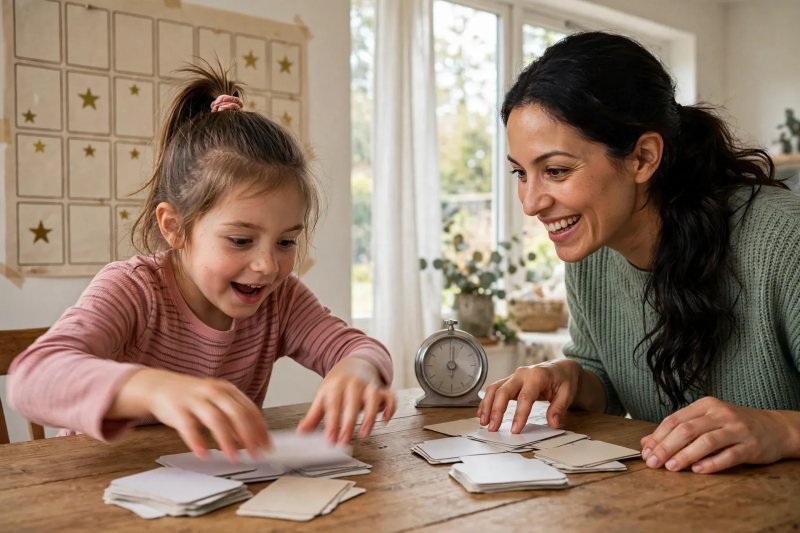
Finish a set, then run the two-minute speed sort. Master set 1 completely — every word starred on the trophy wall, read instantly on two different days — before set 2 comes out of the drawer. When you open a new set, keep the previous set's trickiest five in the nightly loop. Then add the two-minute speed sort: spread the current set's words, start the timer, and your child sorts them into "know it" (instant) and "learning" (any hesitation) as fast as they can. Time it, write the time down, beat it tomorrow. The sort doubles as review and self-monitoring — your child watches their own "know it" pile grow. Set 4 (words 176–200): try, kind, hand, picture, again, change, off, play, spell, air, away, animals, house, point, page, letter, mother, answer, found, study, still, learn, should, America, world.
-
Do the weekly spelling check. Once a week (Friday works well), dictate the week's new words: you say each word, use it in a sentence, say it again, and your child writes it. Circle the misses without fuss and put those words back in the "learning" pile for next week. Spelling is reading's mirror — a word your child can spell is a word they'll never stall on. Expect the multi-syllable words to need two or three weekly checks before they're solid; that's the normal shape of this list.

-
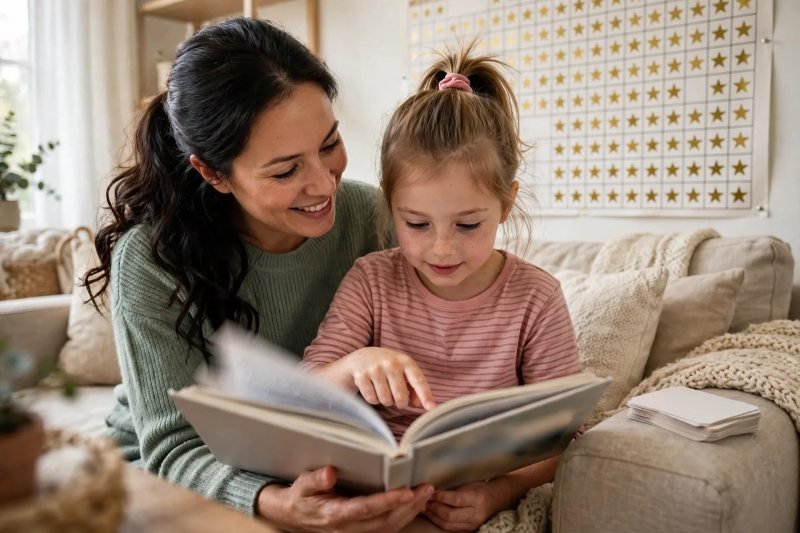
Read a chapter book together, tag-team style. At the halfway point (50 words starred), start tag-team reading: your child reads every word they know, you read the rest, and you never stop for a lesson mid-story. With 50 second-100 words plus the whole first 100, they'll be carrying real sentences now. The story carries the practice — ten pages of a book they love is worth more than ten minutes of cards. Keep the nightly word routine going, but let the book be the reward, not the homework. For the full path from first words to chapter books, our how to teach your child to read guide walks through it.
-
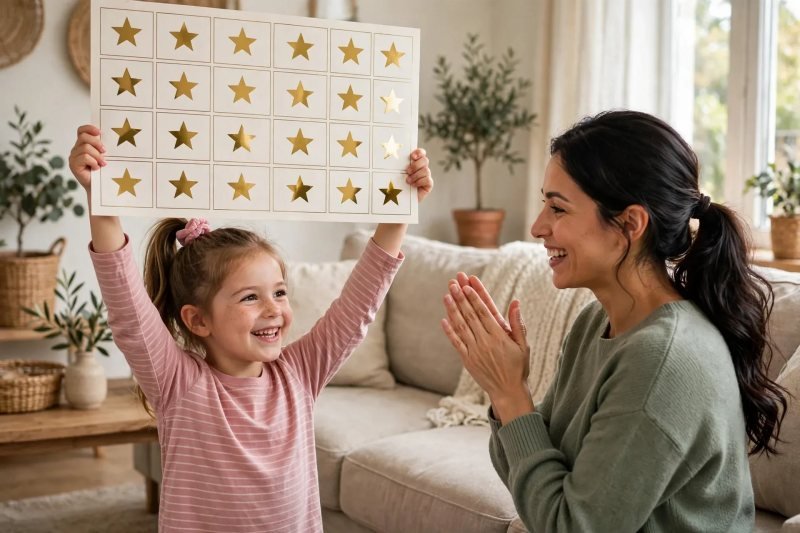
Star all 100, celebrate, and peek at the third 100. When the trophy wall is full — 100 stars, every word instant — celebrate properly. This is a bigger deal than the first 100: your child now recognizes the 200 most useful words in English. Take the photo, put the sticker on the calendar, and let them pick a brand-new chapter book as the prize. Then peek at the third 100 together (words 201–300): every, near, add, food, between, own, below, country… — it's waiting whenever they're ready, and there's no hurry. A six-to-eight-year-old who truly owns 200 Fry words is reading with the wind at their back.


Print it out
Make it easier
Cut new words to three a session. If five new words feel heavy, three is fine — the routine just runs longer. Slow and solid beats fast and shaky. Keep the cards, skip the writing. If writing a word is the hard part, do read-spell only for a week and add writing when spelling feels easy. Clap before you read. For a word that keeps wobbling, go back to syllable-clapping for two days before trying instant reading again. Park a set, don't push through. If set 2 stalls, spend a week re-running the set-1 speed sort. The frequency order means set-1 words matter more anyway.
Make it harder
Timed full-set runs: read all 25 current-set words against the clock, three days in a row, and chart the times. Scrambled spelling: you say a mastered word's letters in scrambled order and your child names the word. (e-r-u-t-c-i-p… "picture!") Story hunt with a timer: five minutes, one book, count how many second-100 words they can tap. Beat yesterday's score. Illustrate the sentence: the silly three-word sentence gets a drawing. The picture cements the words.
Other ways to play it
- Car edition: keep the current set's words on a single printed strip in the back seat — red-light reading at every stop.
- Sidewalk edition: write the week's words in chalk on the driveway, big, one per square, and read them on the way to the mailbox. Rain is the eraser.
- Sibling edition: an older sibling runs the speed sort as the "referee" with the timer. They get review practice whether they admit it or not.
- Stuffed-animal edition: the plush toys are the "class" and your child teaches them the pattern piles — teaching is the deepest practice there is.
How it changes by age
- Sixes (early first grade): five new words a session max, ten-minute sessions, keep the timer friendly. Expect the full 100 to take three to four months.
- Sevens: the full plan fits well — up to seven new words a session, ten-minute sessions, speed sorts and spelling checks included. Two to three months is typical.
- Eights: often move fast through sets 1–2 (many words are already half-known from reading) and slow down in sets 3–4, where the multi-syllable words cluster. Let the pace follow the words, not the calendar.
- Ready signs: reads the first 100 instantly, reads simple sentences, shows interest in longer books. If the first 100 isn't instant yet, start there — this list assumes it.
What they're learning
The Fry second 100 sight words are words 101 through 200 of the Fry Instant Word List, the published list of the 1,000 most frequent words in written English created by reading researcher Edward B. Fry. They run in frequency order from over (101) to world (200). While the first 100 are tiny connector words, the second 100 are bigger meaning-words — because, different, animals, picture, through, should — the vocabulary that carries actual stories. The Fry list is traditionally taught in sets of 25, and the widely published reference figure holds that the first 300 Fry words cover roughly 65% of printed text — so this second hundred is a genuine leap in reading power. High-frequency word recognition: words 101–200 are the next most useful words in English after the first 100, and they carry the meaning in real stories. Multi-syllable decoding: clapping and reading two- and three-syllable words builds the chunking skill behind all fluent reading. Spelling patterns: sorting rhyme piles teaches the shared endings that make new words predictable. Sentence-level fluency: building and writing sentences moves words from recognition into real use. Self-monitoring: the speed sort trains children to notice instantly what they know and what needs work.
Clearing up
The second 100 is not a phonics replacement. Many of these words are decodable, and the pattern piles lean on that — but the list works best alongside phonics practice, not instead of it. Don't start here. This list assumes the first 100 read instantly. Starting the second 100 on a shaky first 100 is the single most common reason families stall. Multi-syllable words take longer. Picture, animals, because, different need more repetitions than me or back — that's the words, not your child. Speed is a game, not a test. The speed sort is for fun and self-tracking. If timing creates tears, drop the timer and keep the words. Small print differences exist between Fry printings. A few words appear singular in some printings and plural in others (year/years, thing/things, mean/means, follow/following, ask/asked, animal/animals, letter/letters), and one source prints farm where another prints form. Teach whichever form your list uses — the reading skill transfers either way.
Questions parents ask
What are the Fry second 100 sight words?
What are the second 100 Fry words in order?
How do I know if my child is ready for the second 100?
Are the Fry second 100 the same as second-grade sight words?
How long does it take to learn the second 100?
What comes after the Fry second 100?
The Fry second 100 is presented here in the standard published frequency order (words 101–200). Several published versions of this list circulate online with small differences, so the majority reading is used throughout and the variants are noted above. The free printable list of all 100 words, grouped in the four sets of 25, is attached as a download with this article (via the CMS Downloads repeater at publish time). If your child's school uses the Dolch list instead, most of these words appear there too — the Fry order just teaches the most frequently used ones first.

save it for later
Pin this for the next rainy afternoon
Keep it on a board so it is there when you need it, rather than when you happened to find it.
Save to Pinterest


