


Draw Round Their Hand and Keep It
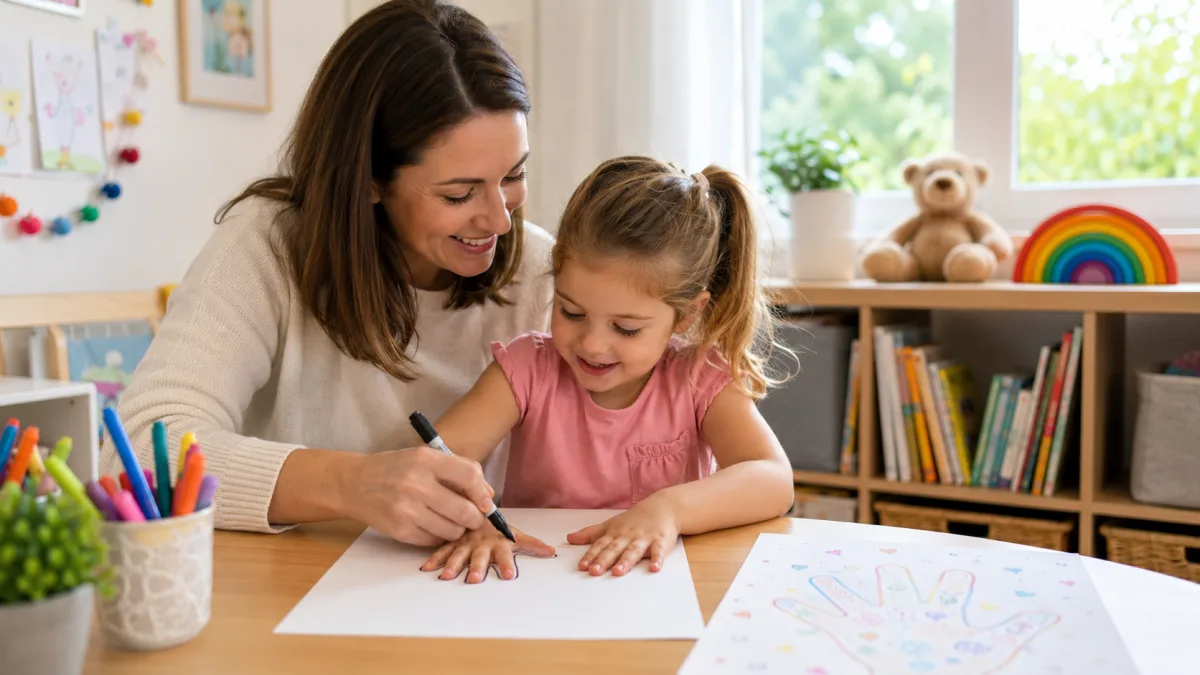
One sheet, once a year: their hand, their height, and three things they can do now that they could not last year.
An annual record made by drawing around a child's hand and writing down three new things they can do. Takes 15 minutes once a year and needs only paper and a pen.
The short version
- Same size paper, same folder, every year.
- Write their answers in their own words, not tidied up.
- Hold it next to last year's — that is the moment.
- Age
- Ages 2–8
- Prep
- 2 min
- Play time
- 15 min
- Mess
- Low
- Difficulty
- Easy
- Where
- Indoor
Why kids love this
Being asked what they can do now is a rare and welcome question, and children answer it with enormous pride. Comparing this year's hand to last year's is the part that stops everybody in their tracks.
What you'll need
- A sheet of paper, the same size each year
- A pen or pencil
- Colouring pens
- A tape measure, if you want their height too
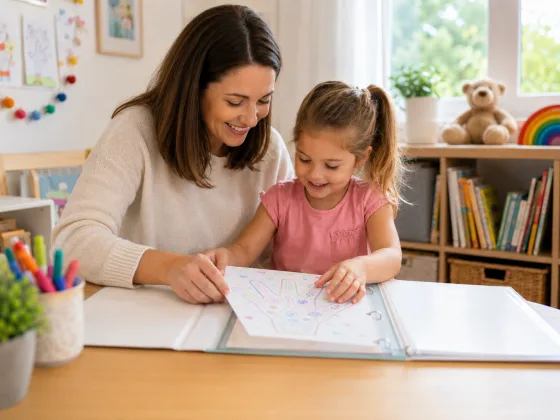
- A folder or envelope to keep them in
Before you start
Find last year's sheet first if you have one. The comparison is the whole point. Use the same size paper every year so they stack neatly.
How to do it
-
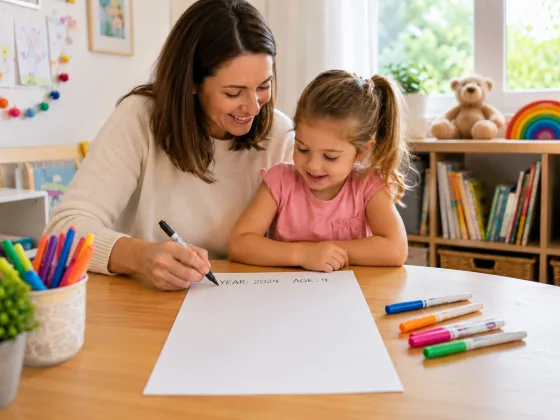
Write the year and their age at the top of the page.
-
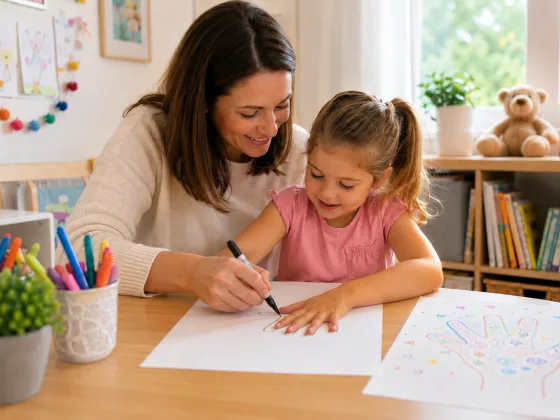
Draw round their hand in the middle of the sheet.
-
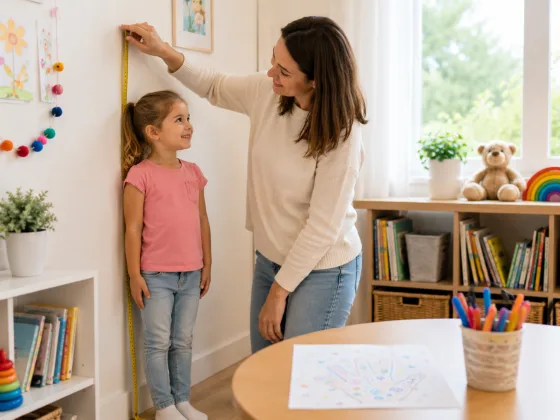
Measure their height and write it down.
-
Ask: what can you do now that you could not do last year? Write down three things exactly as they say them.
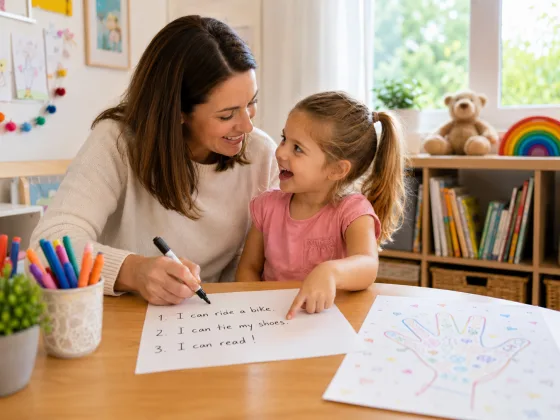
-
Ask what their favourite thing is at the moment — food, colour, book, person.
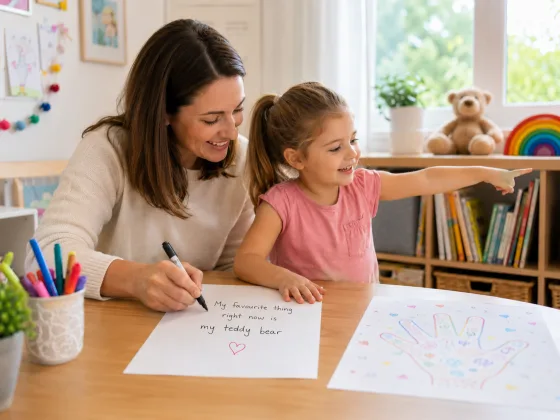
-
Let them colour the hand in however they like.
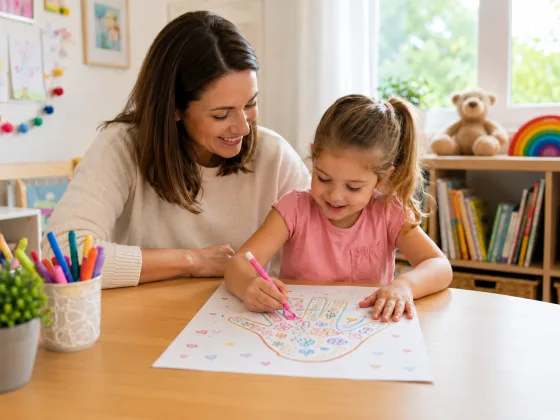
-
Hold it up next to last year's, if there is one.
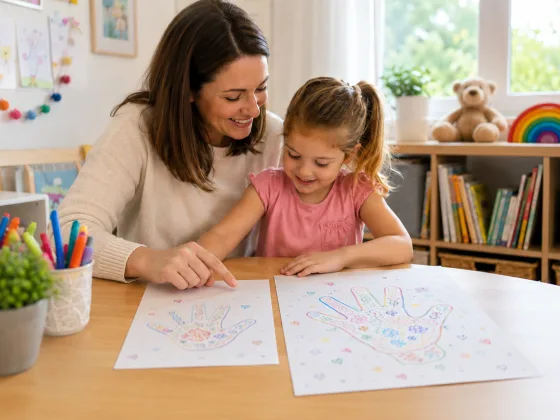
-
Put it in the folder and put it away.
Make it easier
Just the hand and the year. Everything else is optional and a two-year-old will not sit for the questions.
Make it harder
Ask an older child to write their own answers, and to add something they would like to be able to do by next year.
Other ways to play it
- Do a foot as well.
- Add a photograph.
- Ask one question that stays the same every year, so the answers can be compared.
- Do it on a birthday instead of New Year.
- Make one for each child and keep them together.
How it changes by age
- Two: hand only, you write everything.
- Three to five: they answer the questions, you write.
- Six and up: they write it themselves and often add far more than you asked for.
What they're learning
Talking about what they have learned to do is genuinely good for how a child sees themselves — it makes progress visible in a way that day-to-day life does not. Writing for a record that will be kept and read again gives writing an obvious purpose.
Clearing up
One folder, one sheet a year. It takes up almost no space and becomes the thing people fight over later.